
A fracture is when a bone breaks, either partially or completely. This usually happens due to injuries, repeated stress, or conditions that make bones weak causes of fracture.
Knowing what causes fractures is key to avoiding them and treating them well. Fractures can be small cracks or big breaks that go through the skin. How bad a fracture is depends on the force of the injury and the bone’s health.
Key Takeaways
- Fractures are breaks in bone tissue caused by trauma, stress, or weakened bones.
- Traumatic injuries and repetitive stress are common causes of fractures.
- Medical conditions like osteoporosis can increase the risk of fractures.
- Understanding fracture risk factors is essential for prevention.
- Maintaining strong, healthy bones is important for overall health.
Understanding Bone Fractures: Definition and Basics
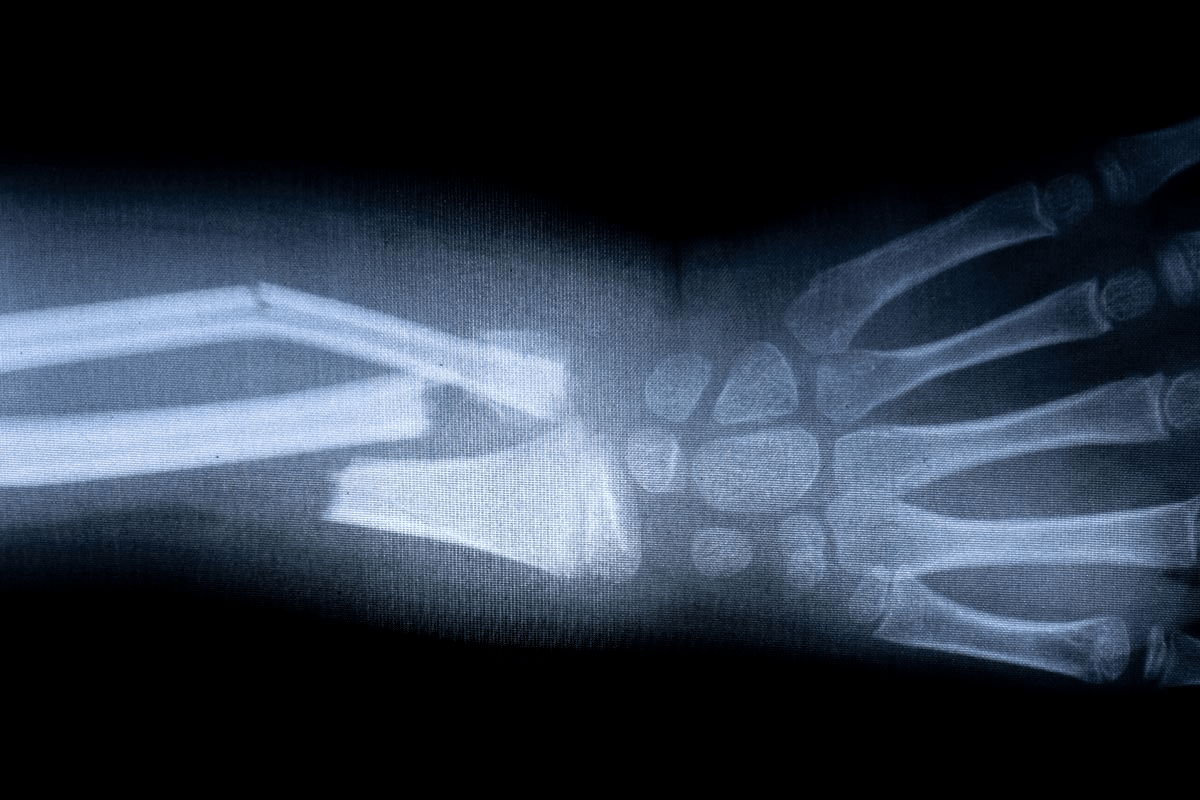
A bone fracture happens when a bone breaks, often due to injury or health problems. Bone fractures can affect anyone, at any age. They usually happen when a bone is hit too hard or stressed too much.
What Constitutes a Fracture in Medical Terms
In medical terms, a fracture means a bone breaks, either partially or completely. This can happen from falls, direct hits, or too much stress on the bone. Bones are most at risk when twisted, as twisting puts a lot of stress on them.
Fractures can vary from small, non-displaced cracks to big, broken bones. Knowing the type of fracture helps doctors decide the best treatment.
The Anatomy of Healthy Bones
Healthy bones are strong but have a complex structure. They have a hard outer layer called the cortex and a spongy inner layer. The periosteum, a layer of tissue, helps with bone healing and growth.
Bones are weakest when twisted, leading to spiral fractures. The bone’s density and structure affect how likely it is to fracture. For example, bones with low density, like those with osteoporosis, are more likely to break.
Types of Fractures: Classification and Characteristics
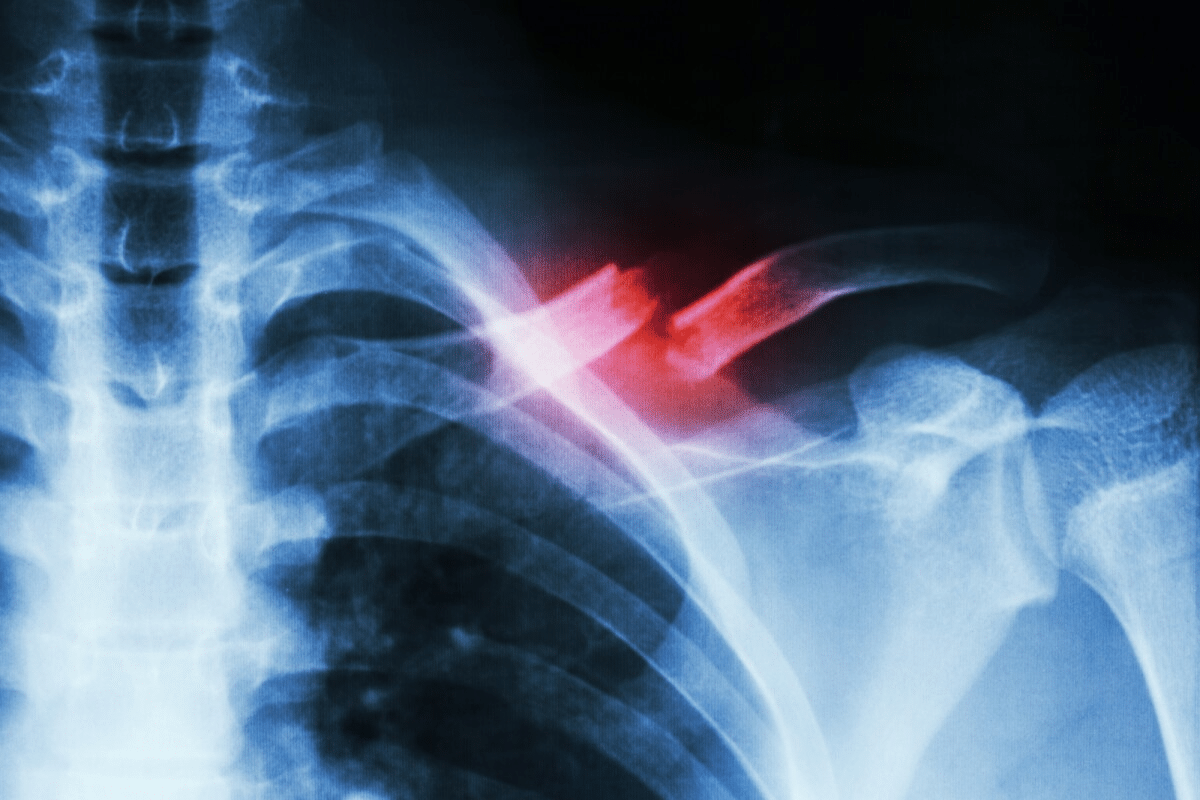
Understanding fractures is key in orthopedic medicine. It helps doctors decide the best treatment and predict how well a patient will recover. Fractures are sorted by how bad they are, where they happen, and what they look like. This information is vital for picking the right treatment.
Complete vs. Partial Fractures
Fractures can be either complete or partial. A complete fracture means the bone breaks into two or more pieces. A partial fracture is a crack that doesn’t split the bone. Complete fractures are usually worse and might need surgery to fix.
Partial fractures are less severe but need careful handling to avoid more harm and help healing. Knowing if a fracture is complete or partial is key to figuring out the treatment and how well a patient will do.
Open vs. Closed Fractures
Fractures are also classified as open or closed. An open fracture, or compound fracture, happens when the bone goes through the skin, making a wound. This is a serious emergency because of the risk of infection.
A closed fracture is when the bone breaks but doesn’t go through the skin. Closed fractures are less complicated but need quick medical care to heal right and avoid problems.
Fracture Patterns and Their Significance
Fractures can be described by their pattern, like transverse, spiral, oblique, or comminuted. Knowing the fracture pattern helps doctors understand how bad the injury is and plan treatment. For example, a transverse fracture breaks straight across, while a spiral fracture twists around the bone, often from twisting injuries.
Identifying the fracture pattern is important for treatment and recovery. Different patterns might need different treatments, from casts and braces to surgery.
Common Causes of Fractures: An Overview
Knowing the causes of a fracture is key to preventing and treating them. Fractures can greatly affect a person’s life. They happen due to several reasons, including sudden injuries, long-term stress, and weakened bones.
Acute Traumatic Events
Acute traumatic events are a top fracture cause. These include falls, direct hits, or kicks, and car accidents. Such incidents apply sudden, strong force to bones, causing fractures. For example, a fall can break a wrist, and a direct hit can fracture the shin.
Chronic Stress and Repetitive Motion
Chronic stress and repetitive motion also lead to fractures, like stress fractures. Running or jumping can cause small bone cracks over time. This is common in athletes or those with jobs needing lots of physical activity.
Pathological Weakening of Bone
Conditions that weaken bones can also cause fracture. Diseases like osteoporosis, bone cancer, and osteogenesis imperfecta make bones more fragile. For instance, osteoporosis lowers bone density, raising the risk of fractures, mainly in older people.
In summary, knowing what causes fracture is vital for prevention and management. By understanding the impact of sudden injuries, long-term stress, and weakened bones, we can reduce the risk of break in the continuity of bone. This helps keep bones healthy.
Traumatic Injuries Leading to Bone Breaks
Bones can break due to many traumatic injuries. These include falls, car accidents, and injuries from sports. The type of break depends on how severe the injury is.
Falls and Their Impact on Bone Integrity
Falls often lead to fractures, mainly in older people and those with weak bones. Landing wrong or having osteoporosis can make bones break.
It’s important to know how falls affect bones. We need to understand who is at risk of falling and breaking bones.
Motor Vehicle Accidents
Car crashes can also cause bone breaks. The force from a crash can lead to different types of fractures. Some may need surgery.
The severity of a fracture from a car accident depends on several things. These include how fast the cars were going, the angle of impact, and if safety belts were used.
Key factors influencing fracture severity in motor vehicle accidents include:
- Speed and angle of impact
- Use of safety restraints like seatbelts and airbags
- Vehicle design and safety features
Sports-Related Injuries
Sports injuries can also cause bone breaks. This is more common in sports with high speeds, contact, or jumping.
Players in sports like football, basketball, and gymnastics face a higher risk. This is because of the physical demands and collision risks.
Prevention strategies for sports-related fractures include proper training, use of protective gear, and adherence to safety protocols.
Knowing the causes and risks of traumatic injuries helps prevent fractures. It’s key to keeping bones healthy.
Repetitive Stress and Overuse Fractures
Bones can get stressed from too much use, leading to stress fractures, mainly in the legs and feet. This is common in athletes and people with jobs that involve a lot of repetitive movements.
Mechanism of Stress Fractures
Stress fractures happen when bones get small cracks from too much stress. Even if the stress isn’t strong enough to break the bone right away, it can cause a fracture. The mechanism of stress fractures is when the bone can’t fix itself fast enough to handle the stress.
Common Sites for Stress Fractures
Stress fractures often happen in the bones that bear weight in the legs and feet. The tibia and metatarsals are most at risk because they handle a lot of stress from activities like running and jumping.
High-Risk Activities and Occupations
Some activities and jobs make you more likely to get stress fractures. These include:
- Athletic activities that involve running or repetitive jumping, such as track and field or basketball.
- Military training, where recruits often undergo rigorous physical training.
- Jobs that require standing or walking for long periods, such as nursing or retail work.
Knowing the risks and taking steps to prevent them can help lower the chance of getting stress fractures in these high-risk groups.
Medical Conditions That Weaken Bones
Some medical conditions can make bones weak, leading to fractures. These conditions can harm bone density and structure. This increases the chance of bones breaking.
Osteoporosis: The Silent Bone Thief
Osteoporosis weakens bones by reducing their density and quality. Bones become more porous and break easily. It’s called a “silent disease” because it often has no symptoms until a bone breaks.
Key aspects of osteoporosis include:
- Reduced bone density
- Increased risk of fractures
- Often asymptomatic until a fracture occurs
Bone Cancer and Metastatic Disease
Bone cancer can destroy bone tissue, leading to fractures and pain. This damage can be severe.
Types of bone cancer and metastatic disease:
- Primary bone cancer (e.g., osteosarcoma)
- Metastatic bone disease (cancer that spreads to the bone)
Osteogenesis Imperfecta
Osteogenesis imperfecta is a genetic disorder that makes bones fragile. It’s also known as “brittle bone disease.”
Characteristics of osteogenesis imperfecta:
|
Feature |
Description |
|---|---|
|
Bone Fragility |
Bones are highly susceptible to fractures |
|
Genetic Basis |
Caused by mutations in genes that encode for type I collagen |
|
Variable Severity |
Ranges from mild to severe forms |
Osteomyelitis and Bone Infections
Osteomyelitis is an infection that weakens bones by causing inflammation and damage. Chronic cases can lead to long-term bone damage and higher fracture risk.
It’s important to understand these conditions to manage and prevent fractures. Recognizing the risks and taking action can help reduce the chance of fractures.
Age-Related Factors in Fracture Risk
Fracture risk changes with age. Each age group faces different challenges. Bones change as we grow, affecting their strength and health.
Pediatric Fractures: Growing Bones and Vulnerability
Children’s bones are more likely to break because they’re growing. They can get greenstick fractures, where the bone bends and partially breaks. This is because their bones are more flexible, having more cartilage.
- Greenstick fractures: Partial breaks that occur in children’s bones.
- Growth plate injuries: Fractures that involve the areas of the bone responsible for growth.
It’s important to know about these fractures to treat children properly.
Adult Bone Health Through the Decades
Bone health changes a lot as we age. We reach our peak bone mass in our late 20s to early 30s. Then, bone density starts to go down. Diet, exercise, and smoking habits affect bone health in adults.
Key factors influencing adult bone health include:
- Nutritional intake, like calcium and vitamin D.
- How much we exercise.
- Staying away from harmful substances like tobacco.
Geriatric Fracture Risks: Beyond Osteoporosis
Older adults face a higher risk of fractures. This is due to weaker bones, less muscle, and poor balance. While osteoporosis is a big risk, other changes also play a part.
- Osteoporosis: A condition characterized by weakened bones.
- Sarcopenia: Loss of muscle mass and strength.
- Impaired balance: Increased risk of falls.
Changing our lifestyle and getting medical help can lower the risk of fractures in older adults.
The Impact of Osteoporosis as a Primary Cause of Fractures
Osteoporosis greatly affects bone health, leading to many fractures. It weakens bones, making them break easily. This is a big problem for older adults, as their bones naturally get weaker with age.
Pathophysiology of Osteoporotic Fractures
Fractures from osteoporosis happen because bones lose mass faster than they grow. This is mainly because of hormonal changes, like when estrogen levels drop in menopause. This drop speeds up bone loss.
The pathophysiology involves how cells in bones work. Osteoclasts break down bone, while osteoblasts build it. In osteoporosis, there’s often too much breaking down or not enough building.
Epidemiology and Statistics
Osteoporotic fractures are a big health issue, affecting millions every year. The epidemiology shows that about 50% of women and 25% of men over 50 will get a fracture.
These fractures cause a lot of health problems and cost a lot to treat. For example, hip fractures are very dangerous, with a high death rate in the first year after.
Fracture Sites Most Affected by Osteoporosis
Osteoporosis can cause fractures in many places, but some are more common. The hip, spine, and wrist are often affected. Spine fractures, for instance, can cause a lot of pain and change how you look.
The risk of getting a fracture depends on bone density, age, and other health issues. Knowing which sites are at risk helps in finding ways to prevent and treat fractures.
Lifestyle and Environmental Risk Factors
Lifestyle and environmental factors can raise the risk of fractures. Lifestyle choices are key to keeping bones healthy. Some choices can greatly affect fracture risk.
Nutritional Deficiencies: Calcium and Vitamin D
Good nutrition is vital for bone health, with calcium and vitamin D being critical. Medical Expert, a top orthopedic specialist, says, “A diet short on calcium and vitamin D weakens bones, raising fracture risk.” It’s important to get enough of these nutrients from food or supplements.
“A well-balanced diet rich in calcium and vitamin D is foundational to maintaining strong bones and preventing fractures.”
Alcohol and Tobacco Use
Too much alcohol and tobacco can increase fracture risk. Alcohol messes with calcium balance and bone growth. Tobacco harms bones by cutting off blood flow and slowing bone repair.
Physical Inactivity and Its Consequences
Physical inactivity is a big risk for fractures. Exercise keeps bones dense and strong. A life without much movement weakens bones, making them more likely to break. Doing exercises that make bones work harder, like weight-bearing activities, can help.
Knowing and tackling these lifestyle and environmental risks can help lower fracture risk. It’s a step towards better bone health.
Medication-Induced Bone Fragility
Some medicines can make bones weaker, raising the chance of fractures. This is a big worry for people who are already at risk for bone problems. Long-term use of certain medications can cause bones to lose density and increase the risk of fractures.
Corticosteroids and Their Effects on Bone
Corticosteroids are used to treat inflammation but can harm bone health. Long-term use of these drugs can cause bone loss and decreased bone formation, raising the risk of fractures. It’s key for patients on long-term corticosteroid therapy to have their bone health checked regularly.
Other Medications That Compromise Bone Strength
Other drugs can also weaken bones. Certain antidepressants and anticonvulsants have been found to increase fracture risk. These drugs can affect bone metabolism and make falls more likely.
Managing Medication-Related Fracture Risk
Reducing fracture risk from medications requires a detailed plan. Patients on drugs that harm bones should get regular bone density assessments. Doctors might look for other treatments or adjust doses to lower bone risks. Eating right and exercising can also help keep bones strong.
Knowing the risks of certain medicines and taking action can help prevent fractures. This way, people can keep their bones strong and healthy.
Recognizing and Treating Fractures
It’s important to spot and treat fractures quickly to help them heal well. Fractures can show up in many ways, depending on how bad they are.
Clinical Presentation of Different Fracture Types
Fractures can look different. Complete fractures are when the bone breaks into pieces. They hurt a lot, swell, and look different. Stress fractures are small cracks that hurt more when you move.
Open fractures are serious because they can get infected. They need to be seen by a doctor right away. Closed fractures don’t break the skin but need quick treatment too.
Diagnostic Imaging Techniques
Imaging tests help figure out if a bone is broken and how bad it is. X-rays are often the first choice because they show bone well. But, some breaks might not show up on X-rays.
CT scans or MRI are used when X-rays don’t work. CT scans help with complex breaks. MRI shows soft tissue injuries too.
Treatment Approaches
How to treat a fracture depends on its type, how bad it is, and where it is. The main goal is to fix the bone, help it heal, and get back to normal.
|
Fracture Type |
Treatment Approach |
Key Considerations |
|---|---|---|
|
Non-displaced fractures |
Immobilization with cast or splint |
Monitoring for displacement |
|
Displaced fractures |
Reduction (closed or open) and immobilization |
Ensuring proper alignment |
|
Comminuted fractures |
Surgical intervention (internal fixation) |
Stabilizing multiple fragments |
Good treatment also means managing pain and preventing problems. Physical therapy helps the area get better. Knowing about different fractures and how to treat them helps doctors give better care.
Conclusion: Fracture Prevention and Bone Health Maintenance
Keeping bones strong is key to avoiding fractures. Eating right, exercising regularly, and preventing falls are important. They help keep bones healthy and lower fracture risk.
Starting with bone health is the first step in preventing fractures. Eating enough calcium and vitamin D, doing exercises that make bones stronger, and staying away from harmful substances like tobacco and too much alcohol are all helpful. These actions help keep bones strong.
Knowing why fractures happen and acting early can greatly lower the risk of a bone break. This means being careful about where you walk, managing health issues that can weaken bones, and knowing how some medicines affect bones.
By following these steps, people can manage their bone health better. This reduces the chance of fractures and keeps them feeling good overall.
FAQ
What is a fracture?
A fracture is when a bone breaks. This can happen from injuries, too much stress, or weak bones.
What are the common causes of fractures?
Fractures can come from sudden injuries, too much stress, or weak bones. This includes osteoporosis, bone cancer, or osteogenesis imperfecta.
What is the difference between a complete and partial fracture?
A complete fracture breaks the bone all the way through. A partial fracture doesn’t break the bone all the way.
What is osteoporosis, and how does it contribute to fracture risk?
Osteoporosis makes bones weak and more likely to break. It’s a big risk for fractures, mainly in older people.
How do lifestyle and environmental factors contribute to fracture risk?
Lifestyle and environment can weaken bones. This includes bad nutrition, drinking too much alcohol, smoking, and not being active.
Can certain medications increase the risk of fractures?
Yes, some medicines like corticosteroids can make bones weaker and increase fracture risk.
What are the symptoms of a fracture?
Symptoms of a fracture vary. They include pain, swelling, bruising, and trouble moving the affected limb.
How are fractures diagnosed?
Doctors use X-rays, CT scans, or MRI scans to find fractures.
What are the treatment options for fractures?
Treatment for fractures depends on the break’s type and severity. It can include rest, surgery, or other methods to help bones heal and function well.
How can fractures be prevented?
To prevent fractures, keep bones strong. Eat well, exercise regularly, and avoid harmful lifestyle choices.
What is a stress fracture?
A stress fracture is a break from too much stress or overuse. It often affects athletes or those with high-impact activities.
What are the risk factors for osteoporotic fractures?
Risk factors for osteoporotic fractures include being older, female, having low bone density, or a history of fractures or osteoporosis.
Reference
National Health Service (NHS). Evidence-Based Medical Guidance. Retrieved from https://www.nhs.uk/conditions/fractures/



 Departments
 Related Videos
 Our Doctors
 News
News