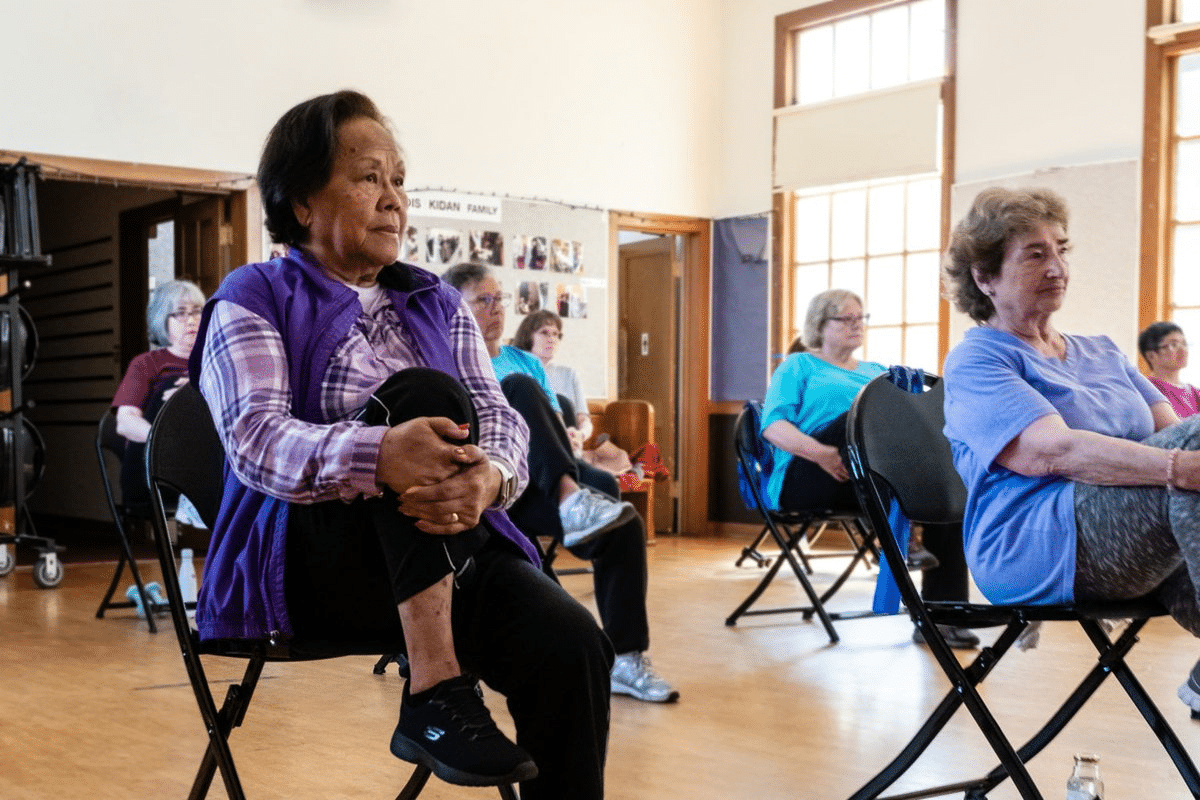
Chair aerobics for seniors boost heart health. The best cardio option for low-impact, high-reward vital exercise at any age.
Staying fit and independent is key as we age. But, traditional workouts can be scary or hard for many seniors. Chair exercises are a safe and effective way to make fitness easy.
These exercises can be done anywhere, anytime. They’re perfect for those with mobility issues or injuries. Trusted healthcare groups sayage-appropriate exercise is vital for staying strong and independent.
By adding chair exercises to their routine, seniors can boost their strength and stamina. They don’t have to stand or strain too much.
Key Takeaways
- Chair exercises are a low-impact, accessible way to maintain physical function and independence.
- These exercises can be adapted to different mobility levels and done with minimal equipment.
- Regular chair exercises can improve strength and stamina in seniors.
- Healthcare organizations endorse age-appropriate exercise as fundamental to health.
- Chair exercises are suitable for individuals with mobility issues or injuries.
The Science-Backed Benefits of Chair Exercises for Seniors

Chair exercises are great for seniors and backed by science. They are safe and effective for improving health and physical function.
Meeting CDC’s 150-Minute Weekly Activity Recommendation
Chair exercises help seniors meet the CDC’s 150-minute weekly activity goal. Studies show that short sessions throughout the day work well. Seniors can do chair exercises while watching TV or during commercial breaks.
Improving Upper and Lower Body Strength
Chair exercises boost upper and lower body strength in older adults. Seated arm curls and leg lifts help keep muscles strong. Exercises like seated leg extensions and marching are good examples.
Reducing Fall Risk Through Enhanced Balance
Chair exercises improve balance and lower fall risk. They strengthen muscles and increase flexibility. Simple exercises like seated marching or ankle rotations are effective. They challenge the body in a safe way.
Supporting Daily Functional Independence
Regular chair exercises improve physical function for daily tasks. They help seniors stay independent. “Chair exercises for elderly YouTube” often include seated arm raises and leg lifts.
In conclusion, chair exercises offer many health benefits for seniors. They improve strength, balance, and daily function. Seniors can make better exercise choices by knowing these benefits.
Essential Equipment and Setup for Safe Chair Workouts
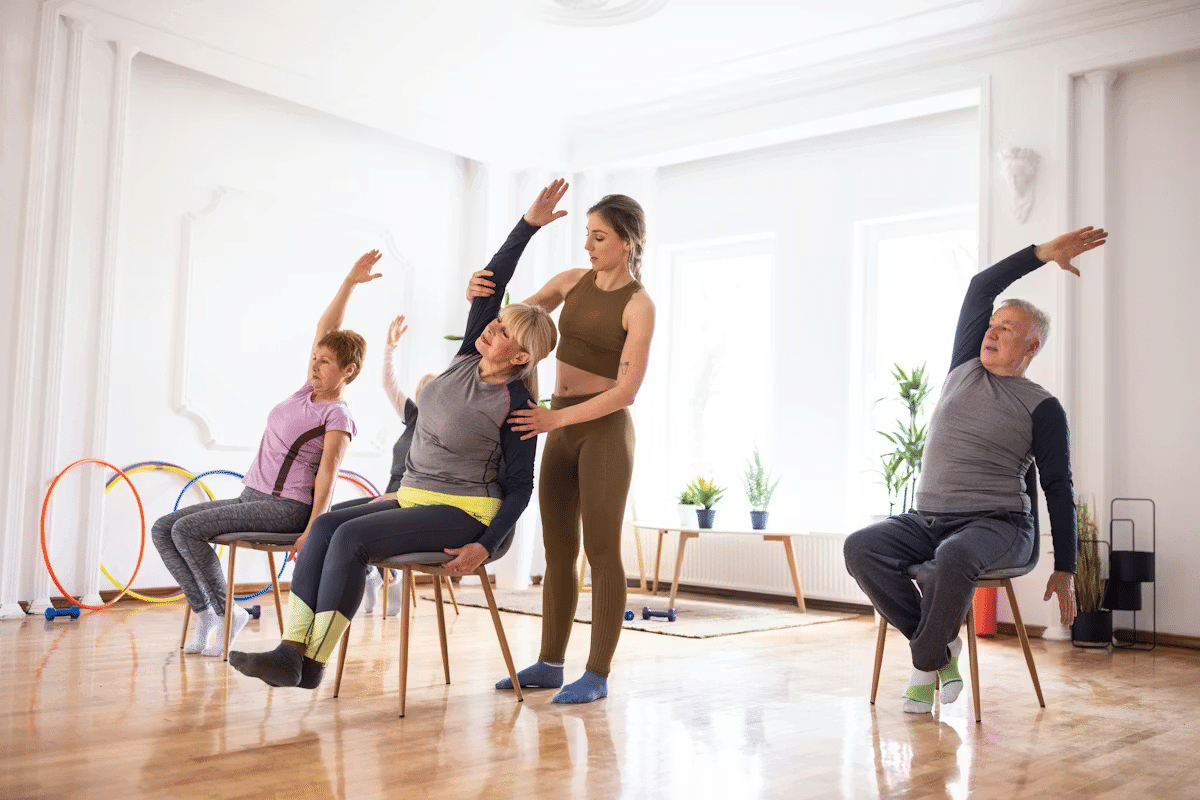
Seniors need the right equipment and setup for safe chair exercises. The Centers for Disease Control and Prevention (CDC) says adults 65 and older should do at least 150 minutes of moderate activity weekly. Chair exercises are a great way to meet this goal.
Selecting a Sturdy, Appropriate Chair
Choosing the right chair is key for safety and effectiveness. Look for a chair that is sturdy, stable, and adjustable in height. A chair without arms is good for some exercises, but it must be stable and supportive.
Optional Equipment: Resistance Bands, Light Weights, and Stress Balls
While a chair is essential, other tools can make workouts better. Resistance bands are great for strengthening muscles. Light weights can make arm exercises more challenging. Stress balls help improve grip and dexterity.
Creating a Safe Exercise Space
A safe space is as important as the right equipment. Make sure the area around the chair is clear of obstacles. The floor should be non-slip, and there should be enough room to move without bumping into things.
Proper Seated Posture Fundamentals
Good seated posture is vital for safe and effective chair exercises. Sit with your back straight, feet flat on the floor or on a footrest if needed. Keep your shoulders relaxed. Proper posture helps with breathing and muscle engagement.
Getting Started with Seated Workouts for Seniors
Chair exercises are a great way for seniors to get stronger, more flexible, and balanced. They are easy to do and can be changed to fit different levels of mobility. This means everyone can join in and see the benefits.
Pre-Exercise Assessment and Warm-Up
It’s important to check your health before starting any new exercise. Look at your current health, including any health issues. It’s a good idea to talk to a doctor, if you have health concerns.
Start with a warm-up to get ready for your workout. Simple actions like seated marching or arm circles can help get your blood flowing and muscles ready.
Recommended Frequency and Duration
Seniors should do seated chair exercises 3 times a week, for at least 10-15 minutes each time. As you get more comfortable, you can do more and more often.
- Start with shorter sessions and slowly add more time as you get stronger.
- Rest when needed to avoid getting too tired or uncomfortable.
Monitoring Intensity: The Talk Test
The Talk Test is a simple way to check how hard you’re working out. If you can talk while exercising, you’re doing it right. If you can’t breathe to speak, slow down.
Adapting Exercises for Different Mobility Levels
Seated chair exercises can be changed to fit different needs. For those who can’t move much, you can use resistance bands or light weights to make it harder without needing to move a lot.
|
Mobility Level |
Exercise Adaptation |
|---|---|
|
Low Mobility |
Seated arm raises, gentle stretching |
|
Moderate Mobility |
Seated leg lifts, chair dips |
|
High Mobility |
Seated marching, more vigorous arm movements |
Start slow and adjust exercises to fit your mobility. This way, seniors can safely enjoy the benefits of seated workouts. They can get stronger, more flexible, and feel better overall.
5 Upper Body Chair Exercises for Strength
Chair exercises can greatly boost upper body strength in seniors. They help improve health and function. These exercises are safe, effective, and can be done from a chair.
Seated Arm Curls with and without Weights
Seated arm curls are great for the biceps. You can do them with or without weights. Hold your arms at your sides with palms forward.
Curl your arms up towards your shoulders, then lower them back down. Do this for 10-15 reps.
Shoulder Rolls and Overhead Presses
Shoulder rolls ease tension and boost flexibility. Overhead presses strengthen shoulders and triceps. For shoulder rolls, roll your shoulders forward and backward.
For overhead presses, hold light weights or cans. Press them overhead, then lower them back down. Do 10-15 reps.
Chair Dips for Triceps Strength
Chair dips are great for triceps. Sit on the chair’s edge with hands on the edge. Lower your body by bending your elbows until they’re at a 90-degree angle.
Then, straighten your arms to return to the start. Repeat for 10-15 reps.
Seated Chest Presses with Resistance Bands
Seated chest presses with resistance bands work the chest muscles. Anchor the band to something stable. Hold the ends in each hand.
Press the band forward, extending your arms. Then, return to the start. Do 10-15 reps.
|
Exercise |
Repetitions |
Benefits |
|---|---|---|
|
Seated Arm Curls |
10-15 |
Strengthens biceps |
|
Shoulder Rolls and Overhead Presses |
10-15 |
Improves shoulder flexibility and strength |
|
Chair Dips |
10-15 |
Strengthens triceps |
|
Seated Chest Presses |
10-15 |
Strengthens chest muscles |
4 Lower Body Chair Exercises for Mobility
Seniors can boost their mobility and lower fall risks with lower body chair exercises. These exercises make daily activities easier, backed by studies on seated workouts for seniors.
“Exercise is a key part of healthy aging,” say health experts. They stress the need for strength and mobility through simple chair exercises.
Seated Leg Extensions and Curls
Seated leg extensions and curls strengthen leg muscles. Sit straight and extend one leg out, hold, then lower it. Do the same with the other leg. For curls, lift heels towards your buttocks, bend knees, and return.
Chair Marches for Hip Mobility
Chair marches boost hip mobility. Sit and lift legs one at a time, like marching. This also works your core and improves blood flow. Switch legs for more reps.
Ankle Circles and Foot Flexes
Ankle circles and foot flexes keep ankles flexible and strong. Rotate ankles and flex feet by pulling toes back. These moves help balance and reduce stiffness.
Seated Calf Raises for Lower Leg Strength
Seated calf raises strengthen lower leg muscles. Sit with feet flat, then lift heels high, keeping toes on the ground. Lower heels back down. This strengthens calf muscles, vital for stability.
Adding these four exercises to daily routines can greatly improve seniors’ mobility and strength. As part of a 30-day chair workout for seniors, these exercises can be tailored to fit individual needs.
3 Core Strengthening Chair Exercises
Core strength is key for good posture and balance, which is vital for seniors. Doing core exercises can boost balance, lower fall risks, and make daily tasks easier. These exercises are done while sitting, making them great for seniors who have trouble moving.
Seated Abdominal Contractions
Seated abdominal contractions are a basic yet powerful way to strengthen your core. Sit comfortably in your chair with your feet on the floor. Breathe in deeply, then exhale and pull your belly button towards your spine. Hold for a few seconds, then relax. Do this 10-15 times.
Chair Twists for Oblique Strength
Chair twists work the oblique muscles, which help with rotation and flexibility. Sit with your feet flat and hold the armrests or chair sides. Twist your torso to one side, keeping your feet and hips straight. Hold for a few seconds, then twist to the other side. Do 10-15 reps on each side.
Modified Seated Knee Lifts
Modified seated knee lifts target the lower abs. Sit with your feet flat on the floor. Lift one knee towards your chest, keeping your foot flexed. Hold for a moment, then lower it back down. Repeat with the other knee. Alternate legs for 10-15 reps on each leg.
Adding these exercises to your senior chair exercise routine can improve your posture, balance, and core strength. For more ideas and variations, check out YouTube chair exercises for elderly that suit different fitness levels and mobility.
Chair Exercises for Balance and Coordination
Chair exercises can greatly help seniors with balance and coordination, lowering fall risks. These exercises are great because they can be done while sitting. This makes them safer and easier to do.
Seated Weight Shifts and Reaches
Seated weight shifts help improve balance by moving your weight slowly from side to side. To do this, sit with your feet flat and slowly move your weight to one side. Hold for a few seconds before moving to the other side.
Reaching exercises are also good while sitting. Try reaching to the side or forward, increasing the distance as you get more flexible and balanced. These exercises boost balance and flexibility.
Hand-Eye Coordination Drills
Hand-eye coordination is key for everyday tasks. Simple drills like catching a ball or beanbag while seated can improve it. Start with soft, lightweight objects and get harder as you get better.
Try placing a small object, like a pen or pencil, on a table or lap tray. Then, try to pick it up with the opposite hand. This challenges your hand-eye coordination and fine motor skills.
Supported Standing Exercises Using the Chair
Supported standing exercises help improve balance and strength by standing while holding onto the chair. Stand with your feet shoulder-width apart and hold the chair’s back. Lift one foot off the ground, hold for a few seconds, then put it back down. Switch feet to challenge your balance and build strength.
|
Exercise |
Benefits |
Tips |
|---|---|---|
|
Seated Weight Shifts |
Improves balance, reduces fall risk |
Perform slowly, hold for a few seconds |
|
Hand-Eye Coordination Drills |
Enhances coordination, fine motor skills |
Start with soft, lightweight objects |
|
Supported Standing Exercises |
Improves balance, strength |
Hold chair for support, stand with feet shoulder-width apart |
Adding these chair exercises to your daily routine can greatly improve balance and coordination. This can make you more mobile and lower fall risks. For more tips and videos, check out chair exercises for seniors on YouTube or look into programs for seniors.
Chair Exercises for Flexibility and Joint Health
Chair exercises are a gentle yet effective way to boost flexibility and joint health in seniors. As people age, they often lose flexibility and feel stiff in their joints. This can really affect their quality of life. Adding chair exercises to their daily routine can help.
Doing chair exercises regularly can make joints move better, reduce stiffness, and improve overall joint health. This is great for seniors who might have trouble moving or have conditions like arthritis.
Upper Body Stretches and Range of Motion
Upper body stretches are key to keeping the shoulders, arms, and chest flexible. Simple moves like shoulder rolls, arm circles, and chest opens can be done sitting in a chair.
- Shoulder Rolls: Roll your shoulders forward and backward in a circular motion. Repeat for 10 repetitions.
- Arm Circles: Hold your arms straight out to the sides and make small circles with your hands. Gradually increase the size of the circles.
- Chest Opens: Place your hands behind you on the armrests and gently lean back, opening your chest. Hold for a few seconds and release.
Lower Body Flexibility Exercises
Lower body flexibility exercises are vital for keeping the hips, knees, and ankles mobile. Seated leg lifts, ankle rotations, and toe stretches are great exercises that can be done from a chair.
|
Exercise |
Description |
Repetitions |
|---|---|---|
|
Seated Leg Lifts |
Lift one leg off the floor, keeping it straight. Hold for a few seconds before lowering. |
10 per leg |
|
Ankle Rotations |
Rotate your ankles in both clockwise and counterclockwise directions. |
5 per direction |
|
Toe Stretches |
Lift your toes up towards your shin, then curl them down. Repeat. |
10 repetitions |
Chair-Based Gentle Yoga Movements
Gentle yoga movements can be done while seated, making it a low-impact way to boost flexibility and reduce stress. Chair yoga combines traditional yoga with the support of a chair.
“Chair yoga is an excellent way for seniors to experience the benefits of yoga in a safe and accessible manner.” – Yoga for Seniors
Simple chair yoga exercises include seated forward bends, gentle twists, and deep breathing exercises. These can help improve flexibility, balance, and overall well-being.
By adding these chair exercises to their daily routine, seniors can enjoy better flexibility and joint health. This can really improve their quality of life.
3 Chair Cardio Workouts for Heart Health
As we get older, keeping our hearts healthy is key. Seated cardio exercises are great for this. They help raise your heart rate and boost health without too much strain.
Seated Marching and Dancing
Seated marching and dancing are fun ways to start with chair cardio. They’re easy and can fit any fitness level. Marching lifts your legs like walking, while dancing moves your arms and upper body to music.
Benefits of Seated Marching: It improves blood flow, heart health, and leg strength.
Upper Body Cardio Movements
Exercises for the upper body are also good for the heart while seated. You can do arm curls, shoulder rolls, and punches with or without weights. These boost your heart rate and strengthen your arms.
- Arm curls with light dumbbells
- Shoulder rolls to loosen tension
- Punching motions for cardiovascular benefit
Interval Training in a Chair
Interval training mixes high-intensity and low-intensity exercises. For chair workouts, switch between fast arm raises or jogging and slow lifts or stretches. This keeps your heart rate up and strengthens your body.
“Interval training is a highly effective way to improve cardiovascular fitness, even for seniors. It allows for a good workout without overexertion.”
Medical Expert, Fitness Expert
|
Exercise |
Intensity |
Duration |
|---|---|---|
|
Seated Marching |
Moderate |
3 sets of 1 minute |
|
Upper Body Cardio |
High |
3 sets of 30 seconds |
|
Interval Training |
Varies |
20 minutes total |
Adding these chair cardio workouts to your routine can greatly improve your heart health and overall well-being. Always talk to a healthcare professional before starting any new exercise program.
Creating a Complete Weekly Chair Exercise Routine
For seniors, a good chair exercise routine is key to staying independent and healthy. Mixing cardio, strength, and flexibility exercises helps keep them fit. A routine helps them stay on track and makes exercise a habit.
Sample 15-Minute Daily Routines
Starting with short sessions is important for a consistent exercise habit. A 15-minute daily routine can include upper body, lower body, and cardio exercises. For example, seniors can start with:
- 5 minutes of seated marching or arm raises to get the heart rate up
- 5 minutes of seated leg lifts and arm curls to strengthen muscles
- 5 minutes of gentle stretches to improve flexibility
Balanced 30-Minute Full-Body Workout
As seniors get more comfortable, they can increase their routine to 30 minutes. A full-body workout can include:
- 10 minutes of cardio exercises such as seated jogging or dancing
- 10 minutes of strength training using resistance bands or light weights
- 10 minutes of flexibility and stretching exercises to cool down
Progressing Your Workout Over Time
It’s important to keep challenging oneself to improve strength, flexibility, and heart health. Seniors can progress their workouts by:
- Increasing the duration or intensity of their exercises
- Adding more complex movements or resistance
- Incorporating new exercises to target different muscle groups
Tracking Progress and Setting Realistic Goals
Tracking progress and setting achievable goals motivates seniors to keep exercising. Using a journal or a mobile app to log workouts is helpful. Seniors should aim for realistic goals, like increasing exercise time or frequency, and celebrate their successes.
By following these tips and creating a personalized routine, seniors can enjoy many benefits. These include better health, more mobility, and overall well-being.
Chair Exercise Resources and Online Programs
Seniors can now find many chair exercise resources online. This makes it easy to stay active at home. The internet offers a lot of ways for older adults to keep fit and independent.
YouTube Chair Exercises for Seniors
YouTube is a great place for seniors to find chair exercises. Fitness experts and healthcare professionals post videos for older adults. These videos include stretches, strength training, and cardio exercises for all fitness levels.
Popular YouTube channels for chair exercises are run by physical therapists, yoga instructors, and senior fitness specialists. They offer exercises to improve flexibility, balance, and physical function.
Free Online Programs and Mobile Apps
There are also free online programs and mobile apps for chair exercises. These platforms offer workout plans, videos, and sometimes coaching. They are designed to be easy to use, helping seniors add physical activity to their daily lives.
Some apps let users track their progress, set reminders, and adjust workout intensity. This helps seniors meet their fitness goals comfortably.
Virtual Classes and Senior Exercise Communities
Virtual classes are now popular, allowing seniors to join group fitness sessions at home. Many community centers, gyms, and senior organizations offer online classes for older adults.
These classes provide a structured exercise setting and social interaction. Seniors can meet others with similar interests and goals. This builds a sense of community and support.
Working with Physical Therapists on Chair Exercise Plans
Seniors with health concerns or mobility issues can greatly benefit from physical therapy. Physical therapists create personalized chair exercise plans. These plans address individual needs and goals.
Therapists assess a senior’s abilities, identify areas for improvement, and develop a tailored program. They guide on how to modify exercises for physical limitations or health conditions.
Conclusion
Chair exercises for seniors are key to keeping them independent and active. Regular workouts help them stay healthy and do daily tasks better. This boosts their confidence and ability to live life fully.
Seniors can gain a lot from chair exercises. They improve strength, balance, and flexibility. Using a senior exercise chair is a great first step.
This article showed many chair exercises for different needs and abilities. Starting small and gradually getting more intense helps seniors reach their fitness goals. It’s a step-by-step journey to better health.
There are many resources out there, like online programs and virtual classes. These help seniors stay motivated and on track. Embracing chair workouts is a smart way for older adults to keep their health and independence.
FAQ
What are the benefits of chair exercises for seniors?
Chair exercises help seniors get stronger, balance better, and move more easily. They also lower the chance of falls. Plus, they meet the CDC’s activity goals.
What type of chair is best for chair exercises?
Choose a sturdy, armless chair with a firm seat and back. It lets you move freely and keep good posture.
Can I do chair exercises without any equipment?
Yes, many exercises can be done without equipment. But, using tools like resistance bands or light weights can make your workouts more interesting and challenging.
How often should I do chair exercises?
Aim to do chair exercises 2-3 times a week. This meets the CDC’s goal of 150 minutes of moderate exercise weekly.
How do I monitor the intensity of my chair exercises?
Use the “talk test” to check the intensity. You should be able to talk but feel like you’re working hard.
Can chair exercises help improve balance and coordination?
Yes, exercises like seated weight shifts and hand-eye drills can boost balance and coordination.
Are there chair exercises that can help improve flexibility and joint health?
Yes, exercises like upper body stretches and chair yoga can enhance flexibility and joint health.
Can I do chair cardio workouts?
Yes, you can do cardio workouts like seated marching and interval training. They’re great for heart health and fitness.
How do I create a complete weekly chair exercise routine?
Mix upper body, lower body, core, balance, and cardio exercises. Aim for 15-30 minutes daily, 2-3 times a week.
Where can I find chair exercise resources and online programs?
Look for resources on YouTube, free online programs, and mobile apps. You can also join virtual classes or senior exercise communities. Physical therapists can also help.
How can I progress my chair exercises over time?
Increase the intensity, duration, or frequency of your workouts. Or, add new exercises to your routine.
How do I track my progress with chair exercises?
Monitor your ability to do daily tasks and track your workouts. Set realistic goals to see your progress.
Reference
National Center for Biotechnology Information. Chair Exercises: Safe, Effective Seated Workouts for Seniors. Retrieved from https://www.ncbi.nlm.nih.gov/pmc/articles/PMC7920319/



 Departments
 Related Videos
 Our Doctors
 News
News