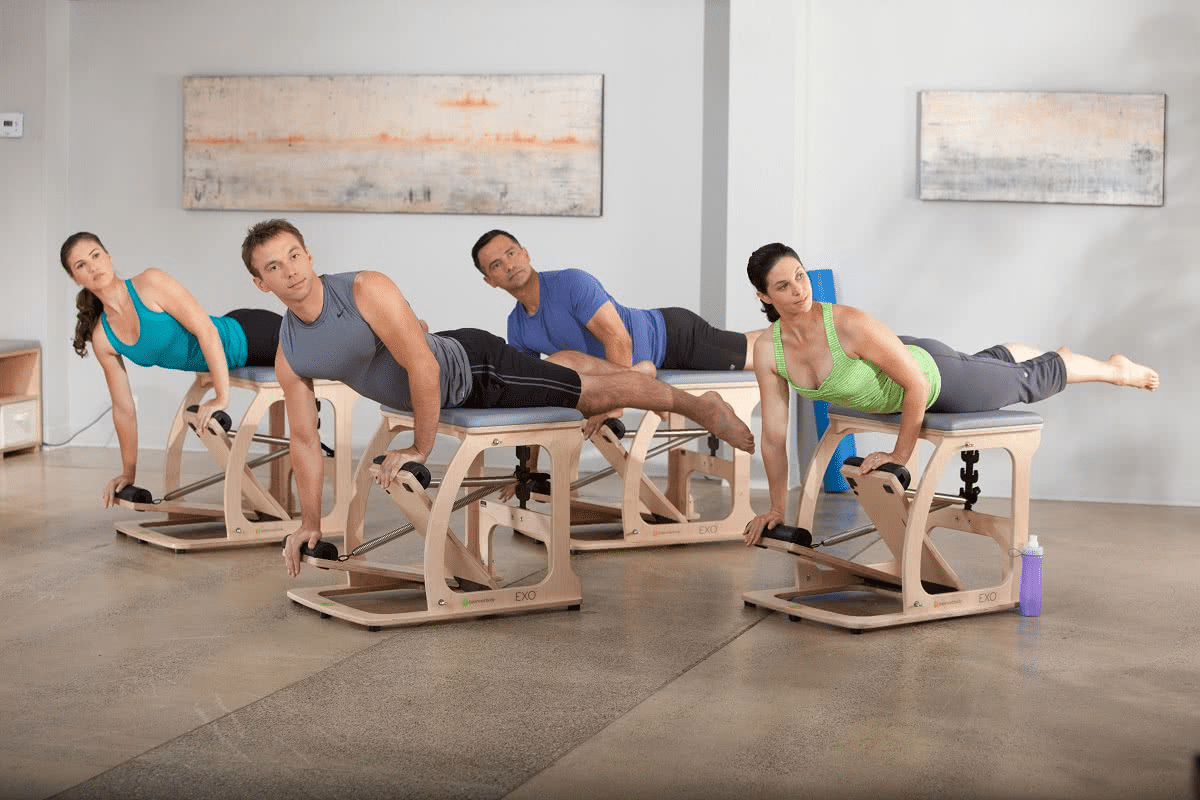
A chair workout for seniors is safe. Discover the best routine to boost energy and protect your vital bone density at home.
Staying active is key for older adults to keep their independence and health. Chair exercises are a safe and easy way to boost strength, balance, and mental health. You don’t need a gym or to stand.
These evidence-based workouts can be done at home with a sturdy chair. You can find free YouTube tutorials or guided chair yoga to fit your needs.
Adding these simple seated movements to your daily routine can help build muscle and keep you mobile. It also lets you enjoy an active lifestyle.
Key Takeaways
- Chair exercises improve strength and balance.
- Seated movements can be done from the comfort of your home.
- Evidence-based workouts support overall health and well-being.
- Chair yoga and armchair aerobics are great options for seniors.
- Regular exercise can help maintain independence.
The Evidence-Based Benefits of Chair Exercises

Chair exercises are great for keeping older adults healthy. They are easy to do while sitting and don’t put too much strain on the body.
Improvements in Balance and Mobility
Studies show that chair exercises help seniors balance better and move more easily. They make walking faster and lower the chance of falling.
Enhanced Strength and Functional Capacity
These exercises also make muscles stronger. They help seniors do everyday tasks better by improving grip and muscle function.
Mental Health and Cognitive Benefits
Chair exercises are good for the mind too. They can make depression and anxiety symptoms go down. This helps seniors feel better overall.
|
Benefit Category |
Specific Improvements |
|---|---|
|
Balance and Mobility |
Enhanced gait speed, reduced fall risk |
|
Strength and Functional Capacity |
Improved grip strength, better daily task performance |
|
Mental Health and Cognitive Function |
Reduced depression and anxiety symptoms |
In summary, chair exercises are very beneficial for seniors. They improve physical health and mental well-being. Adding these exercises to their daily routine can greatly enhance their quality of life.
Why Chair Workouts for Seniors Are Essential
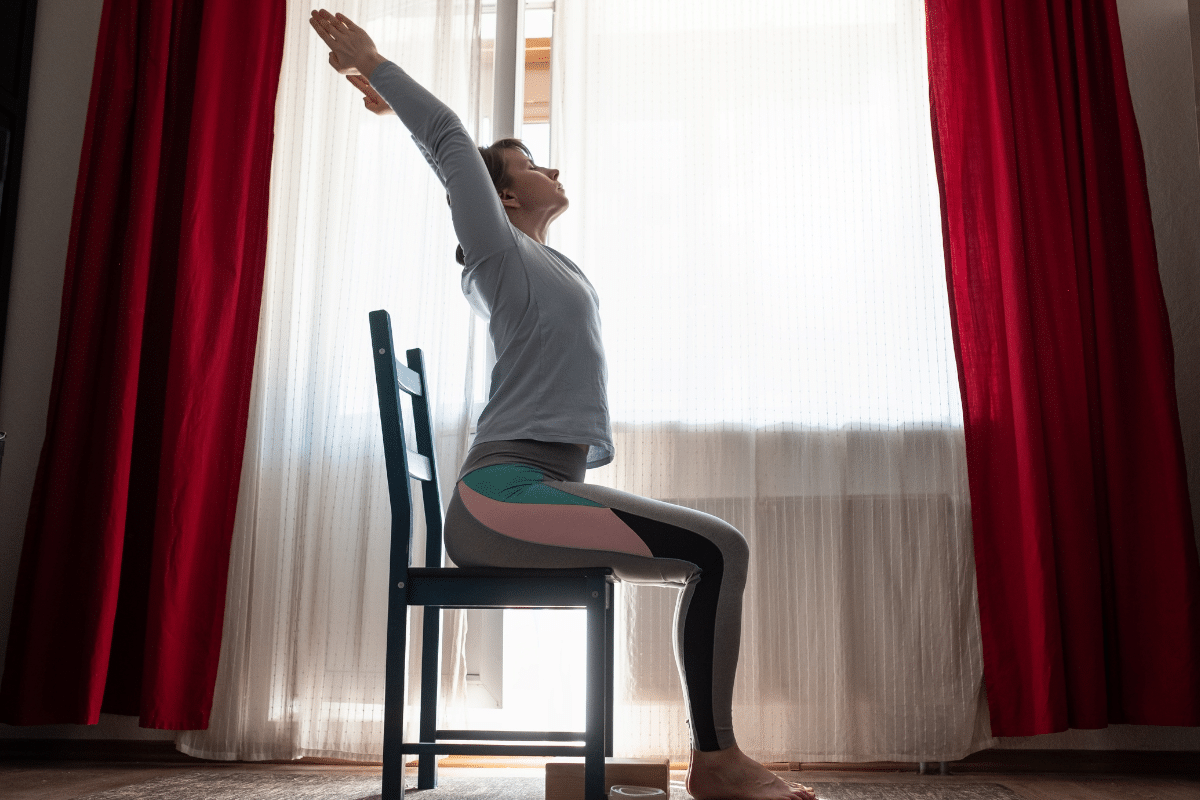
For seniors, chair exercises are a safe and effective way to stay active. As people age, they often face challenges that limit their ability to move. Chair workouts provide a solution to this problem.
Addressing the 36% of Seniors with Mobility Challenges
A big part of the senior population faces mobility challenges. Data shows that 36% of adults aged 65 and older have daily mobility issues. Chair exercises are great for this group, helping to improve mobility and strength gently.
- Enhance flexibility and range of motion
- Improve balance and coordination
- Strengthen muscles without excessive strain
Low-Impact Alternative to Standing Exercises
Chair workouts are a low-impact alternative to standing exercises. Standing exercises can be hard or risky for seniors with balance issues. Seated exercises reduce the risk of falls and injuries, making them safer for physical health.
Key benefits include:
- Reduced risk of falls
- Improved cardiovascular health
- Enhanced muscle tone
Increased Blood Flow and Joint Lubrication
Regular chair exercises boost blood flow and joint lubrication. These are key for healthy joints and preventing arthritis. This is very important for seniors, as it can greatly improve their quality of life.
By adding chair workouts to their routine, seniors can enjoy many benefits. These benefits contribute to overall well-being and independence.
Getting Started: Equipment and Safety
To start chair exercises safely, seniors need the right chair and to follow safety rules.
Choosing the Right Chair
The best chair for exercises is sturdy and stable. It should be armless and without wheels to stay in place. The chair’s height is also key, making sure your feet can rest flat on the floor or on a footrest.
Safety Precautions Before Beginning
Before starting chair exercises, safety is a must. Here are some important tips:
- Clear the area of obstacles and tripping hazards.
- Wear comfy, secure clothes that won’t get caught in the chair.
- Have a phone nearby for emergencies.
- Start slow and gently, then increase as you get more comfortable.
When to Consult Your Doctor
Seniors should talk to their doctor before starting any new exercise. This is even more important if they have health issues. Some conditions might need special care or changes to the exercises.
|
Health Condition |
Precaution/Modification |
|---|---|
|
Heart Conditions |
Monitor heart rate; avoid overexertion. |
|
Joint Issues (e.g., arthritis) |
Modify exercises to avoid putting excessive strain on affected joints. |
|
Balance Problems |
Ensure the chair is stable; consider having someone nearby for support. |
By following these steps, seniors can enjoy chair exercises safely. This can greatly improve their health and well-being.
5 Upper Body Chair Exercises
For seniors, upper body chair exercises are a great way to boost well-being and mobility. They are safe, effective, and easy to fit into daily life.
Seated Arm Raises
Seated arm raises are simple yet powerful for strengthening shoulders and improving mobility. Here’s how to do it:
- Sit comfortably with your feet flat on the floor.
- Raise one arm straight out to the side until it’s at shoulder level.
- Lower your arm back down to the starting position.
- Repeat with the other arm.
Do 10-15 repetitions on each arm. This boosts shoulder flexibility and strength.
Chair Tricep Dips
Chair tricep dips target the triceps, boosting arm strength. Here’s how to do it:
- Sit on the edge of your chair with your hands grasping the edge.
- Slide your bottom off the chair and lower your body by bending your elbows.
- Straighten your arms to return to the starting position.
Do 10-15 repetitions. Make sure your chair is stable and secure before starting.
Seated Shoulder Rolls
Seated shoulder rolls reduce tension and improve shoulder flexibility. Here’s how to do it:
- Sit comfortably with your feet flat on the floor.
- Roll your shoulders forward and then backward in a circular motion.
- Repeat for 5-10 repetitions.
This exercise is great for relieving stress and improving posture.
Seated Bicep Curls
Seated bicep curls are a great way to strengthen the biceps. Here’s how to do it:
- Hold a light weight (such as a water bottle) in each hand.
- Sit with your back straight and feet flat on the floor.
- Curl the weights up towards your shoulders, then lower them back down.
Aim for 10-15 repetitions. Start with light weights and gradually increase as you get stronger.
Adding these upper body chair exercises to your daily routine can greatly improve your strength, mobility, and overall health.
5 Lower Body Chair Exercises
Lower body chair exercises are safe and effective for seniors. They help improve mobility and health. These exercises can be done while seated, reducing the risk of falls and injuries.
1. Seated Leg Lifts
Seated leg lifts strengthen your leg muscles. Sit upright in your chair with feet flat on the floor. Lift one leg straight up, hold for a few seconds, then lower it back down. Repeat with the other leg.
Benefits: Improves leg strength and mobility.
2. Chair Marches
Chair marches boost blood flow and work your leg muscles. Sit comfortably with feet flat on the floor. Lift your legs one at a time, mimicking a marching motion. Do several repetitions.
Benefits: Enhances circulation and strengthens leg muscles.
3. Ankle Rotations
Ankle rotations keep your ankles flexible and strong. Sit, lift your feet, and rotate your ankles in a circle. First, go clockwise, then counterclockwise.
Benefits: Improves ankle mobility and reduces stiffness.
4. Seated Knee Extensions
Seated knee extensions target the front of your leg. Sit with feet flat, lift one leg straight out in front, and hold. Lower it back down, then repeat with the other leg.
Benefits: Strengthens the quadriceps and improves knee mobility.
5. Seated Calf Raises
Seated calf raises strengthen your calf muscles. Sit with feet flat, raise your heels off the ground, and hold. Lower your heels back down.
Benefits: Enhances calf strength and improves ankle mobility.
To track progress and ensure you’re performing these exercises correctly, consider the following table:
|
Exercise |
Repetitions |
Frequency |
|---|---|---|
|
Seated Leg Lifts |
10 per leg |
3 times a week |
|
Chair Marches |
20 steps |
Daily |
|
Ankle Rotations |
5 per direction |
3 times a week |
|
Seated Knee Extensions |
10 per leg |
3 times a week |
|
Seated Calf Raises |
15 |
3 times a week |
By adding these lower body chair exercises to your routine, you can boost your mobility, balance, and health.
5 Core and Flexibility Chair Exercises
Chair exercises can boost core strength and flexibility for seniors. They are low-impact, making them great for those with mobility issues.
1. Seated Twists
Seated twists are great for flexibility and core strength. Sit with feet flat, twist to one side, hold, then twist to the other.
Benefits: They improve spinal flexibility and core strength.
Safety Tip: Move slowly to avoid back strain.
2. Chair Knee-to-Chest
This exercise targets the lower back and hips. Sit with feet flat, lift one knee to your chest, hold, then lower. Repeat on the other side.
Benefits: It stretches the lower back and hips, boosting flexibility.
Safety Tip: Stop if you feel pain or discomfort.
3. Seated Pelvic Tilts
Seated pelvic tilts strengthen the core and improve lower back flexibility. Sit with feet flat, tilt pelvis up and down, repeat.
Benefits: They strengthen core muscles and improve lower back flexibility.
Tip: Use your core muscles for better results.
4. Seated Hamstring Stretch
This stretch improves hamstring flexibility. Sit on the edge of your chair, extend one leg, lean forward, and reach for your toes.
Benefits: It stretches the hamstrings, improving flexibility and reducing stiffness.
Safety Tip: Keep your knee straight but not locked, and avoid bouncing.
Adding these exercises to your daily routine can greatly improve mobility, balance, and strength. They are simple, safe, and effective for seniors.
Sample Chair Workout for Seniors: 15-Minute Routine
Seniors can boost their health with a 15-minute chair workout. It includes a warm-up, main exercises, and cool-down stretches. This routine is easy, safe, and effective for beginners or those looking for a quick daily routine.
Warm-Up Sequence (3 Minutes)
Start with a gentle warm-up to get your muscles ready. Do the following:
- Seated neck stretches: Slowly tilt your head to the side, bringing your ear towards your shoulder. Hold for 30 seconds and switch sides.
- Seated shoulder rolls: Roll your shoulders forward and backward in a circular motion. Repeat for 1 minute.
- Seated arm waves: Gently wave your arms above your head and then lower them back down. Continue for 1 minute.
Main Exercise Circuit (10 Minutes)
Next, do the main exercises that work different muscle groups. Spend about 2 minutes on each:
- Seated leg lifts: Lift one leg off the floor, keeping it straight, and hold for a few seconds. Lower it back down without touching the floor and repeat. Alternate legs.
- Seated arm raises: Hold light weights or water bottles and raise your arms straight out to the sides until they are at shoulder level. Lower them back down.
- Seated marching: Lift your legs off the floor, one at a time, as if marching in place.
- Seated torso twists: Twist your torso to the left and right, keeping your feet on the floor.
- Seated bicep curls: Use light weights and curl your arms up towards your shoulders.
|
Exercise |
Duration |
Repetitions |
|---|---|---|
|
Seated Leg Lifts |
2 minutes |
10 per leg |
|
Seated Arm Raises |
2 minutes |
12 repetitions |
|
Seated Marching |
2 minutes |
20 steps |
|
Seated Torso Twists |
2 minutes |
10 per side |
|
Seated Bicep Curls |
2 minutes |
12 repetitions |
Cool-Down Stretches (2 Minutes)
End your workout with relaxing stretches to help your body recover:
- Seated forward bend: Slowly lean forward, reaching for your toes, and hold for 30 seconds.
- Seated hamstring stretch: Lift one leg out in front of you and lean forward, holding for 30 seconds. Switch legs.
By following this 15-minute chair workout routine, seniors can improve their strength, flexibility, and overall health. It’s a great way to stay active and healthy from the comfort of your own home.
Advanced Chair Workout for Seniors: 30-Minute Routine
Seniors can greatly benefit from a 30-minute advanced chair workout. It includes exercises to boost strength, flexibility, and heart health. This routine is designed to challenge and improve fitness levels.
Extended Warm-Up (5 Minutes)
A gentle 5-minute warm-up is key to get muscles and joints ready. It includes:
- Seated neck stretches: Slowly tilt the head to the side, bringing the ear towards the shoulder.
- Shoulder rolls: Roll the shoulders forward and backward in a circular motion.
- Seated arm raises: Raise the arms straight out to the sides until they are at shoulder height.
- Ankle rotations: Rotate the ankles in both clockwise and counterclockwise directions.
Full-Body Circuit (20 Minutes)
The main circuit targets the upper, lower body, and core. Each exercise lasts 45 seconds, followed by a 15-second break. The circuit includes:
- Seated leg lifts: Lift one leg off the floor, keeping it straight, and then lower it back down.
- Chair tricep dips: Place your hands on the edge of the chair and lower your body by bending the elbows.
- Seated marching: Lift the legs one at a time, as if marching in place.
- Seated bicycle crunches: Alternate bringing one elbow towards the opposite knee.
- Seated arm curls: Use light weights or cans to perform bicep curls.
Comprehensive Cool-Down (5 Minutes)
After the circuit, a cool-down is vital to slow down the heart rate and breathing. It includes:
- Seated forward bends: Gently lean forward, stretching the back and hamstrings.
- Seated spinal twists: Twist the torso to one side and then the other, stretching the spine.
- Deep breathing exercises: Focus on slow, deep breaths to relax the body.
Adding this advanced 30-minute chair workout to their routine can greatly benefit seniors. It improves strength, flexibility, and heart health. It’s a great way for seniors to stay fit and healthy.
Tracking Progress and Setting Goals
For seniors, the secret to a great chair exercise routine is tracking progress and setting goals. This keeps them motivated and lets them see how far they’ve come. It also helps them tweak their routine as needed.
The 9-Week Milestone: Expected Improvements
After 9 weeks of chair exercises, seniors will likely see big health gains. They might notice stronger muscles, better balance, and more flexibility. Keeping track of these changes keeps them excited to keep exercising.
Using the 30-Second Chair Stand Test
The 30-Second Chair Stand Test is a great way to track progress. It counts how many times a senior can stand up and sit down in 30 seconds. This test shows how strong and enduring their lower body is. Regularly doing this test lets seniors see their growth over time.
How to Perform the 30-Second Chair Stand Test:
- Sit in a sturdy chair with your back straight and feet flat on the floor.
- Stand up and sit down as many times as you can in 30 seconds.
- Record the number of stands completed.
Measuring Functional Capacity Improvements
Functional capacity is about doing daily tasks and staying independent. Chair exercises boost this in seniors. By tracking progress, seniors can see how their ability to do daily tasks improves.
|
Functional Capacity Measure |
Baseline |
After 9 Weeks |
|---|---|---|
|
30-Second Chair Stand Test |
8 stands |
12 stands |
|
Seated Marching Distance |
10 feet |
15 feet |
|
Seated Arm Raises |
10 reps |
15 reps |
By regularly tracking progress and setting realistic goals, seniors can get the most out of chair exercises. This leads to better health, more independence, and a higher quality of life.
Incorporating Chair Exercises into Daily Life
Chair exercises can easily fit into your daily routine, benefiting seniors greatly. Just a few tweaks to your daily activities can boost your health and mobility.
Creating a Sustainable Exercise Schedule
To enjoy chair exercises, setting up a regular schedule is key. Start with 15-20 minutes a day, easing into it. As you get more comfortable, you can make the exercises harder and longer.
Consistency is key. Do chair exercises at the same time every day to make it a habit. You can also do them while watching TV or during commercial breaks.
Combining with Other Low-Impact Activities
Mixing chair exercises with other low-impact activities can make them more effective. Try adding chair yoga exercises for seniors free or gentle stretches to your routine. You can also do tai chi or qigong while seated.
“Exercise is a celebration of what your body can do, not a punishment for what you ate.” – Unknown
By mixing different exercises, your routine stays interesting and you avoid boredom. This keeps you motivated and engaged in your fitness journey.
Staying Motivated Long-Term
It’s important to stay motivated to keep exercising regularly. Tracking your progress and celebrating small wins helps. Use a journal or a mobile app to monitor your progress and set reminders.
Finding a workout buddy or joining a senior exercise group can also help. Exercising with others adds moral support and makes it more fun. Reward yourself for reaching milestones, like completing a tough workout or setting a new personal best.
By adding chair exercises to your daily routine, creating a schedule, mixing with other activities, and staying motivated, you can enjoy the many benefits of exercise. This improves your overall quality of life.
Conclusion: Embracing the Benefits of Regular Chair Exercise
Regular chair exercise can change a senior’s life, boosting balance, strength, and flexibility. Adding a chair workout to daily routines can improve health and independence.
Chair exercises are low-impact and easy to do, helping to prevent falls and injuries. They can be done at home, making it simple to stick to a routine.
Seniors can take charge of their health with chair exercises. This leads to better mobility, less stiffness, and a higher quality of life. A good chair exercise plan can make a big difference.
FAQ
What are the benefits of chair exercises for seniors?
Chair exercises help seniors stay balanced and mobile. They also boost strength and mental health. These exercises are easier on the body than standing ones and improve blood flow and joint health.
How do I choose the right chair for chair exercises?
Look for a sturdy, stable chair without wheels or arms. It should be the right height for you to sit comfortably with your feet flat on the floor.
Are chair exercises suitable for seniors with mobility challenges?
Yes, chair exercises are perfect for seniors with mobility issues. They can be done while seated and help improve strength, flexibility, and balance.
Can I do chair exercises if I have a medical condition?
Always talk to your doctor before starting any new exercise, including chair exercises. They can guide you on the best exercises for your health and abilities.
How often should I do chair exercises?
Try to do chair exercises 2-3 times a week, on different days. As you get more comfortable, you can do them more often and for longer periods.
Can I combine chair exercises with other low-impact activities?
Yes, mixing chair exercises with other low-impact activities like walking or swimming can make your routine more interesting and prevent boredom.
How do I track my progress with chair exercises?
Use the 30-second chair stand test to track your progress. Also, measure your functional capacity improvements and monitor your overall health and well-being.
Are there any YouTube resources available for chair exercises for seniors?
Yes, there are many YouTube channels and videos for chair exercises for seniors. You can find lazy fit and chair aerobics exercises online.
Can I create a 30-day chair workout plan?
Yes, you can make a 30-day chair workout plan. Mix different chair exercises into your daily routine. Start with short workouts and gradually increase the duration and intensity.
What are some examples of chair exercises for seniors?
Examples include seated arm raises, chair tricep dips, seated leg lifts, chair marches, and seated twists.
Can chair exercises help improve core strength and flexibility?
Yes, exercises like seated twists, chair knee-to-chest, and seated pelvic tilts can improve core strength and flexibility.
Reference
National Center for Biotechnology Information. Chair Exercises: Improving Senior Strength, Balance, and Mental Health. Retrieved from https://pmc.ncbi.nlm.nih.gov/articles/PMC4039312/