Does your child snore a lot, have trouble focusing at school, or act differently than usual? These could be signs of a serious sleep problem. At Liv Hospital, we know how important it is to spot sleep apnea symptoms in kids early and diagnose them fully.childhood sleep apnea symptomsCPAP Alternatives for Sleep Apnea Relief
Obstructive sleep apnea (OSA) in kids is a big problem that’s often missed. It happens when the airway gets blocked during sleep. It affects up to 5% of children, messing with their sleep quality and causing problems during the day.
It’s key to know the signs of sleep apnea in kids to help them stay healthy and grow well. We aim to give top-notch healthcare and support to patients from around the world.
Key Takeaways
- Sleep apnea in children can significantly impact their health and development.
- Early recognition of sleep apnea symptoms is key for good treatment.
- Up to 5% of children are affected by obstructive sleep apnea.
- Disrupted sleep quality can lead to daytime issues in children.
- Comprehensive diagnosis is essential for identifying sleep apnea in kids.
Understanding Childhood Sleep Apnea
It’s important to understand sleep apnea in kids to catch it early and treat it well. Sleep apnea in children means they stop breathing many times while they sleep. This happens because of blockages in their airways or problems with their brain signals.
Definition and Types of Sleep Apnea in Children
Pediatric obstructive sleep apnea is a complex issue that can show up in different ways. Obstructive sleep apnea is the most common, where the airway gets blocked, causing breathing pauses. Central sleep apnea happens when the brain doesn’t send the right signals to the breathing muscles.
There’s also mixed sleep apnea, a mix of obstructive and central sleep apnea. And complex sleep apnea, which can start during treatment for another condition.
Prevalence and Statistics
About 1-3% of healthy kids have sleep apnea. But this number goes up in kids who are overweight or have certain facial features.
Research shows sleep apnea can hit kids of all ages, from toddlers to teens. Spotting the signs early is key to helping them avoid serious health problems later on.
Common Causes of Sleep Apnea in Children
It’s important to know why kids get sleep apnea. This condition isn’t just for grown-ups. We’ll look at the main reasons, so parents can spot the signs early.
Enlarged Tonsils and Adenoids
Enlarged tonsils and adenoids are a big reason for sleep apnea in kids. These big tissues block the airway at night. Tonsillectomy and adenoidectomy are surgeries that can help.
Obesity and Weight-Related Factors
Obesity is a big risk for sleep apnea in kids, just like in adults. Too much weight can make the airway narrow. Other weight issues can also play a part.
Craniofacial Abnormalities and Other Medical Conditions
Craniofacial abnormalities can also cause sleep apnea. Things like a narrow palate or small jaw can affect the airway. Some genetic and neuromuscular conditions can also raise the risk.
Knowing these causes helps find and treat sleep apnea in kids early. Parents and doctors can work together to help.
Nighttime Childhood Sleep Apnea Symptoms
It’s important to know the nighttime signs of sleep apnea in kids. This helps find and treat it early. Sleep apnea in children can show up in different ways at night. Knowing these signs helps parents and caregivers get help if needed.
Snoring Patterns and Characteristics
Snoring is a common sign of sleep apnea in kids, affecting up to 27% of them. But not all snoring kids have sleep apnea. Snoring that’s loud and happens often might mean sleep apnea.
Breathing Pauses, Gasping, and Choking
Kids with sleep apnea might stop breathing during sleep. They might gasp or choke as they try to breathe again. These sounds can scare parents and show the child has sleep apnea.
Restless Sleep and Unusual Sleep Positions
Kids with sleep apnea might not sleep well. They might move a lot or sleep in strange ways. This is because their body is trying to get better sleep due to breathing problems.
Sweating and Bedwetting
Kids with sleep apnea might sweat a lot at night and wet the bed. Trying hard to breathe and not getting enough oxygen can cause these problems. Bedwetting is a sign of sleep issues and is common in kids with sleep apnea.
Spotting these nighttime signs is key to catching sleep apnea in kids early. If you see these signs often, it’s important to talk to a doctor. They can check and treat the problem.
Daytime Signs of Sleep Apnea in Kids
Sleep apnea can really affect a child’s daily life. It’s important to know the signs. This condition can make it hard for kids to function during the day and can harm their overall health.
Morning Headaches and Dry Mouth
Children with sleep apnea might wake up with morning headaches. This is because they don’t get good sleep and don’t get enough oxygen at night. They might also have a dry mouth in the morning. This can be uncomfortable and might cause problems with their teeth and mouth.
These signs show that their sleep is not good. To help, make sure your child drinks plenty of water and brushes their teeth well.
Excessive Daytime Sleepiness
One big sign of sleep apnea in kids is feeling very tired during the day. Even if they sleep well at night, they might feel slow and tired. This makes it hard for them to do things they need to do during the day.
- They might find it hard to stay awake, even in quiet places like classrooms.
- This tiredness can make it hard for them to focus and learn.
- It’s important to watch how tired your child is during the day.
Difficulty Waking Up
Children with sleep apnea might also find it hard to wake up in the morning. They might be hard to wake up and feel confused when they do. This can be hard for both the child and their parents.
This shows that their sleep is not good. To help, make sure they have a regular morning routine. Also, make their bedroom a place where they can sleep well.
It’s key to spot these signs early to treat sleep apnea in kids. If you see these signs a lot, talk to a doctor. They can check if your child has sleep apnea and help them get better.
Behavioral Indicators of Sleep Apnea in Children
Behavioral signs are key in spotting sleep apnea in kids. It can really affect their daily life and school work. Sleep apnea can cause behaviors that seem like ADHD.
Hyperactivity and ADHD-Like Symptoms
Hyperactivity is a big sign of sleep apnea in kids. They might move a lot, be restless, and have trouble focusing. These signs can look like ADHD. It’s important to think of sleep apnea when checking for ADHD in kids.
Mood Changes and Irritability
Kids with sleep apnea often have mood swings and get easily upset. Not sleeping well can make them frustrated and moody. Parents and caregivers should watch for these signs, as they might mean a sleep problem.
Learning and Concentration Problems
Sleep apnea can make it hard for kids to learn and focus. Bad sleep can cause trouble with attention, memory, and school work. Teachers and parents might see a kid struggling to keep up or having trouble with homework.
|
Behavioral Indicator |
Description |
Potential Impact |
|---|---|---|
|
Hyperactivity |
Excessive movement, restlessness |
Misdiagnosed as ADHD, difficulties in classroom settings |
|
Mood Changes |
Irritability, mood swings |
Strained relationships with family and peers |
|
Learning Difficulties |
Concentration problems, memory issues |
Poor academic performance, decreased self-esteem |
Spotting these signs early is key to treating sleep apnea in kids. Knowing the signs and effects helps us support kids and their families better.
Signs of Sleep Apnea in Toddlers and Infants
It’s important to spot sleep apnea in young kids. It can really hurt their health and growth. Toddlers and infants show signs that parents and caregivers need to know.
Abnormal Breathing Patterns
Watch how your toddler breathes when they sleep. Look for:
- Pausing or stopping breathing for short periods
- Gasping or choking sounds
- Restless sleep or waking up a lot
Growth and Developmental Concerns
Sleep apnea can slow down a child’s growth and development. Look out for:
- Not gaining weight as they should
- Being slow to reach milestones
- Acting out or being really cranky
Talk to a doctor if you see these signs. They might help figure out if it’s sleep apnea or something else.
Feeding Difficulties
Infants and toddlers with sleep apnea might have trouble eating. They might:
- Have trouble sucking or swallowing
- Spit up a lot or have reflux
- Not want to eat
These eating problems could be linked to sleep apnea. A doctor should check it out.
Spotting these signs early can help get your child the right help. This can make their life better.
Physical Signs That May Indicate Childhood Sleep Apnea
Sleep apnea in kids can show up in different ways. These signs are important for catching it early. They help parents and doctors know when to act.
Facial and Oral Characteristics
Some kids with sleep apnea have certain facial and oral traits. Look for a narrow palate, big tonsils and adenoids, and a jaw that’s set back. These traits can make breathing hard while sleeping. Spotting these signs is key to spotting sleep problems.
Breathing Through the Mouth Instead of Nose
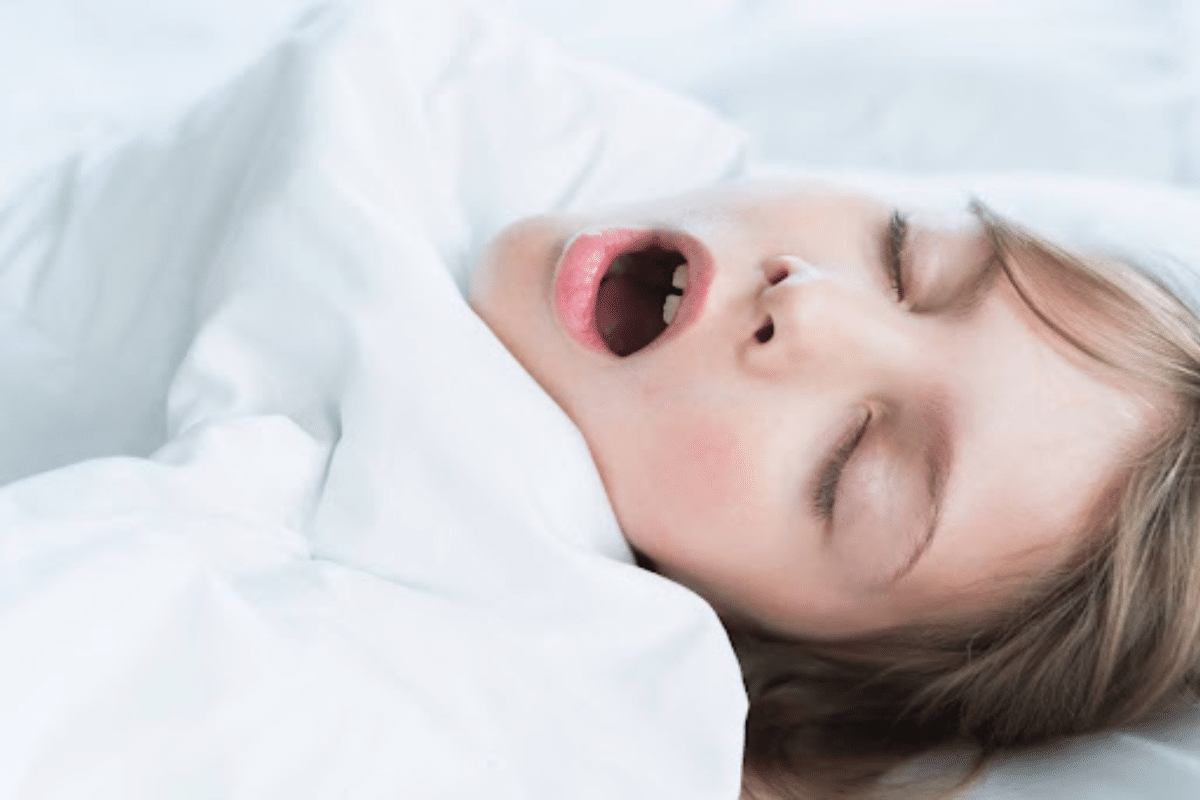
Kids with sleep apnea often breathe through their mouths. This can mean their noses are blocked or they have other breathing problems. Mouth breathing can cause dry mouth, bad breath, and harm their teeth. It’s a clue that sleep apnea might be a problem.
Poor Growth and Weight Changes
Sleep apnea can mess with a child’s growth and weight. Bad sleep can stop the body from growing right, leading to being too small or too heavy. Watching how a child grows is important for spotting sleep issues. Keep an eye out for any odd growth or weight changes.
|
Physical Sign |
Description |
Potential Implication |
|---|---|---|
|
Narrow Palate |
A high, narrow roof of the mouth |
Can contribute to breathing difficulties |
|
Enlarged Tonsils and Adenoids |
Large tonsils and adenoid tissue |
Can obstruct airway, leading to sleep apnea |
|
Mouth Breathing |
Breathing through the mouth instead of nose |
Can indicate nasal obstruction or respiratory issues |
|
Poor Growth or Obesity |
Unusual growth patterns or weight changes |
Can be related to sleep quality and sleep apnea |
Spotting these signs is the first step to finding and treating sleep apnea in kids. Finding it early is key to helping them get the care they need.
When to Seek Medical Attention for Sleep Apnea Symptoms
If you think your child might have sleep apnea, knowing when to get help is key. Sleep apnea can really affect a child’s life. Getting medical help early is very important.
Warning Signs That Require Immediate Care
Some symptoms need you to act fast. These include:
- Frequent pauses in breathing during sleep
- Loud snoring or gasping for air
- Restless sleep or unusual sleep positions
- Morning headaches or daytime sleepiness
- Difficulty concentrating or behavioral problems
If your child shows any of these signs, see a doctor right away. Early treatment can really help.
|
Symptom |
Description |
Action |
|---|---|---|
|
Breathing Pauses |
Frequent stops in breathing during sleep |
Consult a doctor immediately |
|
Loud Snoring |
Snoring that is persistent and loud |
Schedule a doctor visit |
|
Daytime Sleepiness |
Excessive tiredness during the day |
Discuss with a healthcare provider |
Preparing for Your Child’s Doctor Visit
Before the doctor’s visit, write down your child’s symptoms and sleep habits. This info is very helpful for the doctor.
Here’s what to do:
- Keep a sleep diary to track your child’s sleep patterns
- Note any symptoms, including their frequency and severity
- List any questions or concerns you have
Being ready can make the doctor visit more effective. It helps you remember important details.
Knowing when to get medical help and how to prepare for a doctor’s visit is important. It helps ensure your child gets the care they need.
Diagnosis and Treatment Options for Sleep Apnea in Children
Doctors use sleep studies, medical history, and physical exams to diagnose sleep apnea in kids. This method helps understand the severity and causes. It’s key for creating a good treatment plan.
Sleep Studies and Evaluation Process
Sleep studies, or polysomnography, are the top choice for diagnosing sleep apnea in kids. These studies track brain waves, muscle activity, and heart rate during sleep. Kids stay overnight at a sleep center for this.
Doctors also look at the child’s medical history and do a physical exam. They check for things like big tonsils or adenoids that might cause sleep apnea.
“The diagnosis of sleep apnea in children requires a complete evaluation. This includes sleep studies and a detailed medical check to find causes and plan treatment.” – American Academy of Sleep Medicine
Surgical Interventions
Surgery might be needed to treat sleep apnea in kids. The most common surgery is removing tonsils and adenoids. This helps clear the airway and improve breathing at night.
Other surgeries might be needed based on the child’s specific situation. For example, to fix facial problems or reduce nasal blockage.
|
Surgical Procedure |
Description |
Indications |
|---|---|---|
|
Tonsillectomy and Adenoidectomy |
Removal of tonsils and adenoids |
Enlarged tonsils and adenoids causing obstruction |
|
Craniofacial Surgery |
Correction of craniofacial abnormalities |
Craniofacial abnormalities contributing to sleep apnea |
Non-Surgical Treatments and Lifestyle Changes
Not all kids with sleep apnea need surgery. There are other ways to manage it. These include:
- Weight management for overweight or obese kids
- Using continuous positive airway pressure (CPAP) therapy
- Avoiding allergens and irritants that can make nasal congestion worse
- Sleeping on one’s side instead of back
Changing your lifestyle can also help. This includes setting a regular sleep schedule and making your sleep area comfortable.
Every child is different, and treatment plans are made just for them. By working with doctors, parents can help their kids manage sleep apnea. This improves their quality of life.
Conclusion: Long-Term Outlook for Children with Sleep Apnea
Early diagnosis and treatment can greatly improve a child’s future with sleep apnea. With the right care, kids can live healthy, normal lives. As a parent, it’s natural to worry, but with the right approach, your child can thrive.
The outlook for kids with sleep apnea is generally good with timely treatment. By tackling issues like big tonsils or obesity, we can lower risks of problems. Keeping up with care and monitoring is key to managing the condition well.
It’s vital to work closely with healthcare professionals to create a treatment plan for your child. This way, parents can help their kids overcome sleep apnea challenges. It ensures they have a healthy, fulfilling life ahead.
FAQ
What are the common signs of sleep apnea in children?
Signs include snoring and pauses in breathing during sleep. Children might also be restless or have bedwetting issues. Morning headaches and feeling tired during the day are common too.
Behavioral changes like being too active, mood swings, and trouble learning can also point to sleep apnea.
Can children have sleep apnea, and how common is it?
Yes, children can have sleep apnea. It’s a big health issue that affects many kids around the world. The exact number of children affected varies, but it’s a serious concern for their health and growth.
What causes sleep apnea in children?
Causes include big tonsils and adenoids, being overweight, and certain facial shapes. Other medical issues can also play a part. Knowing these causes helps find and help children at risk.
How is sleep apnea in children diagnosed?
Doctors use a sleep study to diagnose it. They also look at the child’s health history and do a physical check-up. They might check for other health problems too.
What are the treatment options for sleep apnea in children?
Treatments include surgery like removing tonsils and adenoids. Non-surgical options include using a CPAP machine. Changing lifestyle habits, like losing weight and sleeping in different positions, can also help.
How can parents prepare for their child’s doctor visit regarding sleep apnea symptoms?
Keep a detailed record of your child’s sleep and symptoms. Being well-informed helps you talk better with doctors.
What is the long-term outlook for children with sleep apnea?
Early diagnosis and treatment can greatly improve symptoms and health. Ongoing care is key for the best results.
Can sleep apnea in children lead to behavioral problems?
Yes, it can cause hyperactivity, mood swings, and learning issues. Treating sleep apnea is important for managing these problems.
Are there any specific signs of sleep apnea in toddlers and infants?
Toddlers and infants might show abnormal breathing, growth issues, and trouble feeding. Spotting these signs early is vital for treatment.
How does sleep apnea affect a child’s daily life and academic performance?
It can make kids very sleepy during the day, hard to focus, and do poorly in school. Managing sleep apnea is key to improving these areas.
References
National Health Service (NHS). Evidence-Based Medical Guidance. Retrieved from
https://www.nhs.uk/conditions/sleep-apnoea-children/