
Explore our cognitive disorders list. The best complete guide to understanding different mental conditions and vital symptoms.
Cognitive disorders are a big public health issue, affecting millions globally. It’s key to understand these conditions to help those affected.
Cognitive impairments come from many sources, like brain injuries or aging. These issues greatly affect a person’s life, independence, and social skills.
By looking into the different cognitive disorders, we can meet the needs of those affected. Our aim is to give a full overview, preparing for a deeper look at these conditions later.
Key Takeaways
- Cognitive disorders affect an estimated 28.5 million Americans.
- These conditions include a wide range of impairments, like intellectual disability and Alzheimer’s disease.
- It’s vital to understand cognitive disorders for early detection and support.
- Comprehensive care is key to improving life quality for those with cognitive impairments.
- We plan to dive deep into the various types of cognitive disorders.
What Are Cognitive Disorders?

Cognitive disorders are a wide range of conditions that affect how we think and learn. They can make everyday tasks hard by impairing memory, attention, and problem-solving skills.
Definition and Impact on Functioning
Cognitive disorders are conditions that severely affect an individual’s thinking and learning abilities. Without treatment, they make it impossible to function normally in society. These disorders can deeply impact a person’s ability to work, maintain relationships, and do daily tasks.
The World Health Organization says cognitive disorders are a big cause of disability globally. They affect not just the person but also their families and communities. This puts a big strain on healthcare and social services.
“Cognitive disorders are a significant public health challenge that requires a broad and detailed response to meet the complex needs of those affected.”
Prevalence in the United States
About 1 in 10 adults over 45 say they’re experiencing memory loss or cognitive decline. This shows how common and important cognitive disorders are in older adults.
|
Age Group |
Prevalence of Cognitive Decline |
|---|---|
|
45-59 years |
6.4% |
|
60-74 years |
11.4% |
|
75 years and older |
16.2% |
The high number of cognitive disorders shows we need more awareness, early diagnosis, and effective treatments. This will help those affected by these conditions.
Understanding cognitive disorders helps us tackle their challenges. We can improve the lives of those affected by these conditions.
Complete Cognitive Disorders List and Classification
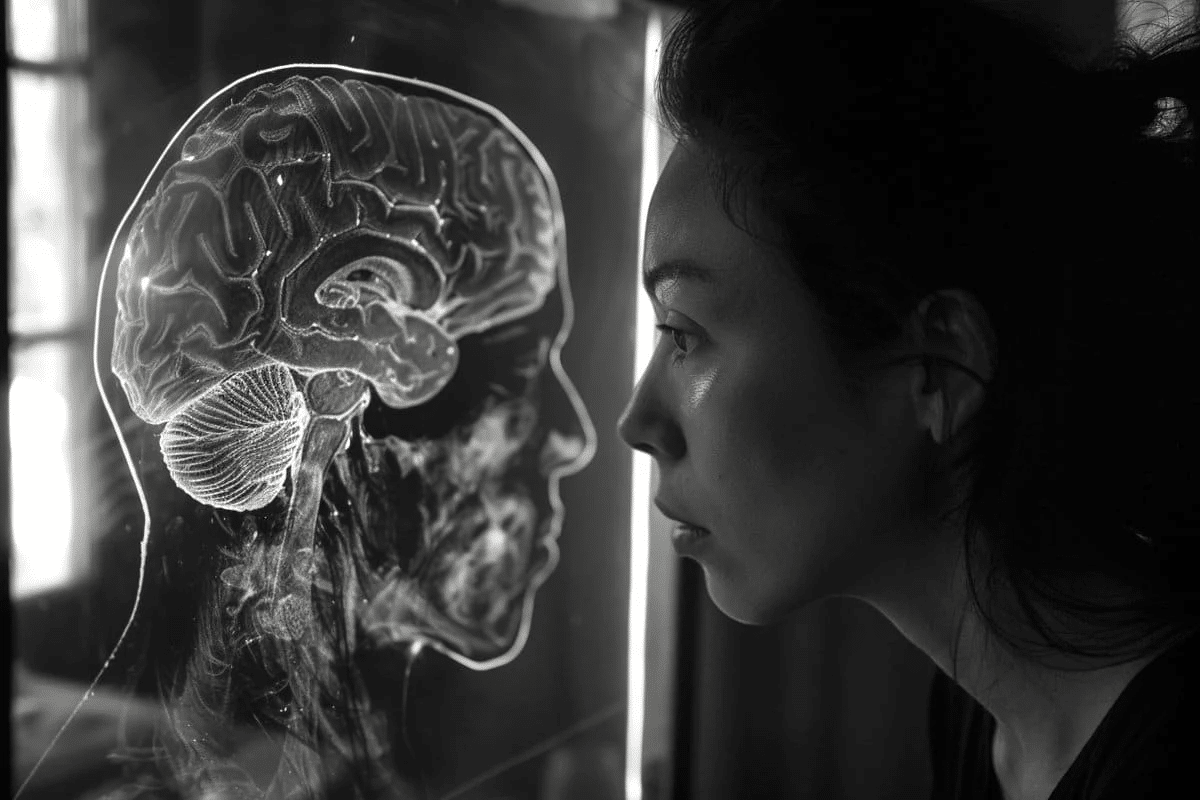
Understanding cognitive disorders means looking at their types, how they’re diagnosed, and what causes them. These disorders can be grouped based on their causes, symptoms, and how they progress.
Diagnostic Criteria and Categories
Diagnosing cognitive disorders involves checking how well someone can pay attention, remember, speak, and solve problems. The criteria for each disorder are different. But, they all point to a big drop in thinking skills that affects daily life.
There are several types of cognitive disorders. These include:
- Neurodevelopmental disorders, which show up in kids or teens
- Neurodegenerative disorders, caused by losing brain cells over time
- Substance-induced disorders, from using harmful substances
- Trauma and injury-related disorders, from brain injuries
Risk Factors and Common Causes
Many things can lead to cognitive disorders. These include genes, brain injuries, and substance use. Knowing these risks helps prevent and treat these disorders early.
Some common reasons for cognitive disorders are:
- Genetic mutations: Some genes can raise the risk of getting disorders like Alzheimer’s
- Traumatic brain injury: A bad head injury can hurt thinking skills, depending on the injury
- Substance abuse: Using substances for a long time can harm thinking and increase disorder risk
Healthcare experts can better diagnose and treat cognitive disorders by knowing their types, how they’re diagnosed, and what causes them.
Neurodevelopmental Cognitive Disorders
Neurodevelopmental disorders like intellectual disability and autism spectrum disorders affect how people think and live their daily lives. These conditions start during development and show up as big problems in thinking and acting.
Intellectual Disability
Intellectual disability is a disorder that makes it hard to think and act normally. People with it might struggle with talking, taking care of themselves, and getting along with others. Doctors figure out if someone has it by checking their thinking and how they act.
Key characteristics of intellectual disability include:
- Significant limitations in intellectual functioning
- Difficulties with adaptive behaviors such as communication and self-care
- Impaired social skills and interactions
Helping people with intellectual disability early on is very important. Special education and therapy can really help them live better lives and reach their goals.
Autism Spectrum Disorders
Autism spectrum disorders (ASD) are complex conditions that make it hard to talk and connect with others. People with ASD might also have odd habits or interests.
The diagnostic criteria for ASD include:
- Persistent deficits in social communication and interaction
- Restricted and repetitive patterns of behavior or interests
- Symptoms must be present in the early developmental period
Getting a diagnosis and starting treatment early is key for ASD. Therapy and education can really help improve their social and talking skills.
We understand how important it is to help people with neurodevelopmental disorders. With the right care and support, we can make their lives better and help them reach their dreams.
Neurodegenerative Cognitive Disorders
It’s important to understand neurodegenerative cognitive disorders to help those affected. These disorders cause a gradual loss of brain function. This loss affects the quality of life for patients and their families.
Alzheimer’s Disease
Alzheimer’s disease is the most common dementia in older adults. It slowly damages memory, thinking, and behavior. Early diagnosis is key to managing it well.
The symptoms include memory loss, confusion, and trouble with communication and problem-solving. As it gets worse, patients face significant brain and body function loss.
Vascular Dementia
Vascular dementia is the second most common dementia. It happens when blood flow to the brain is reduced, often due to stroke or small vessel disease. Controlling vascular risk factors is vital for prevention.
Symptoms vary based on brain area affected but often include planning and memory issues. The decline can happen suddenly after a stroke or gradually with small vessel disease.
Lewy Body Dementia
Lewy body dementia is marked by abnormal protein clumps in the brain. It shares symptoms with Alzheimer’s and Parkinson’s, like cognitive decline and visual hallucinations. Accurate diagnosis is essential for proper care.
Diagnosing Lewy body dementia is hard because its symptoms overlap with other diseases. Getting the right diagnosis is critical for the right support.
Managing these disorders needs a full approach, including medicine, lifestyle changes, and support for patients and caregivers. Knowing each disorder’s specifics is vital for effective care.
|
Disorder |
Primary Symptoms |
Key Management Strategies |
|---|---|---|
|
Alzheimer’s Disease |
Memory loss, confusion, communication difficulties |
Early diagnosis, medication, lifestyle changes |
|
Vascular Dementia |
Difficulties with planning, decision-making, memory |
Controlling vascular risk factors, rehabilitation |
|
Lewy Body Dementia |
Cognitive decline, visual hallucinations, fluctuations in alertness |
Accurate diagnosis, tailored medication, supportive care |
Trauma and Injury-Related Cognitive Disorders
Trauma and injury-related cognitive disorders affect many people worldwide. They impact quality of life and brain function. These conditions happen when the brain gets damaged by outside forces, causing cognitive, emotional, and behavioral issues.
Traumatic Brain Injury (TBI)
Traumatic Brain Injury (TBI) happens when the brain gets hurt by an outside force. This can be from falls, car accidents, sports injuries, or physical attacks. The severity of TBI can vary, affecting symptoms and outcomes differently.
Symptoms of TBI include:
- Memory loss and trouble concentrating
- Mood changes, like being irritable or depressed
- Physical symptoms like headaches and dizziness
- Sleep problems
Managing TBI involves medical treatment, rehabilitation, and support. Rehabilitation is vital for regaining brain and body functions.
Post-Stroke Cognitive Impairment
Post-stroke cognitive impairment happens when a stroke damages brain areas for thinking. The impact can vary, depending on the stroke’s location and severity.
Common symptoms are:
- Memory and learning problems
- Issues with attention and focus
- Language troubles, like aphasia
- Problems with planning and decision-making
Rehabilitation is essential for managing post-stroke cognitive impairment. It involves cognitive training, speech therapy, and occupational therapy to help daily life.
“Rehabilitation after a stroke or TBI is not just about recovering lost functions; it’s about adapting to new challenges and improving the quality of life.” – Expert in Neurorehabilitation
Understanding trauma and injury-related cognitive disorders helps us support those affected. We can provide the care and resources needed for recovery.
Substance-Induced Cognitive Disorders
Substances like alcohol and drugs can harm our brains, leading to cognitive disorders. These disorders cause problems with thinking and behavior. They happen when people use or misuse substances.
These disorders vary based on the substance, how long it’s used, and the person’s health. We’ll look at two main types: alcohol-related neurocognitive disorder and drug-induced cognitive impairment.
Alcohol-Related Neurocognitive Disorder
Chronic alcohol use can cause neurocognitive disorder. It affects memory, learning, and thinking skills. The disorder can range from mild to severe.
Key Features:
- Dose-dependent effects: The brain’s damage depends on how much and for how long alcohol is used.
- Reversibility: Stopping or reducing alcohol use can sometimes improve brain function.
- Comorbid conditions: It often happens with other health problems related to alcohol.
Drug-Induced Cognitive Impairment
Using drugs can also harm brain function. This includes prescription and illegal drugs. The effects on the brain vary by drug and individual.
Common Drugs Associated with Cognitive Impairment:
- Benzodiazepines: Can cause memory and concentration problems.
- Opioids: May lead to difficulties in attention and memory.
- Cannabinoids: Can affect memory and executive function.
It’s important to know how substances affect our brains. This helps doctors diagnose and treat these issues. Below is a comparison of alcohol-related neurocognitive disorder and drug-induced cognitive impairment.
|
Characteristics |
Alcohol-Related Neurocognitive Disorder |
Drug-Induced Cognitive Impairment |
|---|---|---|
|
Primary Cause |
Chronic alcohol consumption |
Use of various drugs (prescription, illicit, etc.) |
|
Cognitive Deficits |
Memory, learning, executive function |
Varies by drug; memory, attention, executive function |
|
Reversibility |
Possible with abstinence |
Possible with cessation of drug use |
In conclusion, substance-induced cognitive disorders are serious issues. They affect how we think and behave. Understanding and managing these disorders is key to helping those affected.
Psychiatric Conditions with Cognitive Symptoms
Psychiatric conditions and cognitive function are closely linked. Disorders like schizophrenia and major depressive disorder pose big challenges. These conditions can deeply affect a person’s life, from personal to professional areas.
Cognitive Dysfunction in Schizophrenia
Schizophrenia brings cognitive problems, like trouble with attention, memory, and making decisions. These issues can be as hard to deal with as the disorder’s well-known symptoms, like hearing voices or seeing things that aren’t there. They make it hard for people to live their daily lives.
These cognitive problems are not just side effects of schizophrenia. They are a key part of the disorder that needs special attention. Studies show that certain therapies can help improve thinking skills in people with schizophrenia.
Cognitive Impairment in Major Depressive Disorder
Major depressive disorder (MDD) also has cognitive symptoms. People with MDD might struggle with focusing, remembering things, and making choices. These problems can make everyday life and overall happiness harder.
The thinking problems in MDD are not always seen right away. The emotional signs, like feeling sad or not caring about things, are often noticed first. But, it’s important to address the thinking issues too. This helps with sticking to treatment and getting better.
It’s key to understand how psychiatric conditions like schizophrenia and MDD affect thinking. By recognizing this connection, doctors can give better care. This can lead to better results for those dealing with these conditions.
Less Common Types of Cognitive Disorders
There are cognitive disorders that are not as well-known but are just as important. These conditions affect many people and their families deeply.
Huntington’s Disease
Huntington’s disease is a genetic disorder that damages the brain over time. It causes problems with thinking, movement, and mood. It’s passed down in families, meaning just one copy of the mutated gene can cause it.
People with Huntington’s may struggle with memory, making decisions, and focusing. As it gets worse, daily tasks become very hard.
Creutzfeldt-Jakob Disease
Creutzfeldt-Jakob disease (CJD) is a rare brain disorder caused by a misfolded protein. It quickly leads to memory loss, changes in personality, and motor problems.
Diagnosing CJD is hard and often involves several tests. There’s no cure, but doctors try to make symptoms more manageable.
Frontotemporal Dementia
Frontotemporal dementia (FTD) is a group of disorders that damage the brain’s frontal and temporal lobes. This causes big changes in personality, behavior, and how people speak.
FTD has different types, like the behavioral variant and primary progressive aphasia. The behavioral variant changes how people act and feel, while primary progressive aphasia affects their language skills.
It’s key to understand these rare cognitive disorders to help those affected and their families. Getting the right diagnosis and care can greatly improve their lives.
|
Disease |
Primary Symptoms |
Diagnostic Challenges |
|---|---|---|
|
Huntington’s Disease |
Cognitive decline, motor dysfunction, psychiatric symptoms |
Genetic testing, clinical evaluation |
|
Creutzfeldt-Jakob Disease |
Rapid cognitive decline, memory loss, personality changes |
Clinical evaluation, imaging, laboratory tests |
|
Frontotemporal Dementia |
Personality changes, behavioral changes, language difficulties |
Clinical evaluation, imaging studies |
Diagnosis and Treatment Approaches
Understanding how to diagnose and treat cognitive disorders is key to good care. These disorders cover a wide range, each needing a unique approach to diagnosis and treatment.
Assessment Methods and Tools
Diagnosing cognitive disorders starts with a thorough assessment. This includes clinical evaluation, neuropsychological testing, and imaging studies. Clinical evaluation gives us a first look at the patient’s condition. Neuropsychological testing gives detailed info on cognitive functions.
Imaging studies like MRI or CT scans show brain structure issues. We use these tools to find the cause of cognitive problems and plan treatment.
|
Assessment Method |
Description |
Purpose |
|---|---|---|
|
Clinical Evaluation |
Initial patient assessment |
Identify symptoms and medical history |
|
Neuropsychological Testing |
Detailed cognitive function tests |
Assess cognitive strengths and weaknesses |
|
Imaging Studies |
MRI or CT scans |
Identify structural brain abnormalities |
Evidence-Based Interventions
Evidence-based treatments like cognitive rehabilitation and pharmacological treatments are vital. Cognitive rehabilitation aims to boost cognitive function with specific exercises and strategies.
“Cognitive rehabilitation has been shown to significantly improve cognitive function in individuals with cognitive disorders.” – A leading researcher in cognitive rehabilitation
Pharmacological treatments help manage symptoms of cognitive disorders. We customize these treatments to meet each patient’s needs, ensuring the best management of their condition.
By using assessment methods and evidence-based treatments, we offer full care for those with cognitive disorders. Our goal is to improve patient outcomes and enhance their quality of life.
Conclusion
Cognitive disorders are a big health issue, affecting millions around the world. Understanding these disorders helps us support those who face them. This support is key for individuals and their families.
Looking at cognitive disorders, we see how complex and varied they are. They include neurodevelopmental, neurodegenerative, and trauma-related issues. Knowing how to diagnose and treat them is essential.
Dealing with cognitive disorders needs a team effort. We must use proven treatments and offer support services. By doing this, we can make a difference in people’s lives. This helps create a more supportive community for everyone.
In summary, we need to keep learning and researching about cognitive disorders. Our goal is to provide top-notch healthcare and support. This is for the benefit of those affected by these conditions and their families.
FAQ
What are cognitive disorders?
Cognitive disorders affect how we think, remember, and pay attention. They can come from genetics, injury, or disease.
What are the most common types of cognitive disorders?
Common ones include Alzheimer’s disease and vascular dementia. Traumatic brain injury and substance-induced disorders are also common. Neurodevelopmental disorders like intellectual disability and autism are significant too.
What are the symptoms of cognitive disorders?
Symptoms vary by disorder. They can include memory loss, trouble solving problems, and mood changes.
How are cognitive disorders diagnosed?
Doctors use a detailed evaluation to diagnose. This includes medical history, physical exams, and tests. They also use specific criteria to identify conditions.
What are the risk factors for cognitive disorders?
Risk factors include age and genetics. Lifestyle choices like smoking and lack of exercise also play a role. Medical conditions and brain injuries are other risks.
Can cognitive disorders be treated?
Some disorders can’t be reversed, but treatments can help. These include medicines, training, and lifestyle changes.
What is the difference between neurodevelopmental and neurodegenerative cognitive disorders?
Neurodevelopmental disorders start early in life and are linked to development. Neurodegenerative disorders, like Alzheimer’s, start later and are due to brain cell loss.
How do substance-induced cognitive disorders occur?
These disorders happen from substance use or abuse. It can harm brain function and cause cognitive problems.
Can psychiatric conditions cause cognitive symptoms?
Yes, conditions like schizophrenia and major depressive disorder can cause cognitive issues. This includes problems with attention and memory.
What are some less common types of cognitive disorders?
Less common ones include Huntington’s disease and Creutzfeldt-Jakob disease. They have unique symptoms and need special care.
How can individuals with cognitive disorders receive support?
Support comes from a team of healthcare professionals and caregivers. It includes medical care, training, and lifestyle changes. Emotional and practical help is also important.
What is the importance of early intervention for cognitive disorders?
Early intervention is key. It helps manage symptoms, slow disease, and improve life quality. It also helps families cope with the condition.
Reference
National Center for Biotechnology Information. Evidence-Based Medical Guidance. Retrieved from https://pubmed.ncbi.nlm.nih.gov/25404182/