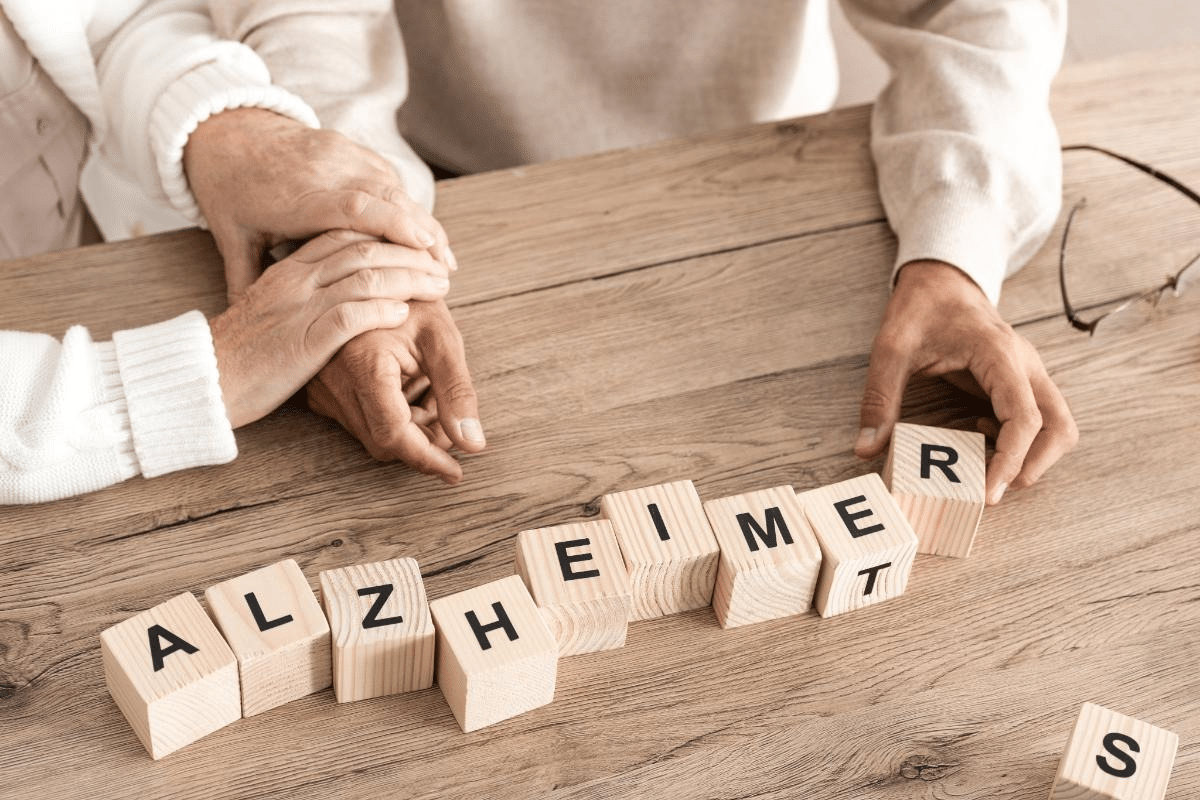
Is cognitive memory loss affecting you? Learn the best recovery strategies and vital treatments to improve your recall abilities.
Are you worried about forgetting things or having trouble focusing? Mild Cognitive Impairment (MCI) affects millions worldwide. It’s a key stage between normal aging and dementia.
It’s important to understand MCI and how it can lead to Alzheimer’s disease. About 1 in 5 adults over 50 have MCI globally. Spotting early signs and getting a professional check-up can greatly improve your brain health.
Key Takeaways
- MCI is a condition with more cognitive decline than expected for age and education level.
- It’s not dementia but a stage between normal aging and severe cognitive decline.
- Knowing about MCI is key for early detection and managing Alzheimer’s disease.
- Approximately 1 in 5 adults over 50 have MCI worldwide.
- Spotting early signs and getting a professional check-up can greatly improve brain health.
Defining Mild Cognitive Impairment (MCI)

Mild Cognitive Impairment (MCI) is a stage between normal aging and dementia. It’s important to spot MCI early to slow down cognitive decline. This could prevent more serious problems later on.
The Spectrum of Cognitive Health
Cognitive health ranges from normal to dementia. MCI is in the middle, showing a decline in abilities but not too much to affect daily life. MCI is not a normal part of aging, but age increases the risk.
Many things can affect cognitive health, like genetics, lifestyle, and health conditions. MCI shows up differently in everyone, making it hard to diagnose and understand.
How MCI Differs from Normal Aging
Normal aging brings some cognitive decline, but MCI is more noticeable. It affects memory and thinking more than normal aging. People with MCI might forget recent things, struggle to learn new stuff, or have trouble with complex tasks.
These issues are not as bad as dementia but worse than normal aging.
MCI vs. Dementia: Key Distinctions
MCI and dementia are different. MCI doesn’t severely affect daily life, and people can usually stay independent. They can handle daily tasks on their own.
Dementia, on the other hand, causes a big drop in thinking skills. It makes daily life hard and requires help with everyday tasks. Knowing the difference is key for the right diagnosis and care.
The Prevalence of MCI Worldwide

As the world’s population ages, Mild Cognitive Impairment (MCI) is becoming a big public health issue. MCI is when you notice your thinking isn’t as sharp as it used to be, but it doesn’t stop you from living your daily life. It’s a middle ground between normal aging and dementia.
Knowing how common MCI is helps plan for healthcare needs. Studies say about 15.56% to 19.7% of adults over 50 in the community have MCI. This number goes up a lot as people get older.
Global Statistics and Demographics
The amount of MCI worldwide changes based on who you are and where you live. It’s more common in older people, with a big jump after 65.
Key factors that affect MCI include:
- Age: The older you get, the more likely you are to get MCI.
- Education: People with less education are at higher risk.
- Lifestyle: A sedentary lifestyle and other choices can also play a part.
Age-Related Incidence Rates
The chance of getting MCI goes up a lot with age. Research shows MCI affects about 6.7% of people aged 60-64. But for those 80 and older, it’s over 25%.
|
Age Group |
MCI Prevalence (%) |
|---|---|
|
60-64 |
6.7 |
|
65-69 |
10.3 |
|
70-74 |
15.6 |
|
75-79 |
20.2 |
|
80+ |
25.4 |
MCI in the United States
In the U.S., about 22.7% of people over 50 have MCI. This means millions of people might have MCI, showing the need for awareness and help.
The effect of MCI on people and healthcare systems shows we need more research. We need to understand its causes, risk factors, and how to help.
Types of Mild Cognitive Impairment
MCI is not just one thing. It’s a range of cognitive changes. Knowing the different types helps us understand its effects and how to manage it.
Amnestic MCI: Memory-Related Concerns
Amnestic MCI mainly affects memory. People with this type might forget recent things, have trouble learning new stuff, or forget names and words. Memory problems are key in amnestic MCI, making daily life hard.
Non-Amnestic MCI: Beyond Memory Issues
Non-amnestic MCI affects other areas like thinking, language, or seeing things. Those with it might find it hard to solve problems, follow instructions, or understand complex visuals. This shows how MCI can affect people in different ways.
Single vs. Multiple Domain MCI
MCI can also be split by how many areas of thinking are affected. Single domain MCI means just one area is off, while multiple domain MCI means more than one. For example, someone with single domain amnestic MCI might only have memory issues. But someone with multiple domain MCI could have problems with memory and language.
It’s key for doctors to know these types to give the right diagnosis and support. By understanding each type’s unique traits, doctors can make better plans to help each person.
Recognizing Cognitive Memory Loss: Signs and Symptoms
Cognitive memory loss shows up in different ways. It’s key to spot the signs and symptoms of Mild Cognitive Impairment (MCI). As we get older, some memory slips are normal. But MCI is a bigger drop in thinking skills that worries people and their families.
Early Warning Signs of MCI
Some early signs of MCI include:
- Frequently losing items such as keys or glasses
- Forgetting important events or appointments
- Struggling to come up with the right words
- Repeating questions or statements
- Difficulty with managing finances or paying bills
Family and friends often see these changes first. It’s important to notice these signs and take them seriously.
When to Seek Medical Attention
If you or someone you know is showing several of these symptoms, get medical help. A doctor can check things out and guide you. Catching MCI early can help manage it and slow it down.
When you see a doctor, they might do tests to check your thinking skills. They’ll look at memory, language, and solving problems. They’ll also ask about your daily life and any mood changes.
Distinguishing MCI Symptoms from Normal Forgetfulness
Telling MCI symptoms from normal forgetfulness is hard. Normal aging brings some forgetfulness, but MCI is more serious. It affects daily life more.
|
Normal Forgetfulness |
MCI Symptoms |
|---|---|
|
Forgetting where you placed an item, but recalling it later |
Frequently losing items and unable to recall where they were last seen |
|
Occasionally forgetting a word or name |
Struggling to find the right words or using descriptive phrases instead |
|
Forgetting an appointment, but remembering it later |
Repeatedly forgetting important events or appointments |
Knowing the difference between normal aging and MCI is key for the right care. If you’re worried about memory loss, talk to a doctor.
The Connection Between MCI and Alzheimer’s Disease
MCI is often seen as a step before Alzheimer’s disease. But, their connection is not simple. While not all with MCI will get Alzheimer’s, they face a higher risk.
Risk Factor for Alzheimer’s
Those with MCI are more likely to get Alzheimer’s or another dementia. Studies show that about one to two out of 10 people over 65 with MCI might get dementia in a year. This risk makes it key to watch and manage MCI closely.
“The identification of MCI as a risk factor for Alzheimer’s disease represents a critical step in the early detection and potentially intervening in Alzheimer’s.”
Progression Rates from MCI to Alzheimer’s
How fast MCI turns into Alzheimer’s varies. Studies show that more people with MCI than without it will get Alzheimer’s each year. This speed can depend on age, health, and how well the brain can handle stress.
|
Population |
Annual Conversion Rate to Alzheimer’s |
|---|---|
|
65+ years with MCI |
10-20% |
|
65+ years without MCI |
1-3% |
Biomarkers and Predictive Factors
Medical research has found biomarkers and factors that show who might get Alzheimer’s from MCI. These include amyloid-beta plaques, tau protein tangles, and signs of brain damage. Knowing these can help make treatments more effective.
Key Biomarkers:
- Amyloid-beta plaques
- Tau protein tangles
- Neurodegeneration markers
By finding out who with MCI is most at risk, doctors can tailor care plans. This might help slow or delay Alzheimer’s.
Diagnosing Mild Cognitive Impairment
To diagnose MCI, doctors use many tools and methods. They check for cognitive decline. “Early diagnosis is key for timely help,” say neurology studies.
Clinical Assessment Procedures
The first step is a detailed clinical assessment. This involves talking to the person and their family about any cognitive changes. It helps us understand their cognitive status.
Key parts of the clinical assessment are:
- Looking at the person’s medical history for any conditions that might affect their mind
- Doing a physical check for signs of neurological problems
- Talking to the person and their family to learn about the cognitive changes
Cognitive Testing and Neuropsychological Evaluation
Cognitive testing is a big part of diagnosing MCI. It uses tests to check memory, language, and problem-solving skills. Neuropsychological evaluations give a detailed look at cognitive functions. They help find out where the problems are.
Some common cognitive tests are:
- The Mini-Mental State Examination (MMSE) to check overall brain function
- The Montreal Cognitive Assessment (MoCA) for a detailed look at different brain areas
Experts say, “Neuropsychological testing can tell the difference between normal aging and MCI. It can also tell the difference between MCI and dementia.”
Brain Imaging and Laboratory Tests
Brain imaging like MRI or CT scans might be used. They help find out if other things like tumors or stroke are causing the cognitive decline. Lab tests can find out if things like vitamin deficiencies or thyroid problems are causing the problem.
|
Test Type |
Purpose |
|---|---|
|
Brain Imaging (MRI, CT) |
To rule out structural causes of cognitive decline |
|
Laboratory Tests (Blood Work) |
To identify reversible causes of cognitive impairment |
By using clinical assessments, cognitive testing, and diagnostic tests, we can accurately diagnose MCI. Then, we can make a plan for management and support.
Treatment Approaches for MCI
There’s no single treatment for MCI, but several methods can help manage its symptoms. We’ll look at treatments like medications, cognitive therapy, and lifestyle changes. These are recommended for those with MCI.
Medication Options and Limitations
Right now, there are no medicines just for MCI. Doctors might give out drugs used for Alzheimer’s or other conditions. This is to help with symptoms or other health problems. For example, cholinesterase inhibitors are sometimes given, but their effect on MCI is being studied.
Table 1: Common Medications Used in MCI Treatment
|
Medication Type |
Example |
Purpose |
|---|---|---|
|
Cholinesterase inhibitors |
Donepezil |
Manage cognitive symptoms |
|
Memantine |
Namenda |
Slow cognitive decline |
|
Antidepressants |
Sertraline |
Address depressive symptoms |
Cognitive Rehabilitation Strategies
Cognitive rehab aims to boost cognitive skills and daily living abilities. It includes:
- Cognitive training programs for memory, attention, and problem-solving
- Techniques to help with daily tasks
- Technology like reminders and calendars for memory aid
Experts say, “Cognitive rehab can be customized to meet individual needs. It helps with daily tasks and keeps people independent.”
“Rehab strategies work best when they fit the person’s life and needs.”
Lifestyle Interventions
Changing your lifestyle is key in managing MCI. We suggest:
- Regular exercise for heart health
- Eating a balanced diet, like the Mediterranean diet, full of fruits, veggies, and omega-3s
- Staying socially active for mental health
- Doing activities that challenge the mind
By making these lifestyle changes and working with healthcare, people with MCI can slow symptom progression. This can also improve their life quality.
Preventing Cognitive Decline: Evidence-Based Strategies
There are ways to prevent or slow down cognitive decline. As we learn more about what affects our brains, we can make plans to keep our minds sharp as we get older.
Modifiable Risk Factors
Managing risk factors is key to avoiding cognitive decline. Conditions like diabetes and high blood pressure can harm our brains. By controlling these with medicine, lifestyle changes, and check-ups, we can lower our risk.
Other risks include obesity and smoking. Eating right and exercising can help keep our weight healthy and support our brains. Quitting smoking also helps our brain health.
Brain-Healthy Lifestyle Choices
Choosing a brain-healthy lifestyle is essential. Regular exercise boosts brain function and lowers dementia risk. It keeps blood flowing to the brain.
Eating a balanced diet full of fruits, veggies, and omega-3s is good for the brain. The Mediterranean diet, for example, can help prevent cognitive decline. Staying mentally active through reading, puzzles, and learning new things also helps keep our minds sharp.
The Role of Social Engagement and Mental Activity
Social engagement and mental activity are important for preventing cognitive decline. Staying socially connected through community activities, volunteering, or keeping in touch with loved ones is good for our brains.
Doing mentally stimulating activities challenges our brains and builds cognitive reserve. This can include learning a new language, playing a musical instrument, or doing cognitive training programs. Combining social activities with mental challenges helps us keep our brains healthy.
Conclusion: Living with MCI and Planning for the Future
Getting a Mild Cognitive Impairment (MCI) diagnosis can be tough. But, with the right support and lifestyle changes, people can manage it well. We’ve covered what MCI is, how common it is, its types, and how it’s diagnosed.
Managing MCI means getting ongoing medical care, using cognitive rehab, and making lifestyle changes. Knowing about MCI helps people take steps to control their symptoms and live better.
It’s key to plan for the future with MCI. This means making smart choices about health, money, and social support. Having a strong support system is vital for dealing with MCI’s challenges.
By living a brain-healthy life, staying connected, and keeping your mind active, you can slow down MCI’s effects. We’re dedicated to top-notch healthcare and support for those with MCI. We aim to help them plan for the future and manage their condition well.
FAQ
What is Mild Cognitive Impairment (MCI)?
MCI affects memory and thinking skills. It’s a stage between normal aging and more serious cognitive decline.
How does MCI differ from normal aging?
Normal aging means some thinking skills decline. But MCI shows more memory and thinking problems. These issues are noticeable but don’t stop daily life.
What are the key distinctions between MCI and dementia?
MCI lets people stay independent. Dementia makes daily tasks hard.
What are the symptoms of MCI?
Symptoms include memory loss and trouble solving problems. These issues are more than normal aging.
Is MCI a risk factor for Alzheimer’s disease?
Yes, MCI increases the risk of Alzheimer’s. People with MCI are more likely to get Alzheimer’s.
How is MCI diagnosed?
Diagnosing MCI involves many steps. This includes clinical checks, cognitive tests, and brain scans.
What are the treatment approaches for MCI?
Treatments include medicines and cognitive therapy. Lifestyle changes also help manage symptoms and slow decline.
Can MCI be prevented?
Preventing MCI is not guaranteed. But, healthy lifestyle choices and mental activities can lower the risk of cognitive decline.
What is the difference between amnestic and non-amnestic MCI?
Amnestic MCI mainly affects memory. Non-amnestic MCI impacts other thinking skills, like problem-solving or language.
How does age affect the incidence of MCI?
MCI becomes more common with age. Older adults are more likely to experience cognitive decline.
What is the prevalence of MCI worldwide?
MCI affects a large part of the global population. The rate varies by demographics and region.
Reference
Government Health Resource. Evidence-Based Medical Guidance. Retrieved from https://www.alzint.org/u/WorldAlzheimerReport2015.pdf