
Compare common cold vs bronchitis symptoms. Learn the vital differences in cough duration and fever to seek appropriate care.
When a cough lasts longer than expected, it’s hard to tell if it’s just a cold or something worse. Knowing the difference between a cold, bronchitis, and pneumonia is key to getting the right care.
A cold can make your lower airways more open to viruses and bacteria. This raises the chance of getting bronchitis or pneumonia. Spotting the signs of these conditions early can help you get the right treatment.
We’ll help you understand the symptoms and treatments for bronchitis and pneumonia. This way, you can make better choices for your health.
Key Takeaways
- Distinguishing between a cold, bronchitis, and pneumonia is vital for proper treatment.
- A lingering cough can be a sign of a more serious underlying condition.
- Upper airway infections can increase the risk of developing bronchitis or pneumonia.
- Recognizing the warning signs of these conditions can help you seek the right treatment.
- Understanding the symptoms and treatment options can empower you to make informed decisions about your health.
Understanding the Common Cold
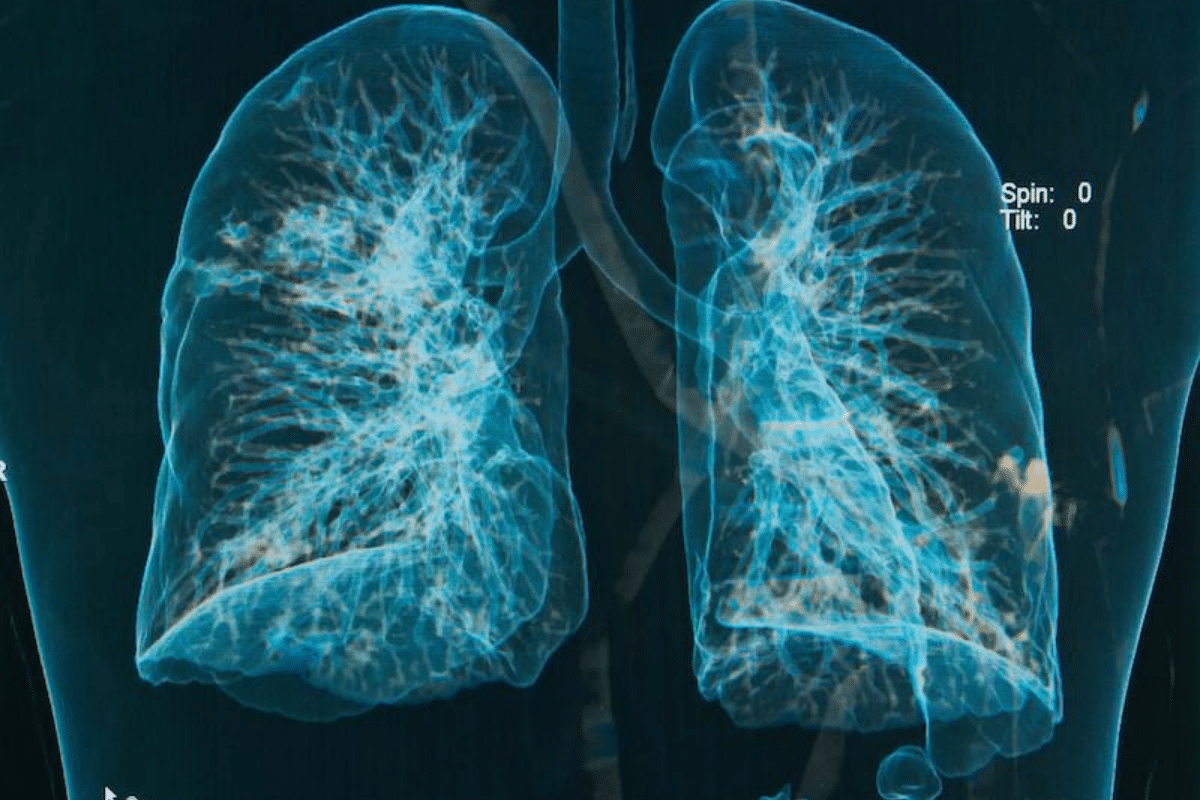
It’s important to know the difference between a common cold and more serious illnesses like bronchitis or pneumonia. The common cold is a viral infection that hits the upper respiratory tract. It causes mild to moderate symptoms.
Causes of the Common Cold
Rhinoviruses are the main cause of the common cold. Other viruses like coronaviruses, adenoviruses, and RSV can also trigger cold symptoms. These viruses spread easily through:
- Airborne droplets when an infected person coughs or sneezes
- Close contact with someone who has a cold
- Touching contaminated surfaces and then touching one’s face
Typical Cold Symptoms
Symptoms of the common cold vary but often include:
|
Symptom |
Description |
Severity |
|---|---|---|
|
Runny or Stuffy Nose |
Nasal congestion or discharge |
Mild to Moderate |
|
Sneezing |
Frequent sneezing due to nasal irritation |
Mild |
|
Mild Cough |
A dry or slightly productive cough |
Mild to Moderate |
|
Sore Throat |
Discomfort or pain in the throat |
Mild |
|
Low-Grade Fever |
Slightly elevated body temperature |
Mild |
Symptoms usually start 1 to 3 days after getting infected. They can last from a few days to a couple of weeks.
Normal Duration and Progression
The common cold usually gets better on its own. Most people feel better in 7 to 10 days. But, coughing can last up to 2 to 3 weeks.
It’s key to watch your symptoms and see a doctor if they get worse. Look out for signs like trouble breathing, chest pain, or severe headaches. Knowing how a cold usually progresses helps spot when something more serious might be happening.
The Common Cold vs Bronchitis: Key Differences
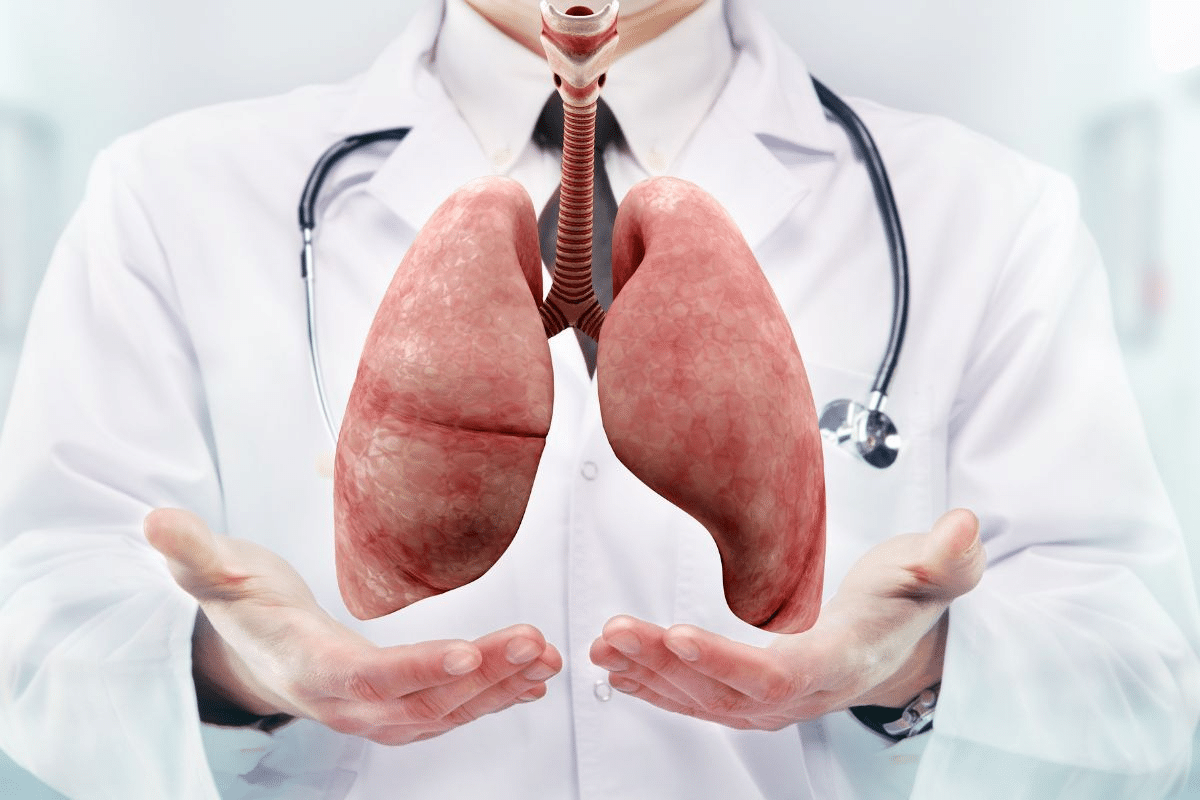
It’s important to know the difference between a common cold and bronchitis. Both affect the respiratory system but in different ways. Knowing this helps you take care of yourself and know when to see a doctor.
Anatomical Differences: Upper vs Lower Respiratory Tract
The common cold hits the upper respiratory tract, like the nose, throat, and sinuses. Bronchitis, on the other hand, affects the lower respiratory tract. This includes the bronchial tubes that lead to the lungs. This difference leads to different symptoms and how severe they are.
Symptom Comparison Chart
Let’s look at how the common cold and bronchitis differ in symptoms:
|
Symptom |
Common Cold |
Bronchitis |
|---|---|---|
|
Cough |
Mild, dry |
Persistent, with mucus production |
|
Fever |
Rare, low-grade |
Mild to moderate |
|
Fatigue |
Mild |
Moderate to severe |
|
Mucus Production |
Minimal |
Significant, often yellow or green |
Duration Differences
The common cold usually lasts 7 to 14 days. Symptoms often go away on their own. Bronchitis, though, can last weeks, with coughs lasting up to 6 weeks or more. This is because bronchitis causes inflammation in the bronchial tubes, which takes time to heal.
Knowing these differences helps you figure out if you need to see a doctor. If your symptoms don’t get better or get worse, it’s time to get medical help. A doctor can give you the right diagnosis and treatment.
Warning Signs Your Cold Has Turned Into Bronchitis
Understanding when a cold has turned into bronchitis is key for getting the right treatment. Bronchitis often starts with a viral infection that lasts 10 to 14 days. Some symptoms can stick around for up to three weeks.
Persistent Cough With Mucus Production
A persistent cough with lots of mucus is a big sign of bronchitis. This cough starts dry but then brings up yellow or green mucus. This mucus means the infection has reached the lower airways.
Chest Discomfort and Mild Fever
Chest discomfort or tightness is another warning sign. It can be mild or severe. A mild fever, under 102°F (39°C), often comes with it. These symptoms mean the infection is affecting the bronchial tubes.
Fatigue That Worsens After Initial Improvement
Fatigue is common in both colds and bronchitis. But in bronchitis, it gets worse after it seems to get better. This, along with a persistent cough and chest discomfort, shows a cold has turned into bronchitis.
It’s important to know these signs and see a doctor if you have them. A persistent cough, chest discomfort, and worsening fatigue need medical attention. A healthcare professional can diagnose and treat bronchitis properly.
Understanding Bronchitis in Depth
To fully understand bronchitis, we need to look at its types, causes, and risk factors. Bronchitis affects the bronchial tubes, which carry air to the lungs. It’s known for a long-lasting cough and can be either short-term or long-term.
Acute vs Chronic Bronchitis
Acute bronchitis comes from a viral infection and has a cough that brings up mucus. It often starts after a cold or flu and can last weeks. Chronic bronchitis, on the other hand, is linked to smoking or long-term exposure to harmful substances. It’s a serious form of COPD that causes ongoing breathing issues.
Knowing the difference between acute and chronic bronchitis is key. Acute bronchitis might get better on its own, but chronic bronchitis needs ongoing care to manage symptoms and prevent worse problems.
Common Causes of Bronchitis
Bronchitis can be caused by many things, like viruses, bacteria, and environmental irritants. The main causes include:
- Viruses that cause the common cold or flu
- Bacterial infections
- Smoking or exposure to secondhand smoke
- Air pollution and chemical fumes
- Gastroesophageal reflux disease (GERD)
Risk Factors for Developing Bronchitis
Some people are more likely to get bronchitis, including:
|
Risk Factor |
Description |
|---|---|
|
Smoking |
Smokers are more likely to develop chronic bronchitis due to the constant irritation of the bronchial tubes. |
|
Age |
Older adults are more susceptible to bronchitis due to decreased lung function and immunity. |
|
Environmental Exposure |
People exposed to pollutants, dust, or chemical fumes are at higher risk. |
|
Weakened Immune System |
Individuals with compromised immune systems, such as those with chronic illnesses or undergoing chemotherapy, are more prone to infections like bronchitis. |
By knowing these risk factors and causes, we can take steps to avoid bronchitis. This includes not smoking, staying away from pollutants, and keeping good hygiene to prevent infections.
When a Respiratory Infection Becomes Pneumonia
Pneumonia is a serious lung infection that can come from other respiratory infections. It’s important to watch out for it. We’ll look at how pneumonia starts, its types, and who’s most at risk.
Development of Pneumonia
Pneumonia happens when a lung infection reaches the air sacs (alveoli). This can happen if the body’s defenses are down or the infection is strong. The alveoli get inflamed, filling with fluid or pus, which makes it hard to breathe.
Doctors say pneumonia is a big problem worldwide. It’s a big worry for the elderly and young kids. This shows why catching it early and treating it fast is key.
Types of Pneumonia
Pneumonia is divided into three types based on what causes it: bacterial, viral, and fungal.
- Bacterial Pneumonia: Caused by bacteria like Streptococcus pneumoniae, it’s often serious and needs antibiotics.
- Viral Pneumonia: Caused by viruses, like the flu, it’s usually milder but can be serious for some.
- Fungal Pneumonia: Caused by fungi, it’s more common in people with weak immune systems.
|
Type of Pneumonia |
Cause |
Commonly Affected |
|---|---|---|
|
Bacterial |
Streptococcus pneumoniae |
All ages, but more severe in elderly |
|
Viral |
Influenza virus, RSV |
Children, elderly, and those with chronic conditions |
|
Fungal |
Pneumocystis jirovecii |
Immunocompromised individuals |
High-Risk Groups for Pneumonia
Some groups are more likely to get pneumonia and have worse symptoms. These include:
- Older adults (65 years and above)
- Young children (under 5 years)
- People with chronic medical conditions (heart disease, diabetes, etc.)
- Individuals with weakened immune systems (HIV/AIDS, undergoing chemotherapy)
“Older adults are not only at higher risk of developing pneumonia, but they are also more likely to experience severe complications.”— CDC
Knowing who’s at risk helps in taking steps to prevent it and getting medical help quickly when needed.
Critical Signs That Indicate Pneumonia
When a cold or bronchitis gets worse, it’s important to know the signs of pneumonia. Pneumonia is a serious lung infection that can fill the air sacs with fluid. Knowing the warning signs is key for quick medical help.
High Fever and Severe Chills
A high fever and severe chills are key signs of pneumonia. These symptoms are more common in young people and those with strong immune systems. A fever over 102°F (39°C) that doesn’t go away or gets worse is a big worry.
Doctors say fever is a common pneumonia symptom. But, its presence and strength can differ by age and immune health.
Difficulty Breathing and Chest Pain
Having trouble breathing and chest pain are serious signs of pneumonia. The chest pain can be sharp and get worse with deep breaths or coughs. This happens because the infection irritates the lung’s membrane.
A study compared respiratory symptoms of colds, bronchitis, and pneumonia. The table below shows the main differences:
|
Condition |
Primary Symptoms |
Duration |
|---|---|---|
|
Common Cold |
Mild cough, runny nose, sneezing |
7-10 days |
|
Bronchitis |
Persistent cough with mucus, mild fever |
Several weeks |
|
Pneumonia |
High fever, chills, difficulty breathing, chest pain |
Variable, often requiring medical treatment |
Changes in Mental Status
In older adults, a change in mental status like confusion is a critical sign of pneumonia. This symptom is very concerning and needs immediate medical help. It often means a severe infection.
“In older patients, pneumonia can manifest as confusion or altered mental status, which is a red flag for severe infection requiring prompt evaluation and treatment.”
It’s vital to recognize these signs to get the right medical care. If you or someone you know has these symptoms, seek medical help right away.
Self-Assessment Techniques for Respiratory Symptoms
It’s important to watch your respiratory symptoms closely. This helps figure out if your cold is turning into bronchitis or pneumonia. Knowing how to check your symptoms can help avoid serious problems.
Tracking Symptom Progression
It’s key to track how your symptoms change. Write down when your symptoms start, how long they last, and any changes you see. This can show patterns and any signs of trouble.
Home Monitoring Methods
There are simple ways to check your respiratory health at home. Using a pulse oximeter to check oxygen levels and keeping an eye on your temperature are good ways to monitor your health.
Using Symptom Diaries Effectively
A symptom diary is a great tool.
‘Writing down your symptoms every day can give you and your doctor important information. It helps them diagnose and treat you better.’
Be sure to note the severity of your symptoms, any triggers, and how they impact your daily life.
Diagnostic Process: How Doctors Differentiate These Conditions
When symptoms of a respiratory infection show up, doctors use a detailed approach to figure out what it is. They need to know if it’s a common cold, bronchitis, or pneumonia. This is key to treating it right and avoiding serious problems.
Physical Examination Findings
Doctors start by doing a thorough physical check-up. They look for signs like fever, cough, and trouble breathing. They listen with a stethoscope to hear lung sounds, which can show issues like wheezing or crackles.
They also check the patient’s overall health, like for dehydration or breathing trouble. These signs help doctors understand how serious the condition is and what tests to do next.
Laboratory Tests and Imaging
Labs and imaging studies are key in telling the difference between a cold, bronchitis, and pneumonia. A chest X-ray is often used to spot pneumonia by showing lung inflammation or fluid. Sometimes, a complete blood count (CBC) is done to look for infection or inflammation signs.
Other tests might include pulmonary function tests to check lung health or sputum cultures to find the infection cause. These help doctors give the right treatment for the specific problem.
When Specialized Testing Is Needed
At times, special tests are needed for a precise diagnosis. For example, a CT scan might be used if there’s a worry about lung abscesses or if the diagnosis is unsure after first tests.
Doctors might also use pulse oximetry to check oxygen levels in patients with severe symptoms. This is important for deciding if oxygen therapy is needed.
By using physical exams, lab tests, and imaging, doctors can accurately diagnose and treat respiratory issues. This ensures the best care for patients.
Treatment Approaches for Each Condition
Knowing how to treat respiratory issues like the common cold, bronchitis, and pneumonia is key. Each one needs a specific plan to ease symptoms, avoid complications, and help the body heal.
Managing the Common Cold at Home
For the common cold, self-care and over-the-counter (OTC) meds are the way to go. Rest, drinking lots of water, and using humidifiers can help. OTC meds like decongestants and pain relievers can also offer relief.
Key self-care measures include:
- Drinking plenty of fluids to stay hydrated
- Using saline nasal sprays to moisturize the nasal passages
- Gargling with salt water to soothe a sore throat
- Getting plenty of rest to help the body recover
Bronchitis Treatment Options
Bronchitis treatment aims to ease symptoms and aid in recovery. For acute bronchitis, meds like cough suppressants and expectorants can help. If it’s caused by a bacterial infection, antibiotics might be needed.
|
Treatment Aspect |
Acute Bronchitis |
Chronic Bronchitis |
|---|---|---|
|
Cough Management |
Cough suppressants, expectorants |
Long-term cough management strategies |
|
Antibiotics |
Prescribed if bacterial infection is suspected |
Not typically used unless there’s a bacterial infection |
|
Lifestyle Changes |
Smoking cessation, avoiding irritants |
Smoking cessation, pulmonary rehabilitation |
The American Lung Association says quitting smoking is vital for those with chronic bronchitis.
Pneumonia Treatment Protocols
Pneumonia treatment varies based on the cause and how severe it is. Bacterial pneumonia usually gets antibiotics, while viral pneumonia might need antiviral meds. Supportive care, like oxygen and fluids, is also key for recovery.
Treatment protocols for pneumonia include:
- Antibiotics for bacterial pneumonia
- Antiviral medications for viral pneumonia
- Supportive care, such as oxygen therapy and fluid management
- Hospitalization for severe cases or high-risk individuals
In summary, knowing the right treatment for the common cold, bronchitis, and pneumonia is vital. By understanding each condition and using the right treatments, people can feel better, avoid worse problems, and heal faster.
Special Considerations for Vulnerable Populations
Some groups, like the elderly and those with weakened immune systems, face a higher risk of serious illness from respiratory infections. It’s important to manage and watch over these groups closely to avoid severe health issues.
Children and Respiratory Infections
Young children, under 5, are more likely to get respiratory infections. This is because their immune systems are not fully developed and their airways are smaller. Pneumonia in kids can get worse fast, so quick medical help is key.
We need to watch for signs of trouble in kids, like breathing too fast, making sounds while breathing, or pulling in their chest. Teaching parents and caregivers about these signs helps get help quickly.
Elderly Patients and Complication Risks
Older adults with pneumonia are at a higher risk for serious problems, like sepsis and trouble breathing. This is because their immune systems weaken with age and they might have other health issues too.
We should keep a close eye on older patients for signs of getting worse, like confusion, trouble breathing, or a big jump in temperature. Spotting these signs early helps us take the right steps to help them.
Managing Respiratory Infections in Immunocompromised Individuals
People with weakened immune systems, like those with HIV/AIDS or going through chemotherapy, are more likely to get very sick from respiratory infections. To manage these infections well, we need to use a mix of treatments and supportive care.
We also need to think about other infections that might happen in people with weakened immune systems. This means we have to look at a wide range of possibilities when they show symptoms of respiratory problems.
|
Vulnerable Population |
Risk Factors |
Management Strategies |
|---|---|---|
|
Children |
Developing immune system, smaller airways |
Prompt medical attention, monitoring for respiratory distress |
|
Elderly Patients |
Age-related immune decline, comorbidities |
Close monitoring for signs of deterioration, early intervention |
|
Immunocompromised Individuals |
Weakened immune system |
Comprehensive approach including antiviral/antibiotic therapy and supportive care |
When to Seek Immediate Medical Attention
Knowing when to get medical help is key. If a cold turns into bronchitis or pneumonia, it’s serious. You need to act fast.
Emergency Warning Signs
If symptoms get worse, like severe difficulty breathing, chest pain, or high fever, get help right away. Other signs to watch for include:
- Persistent cough with mucus production
- Severe fatigue that worsens after initial improvement
- Confusion or changes in mental status
Special Considerations for High-Risk Individuals
Some people are more at risk, like children, elderly patients, and immunocompromised individuals. They should watch symptoms closely. If they get worse, see a doctor fast.
Telemedicine vs In-Person Evaluation
Telemedicine is helpful for first checks, but sometimes you need to see a doctor in person. Talk to a healthcare provider to figure out what’s best for you.
In short, knowing the signs and when to get help is important. If you’re unsure, it’s safer to get medical care.
Conclusion: Protecting Your Respiratory Health
It’s important to know the difference between the common cold, bronchitis, and pneumonia. This knowledge helps us protect our respiratory health. By recognizing warning signs and taking action, we can avoid serious complications.
Preventing respiratory illnesses starts with simple habits. Getting vaccinated, washing hands often, and living a healthy lifestyle are key. These habits can greatly lower the chance of getting respiratory infections.
Protecting our respiratory health is a team effort. We need awareness, education, and community support. Together, we can make our environment healthier and lower the number of respiratory infections.
Preventing respiratory infections is essential for good health. We urge readers to seek medical help when needed. Also, prioritize your respiratory health by making informed choices and practicing healthy habits.
FAQ
How do I know if my cold has turned into pneumonia?
Severe symptoms like high fever, trouble breathing, or chest pain might mean you have pneumonia. If you’re unsure, it’s best to see a doctor.
What are the symptoms of bronchitis vs a cold?
Bronchitis causes a long-lasting cough, mucus, and chest pain. A cold usually has mild symptoms like a runny nose, sneezing, and a sore throat. If your symptoms get worse or last too long, it could be bronchitis.
Can a cold turn into bronchitis or pneumonia?
Yes, a cold can turn into bronchitis or pneumonia, mainly if your immune system is weak or you’re exposed to more irritants. Watching your symptoms and getting medical help if they get worse is key.
How can I differentiate between a common cold and pneumonia?
Pneumonia has more serious symptoms like high fever, chills, and trouble breathing. If you have these, you should see a doctor right away to figure out what’s wrong.
What are the risk factors for developing bronchitis or pneumonia?
Older adults, young kids, and people with weak immune systems are more likely to get bronchitis or pneumonia. Smoking and health problems also raise your risk.
How can I track my symptoms to determine if I have a cold, bronchitis, or pneumonia?
Keeping a symptom diary can help track your symptoms. Watching your temperature, cough, and breathing can give your doctor important information.
When should I seek medical attention for respiratory symptoms?
Seek immediate medical help for severe symptoms like trouble breathing, chest pain, or high fever. Also, if your symptoms get worse or don’t go away, see a doctor.
Can I manage my respiratory symptoms at home?
Mild symptoms from a cold can be handled at home with rest, water, and over-the-counter meds. But, if your symptoms get worse or you’re at high risk, get medical help.
How do doctors diagnose bronchitis or pneumonia?
Doctors use a physical exam, lab tests, and imaging like chest X-rays to diagnose bronchitis or pneumonia. They also ask about your health history and symptoms.
What are the treatment options for bronchitis and pneumonia?
Treatment for bronchitis and pneumonia depends on the cause and how severe it is. Antibiotics might be given for bacterial infections, and antiviral meds for viral ones. Rest, staying hydrated, and managing symptoms are also key.