
Chest X-rays are key in diagnosing and tracking health issues. They help doctors check the heart, lungs, airways, bones, and soft tissues in the chest. Studies show that about 50% of people who get chest X-rays find some abnormalities.Quick guide to interpreting seven common abnormal cxr findings, focusing on lung, heart, and bone structures.
At Liv Hospital, we aim to provide top-notch healthcare. We support international patients fully. Knowing the seven most common chest x ray abnormalities is vital for doctors. It helps them make better diagnoses and improve patient care.
Key Takeaways
- Chest X-rays are quick, noninvasive, and use less radiation. They help check thoracic conditions.
- About 50% of patients who get routine chest X-rays find some abnormalities.
- It’s important to accurately read CXR findings to give the right care to patients.
- Liv Hospital uses the latest academic protocols and advanced diagnostic tools.
- Knowing common CXR abnormalities helps doctors make better diagnoses and improve patient care.
The Critical Role of Chest X-ray Interpretation in Clinical Practice

Getting chest X-rays (CXRs) right is key in healthcare. They help us spot and track many lung and heart issues. This is why CXRs are so important for patient care.
Prevalence and Impact of Abnormal Findings
Many CXRs show something not quite right. How common this is depends on who’s getting the X-ray and why. Research shows a lot of CXRs in emergency rooms and hospitals show problems that need more looking into.
When CXRs show something odd, it can really change how we treat patients. For example, spotting pneumonia or a collapsed lung early can make a big difference in how well a patient does.
Key aspects of abnormal CXR findings include:
- Prevalence in different patient populations
- Impact on diagnosis and treatment planning
- Influence on patient outcomes and prognosis
Interobserver Variability and Diagnostic Challenges
Even though CXRs are vital, how well they’re read can vary a lot. This is because of many factors, like who’s doing the reading and how much they know.
There are big challenges in reading CXRs, like:
- Subtle or unclear signs
- Complex or mixed-up signs
- Things that affect how clear the X-ray is
Medicolegal Implications of Missed Abnormalities
When CXRs miss important signs, it can lead to big legal issues. Not catching or reporting key findings can cause delays in treatment and harm to patients.
To avoid these problems, we need a clear plan for reading CXRs. We must make sure we catch and share all important details.
Best practices for minimizing medicolegal risks include:
- Using a consistent and thorough interpretation technique
- Staying up-to-date with the latest guidelines and recommendations
- Collaborating with other healthcare professionals when necessary
Systematic Approach to Identifying Abnormal CXR Patterns
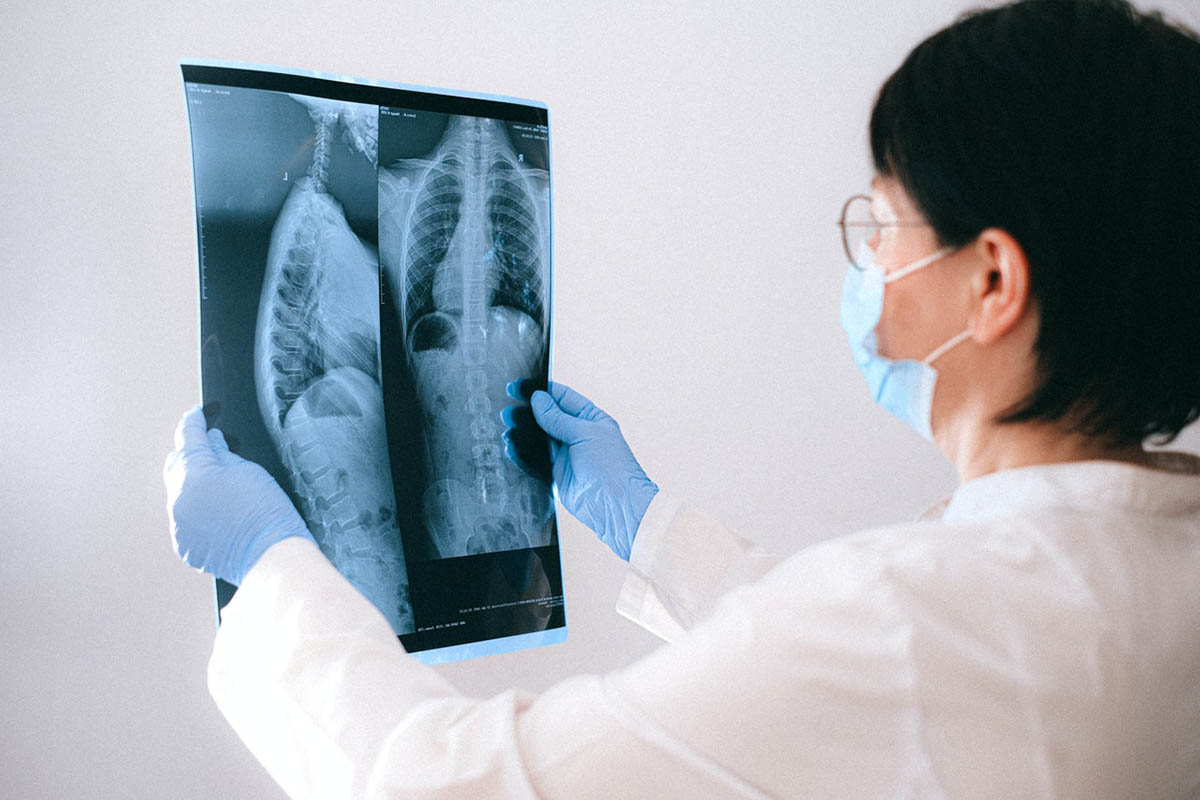
When looking at CXR images, a systematic approach is key. This method helps spot abnormal patterns by considering all important details. It makes sure no diagnosis is missed, leading to better patient care.
ABCDE Method for Thorough Evaluation
The ABCDE method is a well-known way to check CXR images. It looks at the image in a structured way: A – Alignment, B – Bones, C – Cardiac silhouette, D – Diaphragm and soft tissues, and E – Edge and lung fields. This helps find lung abnormalities x ray by checking every important area.
To use the ABCDE method, first check the image’s alignment. Make sure it’s properly rotated and the patient is fully inspired. Then, look at the bones for any damage. Next, check the heart for any size changes or issues.
Common Pitfalls in Interpretation
Even with a systematic approach, mistakes can happen. These include relying too much on old reports, not considering the patient’s history, and missing lung details. Knowing these common errors helps avoid missing chest x ray anomalies.
- Missing small details because of poor viewing conditions.
- Not thinking about the patient’s symptoms and history.
- Mistaking normal things for disease.
Technical Considerations Affecting Image Quality
Technical factors greatly affect how clear CXR images are. These include how the patient is positioned, how deeply they breathe, and the exposure settings. Knowing these factors is key to spotting abnormal xray of lungs accurately. For example, wrong exposure can hide lung details, and shallow breathing can look like disease.
To get the best image, make sure the patient is positioned right and adjust the exposure settings. Also, knowing the limits of technical factors helps in better understanding CXR images.
Consolidation: Airspace Opacification Patterns
Airspace opacification, often seen as consolidation on chest X-rays, is a critical finding that requires careful interpretation. Consolidation refers to the increase in opacity of the lung parenchyma due to various causes, including infection, inflammation, and neoplasm.
Radiographic Characteristics and Distribution Patterns
The radiographic characteristics of consolidation can vary depending on the underlying cause. Typically, consolidation appears as a homogeneous or heterogeneous area of increased opacity that may obscure the underlying vascular structures. The distribution of consolidation can be lobar, segmental, or diffuse, providing clues to the underlying etiology.
Lobar consolidation is often associated with pneumonia, where the infection is confined to one or more lobes of the lung. In contrast, diffuse consolidation can be seen in conditions such as acute respiratory distress syndrome (ARDS) or severe infections.
Infectious vs. Non-infectious Etiologies
Consolidation can result from both infectious and non-infectious causes. Infectious etiologies include bacterial, viral, and fungal infections. Non-infectious causes encompass a wide range of conditions, including inflammatory diseases, neoplasms, and hemorrhage.
Differentiating between these etiologies requires careful consideration of the patient’s clinical presentation, laboratory findings, and imaging characteristics. For instance, the presence of air bronchograms within an area of consolidation is more commonly associated with infectious or inflammatory causes.
Clinical Correlation and Management Implications
Accurate diagnosis of consolidation is critical for providing appropriate patient care. Clinical correlation involves integrating the radiographic findings with the patient’s symptoms, laboratory results, and medical history to determine the underlying cause.
The management implications of consolidation vary widely depending on the etiology. For example, bacterial pneumonia may require antibiotic therapy, while a neoplastic cause might necessitate further diagnostic workup, including biopsy and staging.
|
Cause |
Radiographic Features |
Clinical Correlation |
|---|---|---|
|
Infectious (e.g., pneumonia) |
Lobar or segmental consolidation, air bronchograms |
Fever, cough, elevated WBC count |
|
Non-infectious (e.g., neoplasm) |
Mass-like consolidation, possible cavitation |
Weight loss, hemoptysis, abnormal biopsy |
|
Inflammatory (e.g., ARDS) |
Diffuse, bilateral consolidation |
Hypoxemia, respiratory failure, underlying condition |
Ground-Glass Opacities (GGO): Subtle Yet Significant Findings
Ground-glass opacities show up as a hazy increase in lung opacity. They are a common finding on chest X-rays. They point to a variety of lung problems.
Recognition and Differentiation from Other Opacities
Spotting ground-glass opacities on a chest X-ray needs a careful look. They don’t block the view of the airways or blood vessels like other opacities do. We use certain signs to tell them apart from other lung issues.
Key Features:
- Hazy increase in lung opacity
- Preservation of bronchial and vascular margins
- Often bilateral and diffuse, but can be unilateral or focal
Common Causes: From Infection to Interstitial Disease
Ground-glass opacities can come from many sources. These include infections, lung diseases, and tumors. Finding the cause is key to treating it right.
|
Cause |
Characteristics |
|---|---|
|
Infections |
Often linked with fever and cough; caused by viruses or bacteria |
|
Interstitial Lung Disease |
May start with slow breathing trouble; includes conditions like pulmonary fibrosis |
|
Neoplasm |
Rare but can show up as ground-glass opacities; usually needs more tests and biopsies |
When to Recommend CT for Further Evaluation
While chest X-rays are first, CT scans are often needed for a closer look. We suggest CT scans when the opacities’ extent or type is unclear. Or when we suspect a serious condition that needs exact diagnosis.
By correctly spotting and understanding ground-glass opacities on chest X-rays, we can offer the right care. This is for patients with serious lung issues.
Pleural Effusions: Fluid Collection Assessment
Pleural effusions are a common finding on chest X-rays. They need accurate diagnosis and management. These are fluid collections in the pleural space, caused by many things.
Radiographic Signs
Pleural effusions show up in several ways on X-rays. These include:
- Blunting of the costophrenic angle
- Meniscus sign, where the fluid forms a concave meniscus against the lung
- Layering of fluid on lateral decubitus views
These signs help spot pleural effusions on abnormal cxr images. They show what these findings mean.
Quantification and Loculation Evaluation
It’s key to measure the pleural fluid amount. This tells us how serious the effusion is and helps plan treatment. We look at how much the costophrenic angle is blunted and the fluid’s volume on the X-ray. We also check if the fluid is stuck by adhesions.
Knowing how much fluid there is helps us figure out what’s wrong. It guides us in treating lung abnormalities x ray.
Differential Diagnosis Based on Clinical Context
There are many reasons for pleural effusions. These include heart failure, pneumonia, cancer, and blood clots. The patient’s symptoms and lab results help us guess the cause.
Spotting pleural effusions on abnormal chest x ray is key for good care. Chest x ray abnormalities pictures give us clues about the effusion.
“The diagnosis of pleural effusion requires a complete approach. We use X-ray findings, the patient’s symptoms, and other tests together.” — Expert in Pulmonology
Pneumothorax: Air in the Pleural Space
Pneumothorax, or air in the pleural space, is a serious condition. It needs quick diagnosis and treatment. Air in the pleural space can cause lung collapse, which harms breathing.
Detection Strategies for Subtle Pneumothoraces
Finding pneumothorax on a chest X-ray (CXR) can be hard, mainly for small cases. A helpful sign is the “deep sulcus sign.” This is when the costophrenic angle looks deeper than normal because of air.
We suggest a detailed look at CXR for pneumothorax. Check the lung edges and pleural spaces carefully. Sometimes, CT scans are needed to confirm the diagnosis.
Tension Pneumothorax: Recognition and Immediate Management
Tension pneumothorax is a serious emergency. It happens when air pressure in the pleural space goes up, causing lung collapse. Quick action is key to managing it.
Signs of tension pneumothorax include less breath sound on the affected side, tracheal shift away from the side, and unstable blood pressure. Fast treatment is needle decompression followed by chest tube insertion.
Iatrogenic vs. Spontaneous: Etiology and Management Differences
Pneumothorax can be caused by medical procedures (iatrogenic) or happen without a clear reason (spontaneous). Iatrogenic pneumothorax often comes from procedures like central line placement or lung biopsy.
Spontaneous pneumothorax can happen in people with lung disease or in healthy individuals, mostly tall, thin males. Treatment plans vary based on the cause. Iatrogenic pneumothorax might need more aggressive treatment because of the risk of ongoing air leaks.
|
Characteristics |
Iatrogenic Pneumothorax |
Spontaneous Pneumothorax |
|---|---|---|
|
Cause |
Medical procedure or intervention |
Spontaneous occurrence, often in healthy individuals or those with underlying lung disease |
|
Management |
Often requires chest tube insertion due to ongoing air leak risk |
May be managed with observation or aspiration, depending on size and symptoms |
|
Risk Factors |
Recent medical procedures, mechanical ventilation |
Underlying lung disease, tall and thin body habitus |
Knowing the difference between iatrogenic and spontaneous pneumothorax is key for proper care. Accurate diagnosis and treatment are vital for better patient outcomes.
Hilar and Mediastinal Abnormalities: Beyond Lung Parenchyma
Understanding hilar and mediastinal abnormalities is key. These areas are important on chest X-rays. They can show signs of many health issues.
Normal Anatomy and Common Variants
The hilar areas are where blood vessels and airways meet the lungs. Normally, they look the same, with the left being higher than the right. The mediastinum holds the heart, big blood vessels, and more. Knowing what’s normal here helps spot problems.
Common things to look out for include:
- Azygos lobe
- Supra-aortic vessels variations
- Cystic or fatty masses
It’s important to know these to avoid mistakes.
Lymphadenopathy: Infectious, Inflammatory, and Neoplastic Causes
Lymphadenopathy means swollen lymph nodes, seen as masses on CXR. It can be due to infections, inflammation, or cancer.
Infectious causes include:
- Tuberculosis
- Histoplasmosis
- Sarcoidosis
Other causes like inflammation and cancer also lead to swollen lymph nodes. This often means more tests are needed.
Vascular Abnormalities and Cardiac Silhouette Changes
Vascular issues, like aortic aneurysms, can show up on CXR. Changes in the heart’s outline can mean heart disease.
Look for these signs:
- Aortic knob enlargement or calcification
- Pulmonary artery prominence
- Cardiac chamber enlargement
These need more tests like echocardiography or MRI to figure out what’s going on.
Getting CXR right is vital for diagnosing many conditions. Knowing what’s normal and spotting problems helps doctors give the right care.
Pulmonary Nodules: The Most Frequently Missed Abnormal CXR Finding
Pulmonary nodules are often missed on chest X-rays. They are rounded spots in the lung that can be harmless or cancerous. Finding and understanding these nodules is key to managing patient care and avoiding problems.
Detection Challenges and Search Pattern Optimization
Finding pulmonary nodules on chest X-rays is hard because they are small and can look different. To better find them, we should look at the whole lung carefully. We can do this by breaking the lung into parts and checking each one for any odd spots.
Optimizing search patterns helps a lot in spotting pulmonary nodules. We should pay extra attention to the lung’s edges, where they often hide. Also, comparing new X-rays with old ones can show if a nodule has grown or changed.
Characterization: Size, Margins, Density, and Growth
After spotting a nodule, we need to figure out what it is. Looking at its size, shape, density, and how it’s growing gives us clues. These clues help us guess if it might be cancer.
- Size: Big nodules might be cancer, but size alone isn’t enough to say for sure.
- Margins: Nodules with jagged or spiky edges are more likely to be cancerous.
- Density: The nodule’s density can tell us what it’s made of, like if it has calcium or fat.
- Growth: Watching how the nodule grows is important for figuring out if it’s cancerous.
Risk Stratification and Follow-up Protocols
After figuring out a nodule, we need to decide how risky it is and what to do next. We look at the patient’s risk factors, like smoking, age, and family history of lung cancer.
For low-risk nodules, we might suggest serial imaging to watch for any changes. But for high-risk nodules, we might need to do a biopsy or use CT scans for more information. Having a clear plan for follow-up is important to catch any problems early.
Conclusion: Enhancing Diagnostic Accuracy in Chest Radiography
Getting the right diagnosis from a chest X-ray is key to good patient care. We’ve talked about common issues like consolidation and pleural effusions. Also, we’ve covered pneumothorax, and abnormalities in the hilar and mediastinal areas, along with pulmonary nodules.
Using a systematic approach to read X-rays is vital. It’s important to match what you see on the X-ray with the patient’s symptoms. This way, you can make sure your diagnosis is correct. Keeping up with the latest in radiography helps doctors get better at spotting problems.
Being able to accurately read chest X-rays helps doctors make better choices. This reduces mistakes and improves how patients do. As we learn more about chest X-rays, we can give better care to those with lung and heart issues.
FAQ
What is the importance of Chest X-ray (CXR) in clinical practice?
CXR is a key tool in healthcare. It helps doctors diagnose and track many conditions. Accurate readings are vital for good patient care.
What are the common abnormal CXR findings?
Common CXR findings include consolidation, ground-glass opacities, and pleural effusions. Also, pneumothorax, and abnormalities in the hilar and mediastinal areas. Plus, pulmonary nodules are often seen.
How can interobserver variability affect CXR interpretation?
Different doctors might see things differently on a CXR. This shows the need for a clear method to interpret CXRs. It helps make diagnoses more accurate.
What is the ABCDE method for CXR interpretation?
The ABCDE method helps doctors check the Airway, Bones, Cardiac silhouette, Diaphragm, and lung edges. It ensures a thorough CXR review.
What are the common pitfalls in CXR interpretation?
Common mistakes include poor image quality and missing small details. Also, mistaking normal features for problems.
How can consolidation be differentiated on CXR?
Consolidation looks different on a CXR. Its look, spread, and how it relates to the patient’s health help tell if it’s an infection or not.
What are ground-glass opacities, and when should CT be recommended?
Ground-glass opacities are subtle signs on a CXR. They can mean many things. A CT scan is suggested to figure out the cause.
How can pleural effusions be assessed on CXR?
Pleural effusions are checked on a CXR by looking for signs like blunting and layering. The size of the effusion helps guide treatment.
What are the clinical implications of pneumothorax?
Pneumothorax is serious and needs quick action, like in tension pneumothorax. It’s also important to tell if it’s caused by medical treatment or happened naturally.
How can hilar and mediastinal abnormalities be evaluated on CXR?
Hilar and mediastinal issues are checked on a CXR by looking at normal anatomy and any changes. It’s important to match these findings with the patient’s symptoms.
What are the challenges in detecting pulmonary nodules on CXR?
Finding small pulmonary nodules on a CXR is hard. They are tiny and not easy to spot. This makes it important to look carefully and describe them well.
What is the significance of abnormal lung x-ray images?
Abnormal lung x-rays can show many lung problems. Getting these images right is key to treating patients well and avoiding bad outcomes.
How can chest x-ray abnormalities be identified?
Abnormalities on a chest x-ray are found by looking for signs like consolidation and pleural effusions. A systematic way to read these images is best.
What are the common chest x-ray abnormalities?
Common issues seen on chest x-rays include consolidation, ground-glass opacities, and pleural effusions. Also, pneumothorax, and problems in the hilar and mediastinal areas. Plus, pulmonary nodules are often found.
References
National Center for Biotechnology Information. Evidence-Based Medical Guidance. Retrieved from https://pubmed.ncbi.nlm.nih.gov/31498548/