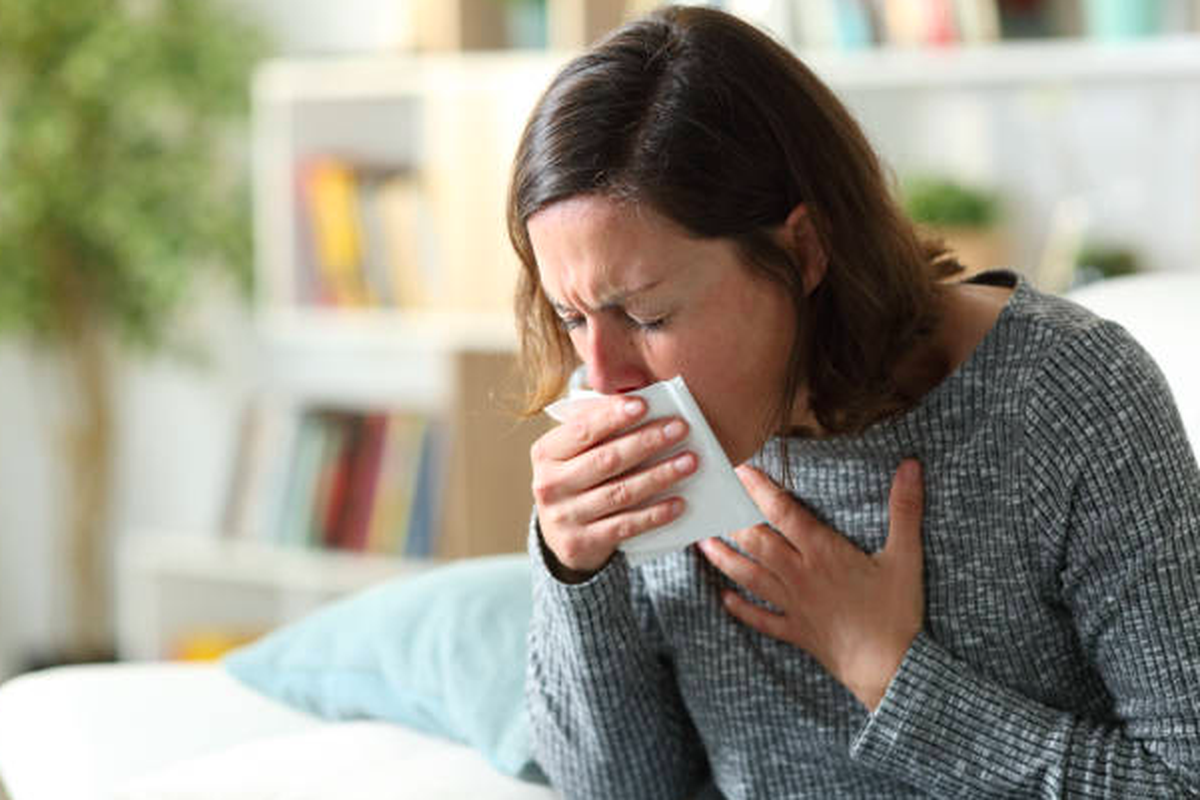
Do you have a persistent cough or find it hard to breathe during simple tasks? These signs might mean you have early-stage Chronic Obstructive Pulmonary Disease (COPD). This lung disease affects millions globally copd and coughing up phlegm.
At Liv Hospital, we know how key early detection and care are for chronic obstructive pulmonary disease. We use the latest medical methods and care with kindness. This is vital for treating this condition.
Spotting COPD symptoms early is critical. The disease grows slowly and is often missed until it’s too late. We stress the need to know the signs and symptoms. This ensures you get help quickly.
Key Takeaways
- Early-stage COPD often presents with subtle symptoms.
- Shortness of breath during everyday activities can be a significant indicator.
- Chronic coughing is a common symptom that should not be ignored.
- Timely medical intervention is critical in managing COPD.
- Liv Hospital is dedicated to providing patient-centered care for COPD.
Understanding Chronic Obstructive Pulmonary Disease (COPD)
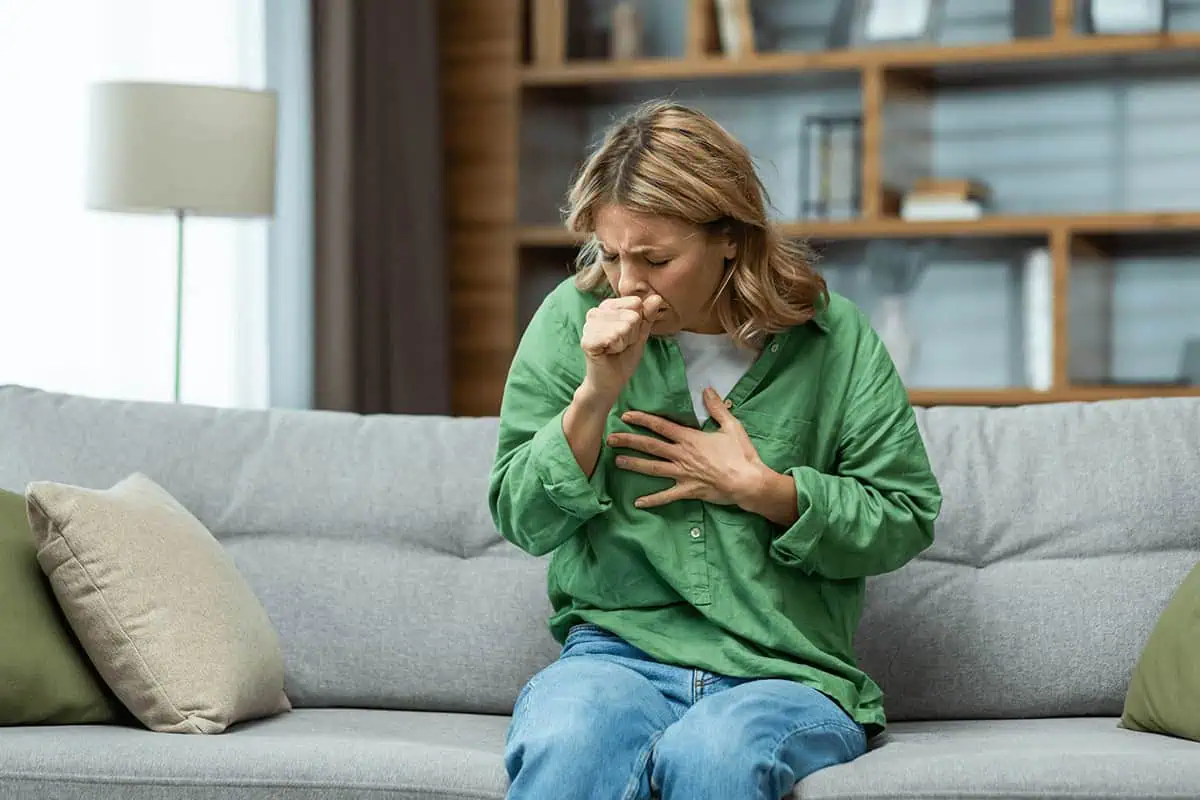
It’s important to know about COPD to improve your life quality. COPD is a lung disease that makes breathing hard. It’s a big problem worldwide, but many people don’t know they have it.
Definition and Types of COPD
COPD includes conditions like emphysema and chronic bronchitis. Emphysema damages the air sacs in the lungs. Chronic bronchitis causes inflammation in the bronchial tubes, leading to coughing and mucus.
The main types of COPD are:
- Emphysema
- Chronic bronchitis
- Refractory asthma (in some cases)
How COPD Affects the Lungs
COPD blocks airflow, making it hard to breathe. This problem gets worse over time. It causes inflammation and damage to the lungs, leading to symptoms like shortness of breath, wheezing, and chronic cough.
The disease damages the airways and lung tissue. This leads to:
- Reduced airflow
- Increased mucus production
- Air trapping
The Progressive Nature of COPD
COPD gets worse over time if not treated. As it progresses, symptoms get more severe. Daily tasks become harder because of breathlessness and fatigue.
Knowing how COPD progresses helps manage its symptoms. The right treatment and lifestyle changes can slow it down.
The Global and National Impact of COPD
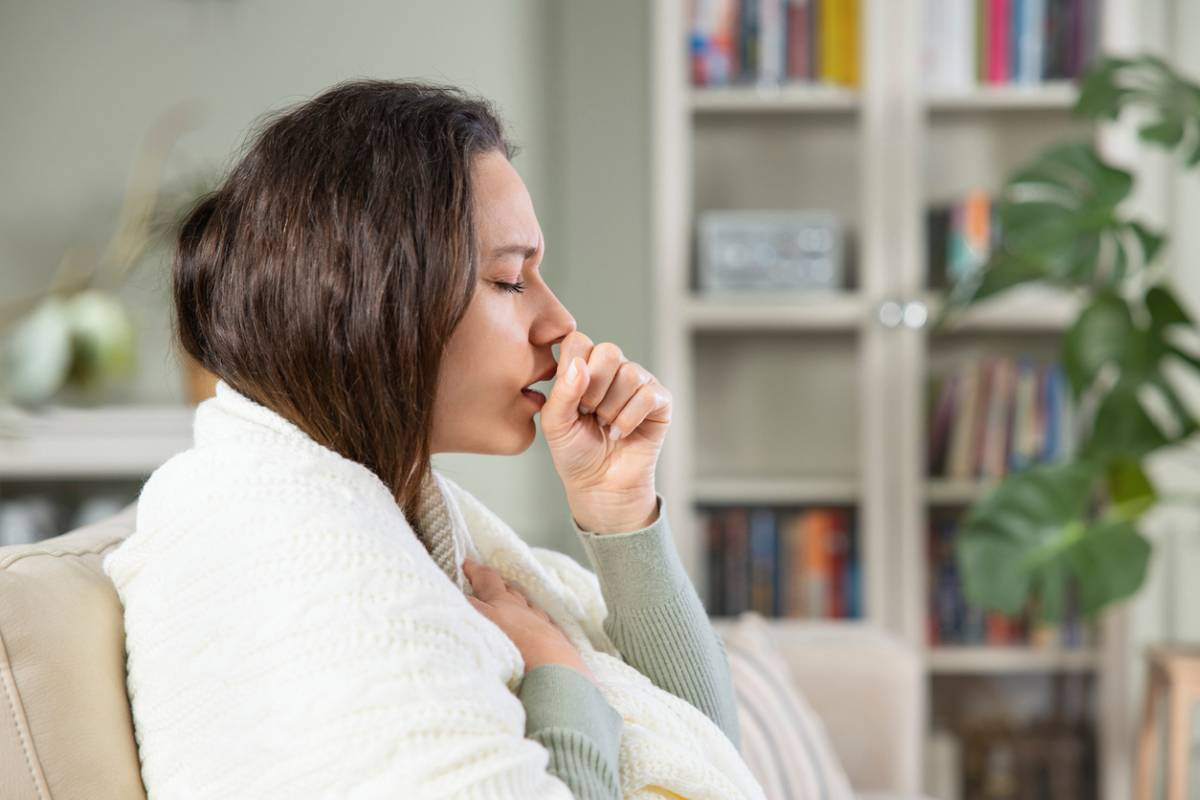
COPD is a big health problem worldwide and in countries like the U.S. It affects millions, causing a lot of sickness, death, and money lost.
COPD Statistics Worldwide
In 2019, COPD led to 3.23 million deaths globally, says the World Health Organization. This shows how serious COPD is as a health issue worldwide. It’s a top reason for sickness and death, needing big efforts to fight it.
How common COPD is varies around the world. It depends on things like smoking, air pollution, and work-related dangers. Many cases of COPD go unnoticed, so the real number of people with it might be higher.
Prevalence in the United States
In the U.S., about 16 million people have COPD. But, many more might have it without knowing. COPD is a big problem in the U.S., causing a lot of disability and death.
What makes COPD common in the U.S. includes smoking, air pollution, and work dangers. It hits older people and smokers the hardest.
Economic and Social Burden
COPD costs a lot in terms of money and health. In the U.S., it leads to millions of hospital visits and big healthcare bills. The lost work and early deaths add to the financial burden.
COPD also affects people’s lives and families. It can make people disabled, lower their quality of life, and make them rely more on healthcare. To tackle COPD’s impact, we need to work together on health, better diagnosis, and care.
COPD and Coughing Up Phlegm: A Critical Early Warning Sign
Coughing up phlegm is a key early sign of COPD. This lung disease makes it hard to breathe. It’s important to notice this symptom early.
About 75 percent of people with COPD cough up a lot of phlegm. This shows the disease is present. The body makes phlegm to fight off airway irritation, a common issue in COPD.
The Significance of Phlegm Production in COPD
Phlegm production is a big deal in COPD. It shows the body’s effort to clear mucus from the airways. In COPD, the airways are inflamed and make more mucus than usual, causing a persistent cough.
Increased mucus production is a key feature of COPD. Knowing why it happens helps manage the disease. The airways in COPD are always irritated, leading to more mucus.
Why COPD Causes Increased Mucus Production
COPD makes the airways produce more mucus because of chronic inflammation. This inflammation comes from long-term exposure to irritants like cigarette smoke or air pollution.
The body tries to fight off these irritants by making more mucus. This can block the airways and make breathing hard. Over time, this can lead to COPD’s hallmark airflow limitation.
Changes in Phlegm Color and Consistency
Changes in phlegm color and consistency can tell us a lot about COPD. Normally, phlegm is clear or white. But in COPD, it can turn yellow, green, or brown because of infection or blood.
|
Phlegm Color |
Possible Indication |
|---|---|
|
Clear or White |
Normal or mild irritation |
|
Yellow or Green |
Infection or presence of pus |
|
Brown or Rust-colored |
Presence of old blood or severe infection |
Watching for these changes is important for managing COPD. If you notice big changes in phlegm, see a doctor right away.
Recognizing the Early Symptoms of COPD
Spotting COPD early is key to better treatment and life quality. The disease often starts quietly, so knowing the early signs is important for both patients and doctors.
Chronic Cough: When to Be Concerned
A cough that lasts and brings up mucus is an early COPD sign. It might seem like a smoker’s cough at first. But if it goes on for weeks or comes with other symptoms, it’s a warning.
Key characteristics of a concerning cough include:
- Duration: Lasts for more than 8 weeks
- Productivity: Brings up mucus or phlegm
- Progression: Worsens over time
Shortness of Breath During Activities
Feeling short of breath, or dyspnea, is another early COPD sign. It might start with physical activities but can happen even when resting. Catching this symptom early is important for checking its cause.
“Most common early warning symptoms: shortness of breath, cough that may bring up sputum (also called mucus or phlegm), wheeze or chest tightness, fatigue or tiredness, reoccurring lung infections like acute bronchitis or pneumonia.”
Wheezing and Chest Tightness
Wheezing and chest tightness show airflow problems, a COPD sign. These symptoms can change in how bad they are and may come and go.
Frequent Respiratory Infections
People with COPD get lung infections like bronchitis and pneumonia more often. Getting sick a lot can mean COPD is present.
|
Symptom |
Description |
Concern Level |
|---|---|---|
|
Chronic Cough |
Persistent cough producing mucus |
High |
|
Shortness of Breath |
Difficulty breathing during activities |
High |
|
Wheezing |
High-pitched sound while breathing out |
Moderate |
|
Chest Tightness |
Feeling of tightness or pressure in the chest |
Moderate |
Spotting these early signs can lead to quicker diagnosis and treatment. This can slow COPD’s progress and improve life quality for those affected.
How COPD Symptoms Differ Between Men and Women
COPD symptoms vary between men and women. This is due to biological and environmental factors. Knowing these differences helps in diagnosing and managing the disease effectively.
Symptom Presentation in Males
Men with COPD often have more severe symptoms. They may experience significant shortness of breath and more phlegm. Studies show men are diagnosed with COPD at a younger age and have more hospital visits for worsening symptoms.
Common symptoms in men include:
- Chronic cough with significant mucus production
- Shortness of breath during physical activities
- Wheezing and chest tightness
Symptom Presentation in Females
Women with COPD may have different symptoms. They often report shortness of breath as their main symptom, even with less lung damage. Women also face more anxiety and depression, making COPD harder to manage.
Notable symptoms in women include:
- Dyspnea during daily activities
- Fatigue and general malaise
- Frequent respiratory infections
One study found that shortness of breath is common in all levels of lung impairment. It’s more noticeable during physical exertion. This shows why gender differences in symptoms are important.
“The clinical presentation of COPD can vary significantly between men and women, necessitating a gender-sensitive approach to diagnosis and treatment.”
Hormonal Influences on COPD Progression
Hormonal factors greatly affect COPD progression. Hormonal changes, like those in women, can impact lung function and symptoms. For example, postmenopausal women may see lung function changes due to lower estrogen levels.
It’s key to understand these gender differences for better treatment plans. Healthcare providers must tailor treatments for both men and women with COPD.
Risk Factors for Developing COPD
COPD risk factors include lifestyle, environmental, and genetic elements. Knowing these factors is key to preventing and managing the disease.
Smoking and Tobacco Exposure
Smoking is the biggest risk for COPD. Tobacco smoke harms the lungs, causing inflammation and making it hard to breathe. Quitting smoking can slow COPD, but it’s hard because of nicotine addiction.
Being around secondhand smoke also increases risk. This is true for those with a family history of COPD or those exposed to smoke as kids.
Occupational Hazards and Air Pollution
Jobs that expose you to dust, chemicals, and fumes raise COPD risk. Workers in mining, construction, and manufacturing are at high risk. Air pollution, both inside and outside, also adds to the risk.
Genetic Factors and Alpha-1 Antitrypsin Deficiency
Genetics play a part in COPD, with Alpha-1 Antitrypsin Deficiency being a big factor. This condition affects lung protection, making people more likely to get COPD, even without smoking.
Age and Other Contributing Factors
Age is a big risk factor for COPD, with most cases diagnosed after 40. Other factors like respiratory infections, asthma, and socioeconomic status also increase risk.
Anyone can get COPD, but those over 40, smokers, or former smokers are at higher risk. Knowing these factors helps in early detection and prevention.
When to Seek Medical Attention for COPD Symptoms
Knowing when to get medical help for COPD symptoms is very important. It helps stop the disease from getting worse and improves your life. Finding symptoms early can help prevent COPD from getting worse and make you feel better.
Warning Signs That Require Immediate Care
If you notice any of these symptoms, get medical help right away:
- Severe shortness of breath that makes it hard to do daily tasks
- Chest pain or tightness
- Confusion or feeling disoriented
- Bluish lips or fingers
- Increased coughing or wheezing
What does COPD chest pain feel like? COPD chest pain can feel sharp or dull. Always tell your doctor about any chest pain, as it could mean something serious.
Discussing Symptoms With Your Healthcare Provider
When talking to your doctor, be as detailed as you can. Share:
- How often and how bad your symptoms are
- Any changes in your symptoms over time
- How your symptoms affect your daily life
Your doctor will use this info to adjust your treatment. This helps manage your COPD symptoms better.
Preparing for Your Doctor’s Appointment
To get the most out of your doctor’s visit, prepare by:
- Listing your symptoms and when they happen
- Listing your current medications and how much you take
- Writing down any questions or concerns about your COPD
Being ready will help you get the care you need. It also makes sure your doctor understands your situation fully.
Diagnosing COPD: Tests and Procedures
Diagnosing COPD is not simple. It involves looking at your medical history, doing a physical exam, and running specific tests. Getting a correct diagnosis is key to managing the disease well.
Pulmonary Function Tests
Pulmonary function tests (PFTs) are key in spotting COPD. They check how well your lungs work. The most used PFT is spirometry.
“Spirometry measures the amount of air you blow out and how fast you blow it out. The results of the test can determine if you have COPD.”
Spirometry is a simple test. You just blow into a tube connected to a spirometer. The results help doctors see how severe your COPD is.
Imaging Studies
Imaging studies like chest X-rays and CT scans show lung pictures. They help spot any lung damage or oddities.
A CT scan gives clearer images than an X-ray. It’s great for spotting COPD and how severe it is.
Blood Tests and Other Diagnostic Tools
Blood tests can rule out other diseases that might look like COPD. They check your blood’s oxygen and carbon dioxide levels.
|
Diagnostic Tool |
Purpose |
|---|---|
|
Spirometry |
Measures lung function and airflow |
|
Chest X-ray |
Visualizes lung damage or abnormalities |
|
Blood Tests |
Measures oxygen and carbon dioxide levels |
Differentiating COPD from Other Respiratory Conditions
It’s important to tell COPD apart from other lung diseases. Diseases like asthma and pneumonia can have similar signs.
A detailed check-up helps doctors tell COPD apart from other diseases. This way, they can create a treatment plan just for you.
Managing COPD and Reducing Phlegm Production
To manage COPD well, a complete treatment plan is key. This includes medicines, lifestyle changes, and pulmonary rehab. These steps help lessen symptoms like too much phlegm, making life better for those with COPD.
Medication Options
Medicines are vital for COPD symptoms. Bronchodilators help open airways for easier breathing. Inhaled corticosteroids reduce inflammation. Phosphodiesterase-4 inhibitors also fight inflammation and airway tightness.
It’s important to work with your doctor to find the right medicines. Regular check-ups help adjust treatments for better symptom control.
Lifestyle Modifications
Changing your lifestyle is key in COPD management. Quitting smoking is a big step in slowing the disease. Avoiding pollutants and irritants is also important.
Eating a healthy diet with fruits, veggies, and whole grains boosts health. Drinking lots of water helps thin mucus, making it easier to cough up.
Pulmonary Rehabilitation
Pulmonary rehab programs help improve lung function and fitness. They include exercise, education on lung disease, and nutrition advice.
By joining pulmonary rehab, patients can do daily tasks better and feel less short of breath.
Airway Clearance Techniques
Airway clearance techniques help remove mucus from the lungs. Methods like postural drainage, percussion, and vibration are effective. Devices like vest therapy also help clear mucus.
Learning and using these techniques can greatly reduce phlegm and improve lung function.
Conclusion: Living Well With COPD
Living with COPD means taking a full approach. This includes getting diagnosed early, managing the disease well, and making lifestyle changes. We’ve looked at the early signs of COPD, like coughing up phlegm, and why it’s key to spot these in adults.
Spotting COPD early is vital. It lets you start treatment quickly. Doctors say, “The sooner you catch it, the sooner you can start treatment. This gives you the best chance of slowing it down and living well for as long as possible.”
To manage COPD well, you need medicine, lifestyle changes, and pulmonary rehab. Knowing the symptoms of chronic lung disease and acting early can greatly improve your life. It helps you stay independent and live better with COPD.
If you’re noticing COPD symptoms in adults, get medical help. Work with your doctor to create a treatment plan that’s just for you. With the right steps, you can live well with COPD and keep it from controlling your daily life.
FAQ
What are the early signs of COPD?
Early signs of COPD include a chronic cough and coughing up phlegm. You might also feel short of breath during activities. Wheezing and chest tightness are common too. Plus, you might get respiratory infections often.
How does COPD affect the lungs?
COPD damages the lungs by destroying air sacs. This makes it hard for air to move in and out. Long-term exposure to irritants like cigarette smoke usually causes this damage.
What is the significance of coughing up phlegm in COPD?
Coughing up phlegm is a key early sign of COPD. It shows the lungs are making too much mucus. This can mean inflammation and damage.
Why does COPD cause increased mucus production?
COPD makes the lungs produce more mucus to protect themselves. The airways get inflamed, leading to excess mucus.
How do COPD symptoms differ between men and women?
Symptoms of COPD can vary between men and women. Hormones play a role. Women might feel more anxious and depressed. Men might feel more limited physically.
What are the risk factors for developing COPD?
Risk factors for COPD include smoking and occupational hazards. Genetics and age also play a part. Air pollution and past respiratory infections can increase risk too.
When should I seek medical attention for COPD symptoms?
See a doctor if you have trouble breathing, chest pain, or cough up blood. A chronic cough or shortness of breath also needs medical attention.
How is COPD diagnosed?
Doctors use tests like pulmonary function tests and imaging studies to diagnose COPD. They also do blood tests and examine you physically. Your medical history is reviewed too.
What are the treatment options for managing COPD?
Managing COPD involves medication, lifestyle changes, and pulmonary rehab. Airway clearance techniques are also used. These can reduce symptoms and slow disease progression.
Can COPD be managed to improve quality of life?
Yes, COPD can be managed to improve life quality. Making lifestyle changes and following treatment plans helps. Staying in touch with your doctor is key too.
How can I reduce phlegm production?
To cut down on phlegm, try airway clearance techniques and stay hydrated. Use medications as directed by your doctor. Avoiding smoke and pollution helps too.
What is the role of pulmonary rehabilitation in COPD management?
Pulmonary rehab is a program that includes exercise and education. It helps manage COPD. It improves physical and emotional health, reduces symptoms, and boosts quality of life.
References
Complete Early Signs Of COPD And Coughing Up Phlegm https://www.ncbi.nlm.nih.gov/books/NBK559281/