
Sleep disorders affect millions of people worldwide, causing significant distress and impacting daily life. Approximately 50 to 70 million adults in the United States experience sleep disorders, making it a substantial global health concern.condition where you fall asleepDiabetes and Sleep: You Need to Know
At Liv Hospital, we understand the complexities of sleep disorders, including insomnia, obstructive sleep apnea, and narcolepsy. Our team brings international expertise and patient-centered compassion to diagnosing and treating the full spectrum of sleep disorders.
Understanding these disorders is the first step toward reclaiming restorative sleep and improving your quality of life. In this article, we will explore seven common sleep disorders, their symptoms, causes, and solutions.
Key Takeaways
- Sleep disorders affect millions worldwide, causing significant distress.
- Liv Hospital offers international expertise in diagnosing and treating sleep disorders.
- Understanding sleep disorders is key to getting better sleep.
- Seven common sleep disorders will be explored in this article.
- Symptoms, causes, and solutions for each disorder will be discussed.
The Growing Epidemic of Sleep Disorders
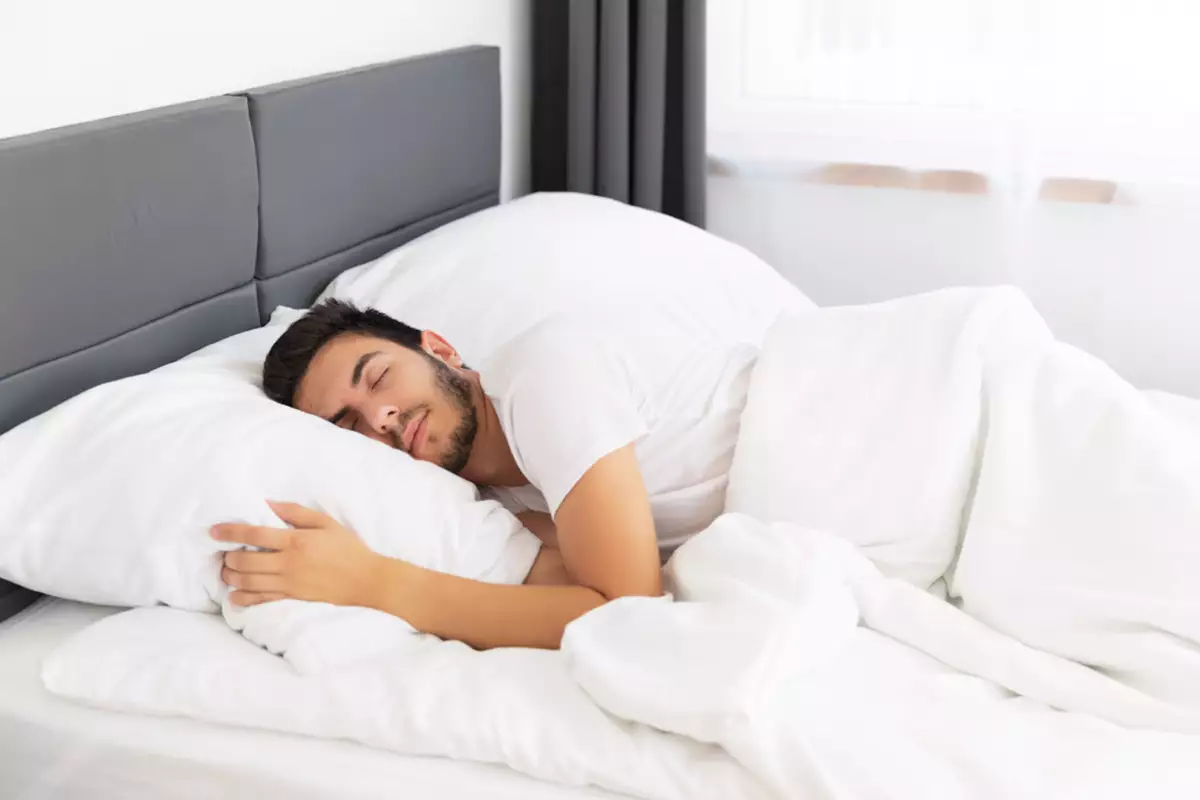
Sleep disorders are becoming more common, posing a big challenge to public health. It’s clear that these issues are not just personal but a global crisis.
Global Statistics and Prevalence Rates
Many people worldwide struggle with sleep disorders. The CDC says about one-third of Americans don’t get enough sleep. Globally, nearly 1 billion people have obstructive sleep apnea, a 41% increase in recent years.
The numbers are scary, showing we need more awareness and action. Sleep disorders affect people of all ages and backgrounds.
|
Condition |
Prevalence |
Impact |
|---|---|---|
|
Insomnia |
Affects 10%-30% of adults |
Daytime fatigue, decreased productivity |
|
Sleep Apnea |
Nearly 1 billion people globally |
Increased risk of cardiovascular disease |
|
Restless Legs Syndrome |
Affects 5%-10% of adults |
Disrupted sleep, decreased quality of life |
The Physical and Mental Health Impact
Sleep disorders harm both physical and mental health. Lack of sleep raises the risk of heart disease, diabetes, and obesity. They also worsen mental health issues like depression and anxiety.
The effects on physical health are wide-ranging, affecting many body systems. It’s vital to tackle sleep disorders to reduce these risks and boost health.
Risk Factors and Vulnerable Populations
Some groups face a higher risk of sleep disorders, like older adults and shift workers. Lifestyle choices, such as irregular sleep and caffeine, also play a role.
Knowing these risk factors helps us create better support for those most affected.
Insomnia: The Most Prevalent Sleep Disorder
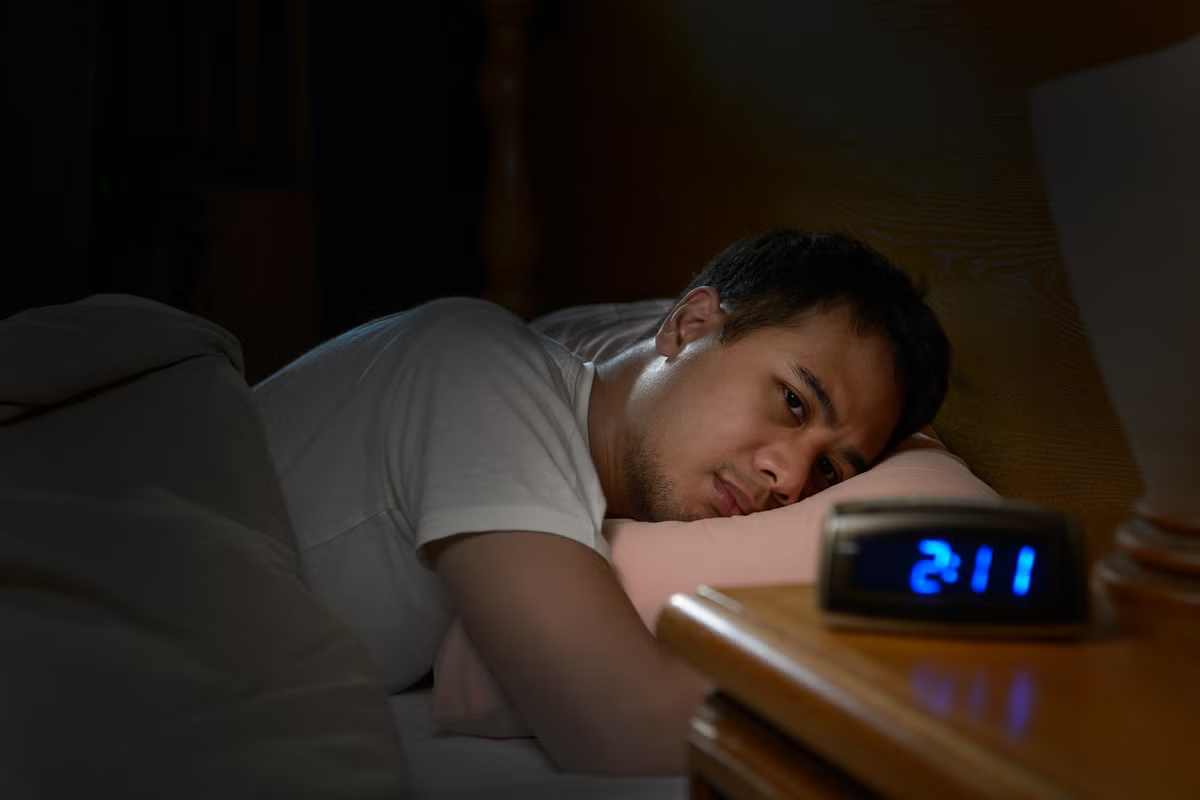
Insomnia makes it hard to fall or stay asleep. It affects how well you function during the day. People with insomnia have trouble sleeping even when they have the chance, leading to daytime problems.
About a third of adults deal with insomnia, says the American Psychiatric Association. This condition can make life hard, causing tiredness, mood swings, and trouble focusing or remembering things.
Acute vs. Chronic Insomnia Symptoms
There are two main types of insomnia: acute and chronic. Acute insomnia is short-term and often caused by stress, travel, or changes in sleep habits. It usually gets better once the cause goes away.
Chronic insomnia lasts a long time, happening at least three times a week for three months. It can be due to health issues, lifestyle, or mental health problems.
|
Characteristics |
Acute Insomnia |
Chronic Insomnia |
|---|---|---|
|
Duration |
Short-term, typically a few days or weeks |
Long-term, at least three months |
|
Frequency |
May occur intermittently |
Occurs at least three times a week |
|
Causes |
Often triggered by specific events or stress |
Can be caused by a variety of factors including health conditions and psychological issues |
Psychological and Physical Causes
Insomnia can come from many sources. Psychological causes include stress, anxiety, and depression. Physical causes include chronic pain, respiratory issues, and neurological disorders.
Lifestyle also plays a big part. Irregular sleep, caffeine, alcohol, and not moving enough can lead to insomnia.
Evidence-Based Treatment Approaches
There are effective treatments for insomnia. Cognitive Behavioral Therapy for Insomnia (CBT-I) is one. It teaches sleep habits, control, and thinking to solve sleep problems.
Medications might be used too. But they’re usually for short-term use because of risks and side effects.
Changing your lifestyle can also help. This includes setting a regular sleep schedule, making your sleep area good for sleep, and avoiding activities that get you excited before bed.
Sleep Apnea: When Breathing Interrupts Sleep
When we sleep, our body should breathe smoothly. But sleep apnea breaks this rule. It’s a serious sleep disorder that stops breathing during sleep. This can lead to broken sleep and health problems.
Types of Sleep Apnea
There are three main types of sleep apnea. Obstructive sleep apnea (OSA) is the most common. It happens when the upper airway blocks during sleep. Central sleep apnea is when the brain doesn’t tell the breathing muscles to work. Complex sleep apnea syndrome is a mix of both.
Recognizing Symptoms and Health Risks
Sleep apnea symptoms include loud snoring and stopped breathing during sleep. You might also wake up with a dry mouth or sore throat. Morning headaches are common too. People with sleep apnea often feel very tired during the day.
If not treated, sleep apnea can lead to high blood pressure and heart disease. It’s important to catch symptoms early and get medical help.
Diagnostic Methods and Treatment Solutions
To diagnose sleep apnea, a sleep study is done. This can be at home or in a sleep lab. It watches breathing and brain activity during sleep. Treatment depends on the type and severity of sleep apnea.
Lifestyle changes like losing weight and sleeping on your side are often first steps. For severe cases, Continuous Positive Airway Pressure (CPAP) therapy is used. It keeps the airway open. Other treatments include oral appliances and surgery for blockages.
Knowing how to diagnose and treat sleep apnea is important. It helps manage the condition well.
Narcolepsy: The Condition Where You Fall Asleep Unexpectedly
Imagine falling asleep suddenly without warning, anywhere, anytime. This is what people with narcolepsy face every day. Narcolepsy is a chronic disorder that messes with the brain’s sleep-wake cycles. It causes too much daytime sleepiness and sudden sleep attacks.
The Four Classic Symptoms of Narcolepsy
Narcolepsy has four main symptoms. Excessive daytime sleepiness is the most common. People feel a strong urge to sleep during the day. Cataplexy is a sudden muscle weakness triggered by strong emotions.
Sleep paralysis makes it hard to move or speak when falling asleep or waking up. Hypnagogic hallucinations are vivid dreams that happen when falling asleep or waking up.
Not everyone with narcolepsy has all four symptoms. But, feeling very sleepy during the day is a key sign. Knowing these symptoms is important for getting a diagnosis and treatment.
Neurological Causes and Brain Chemistry
Narcolepsy is caused by genetics and environmental factors. It affects the brain’s sleep-wake cycles. Research shows it’s linked to a lack of hypocretin, a key neurotransmitter for staying awake.
This lack of hypocretin is often because of destroyed hypocretin-producing neurons in the brain. The exact reason for this destruction is not known. But, it’s thought to be an autoimmune response and genetics.
Managing Narcolepsy Through Medication and Lifestyle
There’s no cure for narcolepsy, but it can be managed. Medications like stimulants help with daytime sleepiness. Antidepressants can also help with other symptoms.
Changing your lifestyle is also key. Keep a regular sleep schedule, take naps, and stay active. Avoid big meals and caffeine before bed to sleep better at night.
Understanding narcolepsy and its symptoms helps manage the condition. We support those with narcolepsy to improve their lives.
Restless Legs Syndrome: The Nighttime Movement Disorder
Restless Legs Syndrome (RLS) is a neurological disorder that affects millions worldwide. It causes uncomfortable sensations in the legs. This condition can disrupt sleep and daily life, making it key to understand its causes, symptoms, and management strategies.
Characteristic Sensations and Movement Urges
People with RLS often feel a strong urge to move their legs. This urge is usually accompanied by tingling, burning, or itching sensations. These sensations happen in the evening or at night, making it hard to fall asleep or stay asleep.
The sensations and urges of RLS can vary in severity and frequency. Some people may experience symptoms occasionally, while others may have them every day. Understanding these sensations is key for diagnosing and managing RLS effectively.
Genetic Factors and Secondary Causes
Research shows that RLS can be influenced by genetic factors. Certain genetic variations increase the risk of developing the condition. Secondary causes like iron deficiency, kidney problems, or diabetes can also trigger or worsen RLS symptoms.
Other factors that may contribute to RLS include certain medications, pregnancy, and lifestyle factors. Identifying and addressing these underlying causes is a critical step in managing RLS effectively.
Relief Strategies and Treatment Options
Managing RLS involves a combination of lifestyle changes, home remedies, and medical treatments. Lifestyle modifications may include regular exercise, avoiding caffeine and alcohol, and establishing a consistent sleep schedule.
|
Treatment Approach |
Description |
|---|---|
|
Lifestyle Changes |
Regular exercise, avoiding triggers like caffeine and alcohol |
|
Medications |
Dopamine agonists, opioids, and anticonvulsants to manage symptoms |
|
Alternative Therapies |
Massage, acupuncture, and other alternative methods to relieve symptoms |
For many individuals, a combination of these approaches provides the best relief from RLS symptoms. Consulting with a healthcare professional is essential to determine the most appropriate treatment plan.
Parasomnias: Abnormal Behaviors During Sleep
It’s important to know about parasomnias for better sleep health. Parasomnias are sleep disorders that cause odd behaviors or movements. They can really affect someone’s life, so it’s key to learn about them.
Common Types of Parasomnias
Parasomnias include many sleep disorders. Here are some common ones:
- Sleepwalking (somnambulism)
- Sleep talking (somniloquy)
- Night terrors
- Sleep paralysis
- REM sleep behavior disorder
These disorders can wake up others, like bed partners or family. Knowing the exact parasomnia is key to the right treatment.
Neurological Basis and Triggering Factors
Parasomnias have different causes, but often relate to the brain. Genetics, stress, and some medicines can start them. Sleep stage changes also play a part, like in sleepwalking and night terrors.
“Parasomnias are complex behaviors that occur during sleep, often reflecting underlying neurological issues that need to be addressed.”
Safety Measures and Treatment Approaches
Handling parasomnias means safety and treatment. A safe sleep area is essential. This includes removing dangers and using safety gates for sleepwalkers. Treatment might tackle stress or sleep issues, and sometimes, medicine is used.
Seeing a healthcare expert for a tailored plan is wise. Understanding and tackling parasomnias can lead to better sleep and health.
Circadian Rhythm Disorders: When Your Internal Clock Fails
Circadian rhythm disorders affect how we sleep and wake up. They happen when our body’s clock doesn’t match the outside world. This leads to problems with our sleep-wake cycle.
Our body’s clock is mainly controlled by light. Light helps our body functions match the day-night cycle. If this doesn’t happen, we can face sleep issues.
Types of Circadian Rhythm Disorders
There are many types of circadian rhythm disorders. Each has its own signs:
- Delayed Sleep Phase Disorder: It’s hard to fall asleep and wake up on time.
- Advanced Sleep Phase Disorder: You feel sleepy and wake up too early.
- Non-24 Hour Sleep-Wake Disorder: Common in the blind, where the body clock doesn’t follow a 24-hour day.
- Irregular Sleep-Wake Rhythm Disorder: You have short naps all day and night.
- Jet Lag Disorder: A temporary problem from traveling across time zones.
- Shift Work Sleep Disorder: It affects those who work odd hours, messing with their sleep cycle.
Environmental and Genetic Influences
Both our environment and genes can cause circadian rhythm disorders.
Environmental Factors: Light, work hours, travel, and lifestyle choices can affect our body’s clock.
Genetic Influences: Some people might be more likely to have these disorders because of their genes.
|
Factor |
Influence on Circadian Rhythm |
|---|---|
|
Light Exposure |
Regulates the internal clock |
|
Work Schedules |
Disrupts natural sleep-wake cycle |
|
Genetic Mutations |
Affects the internal clock’s function |
Chronotherapy and Light Therapy Solutions
Treating circadian rhythm disorders often means using chronotherapy and light therapy together.
Chronotherapy: It’s about slowly changing sleep times to fit a new schedule. It’s a way to reset our body’s clock.
Light Therapy: Using light at certain times can help our body’s rhythm. Bright light therapy is good for SAD and some circadian rhythm disorders.
Knowing about circadian rhythm disorders helps us find better treatments. We can make lifestyle changes or use therapy to get back to a normal sleep cycle.
Hypersomnia: Excessive and Unrefreshing Sleep
Feeling extremely tired is more than just a normal day. It’s a condition called hypersomnia that can really affect your life. It means you sleep too much during the day, either because of health issues or how you live.
Primary and Secondary Hypersomnia
Hypersomnia comes in two forms: primary and secondary. Primary hypersomnia isn’t caused by other health problems. Secondary hypersomnia is linked to health issues, medicines, or substance use. Knowing the difference is key to finding the right treatment.
Primary hypersomnia means sleeping a lot or feeling very tired during the day without a clear reason. Secondary hypersomnia can be caused by sleep disorders, narcolepsy, or neurological diseases.
Medical Conditions and Lifestyle Factors
Many health issues and lifestyle choices can lead to hypersomnia. Sleep disorders, neurological problems, and mental health issues are examples. Irregular sleep, bad sleep habits, and some medicines also play a part.
Sleep apnea can make sleep poor, leading to daytime tiredness. Some medicines, like sedatives and antidepressants, can make you feel drowsy during the day.
“The key to managing hypersomnia lies in identifying and addressing the underlying causes, whether they be medical conditions or lifestyle factors.”
Wakefulness-Promoting Treatments
Dealing with hypersomnia often means making lifestyle changes and using medicine. Medicines that help you stay awake are often given. Also, good sleep habits, a regular sleep schedule, and avoiding big meals or caffeine before bed help.
Wakefulness-promoting medicines, like modafinil, are used to fight daytime sleepiness. They help you stay alert and awake when you should be.
Understanding hypersomnia and its causes is important. With the right treatments, people can manage their condition better and live a fuller life.
Conclusion: Seeking Help and Improving Sleep Health
Sleep disorders can really hurt our well-being. It’s key to practice good sleep habits for restful nights. Getting help from professionals is also vital for treating these issues.
Knowing the signs, causes, and fixes for sleep disorders is a big step. We urge readers to talk to doctors to get help tailored to them. This way, they can improve their sleep quality.
Improving sleep is a journey that needs effort and focus. We can make our sleep space better, stick to a sleep schedule, and avoid things that keep us awake at night. This helps us wake up feeling great and ready for the day.
FAQ
Are you unconscious when you are asleep?
No, you’re not completely out of it when you sleep. Your brain is active, going through different sleep stages. You’re just less aware of your surroundings.
What are some common sleep disorders?
Common sleep issues include insomnia, sleep apnea, and narcolepsy. Also, restless legs syndrome, parasomnias, and circadian rhythm disorders are common.
How many sleeping disorders are there?
There are over 80 sleep disorders. These range from insomnia and sleep apnea to narcolepsy and restless legs syndrome.
What is the most common sleep disorder?
Insomnia is the most common, affecting millions worldwide. It makes it hard to fall or stay asleep, even when you can.
What are the underlying sleep disorders?
Underlying disorders include sleep apnea and restless legs syndrome. They can mess up your sleep patterns.
What are the problems associated with falling asleep and waking up?
Issues with falling or waking up can lead to insomnia and circadian rhythm disorders. These can affect your daily life and health.
What is unconscious sleeping?
Unconscious sleeping means being asleep without knowing what’s around you. While not fully asleep, you’re less aware of your environment.
What is the disease that makes you sleep a lot?
Hypersomnia is a condition where you sleep too much and not well. It can be caused by health issues, lifestyle, or sleep disorders.
What are some common sleep problems?
Common sleep issues include insomnia, sleep apnea, and restless legs syndrome. Also, trouble falling or staying asleep is common.
What are sleep diseases?
Sleep diseases are disorders that affect how well you sleep. This includes insomnia, sleep apnea, narcolepsy, and hypersomnia, among others.
What is the condition where you can’t stay awake?
Hypersomnia and narcolepsy make you very sleepy during the day. You can’t stay awake, even after sleeping enough.
What are some examples of sleep disorders?
Sleep disorders include insomnia, sleep apnea, narcolepsy, and restless legs syndrome. Also, parasomnias and circadian rhythm disorders are examples.
What are sleep problems and disorders?
Sleep problems and disorders affect how well you sleep. This includes insomnia, sleep apnea, and hypersomnia, among others.
What is the condition where you can’t sleep?
Insomnia is when you can’t fall or stay asleep, even when you have the chance.
What are some common sleeping conditions?
Common sleeping conditions include insomnia, sleep apnea, and restless legs syndrome. Hypersomnia is also common.
What are sleeping disorders?
Sleeping disorders affect how well you sleep. This includes insomnia, sleep apnea, narcolepsy, and hypersomnia, among others.
References
National Center for Biotechnology Information. Evidence-Based Medical Guidance. Retrieved from https://www.ncbi.nlm.nih.gov/pmc/articles/PMC8809315/



 Departments
 Related Videos
 Our Doctors
 News
News