
Diagnosed with COPD at 30 life expectancy concerns are real. Learn critical facts about severe, early onset disease and prognosis. Chronic obstructive pulmonary disease (COPD) is a lung condition that gets worse over time. It makes breathing harder. If you’re diagnosed with COPD, you might wonder about your future and life expectancy.
COPD has four stages. Knowing these stages helps patients and caregivers manage symptoms and plan for the future. We’ll look at the prognosis for those with COPD. We’ll consider factors that affect how long they might live.
Key Takeaways
- COPD is a complex condition that affects people differently.
- Understanding the different stages of COPD is key for managing symptoms.
- Early detection and treatment can help extend life expectancy.
- Lifestyle choices and overall health greatly impact COPD prognosis.
- Custom treatment plans can improve life quality for COPD patients.
Understanding COPD and Its Impact
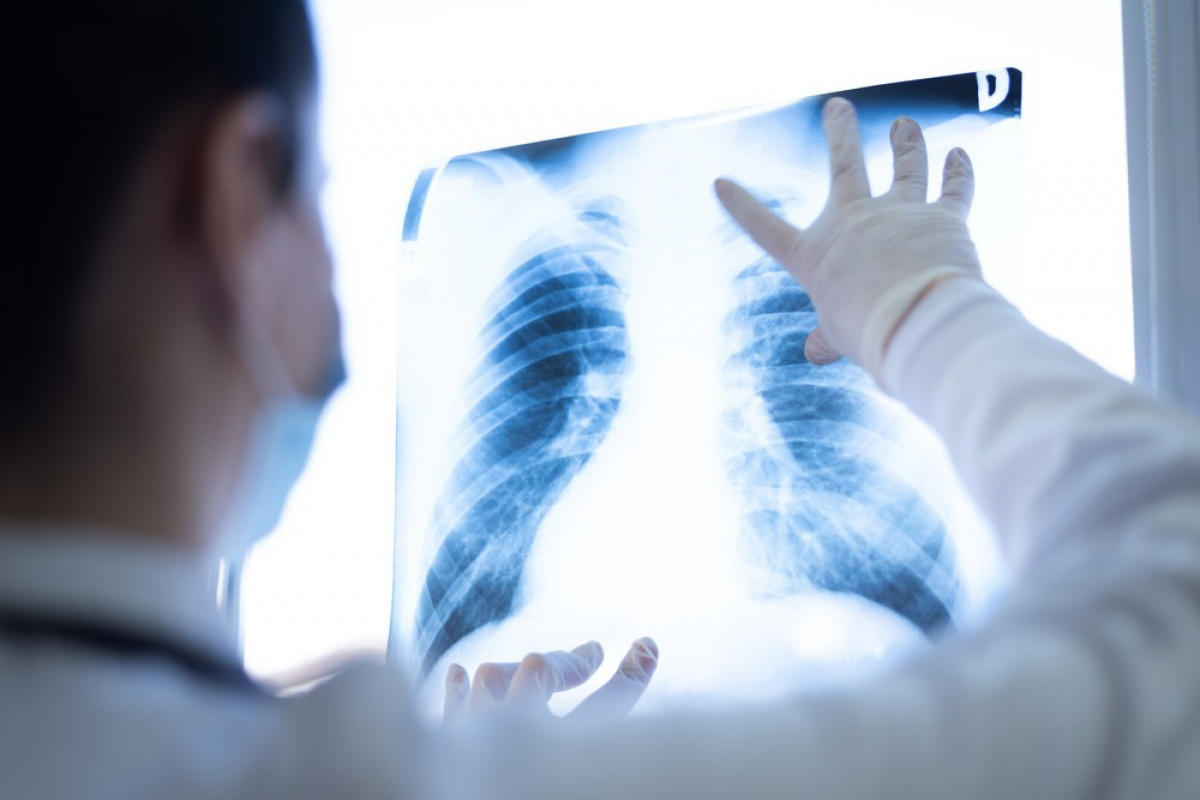
Chronic Obstructive Pulmonary Disease (COPD) is a serious condition affecting millions globally. It causes airflow problems in the lungs. We’ll dive into COPD, its wide reach, and how it impacts breathing.
What is Chronic Obstructive Pulmonary Disease?
COPD includes lung conditions like emphysema and chronic bronchitis. It’s mainly caused by long-term exposure to harmful substances. These can be cigarette smoke, air pollution, or work-related hazards. The Global Initiative for Chronic Obstructive Lung Disease (GOLD) criteria classify COPD into four stages based on lung function tests, helping to measure its severity.
Global Prevalence and Public Health Significance
COPD is a widespread issue, affecting millions. It’s expected to grow due to aging and continued exposure to harmful substances. The World Health Organization (WHO) lists COPD as a top cause of death worldwide. The economic burden of COPD is substantial, with significant costs associated with healthcare utilization and lost productivity. It’s vital to understand COPD’s global impact to develop effective treatments.
|
Region |
COPD Prevalence (%) |
Estimated Number of Cases (millions) |
|---|---|---|
|
North America |
6.3 |
14.4 |
|
Europe |
5.6 |
23.1 |
|
Asia-Pacific |
5.1 |
34.7 |
How COPD Affects the Respiratory System
COPD damages the lungs, causing inflammation and tissue destruction. This leads to breathing problems, such as shortness of breath and wheezing. Effective management of COPD involves a holistic approach, including quitting smoking, medication, and pulmonary rehabilitation, aimed at slowing disease progression and improving quality of life.
Understanding COPD’s impact on the respiratory system helps healthcare providers tailor treatments. This approach can improve patient outcomes and reduce the global burden of COPD.
COPD Mortality Trends and Statistics
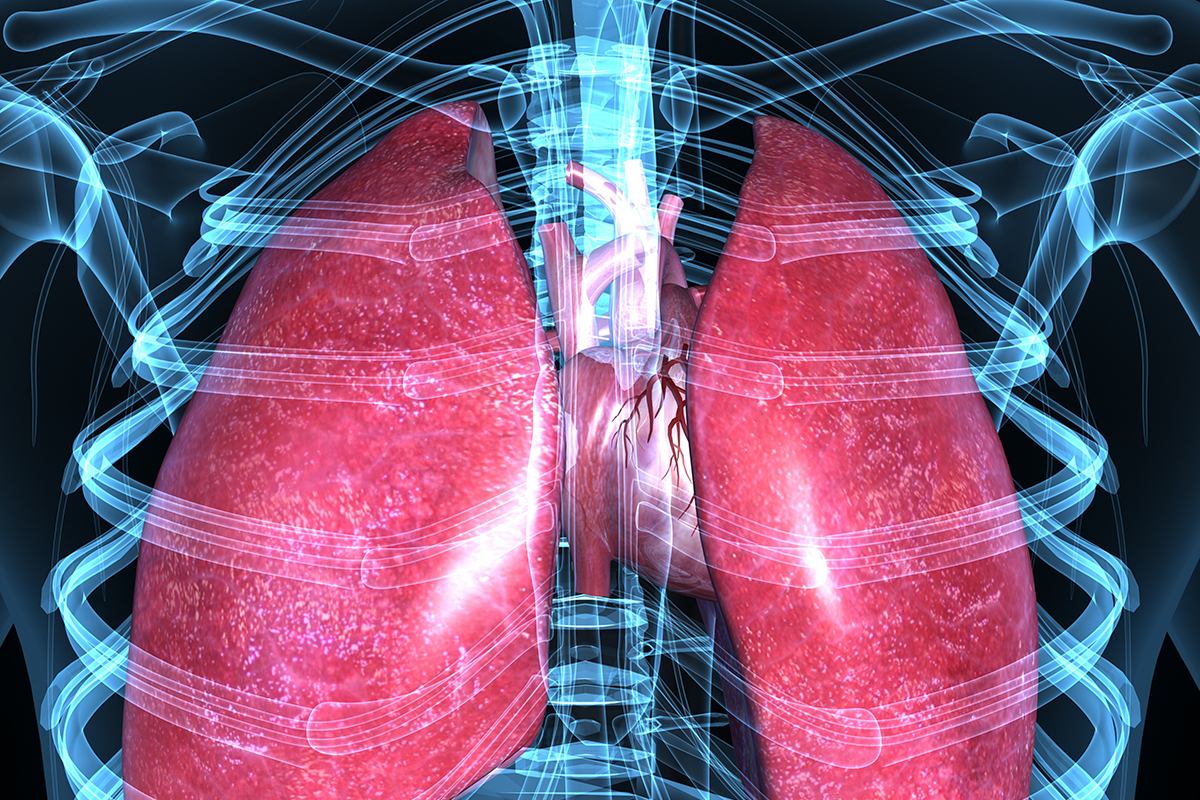
It’s important to know about COPD mortality statistics to understand its impact on health worldwide. COPD is a big public health issue. Looking at mortality trends helps doctors and policymakers plan better.
Historical Mortality Rates
COPD has been a top cause of death globally for years. In recent decades, COPD death rates have kept going up. This is due to more smoking, bad air, and work-related dangers.
Most COPD deaths happen in people over 65. This is because the disease gets worse over time. It also builds up risk factors as people get older.
Recent Decline in COPD Deaths
But, there’s good news. COPD death rates have dropped a lot. From 1990 to 2021, deaths from COPD fell by 37.12%. This is thanks to better healthcare, more awareness, and better treatment plans.
This drop is a good sign. It shows that efforts to cut smoking, clean the air, and treat COPD well are working.
Current Burden of COPD Mortality
Even with the drop, COPD is a big killer worldwide. Most COPD deaths happen after 65. About 85% of deaths are in this age group.
This shows we need to keep working on managing and preventing COPD. Important steps include:
- Helping people quit smoking
- Improving air quality
- Boosting pulmonary rehab services
- Getting people to take their meds
By focusing on these, we can lower COPD death rates. We can also make life better for those with the disease.
The Four Stages of COPD and Survival Rates
The life expectancy of people with COPD changes with each stage of the disease. COPD is divided into four stages, each showing how much lung function is lost. Knowing these stages helps patients and their families plan for the future and choose the right treatments.
Mild COPD (Stage 1)
Stage 1 COPD has only a slight airflow problem. People might not feel sick at all, and it might not be caught until later. But finding it early can really help.
- Forced Expiratory Volume (FEV1) is 80% or more of the predicted value.
- Symptoms may include occasional coughing and sputum production.
- Patients are generally able to perform daily activities without significant limitation.
Moderate COPD (Stage 2)
At Stage 2, symptoms get worse, and breathing gets harder during exercise.
- FEV1 is between 50% and 79% of the predicted value.
- Symptoms worsen, and patients may start to experience exacerbations.
- Lifestyle adjustments and medication become more critical for managing symptoms.
Severe COPD (Stage 3)
Stage 3 COPD shows a big jump in disease severity, with serious airflow problems.
- FEV1 is between 30% and 49% of the predicted value.
- Patients experience significant shortness of breath, even at rest.
- Exacerbations are more frequent and may be life-threatening.
Very Severe COPD (Stage 4)
Stage 4 is the most severe COPD, with very bad airflow problems.
- FEV1 is less than 30% of the predicted value.
- Patients experience extreme shortness of breath and may require supplemental oxygen.
- Quality of life is significantly impacted, and palliative care may be considered.
In conclusion, knowing the four stages of COPD and their survival rates is key to managing the disease well. Recognizing the stage helps both patients and doctors create the best treatment plans and make smart care choices.
Stage 1 COPD Life Expectancy
The life expectancy for those with Stage 1 COPD depends on if they smoke and how they manage their health. Knowing how COPD might affect their life is key for making good health choices.
Impact on Never Smokers
For never smokers with Stage 1 COPD, the impact on life expectancy is small. They usually have a better outlook than smokers. This is because they haven’t damaged their lungs as much, making it easier to manage their COPD.
Key factors contributing to this favorable outlook include:
- Lack of smoking history
- Early diagnosis
- Effective management strategies
Life Expectancy Reduction for Current Smokers
Current smokers with Stage 1 COPD may live 0.3 to 2.2 years less at age 65. This is because smoking harms their lungs, making COPD worse faster.
Quitting smoking is key to reduce this risk and live longer. Programs and strategies to help smokers quit can slow COPD’s progress.
Management Strategies for Early-Stage COPD
Managing early-stage COPD well means making lifestyle changes, taking medicine, and doing pulmonary rehab. These steps can slow the disease and improve life quality.
Recommended management strategies include:
- Pulmonary rehabilitation programs to improve lung function and overall health
- Medications such as bronchodilators to manage symptoms
- Lifestyle changes, including smoking cessation and increased physical activity
By using these strategies, people with Stage 1 COPD can live longer and better.
Advanced COPD and Life Expectancy
As COPD gets worse, knowing how long you might live is key. Advanced COPD makes breathing hard and affects life quality and how long you live.
Stage 3 COPD Survival Rates
Stage 3 COPD means lungs work much less. Symptoms like hard breathing, wheezing, and coughing get worse. How long you live with Stage 3 COPD depends on many things, like smoking and health problems. But, starting treatment early can help a lot.
Stage 4 COPD Average Life Expectancy
Stage 4 COPD is the worst, with very bad breathing. Even sitting can make you very short of breath. People with Stage 4 COPD usually live about 2.5 years. But, life span can change a lot based on health and treatment.
Impact of Continued Smoking on Advanced COPD
Smoking makes advanced COPD worse. It speeds up disease progress and raises the risk of other health issues. Research shows smoking can cut life by 5.8+ years in advanced COPD. So, quitting smoking is very important for managing COPD.
Knowing what to expect with advanced COPD helps plan for the future. By managing the disease well and quitting smoking, patients can live better and longer.
COPD at 30 Life Expectancy: Younger Patients and Prognosis
COPD diagnosed in younger patients brings unique challenges. When someone is diagnosed with COPD at 30, it’s a big worry. We’ll look at early-onset COPD, survival rates, and the outlook for those in their 30s.
Early-Onset COPD Characteristics
Early-onset COPD has its own traits that impact survival. Younger patients might have fewer health issues than older ones. But, they could face a faster disease progression due to genetics or pollution exposure.
Survival Differences Between Young and Older Patients
Younger COPD patients usually live longer after diagnosis than older ones. But, how fast the disease gets worse can differ a lot between people.
|
Age Group |
Average Life Expectancy from Diagnosis |
5-Year Survival Rate |
|---|---|---|
|
30-40 years |
25-30 years |
80-90% |
|
60-70 years |
10-15 years |
50-60% |
Long-Term Outlook for Patients Diagnosed in Their 30s
For those diagnosed with COPD in their 30s, the future depends on several things. These include whether they smoke, their exposure to pollutants, and how well they follow treatment. Making smart lifestyle choices and sticking to treatment plans can greatly improve their chances of living a long and good life.
COPD at 40: Mid-Life Diagnosis and Outcomes
Getting a COPD diagnosis at 40 can change your life. It affects your health now and in the future. At this age, you’re likely working, raising a family, and handling many responsibilities. A COPD diagnosis needs a detailed plan to manage the disease.
Typical Presentation of COPD in Middle Age
COPD in middle age might seem like just getting older. Symptoms include breathing hard during activities, a chronic cough, and more mucus. Spotting these symptoms early is key for quick diagnosis and treatment.
In middle age, COPD often comes from smoking, but pollution and genes also matter. A thorough check-up by a doctor is needed to find the cause and plan treatment.
Life Expectancy Projections for 40-Year-Old Patients
For a 40-year-old with COPD, life expectancy depends on the disease stage, smoking, and other health issues. Early-stage COPD at this age means you can slow the disease’s growth with the right actions.
- Quitting smoking helps you live longer than those who keep smoking.
- Having other health problems, like heart disease or diabetes, can affect how long you live.
- Managing COPD symptoms and related conditions is very important.
Importance of Early Intervention
Acting fast is vital for better outcomes with COPD at 40. This includes stopping smoking, pulmonary rehab, and the right meds. Stopping smoking is very important because it can slow the disease’s progress.
Knowing the impact of a COPD diagnosis at 40 and taking action can improve your life. Healthcare providers are key in helping patients. They offer support and treatments that fit each person’s needs.
Key Factors Affecting COPD Life Expectancy
Knowing what affects COPD life expectancy is key to managing the disease well. Several things can change a person’s outlook, and knowing them helps doctors create better plans.
Smoking Status and Cessation Benefits
Whether someone smokes is a big deal for COPD life expectancy. Not quitting can make the disease worse, but quitting smoking can really help. Studies show quitting can slow down lung function loss and help people live longer.
We suggest helping COPD patients quit smoking with counseling and medicine. Good programs to quit smoking can make life better and longer for these patients.
Comorbidities and Their Impact
Having other health problems, or comorbidities, can also affect COPD life expectancy. These can include heart disease, diabetes, and depression. It’s important to manage these to improve health overall.
|
Comorbidity |
Impact on COPD |
Management Strategy |
|---|---|---|
|
Cardiovascular Disease |
Increases risk of heart-related complications |
Monitor cardiovascular health closely, manage risk factors |
|
Diabetes |
Can complicate COPD management | Maintain tight blood glucose control |
|
Depression |
Can affect adherence to treatment |
Provide mental health support, encourage open communication |
Pulmonary Rehabilitation Effectiveness
Pulmonary rehabilitation includes exercise, education, and changing behavior. It can make it easier to breathe, reduce symptoms, and improve life quality for COPD patients.
Pulmonary rehabilitation programs are made for each patient. They can really help by adding physical therapy and education. This helps patients handle their condition better.
Medication Adherence and Disease Management
Following the doctor’s orders with medication is very important for COPD. Drugs like bronchodilators and inhaled corticosteroids can control symptoms and slow the disease.
We stress how important it is to take medication as directed and keep up with doctor visits. This helps track the disease and adjust treatment plans as needed. Working closely with healthcare providers can make care better and increase life expectancy.
By understanding and tackling these key factors, we can make COPD management more effective. This can lead to better patient outcomes and a better quality of life.
Is COPD Fatal? Understanding End-Stage Disease
COPD can be fatal, and it’s key to understand the risks and what to expect. Chronic Obstructive Pulmonary Disease (COPD) gets worse over time. It can greatly affect a person’s life and how long they live.
Common Causes of Death in COPD Patients
COPD patients face many dangers. We’ll look at the main reasons:
- Respiratory failure
- Cardiovascular events
- Lung cancer
- Pneumonia and other infections
Knowing these risks helps in managing the disease better.
|
Cause of Death |
Percentage |
|---|---|
|
Respiratory failure |
40% |
|
Cardiovascular events |
25% |
|
Lung cancer |
15% |
|
Pneumonia and other infections |
10% |
Average Age of COPD Death
The average age of death for COPD patients is usually over 65. About 85% of deaths happen in this age group. This shows how important it is to manage COPD well, even more so in older adults.
Palliative Care Considerations
Palliative care is very important for end-stage COPD. It aims to ease symptoms and stress from serious illnesses. We suggest talking to a healthcare provider about palliative care options to improve life quality.
Understanding COPD’s fatal risks and the role of palliative care helps patients and caregivers deal with end-stage disease better.
Conclusion: Living with COPD and Improving Outcomes
Managing COPD well is key to a better life for those with this chronic illness. Understanding COPD’s stages and its effect on life expectancy helps us create better care plans. This way, we can support those affected more effectively.
Dealing with COPD means tackling it from all angles. This includes quitting smoking, taking medicine as directed, and joining pulmonary rehab. Our healthcare team works with patients to make plans that fit their needs. This helps them manage the disease better.
Improving COPD outcomes means more than just medicine. It’s about making lifestyle changes and getting ongoing support. With a focus on total care, we can greatly improve the lives of those with COPD. This helps them stay healthy and independent for longer.
At our healthcare institution, we’re all about top-notch care for international patients. Our team is here to give you the best care possible. We make sure every patient gets the support they need to handle their COPD effectively.
FAQ
What is the life expectancy for someone diagnosed with COPD?
Life expectancy for someone with COPD depends on the disease stage, overall health, and lifestyle. People with Stage 1 COPD might live a normal life. But, those with Stage 3 or 4 COPD may face a much shorter life.
How does COPD affect life expectancy?
COPD can greatly shorten life expectancy, mainly if not managed well or if the person smokes. It can cause respiratory failure, heart disease, and other serious issues.
What is the average age of COPD death?
Most COPD deaths happen after age 65. About 85% of deaths occur in this age range.
Can COPD be fatal?
Yes, COPD can be fatal, mostly in advanced stages. Respiratory failure, heart disease, and other complications can lead to death.
How long can someone live with Stage 3 COPD?
Life expectancy for Stage 3 COPD varies. People with severe COPD might live 2.5 to 5 years or more after diagnosis. It depends on several factors.
What are the common causes of death in COPD patients?
Common causes of death in COPD patients include respiratory failure, heart disease, pneumonia, and other disease-related complications.
How does smoking status affect COPD life expectancy?
Smoking status greatly affects COPD life expectancy. Smoking can cut life expectancy by 5.8 years or more. Quitting smoking can improve life expectancy.
What is the impact of comorbidities on COPD life expectancy?
Comorbidities like heart disease, diabetes, and other conditions can greatly affect COPD life expectancy. They can make managing the disease harder and increase mortality risk.
How effective is pulmonary rehabilitation in managing COPD?
Pulmonary rehabilitation is very effective for COPD. It can improve lung function, increase exercise tolerance, and enhance quality of life.
What is the importance of early intervention in COPD management?
Early intervention is key in COPD management. It can slow disease progression, improve outcomes, and increase life expectancy.
Can young patients with COPD have a different prognosis than older patients?
Yes, young patients with COPD may have a different prognosis than older patients. Younger patients often have fewer comorbidities and can benefit more from early intervention and management.
How does COPD affect life expectancy in middle age?
COPD diagnosed in middle age can significantly shorten life expectancy, mainly if not managed well or if the person smokes. Early intervention and management are critical to improving outcomes.
References
National Center for Biotechnology Information. Evidence-Based Medical Guidance. Retrieved from https://pmc.ncbi.nlm.nih.gov/articles/PMC12530367/