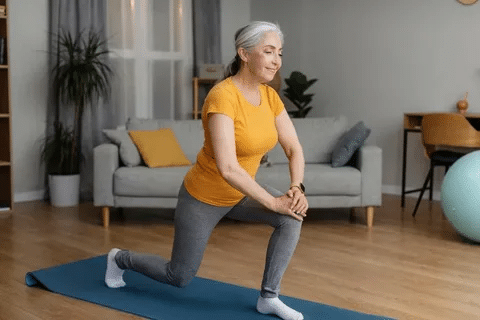
As we get older, keeping our core strength is key for staying healthy and moving well. For women over 60, a strong core is the base for staying independent, balanced, and moving without pain. Studies prove that core stability training boosts balance and cuts down the chance of falling. Discover the best core exercises for women over 60. Learn 10 amazing ways to strengthen your core muscles for better balance and support.
At Liv Hospital, we know how important it is to have fitness plans made just for seniors. We follow the latest in medical care and focus on what’s best for our patients. We see a strong core as more than just looking good; it’s vital for moving around easily and living better.
Key Takeaways
- Core strength is key for women over 60 to stay independent and move easily.
- Low-impact core exercises can greatly improve balance and lower fall risk.
- Tailored core exercises help the spine and make everyday movements possible.
- A strong core makes life better by helping you move without pain.
- Liv Hospital offers full support for senior health and wellness.
The Vital Importance of Core Strength After 60
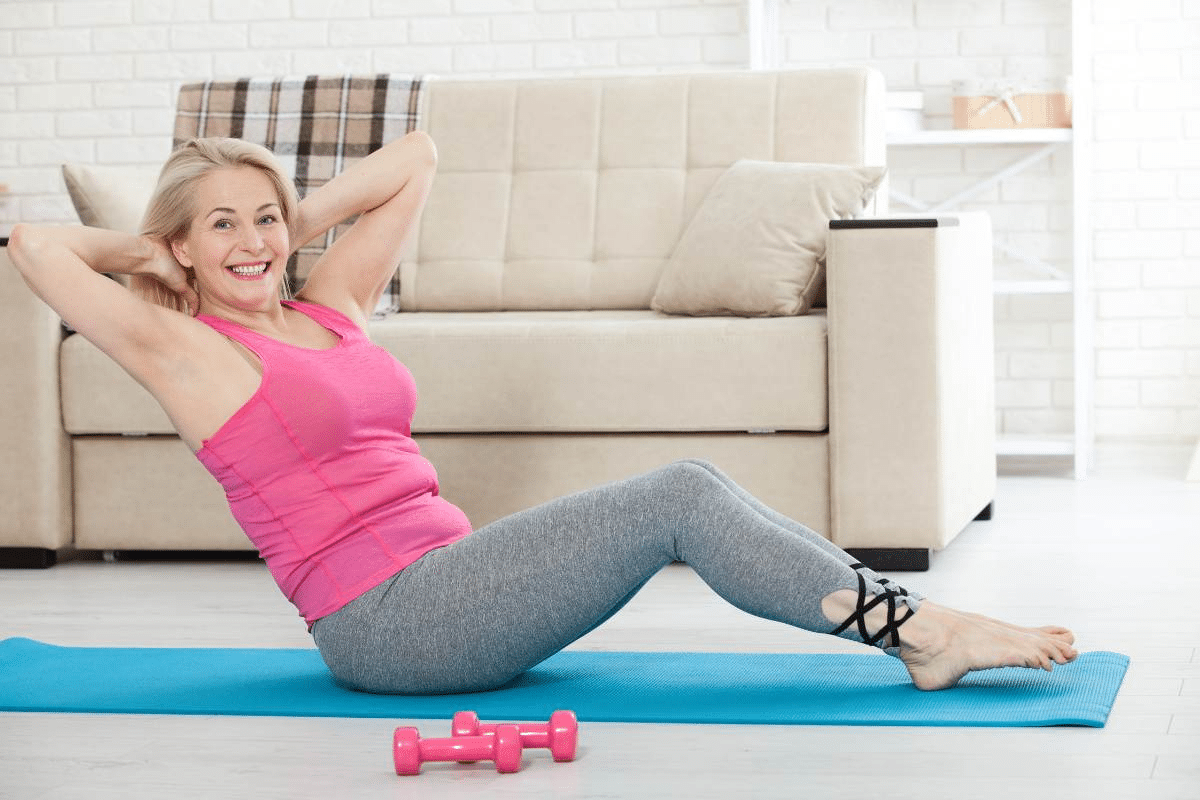
Core strength is key for health after 60. Our bodies change with age, affecting posture, balance, and mobility. Keeping core strength helps support the spine, prevent falls, and boost overall health.
How Core Muscles Support Your Spine and Posture
The core muscles, like the abdominals and back, are vital for spine support and posture. Weak core muscles can cause a curved or slouched posture, straining the spine and leading to back pain. Strengthening these muscles helps women over 60 improve their posture, reduce back pain, and move better.
The Connection Between Core Strength and Fall Prevention
Core strength is also key for preventing falls. A strong core helps with balance and stability, making daily activities safer. Studies show that back pain affects 62.5 percent of older people in care homes. Targeted core exercises are essential for this group. By boosting core strength, women over 60 can lower their fall risk and stay independent.
WHO Physical Activity Recommendations for Older Adults
The World Health Organization suggests 150 minutes of moderate exercise weekly to fight chronic disease, keep mental health, and prevent falls. This can include brisk walking, cycling, or swimming, along with exercises for core strength and flexibility. Following these guidelines helps women over 60 stay physically and mentally healthy.
Understanding Core Exercises for Women Over 60
[Add image here]
As we get older, our core muscles become more important. They help support our spine, keep our posture right, and prevent falls. A strong core is key for balance, stability, and movement as we age. It’s important to know which core exercises are best for women over 60 to get the most benefits safely.
What Makes a Core Exercise “Low-Impact”
Low-impact core exercises strengthen the core without harming the joints. They’re great for older adults because they boost core strength, lower fall risks, and ease back pain. Examples include gentle twists, pelvic tilts, and modified planks.
Characteristics of Low-Impact Core Exercises:
- Gentle on the joints
- Focus on controlled movements
- Emphasis on proper breathing techniques
- Modifications available for different fitness levels
The Science Behind Core Training and Back Pain Relief
Research shows core stability training helps older women with back pain. It improves posture and lowers fall risks. Strengthening the muscles around the spine supports the back better, easing pain and improving life quality.
How Often to Perform These Exercises
For best results, do core exercises 2-3 times a week. Consistency is key for stronger cores and better stability. Always listen to your body and adjust how often and how hard you do them based on how you feel.
|
Exercise Frequency |
Benefits |
Precautions |
|---|---|---|
|
2-3 times per week |
Improved core strength, better posture, reduced risk of falls |
Start slowly, listen to your body, adjust as needed |
|
Daily |
Enhanced stability, improved balance |
Be cautious of overexertion, rest when needed |
Exercise 1: Modified Planks for Beginners
Modified planks are a great start for beginners. They help build core strength gently. This makes them perfect for seniors or those with mobility problems.
Step-by-Step Instructions with Safety Cues
To do a modified plank, start on your hands and knees. Make sure your back is flat and your body is straight. Pull your belly button towards your spine to engage your core.
Hold this position, breathing naturally, for as long as you can. Keep your neck long and avoid letting your hips sag. If your lower back hurts, stop right away.
Modifications for Different Ability Levels
Modified planks can be changed to fit your skill level. If the regular plank is too hard, start on your knees. This makes it easier. For those who are more advanced, try lifting one arm or leg.
|
Ability Level |
Modification |
|---|---|
|
Beginner |
Start on knees instead of toes |
|
Intermediate |
Lift one arm off the ground |
|
Advanced |
Lift one leg off the ground |
Benefits for Overall Core Stability
Modified planks are good for your core stability. They work many muscles at once, like your abs and back. This improves your posture and reduces fall risks.
Adding modified planks to your workout routine boosts your core strength. It also helps with balance and lowers injury risks.
Exercise 2: Seated Core Rotations
Seated core rotations are a low-impact way to boost core strength. This is key for everyday tasks and balance. It’s great for women over 60, helping with rotational movement and core stability.
Proper Technique and Breathing Pattern
To do seated core rotations right, sit on a stable chair with feet flat. Keep a straight posture and engage your core. Rotate your torso slowly to the left and right, with arms relaxed. Breathe naturally, don’t hold your breath.
Chair Selection and Positioning
Choosing the right chair is important. Pick one that’s stable and has a firm seat. Make sure your feet are flat on the floor, with knees at 90 degrees. Adjust the chair height if needed.
How This Exercise Improves Daily Functional Movements
Seated core rotations boost daily movements by improving flexibility and strength. It helps with tasks like reaching or getting in and out of a car.
Adding seated core rotations to your workout routine can improve your physical function. It helps keep you independent in daily life.
Exercise 3: Gentle Pelvic Tilts
Women over 60 can greatly benefit from gentle pelvic tilts. These exercises improve core stability and lower back pain relief. They are simple yet effective, targeting the core muscles that support your spine.
Correct Positioning to Protect Your Back
To do gentle pelvic tilts safely, lie flat on your back. Bend your knees and place your feet on the floor. This setup reduces strain on your lower back. Make sure your back is in a neutral position, avoiding arching or excessive curvature.
Tilt your pelvis upwards and then back down. Repeat this motion in a controlled way.
Progression Options as Strength Improves
When you get better at gentle pelvic tilts, try more repetitions or slower movements. This keeps your core muscles challenged, promoting strength and stability.
Benefits for Lower Back Pain Relief
Gentle pelvic tilts can ease lower back pain. They strengthen the muscles that support your spine and improve posture. This reduces strain on your lower back, leading to less pain and better mobility.
Exercise 4: Supported Bridge Pose
We’re focusing on the supported bridge pose for women over 60. It’s great for strengthening the posterior chain.
Safe Entry and Exit Techniques
To start, lie on your back with knees bent and feet flat on the floor. Keep your feet hip-width apart. Engage your core and lift your hips slowly towards the ceiling, squeezing your glutes and lower back.
It’s key to control the movement to avoid back strain.
When coming out of the pose, lower your hips slowly to the starting position. Keep your core tight. This helps prevent sudden movements that could hurt your spine.
Common Mistakes to Avoid
Don’t arch your back too much, as it can harm your spine. Engage your core and glutes to support your lower back when lifting your hips.
- Lifting the hips too high, causing strain on the lower back
- Not engaging the core, leading to poor posture and possible injury
- Allowing the knees to splay outward, which can put pressure on the hip joints
How This Exercise Strengthens the Posterior Chain
The supported bridge pose is great for the posterior chain. This includes muscles in your lower back, glutes, and hamstrings. Engaging these muscles improves core stability and lowers fall risk.
To get the most out of it, squeeze your glutes and push your heels into the floor as you lift. This activates the posterior chain well.
Exercise 5: Chair-Assisted Standing Side Bends
Chair-assisted standing side bends are a simple yet effective way to strengthen your lateral core muscles and improve balance. This exercise is great for women over 60. It enhances flexibility and stability, reducing the risk of falls.
Proper Alignment and Support
To do chair-assisted standing side bends safely, stand with your feet shoulder-width apart. Hold onto a sturdy chair for support. Keep your back straight and your core engaged. Slowly bend to one side, keeping your arms straight, and then return to the starting position. Repeat on the other side.
Key Points for Proper Alignment:
- Keep your feet shoulder-width apart for stability.
- Hold the chair firmly with one hand.
- Maintain a straight back throughout the exercise.
Recommended Repetitions and Sets
Start with 2 sets of 5 repetitions on each side. As you get stronger, you can do 3 sets of 10 repetitions. Always listen to your body and don’t overexert yourself.
|
Level |
Sets |
Repetitions |
|---|---|---|
|
Beginner |
2 |
5 |
|
Intermediate |
3 |
8 |
|
Advanced |
3 |
10 |
Benefits for Lateral Core Muscles and Balance
Chair-assisted standing side bends target the lateral core muscles. These muscles are key for good posture and balance. Strengthening them improves your stability and reduces the risk of falls.
“Exercise is a celebration of what your body can do, not a punishment for what you ate.” – Unknown
Regularly doing chair-assisted standing side bends can greatly improve your balance and core strength. This enhances your quality of life.
Exercise 6: Seated Knee Lifts
Seated knee lifts are great for strengthening core muscles, perfect for women over 60. They are easy to do and very effective in boosting core strength and stability.
Technique for Maximum Core Engagement
To do seated knee lifts right, sit on the edge of a strong chair with your feet on the floor. Lift one knee towards your chest, keeping your back straight and engaging your core. Lower your knee back down and repeat with the other knee. Proper technique is key to avoid back strain and effectively engage your core.
As you lift your knee, breathe out and tighten your abs. Breathe in as you lower it back down. This helps you engage your core better.
Progression to Alternating Knee Lifts
When you get used to lifting one knee at a time, try alternating knee lifts. Lift one knee, then quickly switch to the other, like marching. Alternating knee lifts make the workout harder and challenge your core more.
To smoothly move to alternating knee lifts, start by lifting faster. Keep your form right even as you lift faster.
How This Exercise Improves Functional Movement
Seated knee lifts make daily activities like walking and climbing stairs easier. They strengthen muscles used in these activities. This improves your mobility and lowers the chance of falls.
|
Benefits |
Description |
|---|---|
|
Improved Core Strength |
Enhances stability and balance |
|
Better Functional Movement |
Makes daily activities easier |
|
Reduced Risk of Falls |
Contributes to overall safety and mobility |
Fitness experts say, “Strengthening the core is key to staying independent as we age.” Adding seated knee lifts to your routine helps keep you mobile and improves your life quality.
Exercise 7: Wall-Supported Standing Abdominals
Wall-supported standing abdominals are great for improving balance and stability. They are perfect for seniors because they strengthen the core without straining the back.
Setting Up With Proper Support
To do this exercise right, stand with your back against a wall and feet apart. This setup helps keep your posture correct and supports your body.
Key Setup Points:
- Ensure your feet are shoulder-width apart for stability.
- Keep your back against the wall to maintain proper posture.
- Engage your core muscles to support your lower back.
Movement Patterns and Variations
Start by engaging your core and lifting your knees towards your chest, one at a time. You can also do a standing abdominal contraction. Adjust the exercise’s intensity by changing the speed or height of your knee lifts.
|
Movement Pattern |
Benefits |
|---|---|
|
Lifting knees towards the chest |
Improves core strength and balance |
|
Standing abdominal contraction |
Enhances core stability and overall posture |
Benefits for Balance and Stability
Wall-supported standing abdominals are excellent for balance and stability. They strengthen the core, helping seniors stay independent and lowering fall risks.
Benefits Summary:
- Improves balance and stability.
- Enhances core strength.
- Supports overall posture.
Exercise 8: Gentle Supine Leg Extensions
Gentle supine leg extensions are great for strengthening the deep core muscles. These muscles help keep your posture right, balance good, and your core stable. You lie on your back and lift one leg up, then lower it back down. Do the same with the other leg.
Protecting Your Back During the Exercise
To keep your back safe, make sure to do the exercise right. Press your lower back into the floor and use your core to support your spine. Don’t arch your back or let it leave the floor.
Progression Options for Different Abilities
Start with small leg lifts if you’re new to this. As you get stronger and more flexible, lift your leg higher. For those who are more advanced, try pausing at the top of the lift or do more reps.
Benefits for Deep Core Muscles
Gentle supine leg extensions are great for the deep core muscles, like the transverse abdominis. Strengthening these muscles can improve your posture, lower back pain, and overall core stability.
Key Benefits:
- Improved core stability
- Enhanced posture
- Reduced risk of lower back pain
Here’s how to progress with gentle supine leg extensions based on your ability:
|
Ability Level |
Leg Lift Height |
Repetitions |
|---|---|---|
|
Beginner |
Small (about 6 inches) |
5-10 |
|
Intermediate |
Moderate (about 12 inches) |
10-15 |
|
Advanced |
High (about 18 inches or more) |
15-20 |
Adding gentle supine leg extensions to your workout can boost your core strength and stability. Always focus on doing the exercise correctly and adjust it to fit your level.
“Exercise is a celebration of what your body can do, not a punishment for what you ate.” – Unknown
Exercise 9: Modified Bird Dog for Core Stability
The modified bird dog exercise is great for women over 60. It boosts balance, coordination, and core strength. It’s a key part of a good fitness plan.
Starting with Table-Top Position Safely
Start by getting into a table-top position on your hands and knees. Make sure your hands are under your shoulders and knees under hips. Pull your navel towards your spine to engage your core.
Proper alignment is vital to avoid strain and get the most from the exercise. Keep your back straight and don’t let it arch. If it’s hard or uncomfortable, try dropping to your forearms instead.
Building Up to the Full Movement
When you’re ready, move to the modified bird dog. Lift your right arm and left leg straight out. Hold for a moment, then lower back down. Do the same on the other side by lifting your left arm and right leg.
Breathing is important during this exercise. Breathe in as you prepare to lift, and out as you lift. Don’t hold your breath to avoid tension.
How This Exercise Improves Coordination and Balance
The modified bird dog exercise is great for improving coordination and balance. It works many muscles at once. This strengthens the core and improves body function, reducing fall risks.
Doing this exercise regularly can make daily tasks easier. It’s all about balance and coordination. Try to do it several times a week for best results.
Exercise 10: Seated Abdominal Contractions
Doing seated abdominal contractions regularly strengthens your core muscles. This is key for good posture all day. It’s great for women over 60 because you can do it while sitting.
Proper Breathing and Muscle Activation
To do seated abdominal contractions right, focus on breathing and muscle use. Sit on a chair with your feet on the floor. Pull your belly button towards your spine to engage your core. Hold this for a few seconds before letting go. Breathe naturally, don’t hold your breath.
When you contract your abs, you’ll feel a gentle tightness. This means you’re using the right muscles. Using the right technique is important for getting the most from this exercise.
Incorporating into Daily Activities
Seated abdominal contractions are versatile. You can do them while sitting at your desk, waiting in line, or during breaks. Doing it regularly makes it a habit, keeping your core strong and your posture good.
A study shows that doing core exercises regularly can lower the risk of falls in older adults.
“Core strength is fundamental to overall physical stability and functional ability.”
By adding seated abdominal contractions to your daily routine, you’re helping keep yourself independent and mobile.
Benefits for Postural Support Throughout the Day
Seated abdominal contractions help keep your posture strong by strengthening your core. This exercise lessens back strain, making you more comfortable and reducing back pain.
- Improves core strength
- Enhances postural support
- Can be done anywhere while seated
- Reduces the risk of back pain
By making seated abdominal contractions part of your daily routine, you’ll enjoy these benefits and more. This leads to a healthier, more active life.
Conclusion: Building Your Sustainable Core Routine
Creating a lasting core routine is key to long-term benefits. It’s vital to be consistent with core exercises, like those for women over 60. Try to do these exercises 2-3 times a week to boost your core strength and stability.
Adding these exercises to your daily routine can improve your posture and lower fall risks. We suggest making them a part of your life to stay healthy and active as you get older.
A good exercise routine is more than just the exercises. It’s about making a habit that lasts. This way, you’ll enjoy a stronger, more stable core and a better life overall.
FAQ
What are the best core exercises for women over 60?
Women over 60 should try modified planks and seated core rotations. Gentle pelvic tilts and supported bridge pose are also good. Chair-assisted standing side bends and seated knee lifts are great too. Wall-supported standing abdominals, gentle supine leg extensions, and modified bird dog are excellent. Seated abdominal contractions are also beneficial. These exercises are low-impact and help improve core strength and balance.
How often should I perform core exercises as a senior?
Seniors should do core exercises 2-3 times a week. Each session should last at least 10-15 minutes. Being consistent is key to seeing long-term benefits.
Can core exercises help alleviate lower back pain?
Yes, exercises like gentle pelvic tilts and seated abdominal contractions can help. They strengthen the muscles that support the spine and improve posture.
Are low-impact core exercises suitable for seniors with mobility issues?
Yes, low-impact core exercises are good for seniors with mobility issues. Many can be modified to fit different abilities. Some can even be done while seated or with support.
How do I incorporate core exercises into my daily routine?
Start by setting a specific time and day for core exercises. Begin with short sessions and gradually increase the time. You can also do some exercises while watching TV or during breaks.
What are the benefits of core stability training for seniors?
Core stability training improves postural control and reduces fall risk. It enhances balance and mobility. It can also help with lower back pain and improve quality of life.
Can I do core exercises if I have a history of back problems?
Yes, but first, talk to a healthcare professional. They can help you modify exercises to fit your needs and abilities.
How do I know if I’m doing core exercises correctly?
Focus on proper technique and engage your core muscles. Keep your spine neutral. Working with a healthcare professional or fitness expert can also help.
References
National Center for Biotechnology Information. Core Exercises: Strengthening Stability for Women Over 60. Retrieved from https://www.ncbi.nlm.nih.gov/pmc/articles/PMC4242935/