Bronchitis is a common respiratory condition that affects millions of people worldwide. It comes in two forms: one that goes away on its own and another that sticks around. Knowing the difference between these two types is key for the right diagnosis and treatment acute vs chronic bronchitis.
Acute and chronic forms of bronchitis are quite different. One is short-lived, while the other is a long-term condition, part of Chronic Obstructive Pulmonary Disease (COPD).
We will dive into these differences in detail. This will help clarify the characteristics and health impacts of each type. By understanding these differences, patients can make better choices about their diagnosis and treatment.
Key Takeaways
- Bronchitis can be either acute or chronic, with distinct differences in duration and health impact.
- Acute form is typically temporary, resolving within weeks.
- Chronic form is a long-term condition and part of COPD.
- Understanding the differences is key for proper diagnosis and treatment.
- Each type has different clinical implications and treatment approaches.
Understanding Bronchitis: The Basics
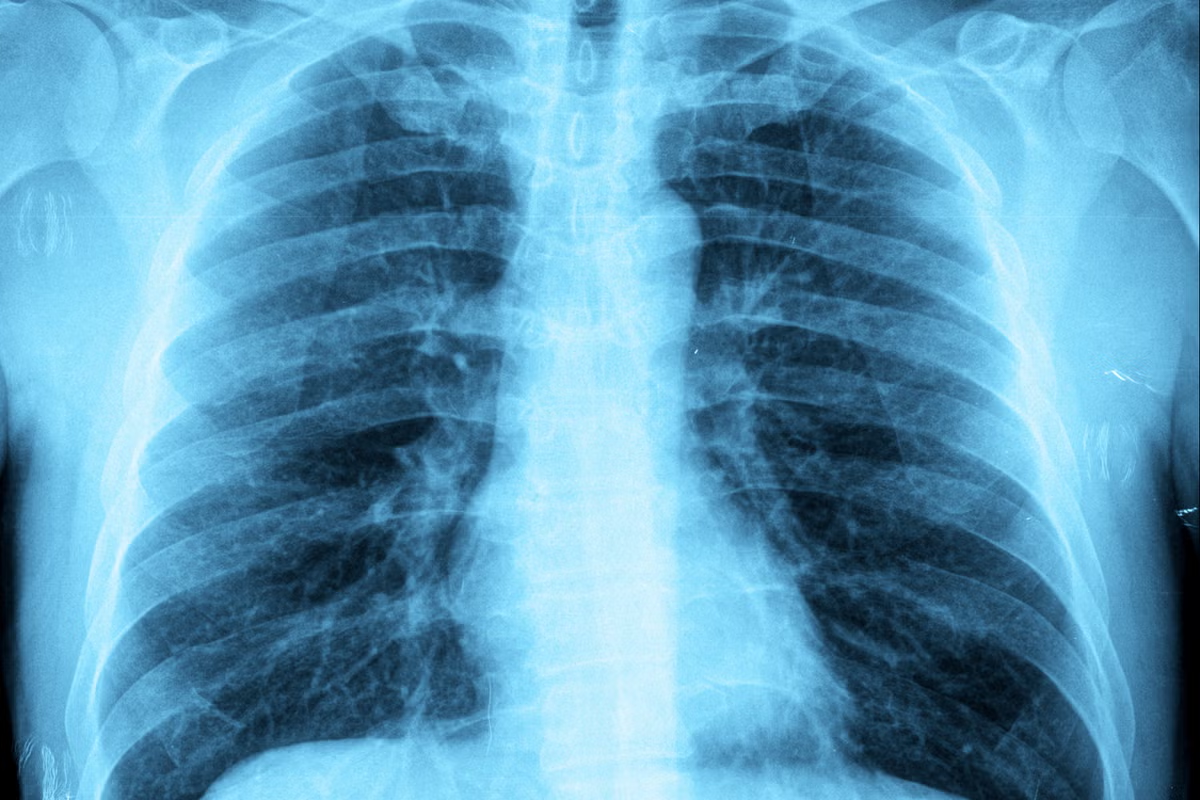
The bronchial tubes are vital for our breathing. Knowing how bronchitis affects them helps us understand the condition better. Bronchitis is when these tubes get inflamed, making it hard for air to reach the lungs.
What Happens in the Bronchial Tubes
When bronchitis strikes, the bronchial tubes get inflamed. This can happen due to infection or from breathing in harmful substances. The inflammation makes the airways narrow and harder to breathe through.
The Impact on Breathing: The airways getting narrower and more mucus makes breathing tough. This is a big problem for people with breathing issues already.
Common Triggers of Bronchial Inflammation
Many things can set off bronchitis. These include:
- Viral Infections: Viruses like those causing the common cold and flu often lead to bronchitis.
- Bacterial Infections: Though rarer, bacteria can also cause bronchitis.
- Environmental Irritants: Smoke, dust, and pollutants can irritate the bronchial tubes, causing inflammation.
Knowing what triggers bronchitis is key to preventing and treating it. By avoiding these triggers, we can lower our risk of getting bronchitis.
Acute vs Chronic Bronchitis: Key Differences
[Add image here]
It’s important to know the difference between acute and chronic bronchitis for proper treatment. Both affect the bronchial tubes but differ in how long they last, symptoms, and causes. This affects how doctors treat patients.
Duration and Pattern of Symptoms
Acute bronchitis is short-term, usually getting better in two to three weeks. It starts suddenly with coughing, mucus, and sometimes fever and tiredness.
Chronic bronchitis lasts longer, at least three months a year for two years. It causes a long-lasting cough and lots of mucus. This shows it’s a more serious condition needing ongoing care.
|
Characteristics |
Acute Bronchitis |
Chronic Bronchitis |
|---|---|---|
|
Duration |
Typically 2-3 weeks |
At least 3 months per year for 2 consecutive years |
|
Symptom Onset |
Sudden onset |
Gradual onset |
|
Cough and Mucus |
Temporary cough and mucus production |
Persistent cough with significant mucus production |
|
Common Causes |
Usually viral infections |
Often associated with smoking and environmental factors |
Underlying Pathophysiology
Acute bronchitis is usually caused by viruses, leading to inflammation and mucus. This causes the cough.
Chronic bronchitis comes from long-term exposure to irritants like smoke and pollution. This causes long-lasting inflammation and changes in the bronchial tubes, making it harder to manage.
Long-term Health Implications
Acute bronchitis doesn’t usually have lasting health effects if treated well. But, having it often can mean there’s something more serious going on.
Chronic bronchitis, part of COPD, has big health risks like breathing problems and heart disease. It needs a detailed plan to manage and improve life quality.
Acute Bronchitis: A Temporary Respiratory Challenge
Acute bronchitis is a short-term respiratory issue often caused by viruses. It usually goes away on its own in a few weeks. We’ll look into its details, including how long it lasts, what causes it, and who’s most at risk.
Typical Duration and Recovery Timeline
Acute bronchitis usually lasts 2-4 weeks. Some symptoms, like coughing, might last up to 6 weeks. The recovery time can vary based on age, health, and any underlying conditions. Symptoms usually peak in the first week and then get better as the body fights off the infection.
It’s important to know that while acute bronchitis often gets better on its own, some people might face more serious issues. We’ll talk about these risks later.
Common Causes of Acute Bronchitis
The main cause of acute bronchitis is a viral infection. The same viruses that cause colds and flu often lead to it. Bacterial infections can also cause it, but this is less common. Other factors include:
- Exposure to irritants like tobacco smoke and air pollution
- Occupational exposure to dust and chemicals
- Underlying health conditions that weaken the immune system
Who Is Most Susceptible
While anyone can get acute bronchitis, some groups face higher risks. These include:
- Young children: Their immune systems are not fully developed, making them more susceptible to infections.
- Older adults: As people age, their immune function declines, making them more vulnerable to infections.
- Smokers: Smoking damages the lungs and makes it harder to fight off infections.
- People with underlying health conditions: Conditions like asthma, COPD, and heart disease can increase the risk of acute bronchitis.
It’s also important to note that bronchitis can sometimes cause other symptoms like gastrointestinal upset. But, whether bronchitis can cause diarrhea is not clear-cut. Some people might experience stomach issues due to the infection or medication side effects. Yet, diarrhea is not a main symptom of acute bronchitis.
Chronic Bronchitis: A Long-term Respiratory Condition
Chronic bronchitis is a serious lung disease. It makes it hard to breathe and causes a cough that lasts a long time. Knowing how to spot it and what causes it is key to treating it well.
Diagnostic Criteria for Chronic Bronchitis
To diagnose chronic bronchitis, doctors look at symptoms and medical history. A cough that lasts at least three months each year for two years in a row is a main sign. They also check if you’ve been exposed to harmful things like smoke or pollution.
The steps to diagnose include:
- Checking how long and often you cough
- Seeing if you cough up mucus
- Looking at your history of exposure to harmful things
- Doing lung function tests
Relationship to COPD
Chronic bronchitis is a big part of COPD, a bigger lung disease. COPD makes it hard to breathe and can’t be fully fixed. Both diseases share the same risk factors and often happen together.
Handling chronic bronchitis means treating COPD too. This includes:
- Stopping smoking
- Using medicines to control symptoms
- Doing lung exercises to get better
Risk Factors and Contributing Conditions
Many things can lead to chronic bronchitis. Smoking is the biggest risk, as it harms the airways and lungs. Other risks include pollution, work exposure to dust and chemicals, and family history.
|
Risk Factor |
Description |
Impact on Chronic Bronchitis |
|---|---|---|
|
Smoking |
Damages bronchial tubes and impairs lung function |
High |
|
Environmental Pollutants |
Exposure to pollutants like dust and fumes |
Moderate to High |
|
Occupational Exposures |
Exposure to dust and chemicals at work |
Moderate |
|
Genetic Predisposition |
Family history of respiratory diseases |
Variable |
Knowing about these risks helps prevent and manage chronic bronchitis. Early diagnosis and treatment are key to better health for those with this disease.
Recognizing the Symptoms: How They Differ
It’s important to know the symptoms of acute and chronic bronchitis to get the right treatment. We’ll look at the symptoms of each to help you understand the difference.
Acute Bronchitis Symptom Profile
Acute bronchitis comes on fast, often after a cold or flu. You might cough a lot, have mucus, and feel tired or have a fever. These symptoms get better in a few weeks.
Chronic Bronchitis Symptom Progression
Chronic bronchitis has a cough that lasts for months or years. It also includes wheezing and trouble breathing. These symptoms get worse over time.
Overlapping Symptoms That Can Cause Confusion
Acute and chronic bronchitis share some symptoms like coughing and mucus. But, how long these symptoms last and how they change is key. Knowing these differences helps doctors diagnose and treat you right.
Let’s compare the symptoms:
|
Symptom |
Acute Bronchitis |
Chronic Bronchitis |
|---|---|---|
|
Cough Duration |
Typically less than 3 weeks |
At least 3 months in 2 consecutive years |
|
Symptom Progression |
Rapid onset, gradual improvement |
Gradual progression, worsening over time |
|
Common Symptoms |
Cough, mucus, fever, fatigue |
Productive cough, wheezing, shortness of breath |
By looking at symptoms and how they change, doctors can tell acute from chronic bronchitis. This helps in creating better treatment plans.
Diagnosis and Medical Assessment
Getting a correct diagnosis for bronchitis is key for good treatment. We will explain how to diagnose both acute and chronic bronchitis. This includes any tests or evaluations needed.
Diagnostic Approaches for Acute Bronchitis
Diagnosing acute bronchitis mainly involves looking at symptoms and medical history. We check how long and how bad symptoms are, like coughing, mucus, and fever or tiredness.
Usually, more tests are not needed for acute bronchitis. But, if symptoms don’t get better or get worse, we might need to look for other problems or diseases.
Testing and Evaluation for Chronic Bronchitis
Diagnosing chronic bronchitis is more detailed. It includes a full medical history, physical check-up, and tests like spirometry to check lung health.
We also look at smoking history, pollution exposure, and other lung issues when diagnosing chronic bronchitis.
Ruling Out Other Respiratory Conditions
To make sure we have the right diagnosis, we must rule out other lung problems. These include pneumonia, asthma, or COPD, which can have similar symptoms.
Tests like chest X-rays, blood tests, and lung function tests help tell bronchitis apart from these other conditions.
The table below shows the main ways to diagnose acute and chronic bronchitis:
|
Diagnostic Approach |
Acute Bronchitis |
Chronic Bronchitis |
|---|---|---|
|
Clinical Evaluation |
Primary method |
Essential component |
|
Spirometry |
Rarely needed |
Commonly used |
|
Chest X-ray |
Usually not required |
May be used to rule out other conditions |
Treatment Approaches and Management Strategies
Bronchitis treatment changes based on if it’s acute or chronic. We’ll look at how to manage both types. This ensures patients get the right care for their condition.
Acute Bronchitis Treatment Options
For acute bronchitis, we focus on easing symptoms and helping the body heal. Rest and hydration are key. They help fight off the infection and speed up recovery.
We might suggest over-the-counter meds for cough and fever. But, we tell patients to use cough medicines wisely. Coughing helps clear mucus from the lungs.
Chronic Bronchitis Management Plan
Chronic bronchitis needs a detailed, long-term plan. Bronchodilators and inhaled corticosteroids help open airways and reduce swelling.
Changing your lifestyle is also important. We urge patients to stop smoking and avoid harmful pollutants. These steps help manage symptoms better.
When Antibiotics Are (and Aren’t) Appropriate
Antibiotics work only on bacterial infections, not viral ones. For acute bronchitis, we usually don’t prescribe antibiotics unless it’s a bacterial infection.
Home Remedies and Supportive Care
There are also home remedies for bronchitis. Staying hydrated by drinking lots of fluids is key. It makes mucus thinner, making it easier to cough up.
Using a humidifier can also help. It adds moisture to the air, soothing irritated airways. We suggest these measures for both acute and chronic bronchitis.
Understanding the difference between acute and chronic bronchitis is important. Using the right treatment strategies can help patients manage their condition better. This improves their quality of life.
Complications and When to Seek Medical Help
Bronchitis can cause serious problems, whether it’s acute or chronic. Both types have similar symptoms but different complications. These complications can vary in severity and impact.
Potential Complications of Acute Bronchitis
Acute bronchitis is usually caused by a virus. It can sometimes turn into a bacterial infection. A common complication is pneumonia, which inflames the lungs’ air sacs.
Other issues include:
- Bronchiolitis, an inflammation of the small airways
- Worsening of underlying health conditions such as asthma or chronic obstructive pulmonary disease (COPD)
- In rare cases, acute bronchitis can lead to respiratory failure, mainly in the elderly or those with weak immune systems.
Serious Complications of Chronic Bronchitis
Chronic bronchitis is a long-term inflammation of the bronchial tubes. It’s a part of COPD. This condition can cause severe and ongoing problems, including:
- Pulmonary hypertension, where the blood pressure in the lungs’ arteries becomes too high, straining the heart.
- Recurring respiratory infections, which can make the condition worse.
- Progressive lung damage, potentially leading to respiratory failure.
Red Flags That Require Immediate Medical Attention
It’s important to know when to seek medical help right away. Look out for these signs:
- Difficulty breathing or shortness of breath at rest
- Chest pain or tightness
- Coughing up blood or rust-colored mucus
- Fever above 102°F (39°C)
- Worsening of symptoms, such as increased wheezing or coughing
If you or someone you know shows these symptoms, get medical help fast. Quick action can prevent more problems and improve health outcomes.
Living with Bronchitis: Quality of Life Considerations
Bronchitis, whether acute or chronic, greatly affects one’s quality of life. It’s important to know the differences between acute bronchitis and chronic bronchitis to manage it well.
Managing Acute Bronchitis at Home
At home, managing acute bronchitis means resting, drinking lots of water, and using over-the-counter meds. Drinking water helps thin out mucus, making it easier to cough up. A humidifier can also help by adding moisture to the air, easing a dry cough.
As Medical Expert, a pulmonologist, notes, “Rest is key for recovering from acute bronchitis. It helps the body fight off the infection better.”
Long-term Strategies for Chronic Bronchitis
For chronic bronchitis, long-term strategies are essential. Avoiding irritants like smoke and pollution is important. Pulmonary rehab programs can also help, with exercise, education, and support to manage symptoms and improve life quality.
“Quitting smoking is the most significant step a person with chronic bronchitis can take to improve their condition.”
Emotional and Psychological Impact
Living with bronchitis, and chronic bronchitis in particular, can deeply affect emotions and psychology. The constant nature of the condition and its impact on daily life can cause frustration, anxiety, and depression.
It’s vital for those with bronchitis to get support from healthcare, family, and support groups. Managing the emotional and psychological aspects is as important as treating the physical symptoms.
By having a complete management plan and getting the right support, people with bronchitis can enhance their quality of life. Knowing the difference between acute and chronic bronchitis is the first step to effective management.
Conclusion: Managing Your Respiratory Health
It’s important to know the difference between acute and chronic bronchitis to manage your health better. Acute bronchitis usually gets better on its own, but chronic bronchitis needs ongoing care.
When looking at acute vs chronic bronchitis, the main differences are in symptoms and treatment. Chronic bronchitis has long-term symptoms and risks, unlike acute bronchitis.
So, what sets acute and chronic bronchitis apart? It’s their length, causes, and how they affect your breathing. Knowing these differences helps you make better choices for your health.
We urge you to take charge of your respiratory health, whether facing acute or chronic bronchitis. Working with your doctor and living a healthy lifestyle can help manage symptoms and improve your life.
FAQ
What’s the difference between acute bronchitis and chronic bronchitis?
Acute bronchitis is a short-term illness, often caused by a virus or bacteria. Chronic bronchitis, on the other hand, is a long-term condition. It causes ongoing inflammation and damage to the bronchial tubes.
Can bronchitis cause diarrhea?
Bronchitis mainly affects the lungs. But, some people might also get diarrhea. This happens if the infection also affects the gut.
How do I know if I have acute or chronic bronchitis?
Acute bronchitis lasts a few weeks. Symptoms include cough, mucus, and tiredness. Chronic bronchitis lasts longer. It’s marked by a persistent cough and mucus for at least three months in two years.
What’s the typical age range for developing bronchitis?
Anyone can get bronchitis, but it’s more common in younger adults for acute cases. Chronic bronchitis often affects older adults, mainly those who smoke or are exposed to pollutants.
How is chronic bronchitis diagnosed?
Doctors diagnose chronic bronchitis by looking at your medical history and doing tests. These include spirometry, chest X-rays, and blood tests. They check your lung function and rule out other conditions.
Can I manage bronchitis at home?
Yes, you can manage bronchitis at home. Stay hydrated, use a humidifier, and practice good hygiene. But, always follow your doctor’s advice and seek help if symptoms get worse.
When should I seek medical help for bronchitis?
See a doctor if your symptoms are severe, you have trouble breathing, or chest pain. Also, if your symptoms don’t get better or worsen, it’s a sign you need medical help.
Are antibiotics effective against bronchitis?
Antibiotics work only against bacterial infections. They’re not always needed for bronchitis, which is often viral. But, if a bacterial infection is suspected, antibiotics might be prescribed.
How can I reduce my risk of developing chronic bronchitis?
To lower your risk of chronic bronchitis, avoid smoking and pollutants. Get vaccinated against flu and pneumococcal disease. Also, practice good hygiene to prevent infections.
What’s the impact of bronchitis on quality of life?
Bronchitis can greatly affect your quality of life, more so if it’s chronic. It can cause ongoing symptoms, limit activities, and affect your mood. But, with proper care and support, you can maintain a good quality of life.
References
Crucial Acute Vs Chronic Bronchitis Differences https://www.ncbi.nlm.nih.gov/books/NBK482437/