Learn about death from COPD disease. Discover the critical facts about fatal complications and how to access end-of-life care safely. Chronic Obstructive Pulmonary Disease (COPD) is a serious lung condition. It causes long-term airflow problems, leading to a lot of sickness and death worldwide. We aim to provide caring, evidence-based care to those with this condition.
COPD is a major cause of death globally. In 2021, it caused about 3.5 million deaths, making up 5% of all deaths. It’s important to know about COPD, how it gets worse, and what treatments are available. This knowledge helps improve survival chances and quality of life for those affected.
Key Takeaways
- COPD is a leading cause of death worldwide, claiming millions of lives annually.
- The condition is characterized by long-term airflow limitation, significantly impacting morbidity and mortality.
- Understanding COPD is key for effective care and better patient outcomes.
- There are treatments that can manage symptoms and slow disease progression.
- Compassionate, evidence-based care is vital for supporting COPD patients.
What Is COPD? Understanding the Basics

COPD, or Chronic Obstructive Pulmonary Disease, is a term for several lung conditions. These include emphysema and chronic bronchitis. It’s important for patients and caregivers to understand COPD, as it affects millions worldwide.
Definition and Terminology
COPD is a lung disease that gets worse over time. It causes chronic inflammation and limits airflow in the lungs. The term COPD covers several conditions that make breathing hard.
The term chronic means the disease lasts a long time. Obstructive means airflow is blocked, making breathing tough.
COPD Abbreviation and Meaning
The COPD abbreviation stands for Chronic Obstructive Pulmonary Disease. Knowing what COPD is helps understand its impact on patients.
COPD affects the lungs by blocking airflow. This makes breathing hard.
Types of COPD: Emphysema and Chronic Bronchitis
COPD includes two main lung conditions: emphysema and chronic bronchitis.
- Emphysema damages the air sacs in the lungs, making it hard to breathe out.
- Chronic Bronchitis causes inflammation in the bronchial tubes. This leads to a persistent cough and mucus production.
|
Condition |
Description |
Primary Symptoms |
|---|---|---|
|
Emphysema |
Damage to air sacs in lungs |
Shortness of breath, difficulty exhaling |
|
Chronic Bronchitis |
Inflammation of bronchial tubes |
Persistent cough, mucus production |
Knowing the different types of COPD is key to managing and treating it. Healthcare providers can tailor treatments based on the specific conditions involved.
The Global Impact of COPD

Understanding COPD’s global impact is key to fighting it. It’s a major health issue affecting millions worldwide. It causes a lot of sickness, death, and economic loss.
COPD Epidemiology Worldwide
COPD is a big problem globally. The World Health Organization says it will soon be the third leading cause of death. It’s more common in low-income countries due to air pollution and smoking.
The number of people with COPD is growing. This is because more people smoke and the population is aging. These changes are happening in areas that used to have fewer cases.
Prevalence in the United States
In the U.S., COPD affects over 15 million adults. It’s expected to get worse as the population ages and more people smoke. The Centers for Disease Control and Prevention says COPD leads to a lot of hospital visits and costs a lot of money.
The CDC also notes that COPD is more common in certain groups. This includes women, non-Hispanic whites, and those with lower incomes.
Economic and Social Burden
COPD has a big economic and social impact. The costs include hospital stays, medicines, and lost work time. It also affects caregivers and families, reducing their quality of life.
We need to find ways to prevent and manage COPD. This will help reduce its effects on individuals and society.
Causes and Risk Factors of COPD
Knowing what causes COPD is key to preventing it. By understanding these factors, people can take steps to lower their risk. This can help avoid this serious condition.
Smoking and Tobacco Use
Smoking is the main cause of COPD, responsible for over 70% of cases. Tobacco smoke harms the lungs, causing inflammation and damage. Quitting smoking is the best way to stop COPD from getting worse.
Smokers are much more likely to get COPD than non-smokers. Studies show smokers have a 25-30% chance of getting COPD. Non-smokers have a 5-10% chance.
Environmental and Occupational Exposures
Smoking isn’t the only risk. Exposure to certain pollutants can also lead to COPD. These include:
- Air pollution from traffic and industrial emissions
- Occupational exposure to dust and chemicals in workplaces such as mining, construction, and manufacturing
- Indoor air pollution from biomass fuels used for cooking and heating
Long-term exposure to these pollutants can irritate the lungs. It can make breathing harder and worsen COPD symptoms.
Genetic Factors and Alpha-1 Antitrypsin Deficiency
Genetics also play a big role in COPD. Alpha-1 Antitrypsin Deficiency (AATD) is a genetic disorder. It affects the production of an enzyme that protects the lungs.
People with AATD are more likely to get COPD, even if they don’t smoke. Here’s a table of key risk factors for COPD:
|
Risk Factor |
Description |
Impact on COPD Risk |
|---|---|---|
|
Smoking |
Principal cause of COPD |
Significantly increases risk |
|
Environmental Exposures |
Air pollution, occupational dust and chemicals |
Contributes to COPD development |
|
Genetic Factors |
Alpha-1 Antitrypsin Deficiency |
Increases susceptibility |
Understanding these risk factors helps healthcare providers fight COPD. People at risk should quit smoking and avoid harmful exposures. This can lower their chance of getting COPD.
Recognizing COPD Symptoms and Progression
It’s important to spot COPD symptoms early. COPD is a lung disease that makes it hard to breathe. Knowing the signs can help improve your life.
Early Warning Signs
The first signs of COPD include:
- Shortness of breath when you’re active
- A chronic cough that brings up mucus
- Wheezing sounds when you breathe out
- Chest tightness or pain
These signs can be hard to notice at first. But knowing them can help you get help sooner.
Advanced Symptoms
As COPD gets worse, symptoms get more serious. You might notice:
- Even more shortness of breath, even when you’re sitting
- Frequent respiratory infections like pneumonia
- Swelling in your legs and feet from fluid buildup
- Blue lips or fingers from not enough oxygen
Watching these symptoms closely is key. It helps doctors adjust your treatment.
COPD Exacerbations
COPD exacerbations are when symptoms get much worse. They often need extra medical help. Things like infections or pollution can trigger them.
Signs of a COPD flare-up include:
- More coughing and sputum
- Changes in sputum color or texture
- Worse shortness of breath or wheezing
- Confusion or feeling disoriented in bad cases
Spotting these flare-ups early and getting help fast can make a big difference.
Diagnosis and Staging of COPD
Diagnosing COPD requires a mix of clinical checks and tests. It’s key to know how severe the disease is. This helps doctors create a good treatment plan.
Pulmonary Function Tests
Pulmonary function tests (PFTs) are vital for COPD diagnosis. Spirometry is the main test. It measures how much and how fast air can be inhaled and exhaled.
This test shows how severe the airflow problem is. It looks at the forced expiratory volume in one second (FEV1) and the forced vital capacity (FVC). A low post-bronchodilator FEV1/FVC ratio means there’s airflow limitation.
Imaging and Other Diagnostic Tools
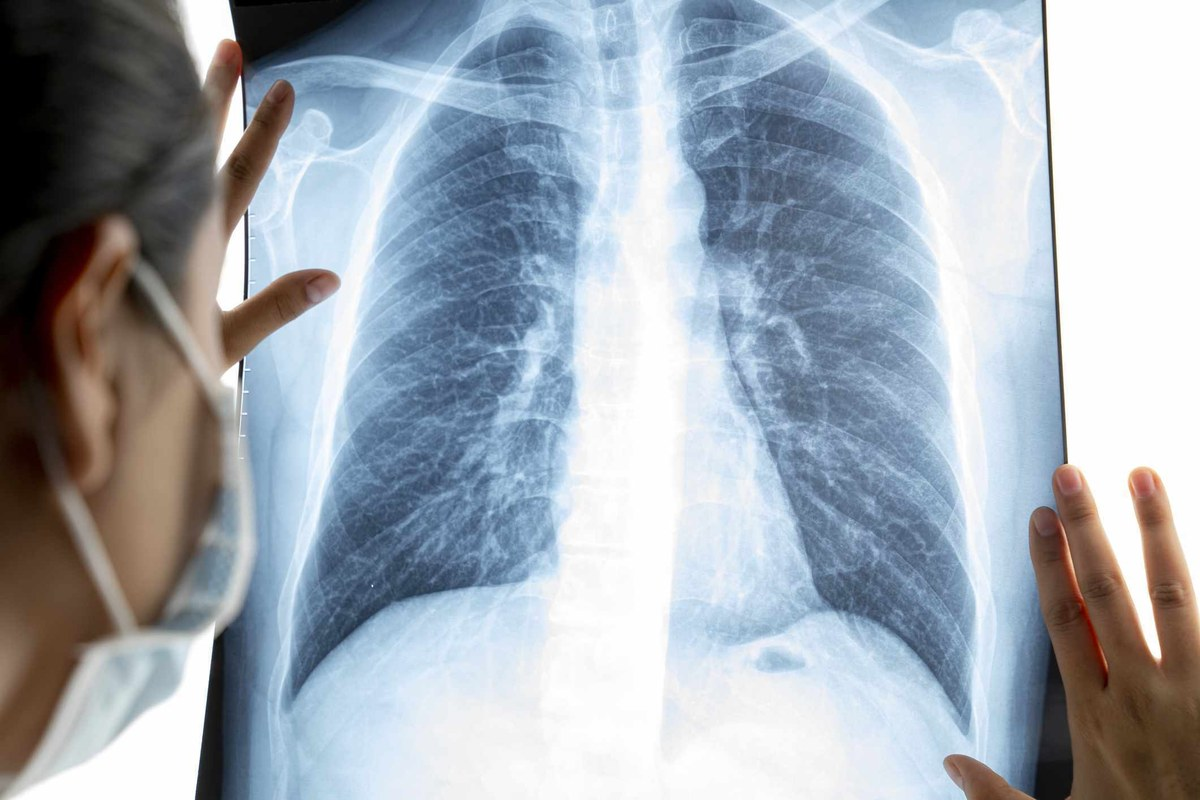
Other tools help diagnose COPD too. Chest X-rays and CT scans check for other conditions and lung damage. They can spot problems like bullae or pneumothorax.
The GOLD Staging System
The Global Initiative for Chronic Obstructive Lung Disease (GOLD) has a staging system. It classifies COPD severity based on symptoms, spirometry, and risk of worsening. The stages are from I (mild) to IV (very severe).
This system looks at airflow limitation, symptoms, and past exacerbations. It helps doctors give care that fits each patient’s needs. This approach improves patient results.
Death from COPD Disease: Understanding Mortality Rates
It’s important to know how many people die from COPD. This disease is a big problem worldwide. It affects a lot of people and causes many deaths.
COPD as a Leading Cause of Death
COPD is a top reason for death around the world. The disease gets worse over time, making it more deadly. We’ll look at why COPD is so deadly.
- More people are smoking and exposed to harmful things.
- More people are getting older.
- Not enough people know about COPD or get diagnosed early.
Mortality Statistics in the United States
In the U.S., COPD is a big killer. The death rates change depending on where you are and how easy it is to get healthcare.
- COPD is the third biggest killer in the U.S.
- Death rates are higher in rural areas than in cities.
- Programs to help people stop smoking have helped lower death rates in some places.
Global Death Rates from COPD
Worldwide, COPD is a big killer, with different rates in different places. The World Health Organization (WHO) says COPD is a big health problem. We’ll look at global death rates and what affects them.
- In rich countries, fewer people die from COPD because of better healthcare.
- Poorer countries have a lot of COPD deaths.
- Poor air and work exposures are big risks for COPD deaths worldwide.
Knowing how many people die from COPD helps us see why we need to keep working on it. We need to prevent it, diagnose it early, and manage it well.
Complications That Can Lead to Death in COPD Patients
It’s key to know the complications of COPD to manage it well and lower death risk. COPD patients face many serious complications.
Respiratory Failure
Respiratory failure is a big problem for COPD patients. It happens when lungs can’t get enough oxygen or remove carbon dioxide. This stops organs from working right.
Respiratory failure in COPD patients comes from COPD getting worse over time. To handle it, doctors use oxygen and sometimes a machine to breathe.
Cardiovascular Complications
Heart problems are a big worry for COPD patients. These include heart failure, irregular heartbeats, and blocked arteries. COPD and heart disease are linked through inflammation and other factors.
|
Cardiovascular Complication |
Description |
Management Strategies |
|---|---|---|
|
Heart Failure |
A condition where the heart cannot pump enough blood to meet the body’s needs. |
Medications, lifestyle changes, and in severe cases, heart transplantation. |
|
Arrhythmias |
Abnormal heart rhythms that can be too fast, too slow, or irregular. |
Medications, cardioversion, and catheter ablation. |
|
Coronary Artery Disease |
A condition where the coronary arteries become narrowed or blocked. |
Lifestyle changes, medications, angioplasty, and coronary artery bypass grafting. |
Infections and Pneumonia
Infections, like pneumonia, are a big risk for COPD patients. These can make symptoms worse and cause serious problems. Getting flu and pneumococcus vaccines is very important.
Other Life-Threatening Complications
COPD patients can also face pulmonary embolism, pneumothorax, and depression. These add to the challenges of managing COPD and can increase death risk.
We stress the need for full care for COPD patients. This includes treating respiratory issues and heart problems. Knowing these risks helps doctors make better plans to help patients live better.
Treatment Options for COPD
COPD treatment involves many strategies to help symptoms and improve life quality. It’s important to tailor care to each patient’s needs and disease severity.
Medications and Inhalers
Medicines are key in managing COPD symptoms. Bronchodilators relax airway muscles, making breathing easier. Inhalers, like metered-dose and dry powder, deliver these medicines.
Combining different medicines is often necessary. This may include:
- Short-acting bronchodilators for quick relief
- Long-acting bronchodilators for ongoing management
- Inhaled corticosteroids to reduce inflammation
- Phosphodiesterase-4 inhibitors for severe COPD
Oxygen Therapy
Oxygen therapy is vital for severe COPD. It adds oxygen to the blood, easing shortness of breath and improving health.
It’s recommended for those with low blood oxygen, below 88%. The goal is to keep oxygen levels above 90% at rest and during activity.
|
Oxygen Therapy Benefits |
Description |
|---|---|
|
Improved Oxygenation |
Increases blood oxygen levels, reducing hypoxemia |
|
Reduced Shortness of Breath |
Eases breathing difficulties, enhances exercise tolerance |
|
Enhanced Quality of Life |
Improves overall well-being and functional capacity |
Pulmonary Rehabilitation
Pulmonary rehabilitation includes exercise, education, and support. It helps manage COPD symptoms and improves life quality.
“Pulmonary rehabilitation is a cornerstone in the management of COPD, addressing physical and emotional needs.” COPD Foundation
We encourage patients to join pulmonary rehabilitation programs. They have been shown to:
- Improve exercise tolerance and endurance
- Enhance symptom management
- Reduce hospitalizations and healthcare utilization
Surgical Interventions
Surgical options are considered for COPD management. These include:
- Lung volume reduction surgery (LVRS) to remove damaged lung tissue
- Endobronchial valves to reduce lung hyperinflation
- Lung transplantation in advanced cases
We evaluate each patient’s suitability for surgery. We consider disease severity, overall health, and benefits.
Prevention Strategies and Risk Reduction
Effective prevention strategies can greatly reduce COPD cases. Understanding risk factors and taking action early can help. This way, people can lower their risk of getting this serious condition.
Smoking Cessation
Stopping smoking is key to preventing COPD. Smoking is the main cause of COPD globally. Quitting can greatly lower your risk. Many programs and resources are out there to help you stop smoking.
“Quitting smoking is not easy, but with the right support and resources, it is achievable. Nicotine replacement therapy, counseling, and support groups can all play a critical role in helping individuals overcome their addiction.”
Here are some effective ways to quit smoking:
- Nicotine replacement therapy
- Prescription medications
- Counseling and support groups
- Alternative methods such as acupuncture and hypnosis
Environmental Protection
Reducing exposure to pollutants is vital for COPD prevention. This means avoiding secondhand smoke, household pollution from cooking, and work-related dust and chemicals.
|
Environmental Factor |
Prevention Strategy |
|---|---|
|
Secondhand Smoke |
Avoid smoking areas, encourage smokers to quit |
|
Household Air Pollution |
Use cleaner cooking fuels, improve ventilation |
|
Occupational Exposures |
Use protective gear, follow safety guidelines |
Vaccination and Infection Prevention
Vaccines against flu and pneumococcal disease can prevent infections that worsen COPD. Good hygiene, like washing hands often, also helps prevent respiratory infections.
By using these prevention strategies, people can lower their risk of getting COPD or slow its progress if they have it. It’s never too late to improve your lung health.
Prognosis and Life Expectancy with COPD
Knowing what to expect with Chronic Obstructive Pulmonary Disease (COPD) is key for patients and their families. The outlook for COPD patients changes a lot based on different things.
Factors Affecting Survival Rates
Several important factors affect how long COPD patients can live. These include:
- Disease Severity: The stage of COPD, as shown by the GOLD system, is very important.
- Smoking Status: Smoking can make things worse, but quitting can help a lot.
- Comorbidities: Having other health issues, like heart disease or diabetes, can also affect survival.
- Treatment Adherence: Following treatment plans and making lifestyle changes can make a big difference.
Can You Die from Chronic Obstructive Pulmonary Disease?
COPD is a serious illness that can shorten life expectancy. The World Health Organization (WHO) says COPD is a major killer worldwide. In the United States, it’s among the top reasons for death, with death rates depending on age, smoking, and how severe the disease is.
Improving Outcomes and Quality of Life
Even though COPD is a chronic and irreversible disease, there are ways to make life better:
- Pulmonary Rehabilitation: This program includes exercise, education, and support to boost lung function and health.
- Oxygen Therapy: Getting extra oxygen can help increase blood oxygen levels, easing breathing and improving well-being.
- Medication Adherence: Taking medications as directed can help manage symptoms and slow disease progress.
- Lifestyle Changes: Quitting smoking, eating well, and staying active can greatly improve life quality.
By knowing what affects COPD prognosis and making efforts to improve, patients can live more fulfilling lives despite their condition.
Conclusion: The Facts About COPD and Future Directions
Understanding COPD is key to better management and quality of life for those affected. We’ve looked into COPD’s causes, symptoms, diagnosis, and treatments.
Managing COPD requires a mix of medications, oxygen therapy, pulmonary rehab, and lifestyle changes. Knowing the COPD facts helps us see why early diagnosis and treatment are so important.
Research into COPD research is helping us understand the disease better and find new treatments. Future COPD management might include more tailored treatments and new therapies.
As we look ahead, supporting COPD research and education is vital to improve patient outcomes. Together, we can make life better for those with COPD and look forward to new future directions in care.
FAQ
What does COPD stand for?
COPD stands for Chronic Obstructive Pulmonary Disease. It’s a lung disease that makes breathing hard.
What are the main types of COPD?
COPD has two main types: emphysema and chronic bronchitis. Both can limit airflow and make breathing tough.
What are the primary risk factors for developing COPD?
Main risks for COPD include smoking and being exposed to pollutants and chemicals. Genetics, like alpha-1 antitrypsin deficiency, also play a role.
How is COPD diagnosed?
Doctors use spirometry and other tests to diagnose COPD. They also look at your medical history and do physical exams and imaging tests.
What is the GOLD staging system for COPD?
The GOLD system stages COPD based on how bad the airflow limitation is. It ranges from mild (GOLD 1) to very severe (GOLD 4).
Can COPD be a cause of death?
Yes, COPD can be fatal if not treated well. It can lead to severe breathing problems or other serious issues.
What are the common complications of COPD that can lead to mortality?
Serious complications of COPD include respiratory failure and heart disease. Pneumonia and infections are also risks.
What treatment options are available for managing COPD?
Treatments for COPD include medicines like bronchodilators and corticosteroids. Oxygen therapy, pulmonary rehab, and sometimes surgery are also options.
How can COPD be prevented?
Preventing COPD means avoiding smoking and pollutants. Getting flu and pneumococcus vaccines can also help.
What is the prognosis for someone with COPD?
COPD’s outlook depends on its severity and any other health issues. Effective treatment and lifestyle changes can improve life and survival chances.
Can you die from chronic obstructive pulmonary disease?
Yes, COPD can be deadly, mainly in advanced stages or with complications. Early diagnosis and treatment are key.
References
https://www.ncbi.nlm.nih.gov/books/NBK559281