Angiopathy is a term used in medicine to describe diseases that affect blood vessels. This includes arteries, veins, capillaries, and lymph vessels. Taber’s Medical Dictionary explains that it covers many vascular diseases define angiopathy.
Knowing about angiopathy is important for spotting and treating related health issues. It helps in identifying damage to both small and large blood vessels. This knowledge is vital for catching vascular diseases early and managing them well.
Key Takeaways
- Angiopathy refers to diseases affecting blood vessels.
- It encompasses various vascular pathologies.
- Understanding angiopathy is key for diagnosis and management.
- Early detection is essential for effective management.
- Healthcare institutions stress the importance of patient education.
Understanding Angiopathy

The term angiopathy covers many vascular diseases. It includes damage to small blood vessels and big artery problems. This condition affects blood vessels, causing health issues.
The Medical Definition of Angiopathy
Angiopathy is a disease of blood vessels. It can be caused by diabetes, high blood pressure, and genetics. The medical term angiopathic disease means changes in blood vessel walls that make them not work right.
This condition can show up in different ways, such as:
- Damage to the blood vessel lining
- Thickening of the basement membrane
- Changes in blood vessel flexibility and ability to stretch
Prevalence and Significance in Modern Medicine
Angiopathic disease is a big health problem worldwide. It leads to heart and brain problems. For example, cerebral amyloid angiopathy (CAA) causes bleeding in the brain and memory loss in older people.
The more people have diabetes and high blood pressure, the more angiopathy there is. Knowing what is angiopathy helps doctors find better ways to treat it.
Important facts about angiopathy include:
- It increases the risk of heart and brain problems
- It’s more common in people with diabetes and high blood pressure
- It affects quality of life and healthcare costs a lot
Types of Angiopathy

It’s key to know about the different types of angiopathy to treat vascular diseases. We focus on microangiopathy and macroangiopathy. Angiopathy is a wide term for diseases affecting blood vessels, causing a lot of health problems and deaths.
Microangiopathy: Small Vessel Disease
Microangiopathy is a disease of small blood vessels, like capillaries and arterioles. It makes these vessels thick and weak, leading to bleeding and protein leaks. The microangiopathy definition includes changes in these small vessels, harming their function.
Diabetic angiopathy, a common diabetes complication, is mainly microangiopathy. It causes thickening of capillary basement membranes. This reduces vascular permeability and increases fragility.
Macroangiopathy: Large Vessel Disease
Macroangiopathy affects the bigger blood vessels, like arteries and veins. It’s often linked to atherosclerosis, where plaque builds up, hardening and narrowing the arteries. Macroangiopathy can lead to serious health issues, like heart disease and peripheral artery disease.
Knowing the difference between microangiopathy and macroangiopathy is vital for treatment. Microangiopathy targets the microvasculature, while macroangiopathy affects the larger vessels. This means we need different treatments for each.
Pathophysiology of Angiopathy
Angiopathy is a condition that affects blood vessels. It involves the deterioration of these vessels, leading to serious health issues.
Blood Vessel Structure and Function
Blood vessels are key to our circulatory system’s health. They have three layers: the tunica intima, tunica media, and tunica externa. The endothelial cells in the tunica intima are important for controlling blood flow and vessel tone.
High blood sugar can harm these cells. This can cause arteries to narrow, reducing oxygen to vital organs.
Mechanisms of Vascular Damage
Several factors can damage blood vessels in angiopathy. These include high blood pressure, diabetes, and genetics. These factors can cause inflammation and oxidative stress, worsening the condition.
- Hypertension can make vascular walls thicker.
- Diabetes can damage vascular function through protein glycation.
- Genetics can increase the risk of certain angiopathies.
Progression of Angiopathic Disease
The disease progresses as blood vessel function worsens. This can lead to complications like peripheral angiopathy. This condition reduces blood flow to limbs, causing pain and mobility issues.
|
Stage |
Characteristics |
Clinical Implications |
|---|---|---|
|
Early Stage |
Minimal vascular damage |
Asymptomatic or mild symptoms |
|
Advanced Stage |
Significant vascular deterioration |
Reduced blood flow, organ damage |
|
Late Stage |
Severe vascular compromise |
Life-threatening complications |
Cerebral amyloid angiopathy (CAA) is another example of angiopathic disease. It involves amyloid-beta peptide deposition in cerebral vessels. This shows the complex mechanisms behind angiopathic disease.
Diabetic Angiopathy: The Most Common Form
Diabetic angiopathy is a common issue for millions worldwide. It’s a vascular problem caused by long-term high blood sugar, typical of diabetes mellitus.
How Diabetes Affects Blood Vessels
Diabetes damages blood vessels in several ways. It mainly harms the endothelium, the inner lining of blood vessels. This damage causes atherosclerosis, where plaque builds up, narrowing and hardening arteries.
This reduces blood flow to important organs, leading to various problems. Diabetic angiopathy can be divided into microangiopathy and macroangiopathy. Knowing these types is key to managing the condition well.
Diabetic Microangiopathy
Diabetic microangiopathy damages small blood vessels, like capillaries, due to diabetes. It’s marked by:
- Thickening of the basement membrane
- Pericyte loss
- Increased vascular permeability
Diabetic retinopathy, which affects the retina’s blood vessels, is a classic example of microangiopathy.
Diabetic Macroangiopathy
Diabetic macroangiopathy affects large blood vessels and raises the risk of heart disease. Its main features are:
- Atherosclerosis of large arteries
- Increased risk of myocardial infarction and stroke
- Peripheral artery disease
Managing macroangiopathy requires controlling blood sugar, managing blood pressure, and a healthy lifestyle.
Diabetic angiopathy, including microangiopathy and macroangiopathy, is a major diabetes complication. It needs careful management to avoid long-term damage to blood vessels and vital organs.
Other Causes and Risk Factors for Angiopathy
Many factors other than diabetes can lead to angiopathy. Knowing these risk factors is key to managing and preventing this condition.
Hypertension and Cardiovascular Disease
Hypertension is a big risk for angiopathy, mainly with heart disease. High blood pressure damages blood vessels, making them more likely to change in an angiopathic way. The link between high blood pressure and angiopathy is complex, involving inflammation and damage to the inner lining of blood vessels.
Heart disease, often found with high blood pressure, makes things worse. Conditions like atherosclerosis can make angiopathic changes worse, raising the risk of serious problems.
Genetic Factors
Genetics are also important in angiopathy. Some genetic mutations, like those in the APP gene, increase the risk of cerebral amyloid angiopathy (CAA). These genetic factors can affect how likely someone is to develop angiopathy and how fast it progresses.
The mix of genetics and environment can make the risk for angiopathy even more complex. Knowing these genetic factors helps find people at higher risk and plan preventive steps.
Lifestyle and Environmental Factors
Lifestyle and environment also play a big part in angiopathy risk. Smoking, diet, and exercise level all affect blood vessel health and angiopathy risk.
A sedentary lifestyle and eating too much processed food can harm blood vessels. But, being active and eating a diet full of fruits, veggies, and whole grains can help reduce angiopathy risks.
Clinical Manifestations and Complications
It’s important to know the symptoms and complications of angiopathy early. This helps in getting the right treatment. Angiopathy can affect small or large blood vessels differently.
Symptoms of Microangiopathy
Microangiopathy harms the small blood vessels. It can cause headaches, memory loss, and seizures. It can also damage organs, leading to problems like diabetic retinopathy or kidney disease.
Common symptoms of microangiopathy:
- Cognitive impairment
- Vision problems
- Kidney dysfunction
Symptoms of Macroangiopathy
Macroangiopathy affects the big blood vessels. It can cause pain in the legs when walking, known as claudication. It also raises the risk of heart attacks and strokes.
|
Symptom |
Description |
|---|---|
|
Claudication |
Pain in the legs or arms during exercise due to reduced blood flow. |
|
Cardiovascular Events |
Increased risk of heart attacks and strokes. |
Life-Threatening Complications
Angiopathy can cause serious problems if not treated. Cerebral amyloid angiopathy (CAA) can lead to bleeding in the brain and memory loss. It’s key to manage angiopathy well to avoid these risks.
The table below shows the main complications of angiopathy:
|
Complication |
Description |
|---|---|
|
Hemorrhagic Stroke |
A life-threatening condition resulting from bleeding in the brain. |
|
Cognitive Decline |
Progressive loss of cognitive function, potentially leading to dementia. |
|
Organ Dysfunction |
Impaired function of organs such as the kidneys or eyes. |
How to Define Angiopathy in Different Organ Systems
Angiopathy shows up in different ways in the brain, retina, kidneys, and peripheral vessels. It’s important to understand how it affects each part of the body.
Cerebral Angiopathy
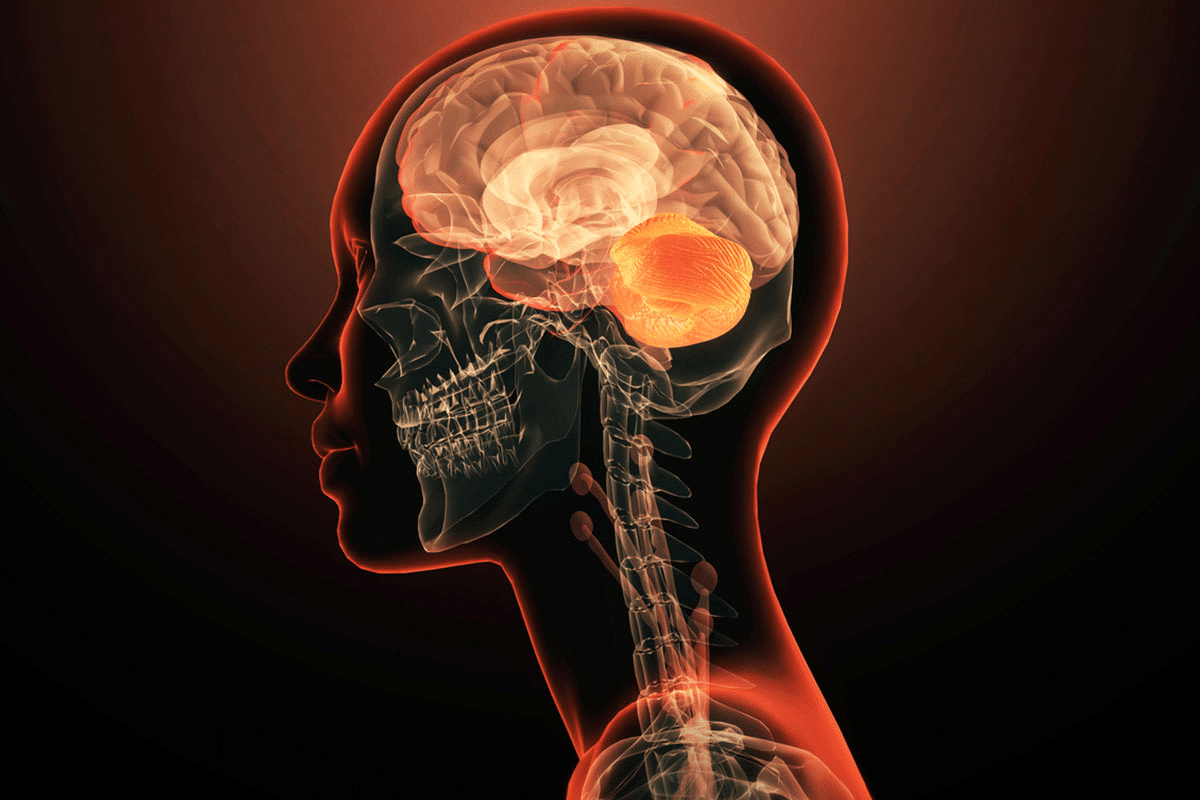
Cerebral angiopathy is about changes in the brain’s blood vessels. A big concern is cerebral amyloid angiopathy (CAA). It happens when amyloid-beta peptides build up in blood vessel walls.
CAA is a big worry for older people and those with Alzheimer’s. The amyloid makes blood vessel walls weak, raising the risk of bleeding in the brain.
Retinal Angiopathy
Retinal angiopathy affects the retina’s blood vessels, often due to diabetes and high blood pressure. It can cause vision problems if not treated.
The retinal vasculature is very sensitive to blood pressure and sugar levels. This makes it key to watch in people with vascular disease.
Renal Angiopathy
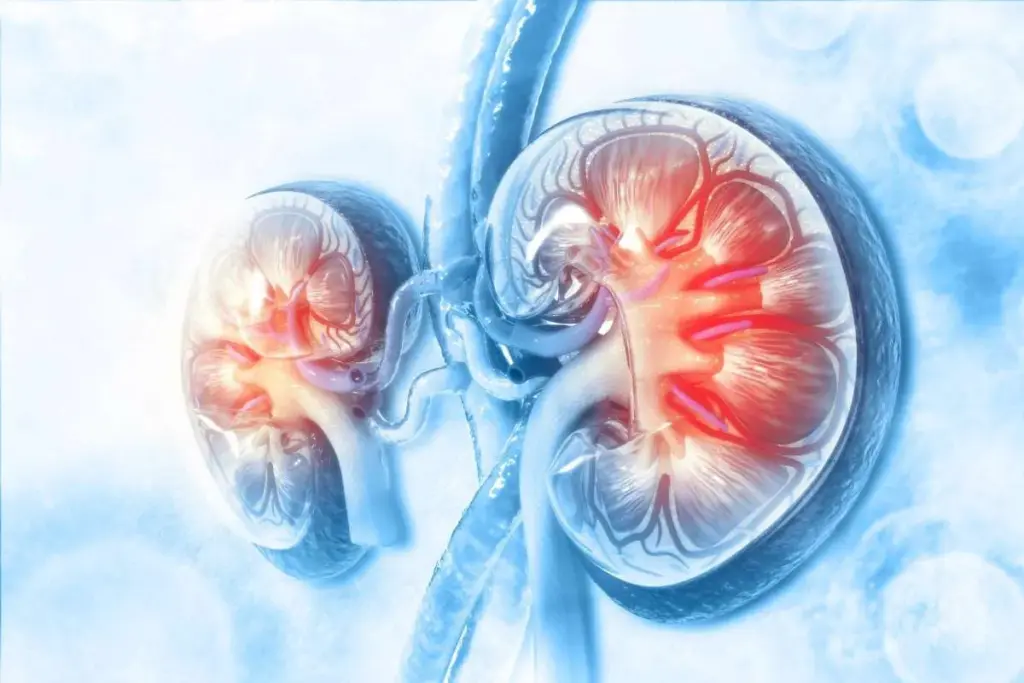
Renal angiopathy impacts the kidneys’ blood vessels, leading to chronic kidney disease or worsening existing issues. Diabetes and high blood pressure are big risks.
This condition can lead to serious problems, like needing dialysis or a kidney transplant.
Peripheral Angiopathy
Peripheral angiopathy affects blood vessels outside the brain, heart, and kidneys. It often shows up as peripheral arterial disease (PAD). PAD causes pain in the legs when walking and raises the risk of heart problems.
Managing peripheral angiopathy includes changing lifestyle habits, using medicine, and sometimes surgery to improve blood flow.
Diagnosis and Assessment
Healthcare professionals use many tools to diagnose angiopathy. These include clinical evaluation, lab tests, and imaging. This detailed method helps find out how much damage there is and what treatment is needed.
Clinical Evaluation
The first step in diagnosing angiopathy is a thorough clinical evaluation. This involves looking at your medical history and doing a physical exam. It helps find symptoms and risk factors for vascular disease.
Key components of clinical evaluation include:
- Assessment of medical history, including diabetes, hypertension, and cardiovascular disease
- Evaluation of symptoms such as pain, numbness, or vision changes
- Physical examination to check for signs of vascular insufficiency
Laboratory Tests
Laboratory tests are key in diagnosing angiopathy. They give insights into metabolic and vascular changes.
Common laboratory tests used include:
|
Test |
Purpose |
|---|---|
|
Blood glucose test |
To assess blood sugar control in diabetic patients |
|
Lipid profile |
To evaluate cholesterol and triglyceride levels |
|
Creatinine test |
To assess kidney function |
Imaging and Specialized Diagnostics
Imaging studies are vital for seeing the extent of vascular damage. They help understand how it affects different organs.
MRI scans are often used to diagnose cerebral amyloid angiopathy (CAA) and check for brain damage. Other imaging tools, like ultrasound and angiography, are used to look at blood vessels and their function.
The right imaging tool depends on the type of angiopathy and the affected organ. A detailed diagnostic approach ensures accurate diagnosis and effective treatment.
Treatment Approaches for Angiopathy
Managing angiopathy requires a mix of medical care, surgery, and new treatments. The main goal is to ease symptoms, stop problems, and help patients get better.
Medical Management
Medical care is key in treating angiopathy. It aims to control symptoms and slow the disease. This includes:
- Managing conditions like diabetes and high blood pressure
- Using drugs to improve blood flow and reduce swelling
- Making lifestyle changes to lower risks
Medications are very important. For example, drugs that prevent blood clots and improve blood flow are used. Also, controlling blood sugar and blood pressure is critical for diabetic angiopathy patients.
Surgical Interventions
Sometimes, surgical interventions are needed to fix blood flow or damaged vessels. Surgical options include:
- Angioplasty and stenting to open blocked vessels
- Bypass surgery to bypass blocked areas
- Endarterectomy to remove plaque in arteries
These surgeries can greatly help patients with severe angiopathy. They can lower the chance of heart attacks and strokes.
Emerging Therapies
New research on emerging therapies is very promising. These include:
- Gene therapy to fix blood vessels
- Stem cell therapy to grow new blood vessels
- New drugs that target specific parts of the disease
These new methods could change how we treat angiopathy. They offer hope for patients with few treatment options.
Prevention and Management Strategies
To prevent angiopathy, keep blood glucose levels in check and make healthy lifestyle choices. Knowing the risks and using good management strategies can lower your chance of getting angiopathy.
Blood Glucose Control for Diabetic Patients
For diabetics, controlling blood glucose is key to avoiding diabetic angiopathy. They should team up with their doctors to create a personalized plan. This plan might include:
- Regularly checking blood glucose levels
- Eating a balanced diet
- Staying active
- Changing medication as needed
Keeping blood glucose in check can greatly lower the risk of angiopathy and its problems.
Lifestyle Modifications
Living a healthy lifestyle is vital for preventing angiopathy. Important changes include:
- Quitting smoking to lessen vascular harm
- Keeping a healthy weight to avoid high blood pressure and diabetes
- Staying active to boost heart health
- Eating a diet full of fruits, veggies, and whole grains
Regular Screening and Monitoring
Regular checks and monitoring are key for catching and managing angiopathy early. This includes:
|
Screening Type |
Frequency |
Benefit |
|---|---|---|
|
Blood Pressure Monitoring |
Regularly, as advised by a healthcare provider |
Early detection of hypertension |
|
Lipid Profile Testing |
Every 5 years or as recommended |
Identification of dyslipidemia |
|
Retinal Examination |
Annually for diabetic patients |
Detection of diabetic retinopathy |
By using these strategies, people can prevent and manage angiopathy. This reduces the risk of complications and improves health.
Conclusion
Understanding angiopathy is key to diagnosing and managing vascular conditions. Angiopathy is a wide term that includes many vascular diseases. It leads to many complications.
The definition of angiopathy shows its effect on blood vessels. It causes conditions like microangiopathy and macroangiopathy. Knowing what angiopathy is and its medical effects is important for doctors and patients.
Angiopathy plays a big role in vascular diseases and complications, mainly in diabetic patients. To manage angiopathy well, we need a full approach. This includes being aware, educated, and acting quickly.
Knowing the angiopathy medical term helps us understand vascular health better. This knowledge lets patients take action to manage their condition. It improves their life quality.
In summary, knowing about angiopathy is important to reduce its effects and complications. By understanding angiopathy, we can work towards better vascular health.
FAQ
What is angiopathy?
Angiopathy is a disease that harms blood vessels. It affects both small and large vessels, causing various problems.
What is the definition of microangiopathy?
Microangiopathy is a type of angiopathy. It damages the small blood vessels, causing them to not work right.
What are the symptoms of macroangiopathy?
Macroangiopathy harms the big blood vessels. It can cause pain, numbness, and weakness in limbs. It also leads to heart problems.
How does diabetes affect blood vessels?
Diabetes harms blood vessels in many ways. High blood sugar, inflammation, and oxidative stress are some causes. This leads to diabetic angiopathy.
What is diabetic microangiopathy?
Diabetic microangiopathy damages small blood vessels in diabetics. It causes problems like diabetic retinopathy and nephropathy.
What are the risk factors for developing angiopathy?
Several factors increase the risk of angiopathy. These include high blood pressure, diabetes, and genetics. Lifestyle choices like smoking and lack of exercise also play a role. Environmental factors are another risk.
How is angiopathy diagnosed?
Doctors use several methods to diagnose angiopathy. They look at symptoms, run lab tests, and use imaging like angiography and ultrasound.
What are the treatment approaches for angiopathy?
Treating angiopathy involves several steps. Doctors use medicine, surgery, and new treatments. The goal is to manage symptoms, slow disease, and prevent complications.
How can angiopathy be prevented?
Preventing angiopathy is possible. Diabetics should control blood sugar. A healthy diet and exercise are key. Regular check-ups and monitoring are also important.
What is the significance of angiopathy in modern medicine?
Angiopathy is a big health issue today. It can cause heart and brain problems. It’s a major reason for illness and death worldwide.
What is the difference between microangiopathy and macroangiopathy?
Microangiopathy affects small blood vessels. Macroangiopathy affects large vessels. Each has different effects and complications.
How does hypertension contribute to angiopathy?
High blood pressure can harm blood vessels. It increases the risk of heart and brain problems. This is because of the damage it causes to vessels.
Reference
National Center for Biotechnology Information. Evidence-Based Medical Guidance. Retrieved from https://www.ncbi.nlm.nih.gov/books/NBK556105/