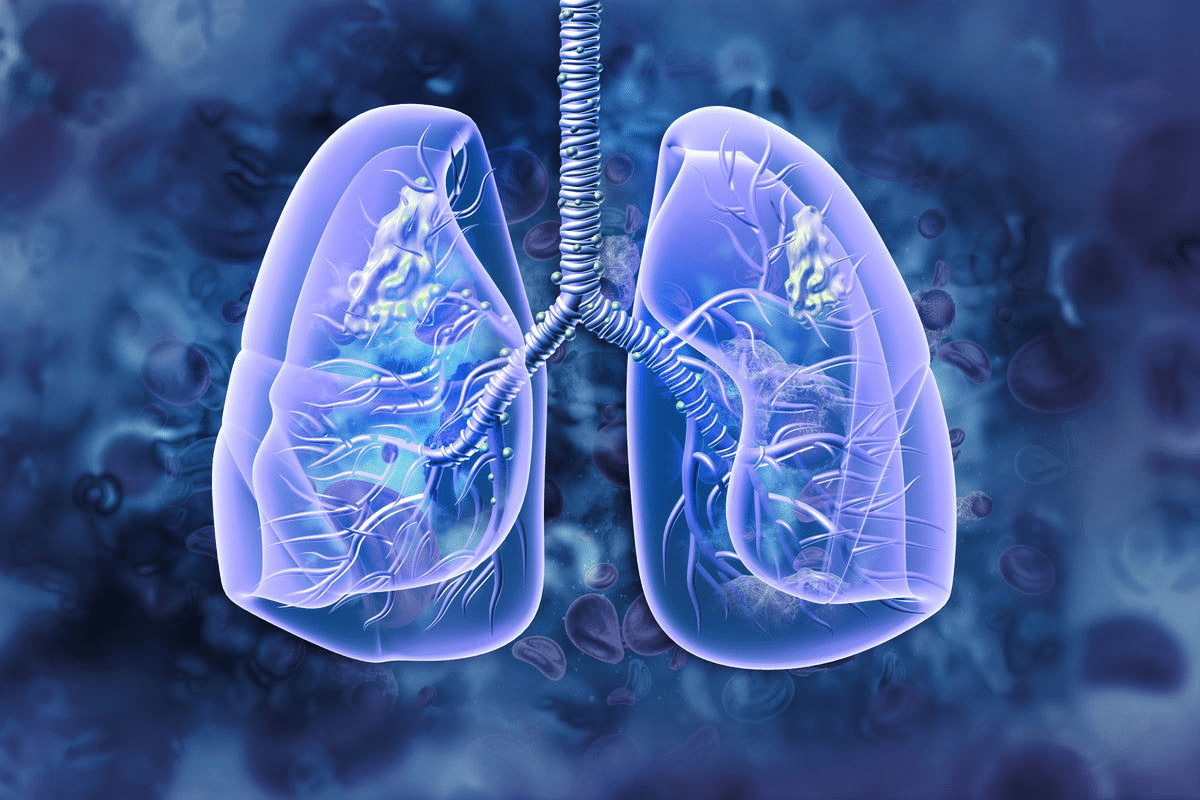
Complete guide explaining the four different forms of pneumonia and how each type is medically acquired or transmitted. Pneumonia is a serious lung condition that inflames the air sacs in one or both lungs. It can happen to anyone, at any age. But it’s more common in young children, older adults, and those who smoke or have lung diseases.
At Liv Hospital, we know how important it is to understand the different types of pneumonia. There are four main types: bacterial, viral, fungal, and aspiration pneumonia. Each needs its own treatment plan.
We will dive into each type, giving you a detailed guide. This will help you understand pneumonia diagnosis and treatment better.
Key Takeaways
- There are four primary types of pneumonia: bacterial, viral, fungal, and aspiration pneumonia.
- Each type of pneumonia requires a unique treatment approach.
- Pneumonia can occur at any age, but certain age groups are more susceptible.
- Risk factors such as cigarette smoking and chronic obstructive pulmonary disease increase the likelihood of developing pneumonia.
- Early detection and effective treatment are key to managing pneumonia.
What Is Pneumonia and How Does It Affect the Body
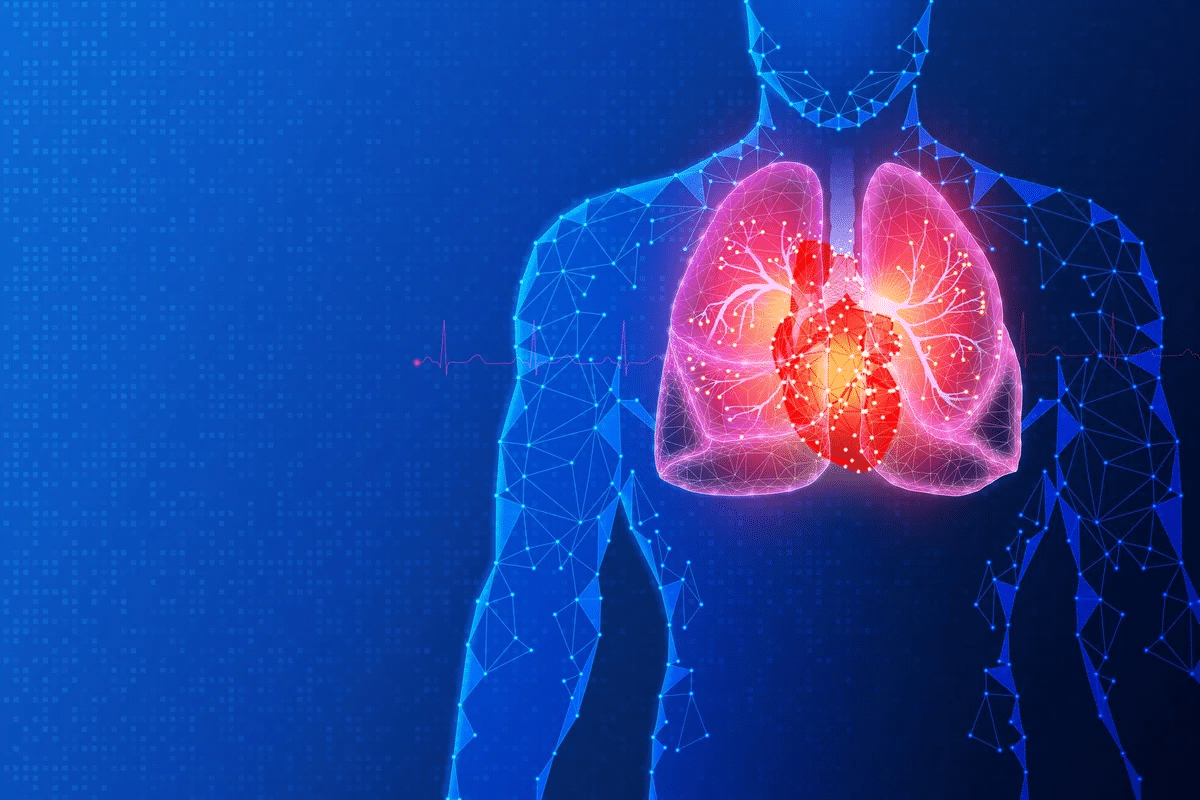
It’s key to know what pneumonia is and how it affects us. Pneumonia is an infection that makes the air sacs in the lungs inflamed. It can fill these sacs with fluid or pus, leading to various symptoms.
Definition and Basic Mechanism
Pneumonia happens when harmful germs like bacteria, viruses, or fungi get into the lungs. This causes the air sacs to get inflamed and filled with fluid. This makes breathing hard and affects how much oxygen we can take in. There are four main types of pneumonia: bacterial, viral, fungal, and aspiration pneumonia. Each has its own cause and signs.
Common Symptoms and Warning Signs
The symptoms of pneumonia can differ based on the type and how severe it is. Common signs include:
- Cough with phlegm or pus
- Fever and chills
- Difficulty breathing or shortness of breath
- Chest pain or discomfort
- Fatigue and weakness
Spotting these symptoms early is key for getting the right treatment quickly.
How Inflammation Damages Lung Tissue
Pneumonia’s inflammation can seriously harm lung tissue. This inflammation can lead to:
- Fluid buildup in the alveoli, reducing oxygen exchange
- Damage to the lung tissue, potentially causing long-term issues
- In severe cases, the infection can spread beyond the lungs, affecting other parts of the body
Knowing how pneumonia affects the lungs is important. It shows why quick treatment and prevention are so critical.
The Different Forms of Pneumonia Explained
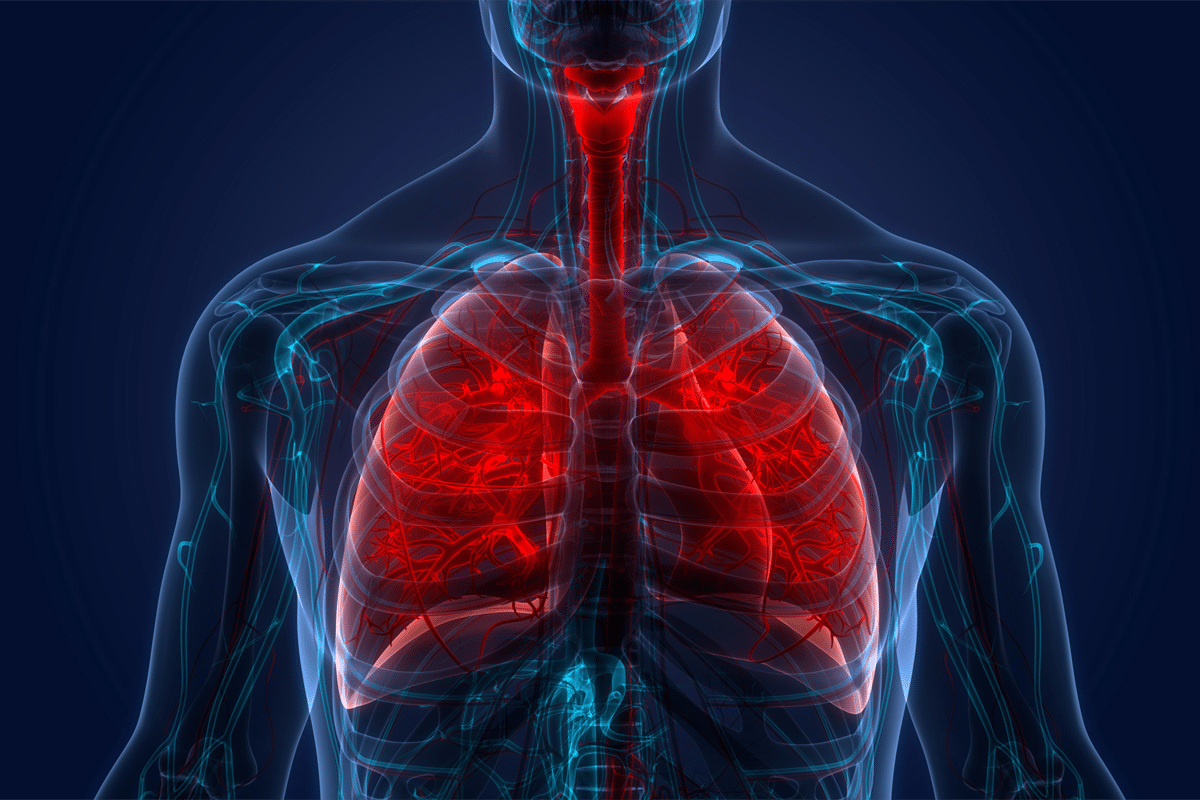
Pneumonia is a complex condition with many forms. Each form has its own characteristics and treatment needs. Knowing these differences is key to effective care.
Pneumonia can be classified in several ways. These include the cause, where it was caught, and how severe it is. This helps doctors choose the right treatment.
Classification Methods
Pneumonia types are based on the cause, like bacteria, viruses, or fungi. Each type needs a specific treatment plan.
- Bacterial pneumonia, often from Streptococcus pneumoniae, needs antibiotics.
- Viral pneumonia, from viruses like influenza, focuses on supportive care.
- Fungal pneumonia is rare but serious, mainly in those with weakened immune systems.
Importance of Accurate Identification
Knowing the exact type of pneumonia is vital for proper treatment. Wrong or late diagnosis can harm patients.
It’s very important to tell pneumonia types apart. This lets doctors give the right treatment for each case.
Global and US Prevalence Statistics
Pneumonia affects millions worldwide each year. In the US, it’s a big health problem, hitting vulnerable groups hard.
|
Type of Pneumonia |
Global Prevalence |
US Prevalence |
|---|---|---|
|
Bacterial Pneumonia |
Major cause of pneumonia worldwide |
Common cause of community-acquired pneumonia |
|
Viral Pneumonia |
Significant cause, special during outbreaks |
Often linked to influenza outbreaks |
|
Fungal Pneumonia |
Less common, mostly in immunocompromised |
Rare, but serious in high-risk populations |
Understanding pneumonia types and their impact helps us improve care. Accurate diagnosis and targeted treatments are essential. This approach can save lives and reduce the global pneumonia burden.
Bacterial Pneumonia: The Most Common Type
Bacterial pneumonia is the most common and serious type of pneumonia. It often needs antibiotic treatment to fight the infection.
Primary Bacterial Causes
The main cause of bacterial pneumonia is Streptococcus pneumoniae. This bacterium is the top cause of pneumonia worldwide. Other bacteria like Haemophilus influenzae and Klebsiella pneumoniae can also cause pneumonia, but they are less common.
Knowing the main bacteria causing pneumonia helps us find better treatments. We will look at the most common bacteria and their traits.
- Streptococcus pneumoniae: The most common cause of bacterial pneumonia.
- Haemophilus influenzae: Often affects children and people with certain health issues.
- Klebsiella pneumoniae: More common in older adults or those with weak immune systems.
Distinctive Symptoms and Progression
Bacterial pneumonia has clear symptoms like high fever, chills, and cough with yellow or green sputum. The disease can get worse quickly.
Quickly finding out what kind of pneumonia someone has is key to treating it. Symptoms can differ based on age and health conditions.
Antibiotic Treatment Approaches
Antibiotics are the main treatment for bacterial pneumonia. The right antibiotic depends on the bacteria causing the infection and local resistance patterns.
It’s important to finish all antibiotics as directed. This helps get rid of the infection and prevent antibiotic resistance.
- Doctors start with a general antibiotic based on symptoms and local data.
- They adjust the treatment based on lab results.
- Supportive care, like staying hydrated and resting, helps manage symptoms and aid recovery.
Hospitalization Criteria
Some people with bacterial pneumonia need to be in the hospital. This depends on how severe their symptoms are, their health, and the risk of complications.
Doctors decide if someone needs to be in the hospital by looking at their age, health conditions, and how severe their symptoms are. They look for signs like breathing problems or sepsis.
|
Criteria |
Description |
|---|---|
|
Age |
Older adults or young children |
|
Comorbidities |
Presence of underlying health conditions |
|
Severe Symptoms |
Respiratory failure, sepsis, or other life-threatening conditions |
Viral Pneumonia: Causes and Characteristics
Viral pneumonia is a big part of pneumonia cases worldwide. It’s caused by viruses like influenza and COVID-19. It can hit anyone, no matter their age. Knowing the viruses, symptoms, and treatments is key to fighting viral pneumonia.
Common Viral Pathogens
Viruses like influenza, respiratory syncytial virus (RSV), and coronaviruses cause pneumonia. Influenza viruses are a big problem during flu seasons. RSV mainly hits young kids, while coronaviruses affect both kids and adults.
Respiratory viruses are in over half of kids with pneumonia in the U.S. This shows how important it is to think about viruses in kids’ pneumonia.
Symptom Patterns and Severity
Symptoms of viral pneumonia range from mild to severe. You might cough, have a fever, or find it hard to breathe. In serious cases, it can cause breathing failure and need for a ventilator. How bad it gets depends on the virus, the person’s age, and health.
Treatment Limitations and Options
Treatment for viral pneumonia mainly helps with symptoms and breathing. Antiviral meds might be used for some viruses, like flu. But, how well they work depends on starting treatment early and the virus type.
Recovery Timeline and Expectations
How long it takes to get better from viral pneumonia varies. It depends on how bad the illness is, the person’s health, and the virus. Mild cases might get better in a few weeks. But, severe cases can take longer.
|
Viral Cause |
Typical Recovery Time |
Potential Complications |
|---|---|---|
|
Influenza |
1-3 weeks |
Secondary bacterial pneumonia, respiratory failure |
|
COVID-19 |
2-6 weeks |
Acute respiratory distress syndrome (ARDS), multi-organ failure |
|
RSV |
1-2 weeks |
Bronchiolitis, specially in young children |
Fungal Pneumonia: Uncommon but Dangerous
Fungal pneumonia is a serious infection caused by inhaling fungal spores. It can have severe consequences for those with weakened immunity. This form of pneumonia is less common than bacterial or viral pneumonia but poses significant risks to individuals with compromised immune systems.
Major Types of Fungal Pneumonia
There are several types of fungal pneumonia, each caused by different fungi. The most common types include:
- Histoplasmosis: Caused by inhaling the spores of Histoplasma capsulatum, often found in soil contaminated with bird or bat droppings.
- Coccidioidomycosis: Resulting from the inhalation of Coccidioides spores, commonly found in the soil of certain regions in the southwestern United States.
- Cryptococcosis: Caused by Cryptococcus neoformans, which is often found in soil and can be dangerous for individuals with HIV/AIDS.
- Pneumocystis pneumonia (PCP): Caused by Pneumocystis jirovecii, a fungus that can cause severe illness in immunocompromised individuals, including those with HIV/AIDS.
Immunocompromised Patient Risks
Individuals with weakened immune systems are at a higher risk of developing fungal pneumonia. This includes:
- Patients undergoing chemotherapy or organ transplantation
- Individuals with HIV/AIDS
- Those taking long-term corticosteroids or other immunosuppressive medications
As noted by a medical expert, “Fungal infections are a major concern for immunocompromised patients, and early diagnosis is key for effective treatment.”
Diagnostic Approaches
Diagnosing fungal pneumonia involves a combination of clinical evaluation, imaging studies, and laboratory tests. Common diagnostic approaches include:
|
Diagnostic Method |
Description |
|---|---|
|
Chest X-ray or CT scan |
To visualize lung abnormalities |
|
Blood tests |
To detect fungal antigens or antibodies |
|
Sputum or tissue sample analysis |
To identify the specific fungus causing the infection |
Antifungal Treatment Protocols
Treatment for fungal pneumonia typically involves antifungal medications. The choice of medication and duration of treatment depend on the type of fungus and the severity of the infection. Common antifungal medications include:
- Amphotericin B
- Triazoles (such as fluconazole and itraconazole)
- Echinocandins
In conclusion, while fungal pneumonia is less common than other forms of pneumonia, it is a serious condition. It requires prompt diagnosis and treatment, mainly in immunocompromised individuals.
Aspiration Pneumonia: When Foreign Substances Enter the Lungs
When foreign materials enter the lungs, it can lead to a severe infection known as aspiration pneumonia. This happens when food, liquids, vomit, or other substances are inhaled into the lungs. It causes inflammation and can lead to serious complications. This condition affects about 0.4 percent of all hospital admissions in the United States, showing its importance in healthcare.
Mechanism and Common Causes
Aspiration pneumonia is caused by inhaling foreign materials into the lungs. This can occur due to various reasons like difficulty swallowing, reduced consciousness, or conditions that affect the gag reflex. The most common substances aspirated include food, liquids, and vomit.
Common causes include:
- Dysphagia due to neurological disorders or structural abnormalities
- Reduced consciousness due to alcohol or drug intoxication, anesthesia, or severe illness
- Gastroesophageal reflux disease (GERD)
- Mechanical obstruction of the esophagus
High-Risk Populations
Certain populations are at a higher risk of developing aspiration pneumonia. These include:
|
High-Risk Group |
Reason for Increased Risk |
|---|---|
|
Elderly individuals |
Dysphagia, reduced consciousness, or other comorbid conditions |
|
Patients with neurological disorders |
Conditions such as stroke, Parkinson’s disease, or multiple sclerosis that impair swallowing or reduce consciousness |
|
Individuals with esophageal disorders |
Conditions like achalasia or esophageal stricture that can cause mechanical obstruction |
Clinical Presentation and Diagnosis
The symptoms of aspiration pneumonia can vary but often include cough, difficulty breathing, chest pain, and fever. Diagnosis is made based on clinical history, physical examination, and imaging studies like chest X-rays or CT scans.
Diagnostic approaches may involve:
- Chest X-ray to identify infiltrates in the lungs
- CT scan for more detailed imaging
- Laboratory tests to assess the severity of infection and identify pathogens
Treatment and Management Strategies
Treatment of aspiration pneumonia includes supportive care, antibiotics, and managing underlying conditions. Supportive care includes oxygen therapy and mechanical ventilation if needed.
Management strategies include:
- Antibiotic therapy tailored to the suspected or identified pathogens
- Supportive care such as oxygen therapy and hydration
- Management of underlying conditions, such as treatment of dysphagia or GERD
Pneumonia in Different Age Groups and Populations
Pneumonia affects people in different ways, depending on their age and background. It’s important to have specific plans to prevent and treat it. This is because pneumonia can hit hard in certain groups.
Pediatric Pneumonia Considerations
Pneumonia is a big problem for kids, killing many under five. It’s the second biggest killer in this age group. We need to understand how it affects kids, including its causes and how to treat it.
Kids with pneumonia often have coughs, fevers, and trouble breathing. Finding out what caused the pneumonia is key to treating it. Viral pneumonia is more common in younger kids, while bacterial pneumonia affects older kids. Knowing this helps us treat them better.
Pneumonia in the Elderly
The elderly face a big risk from pneumonia, with more serious cases and deaths. Older people’s immune systems weaken, making them more vulnerable. We must watch closely for pneumonia in this group.
Older adults might not show typical symptoms like coughs and fevers. They might seem confused or have falls instead. This makes it harder to catch pneumonia early, so doctors need to be extra careful.
Community-Acquired vs. Hospital-Acquired Pneumonia
Pneumonia can be caught outside the hospital (CAP) or in the hospital (HAP). CAP has a wider range of causes, like Streptococcus pneumoniae and viruses. HAP, on the other hand, is often caused by resistant bacteria like Pseudomonas aeruginosa or MRSA.
Knowing the difference between CAP and HAP helps doctors choose the right antibiotics. HAP is more deadly and harder to treat.
Special Risk Groups
Some groups face a higher risk of getting pneumonia or having severe cases. These include people with heart disease, diabetes, or weakened immune systems. We need to know who’s at risk to help them early.
For example, those with lung disease are more likely to get pneumonia. They might need stronger treatments. People with weakened immune systems also need careful monitoring and stronger antibiotics.
Diagnosis and Differentiation Between Pneumonia Types
Diagnosing pneumonia is a detailed process. It helps find out what type and cause it is. Knowing this is key for the right treatment.
Physical Examination Findings
A thorough physical exam is the first step. Doctors look for fever, cough, and breathing trouble. They also listen to the lungs for unusual sounds.
Key physical examination findings include:
- Fever and chills
- Cough, which may produce mucus
- Shortness of breath or rapid breathing
- Chest pain or discomfort that worsens with deep breathing or coughing
Imaging Studies
Imaging studies, like chest X-rays, are vital. They show how much and where the lungs are affected.
For tricky cases, CT scans might be used.
Laboratory and Microbiological Tests
Lab tests are key to finding the cause of pneumonia. These include blood tests, sputum analysis, and sometimes bronchoscopy.
|
Test |
Purpose |
|---|---|
|
Blood Culture | Identify bacteria in the blood |
|
Sputum Culture |
Identify the causative pathogen in the sputum |
|
PCR (Polymerase Chain Reaction) |
Detect genetic material of pathogens |
Challenges in Determining Pneumonia Type
Even with better tests, figuring out pneumonia type can be hard. It’s important to know the cause for the right treatment. Symptoms can be similar, and lab results must be quick and accurate. Co-infections also add to the challenge.
Doctors use their best judgment and test results to diagnose and treat pneumonia.
Prevention Strategies and Vaccination
We can lower pneumonia risk with good prevention and vaccines. It’s all about a mix of medical steps and healthy habits.
Pneumococcal Vaccines
Pneumococcal vaccines are key to fight Streptococcus pneumoniae pneumonia. They work well in both kids and adults, cutting down on pneumococcal disease.
There are two main vaccines: pneumococcal conjugate (PCV) and pneumococcal polysaccharide (PPSV). PCV is for kids under 2 and adults 65+. PPSV is for adults 65+ and some high-risk groups.
Influenza Vaccination
Influenza shots are vital for pneumonia prevention. Flu can lead to bacterial pneumonia, mainly with Streptococcus pneumoniae. Getting a flu shot yearly can lower flu and its complications risk.
The flu vaccine changes every year to fight the latest flu strains. It’s advised for everyone 6 months and up, with some exceptions.
Lifestyle and Environmental Factors
Our lifestyle and environment also matter for pneumonia prevention. Quitting smoking is key, as it harms lungs and raises pneumonia risk. Staying away from pollutants and washing hands often can also help.
Preventive Measures for High-Risk Individuals
People at high risk, like the elderly, young kids, and those with chronic conditions, need extra care. Vaccines are just part of it. They should know their risks and take steps to lower them.
For example, those with lung diseases should work with their doctors to manage their condition and lower pneumonia risk.
|
Prevention Strategy |
Target Group |
Benefits |
|---|---|---|
|
Pneumococcal Vaccination |
Children under 2, Adults 65+ |
Reduces pneumococcal disease incidence |
|
Influenza Vaccination |
Everyone 6 months+ |
Reduces influenza and complications |
|
Smoking Cessation |
Smokers |
Reduces lung damage and pneumonia risk |
Conclusion: When to Seek Help and Recovery Expectations
Knowing when to get help and what recovery is like is key for those with pneumonia. Most people start feeling better a few days after starting antibiotics. But, it’s important to know when to get medical help right away.
If symptoms get worse or don’t get better, it’s time to seek help. We need to watch how treatment is working and change it if needed. How fast someone recovers depends on the pneumonia type, age, and health.
Patients usually see symptoms get better over a few weeks. But, some might feel tired for a long time or have other lingering symptoms. Knowing about pneumonia recovery and when to get help can really make a difference.
FAQ
What are the main types of pneumonia?
There are four main types of pneumonia. These are bacterial, viral, fungal, and aspiration pneumonia. Each type needs a different treatment approach.
What is pneumonia and how does it affect the body?
Pneumonia is an infection that inflames the air sacs in the lungs. It can cause coughing up phlegm or pus, fever, chills, and trouble breathing.
What are the common symptoms of pneumonia?
Symptoms of pneumonia include coughing up phlegm or pus, fever, chills, and trouble breathing. Knowing these symptoms is key for early treatment.
How is pneumonia classified?
Pneumonia is classified based on the cause, how it’s caught, and its severity. Knowing this helps doctors treat it better.
What is bacterial pneumonia and what are its causes?
Bacterial pneumonia is caused by bacteria, with Streptococcus pneumoniae being the most common. It’s important to know the causes, symptoms, and treatments.
What is viral pneumonia and how is it different from bacterial pneumonia?
Viral pneumonia is caused by viruses like influenza and COVID-19. It’s important to know the viruses, symptoms, and treatments for viral pneumonia.
What is fungal pneumonia and who is at risk?
Fungal pneumonia is a serious infection caused by fungal spores. People with weakened immune systems are at higher risk. It’s important to know the types, risks, and treatments.
What is aspiration pneumonia and how does it occur?
Aspiration pneumonia happens when foreign substances enter the lungs. It’s serious and affects certain groups more. Knowing how it occurs and how to treat it is important.
How is pneumonia diagnosed?
Doctors use physical exams, imaging, and lab tests to diagnose pneumonia. It’s important to understand how to determine the type of pneumonia.
What are the preventive measures for pneumonia?
Preventive measures include vaccines and a healthy lifestyle. It’s also important to avoid environmental risks. High-risk individuals need extra precautions.
How can I prevent pneumonia?
Preventing pneumonia involves vaccines, a healthy lifestyle, and avoiding risks. High-risk individuals should take extra steps to stay safe.
When should I seek medical help for pneumonia?
Seek medical help if symptoms get worse or last too long. Knowing when to get help is important for recovery.
What are the different forms of pneumonia?
Pneumonia can be community-acquired or hospital-acquired. It affects different people in different ways.
What are the treatment options for pneumonia?
Treatment for pneumonia depends on the type and severity. It can range from antibiotics to antiviral and antifungal treatments.
References
National Center for Biotechnology Information. Evidence-Based Medical Guidance. Retrieved from https://www.ncbi.nlm.nih.gov/pmc/articles/PMC7241411/