
Explore the different kinds of amnesia. This complete list explains the symptoms of retrograde, anterograde, and TGA.
Amnesia is a big challenge for neurology and psychiatry, affecting millions worldwide. At Liv Hospital, we see amnesia as more than just a condition. It’s a complex issue that messes with memory and identity.
There are many types of amnesia, each with different causes and effects on memory. Recent studies show that transient global amnesia happens about 5.2 times per 100,000 people every year. Knowing about these amnesia types is key for finding and treating them.
Key Takeaways
- Amnesia affects millions globally, presenting various challenges.
- There are multiple types of amnesia, each with distinct causes.
- Understanding amnesia is critical for effective diagnosis and treatment.
- Transient global amnesia occurs at a rate of 5.2 per 100,000 population annually.
- Amnesia impacts memory and identity, requiring thorough care.
The Science of Memory Loss: Understanding Amnesia
Amnesia is a complex condition that affects memory. It can happen due to brain damage, mainly in areas that handle emotions and memories.
To grasp amnesia, we need to know how memories are made and kept. The brain’s hippocampus and amygdala are key in this process. They help us store and recall memories.
Memory Formation and Storage Processes
Creating memories is a detailed process. It includes encoding, consolidation, and retrieval. The hippocampus is vital for making new memories, like those from events.
Damage to the hippocampus can cause trouble in making new memories. This is known as anterograde amnesia. Retrograde amnesia, on the other hand, is when you forget memories made before your amnesia started.
Epidemiology and Global Impact
Amnesia affects millions globally. Different types have varying rates of occurrence. For example, transient global amnesia happens to about 5.2 people per 100,000 each year.
|
Type of Amnesia |
Prevalence Rate |
|---|---|
|
Transient Global Amnesia |
5.2 per 100,000 |
|
Dissociative Amnesia |
7-11% among psychiatric outpatients |
Knowing how common amnesia is helps us find better treatments. It also aids in supporting those who have it.
Common Misconceptions About Amnesia
Many myths surround amnesia, thanks to movies and TV shows. One big misconception is that people with amnesia forget who they are.
“Amnesia is often misunderstood as a complete loss of identity, but in reality, most forms of amnesia involve specific types of memory loss, such as the inability to form new memories or recall past events.”
It’s important to clear up these myths. This helps us understand amnesia better and its impact on people’s lives.
Anterograde Amnesia: The Inability to Create New Memories
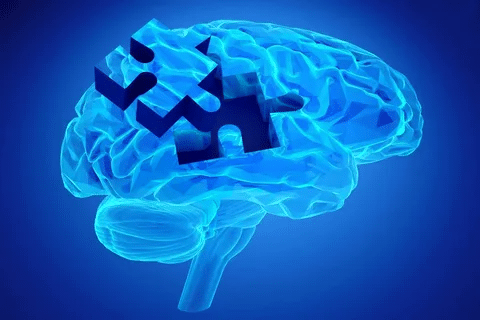
Anterograde amnesia makes it hard for people to make new memories. They can’t move new info from short-term to long-term memory. This really affects their daily life.
Clinical Presentation and Key Symptoms
People with anterograde amnesia seem fine in talks and remember old stuff. But, they can’t hold onto new info. They might forget things like appointments or who new people are.
The symptoms can be different for everyone. Some might learn new things by doing them over and over. But they can’t remember learning them.
Neurological Mechanisms and Brain Structures Involved
The main reason for anterograde amnesia is damage to the hippocampus. This part of the brain is key for making memories. Damage can come from injuries, strokes, or diseases like Alzheimer’s.
How much damage there is to the hippocampus affects how bad the amnesia is. Other parts of the brain can also play a role. This makes the condition more complex.
Famous Cases and Research Insights
H.M. is a well-known case of anterograde amnesia. He had surgery to remove parts of his temporal lobe, including the hippocampus. This was to help with severe epilepsy. After the surgery, he couldn’t make new memories.
Studies on H.M. and others have helped us understand anterograde amnesia better. They show how complex human memory is. And they highlight the challenges faced by those with this condition.
Retrograde Amnesia: When Past Memories Disappear
Retrograde amnesia is when you forget memories you already had. It can happen because of a head injury or illness. It shows how complex memory storage and recall are in our brains.
Diagnostic Criteria and Symptom Patterns
To diagnose retrograde amnesia, doctors check how much memory is lost and what caused it. People with this condition might struggle to remember certain events or times from their past.
Key diagnostic features include:
- Loss of memories formed before the onset of amnesia
- Variability in the extent of memory loss
- Potential for temporal gradients in memory loss
Temporal Gradients in Memory Loss
A key thing about retrograde amnesia is the temporal gradient. This means newer memories are more likely to be lost than older ones. This pattern helps us understand how memory works in the brain.
The temporal gradient phenomenon is significant because it:
- Indicates the chronological organization of memory
- Suggests a differential vulnerability of memories based on their age
Causes: Trauma, Disease, and Other Factors
Retrograde amnesia can be caused by many things, like brain injuries, infections, strokes, and diseases. Knowing what causes it helps doctors find better ways to treat it.
|
Cause |
Description |
Impact on Memory |
|---|---|---|
|
Traumatic Brain Injury |
Physical trauma to the brain |
Can cause significant retrograde amnesia |
|
Neurodegenerative Diseases |
Diseases like Alzheimer’s |
Progressive memory loss |
|
Infections |
Certain infections affecting the brain |
Can lead to temporary or permanent memory loss |
Transient Global Amnesia: Temporary Memory Disruption
Transient global amnesia is a sudden and temporary memory issue. It causes a loss of memory that makes it hard to remember new things and recall old ones. This problem usually goes away within 24 hours.
Clinical Features
This condition starts suddenly and can be very upsetting. People with it can’t make new memories (anterograde amnesia) and sometimes can’t remember old ones (retrograde amnesia). They stay awake and know where they are but keep asking the same questions because they can’t remember.
Key Diagnostic Criteria:
- Sudden onset of memory loss
- Significant impairment in forming new memories
- Some impairment in recalling past memories
- No loss of consciousness or identity
- Resolution within 24 hours
Prevalence
Transient global amnesia is rare, happening to about 5.2 people per 100,000 each year. It’s more common in people who are middle-aged or older.
Triggers and Risk Factors
The exact reason for transient global amnesia is not known. But some things might trigger it or make it more likely. These include:
|
Trigger/Risk Factor |
Description |
|---|---|
|
Physical or Emotional Stress |
Events causing significant stress may trigger an episode. |
|
Migraines |
Some individuals with a history of migraines may be more susceptible. |
|
Brief Disruptions in Blood Flow |
Temporary changes in blood flow to the brain may contribute to the condition. |
Dissociative Amnesia: Psychological Memory Barriers
Dissociative amnesia is a big psychological block to remembering things. It often shows up after very stressful or traumatic events.
This condition makes it hard to remember important life events, like traumatic ones. It’s different from other amnesia types because it’s caused by the mind, not a brain injury or disease.
Prevalence Among Psychiatric Outpatients
Research shows that about 7-11% of psychiatric outpatients have dissociative amnesia. This shows how big a role the mind plays in forgetting.
This high number means doctors need to know about dissociative amnesia. It’s important for taking care of patients.
|
Population |
Prevalence Rate |
|---|---|
|
Psychiatric Outpatients |
7-11% |
|
General Population |
Less than 1% |
Relationship to Psychological Trauma
Dissociative amnesia is often linked to trauma. Many people get it after abuse, combat, or other big traumas. It helps them forget the bad stuff for a while.
The link between dissociative amnesia and trauma is complex. It involves the mind and brain in many ways.
Localized vs. Generalized Presentations
Dissociative amnesia can show up in different ways. Some people forget just certain events or times. Others forget big parts of their lives.
Because it can show up differently, doctors need to do detailed checks. This helps them find and treat dissociative amnesia right.
Knowing how dissociative amnesia can show up is key. It helps doctors make treatment plans that really work for each person.
Post-Traumatic Amnesia: Memory Loss After Injury
Head injuries can lead to post-traumatic amnesia, where making new memories is hard. This happens when the brain gets hurt from a concussion or fall. The injury stops the brain from storing new info.
Assessment Scales and Duration Classification
We use special scales to check how bad post-traumatic amnesia is. These scales help us figure out how long it lasts. This is important for knowing how well someone will recover and what treatment they need.
How long someone stays in a state of post-traumatic amnesia varies. It can be just a few minutes or weeks or even months. How long it lasts shows how serious the brain injury is.
Relationship to Traumatic Brain Injury Severity
The severity of post-traumatic amnesia matches the severity of the brain injury. Research shows that longer amnesia times mean more severe injuries and worse outcomes. We use tests like imaging studies and neurological exams to check the injury’s severity.
Knowing how post-traumatic amnesia relates to brain injury helps us predict symptoms. This knowledge helps us create better treatment plans.
Cognitive and Behavioral Symptoms
People with post-traumatic amnesia may feel confused, disoriented, and struggle to remember new things. They might also get angry or aggressive. These symptoms can be hard to deal with.
We treat these symptoms with medicine and special therapy. Our goal is to help the patient recover, improve their thinking, and live better.
Lacunar Amnesia: Isolated Memory Gaps
Lacunar amnesia is a unique challenge in understanding human memory. It involves selective memory loss. People with lacunar amnesia forget specific events or periods. This condition makes us question how memories are formed and retrieved.
Selective Memory Loss Patterns
Lacunar amnesia shows selective memory loss. Certain memories are lost, while others remain. This selective nature shows that memory is made up of different processes. Studying lacunar amnesia helps us understand how memories are stored and retrieved.
The way memory loss happens in lacunar amnesia varies. Some forget events from a certain time, while others forget about specific people or places. Knowing these patterns is key to diagnosing and treating lacunar amnesia.
Limbic System Involvement
The limbic system is key in memory formation. Its dysfunction is linked to lacunar amnesia. The hippocampus and amygdala, important parts of the limbic system, help process and store memories. Damage to these areas can cause the memory gaps seen in lacunar amnesia.
Research shows that limbic system damage can lead to lacunar amnesia. For example, hippocampus damage can stop new memory formation but keep old memories safe. This shows how brain structure and memory function are connected.
Differentiating from Other Amnesia Types
It’s important to tell lacunar amnesia apart from other amnesias. Unlike other amnesias, lacunar amnesia has isolated memory gaps. Clinical evaluation and neuropsychological tests are key in making this distinction.
For instance, anterograde amnesia stops new memory creation, while retrograde amnesia erases past memories. Lacunar amnesia, with its selective memory loss, is harder to diagnose because of its unique nature.
Different Kinds of Amnesia in Aging Populations
Amnesia in older adults is a growing concern. As people get older, they face a higher risk of amnesia. This affects their daily life and quality of life.
Age-Related Memory Loss Affecting 40% Over Age Sixty
Memory loss with age is common among those over sixty. Forty percent of individuals over sixty experience some memory loss. This can be mild or severe. It’s a natural part of aging but can also signal other health issues.
Alzheimer’s Disease and Memory Deterioration
Alzheimer’s disease is a big cause of memory loss in the elderly. It’s a disease that gets worse over time, affecting memory and behavior. Knowing about Alzheimer’s is key to helping those with memory loss.
Vascular Contributions to Amnesia
Vascular factors also cause amnesia in older adults. Conditions like stroke and vascular dementia can harm memory. Taking care of heart health is important to prevent memory loss.
|
Type of Amnesia |
Characteristics |
Prevalence in Aging Populations |
|---|---|---|
|
Age-Related Memory Loss |
Mild forgetfulness to severe memory loss |
40% over age sixty |
|
Alzheimer’s Disease |
Progressive memory loss, cognitive decline |
Increasing with age, significant after 65 |
|
Vascular Contributions |
Memory loss due to vascular factors |
Significant in populations with cardiovascular risk factors |
Diagnostic Approaches for Amnesia
To diagnose amnesia, doctors use many methods. These include neuropsychological tests and neuroimaging. They do this to find out why someone has amnesia and how much memory they’ve lost.
Comprehensive Neuropsychological Assessment
A detailed neuropsychological assessment is key for diagnosing amnesia. It involves tests that check memory, attention, language, and more. Neuropsychological tests help doctors tell amnesia apart from other brain issues.
These tests are given by neuropsychologists. They use tools like the Wechsler Memory Scale and the Rey-Osterrieth Complex Figure Test. These tests show what a person can do well and what they struggle with.
Advanced Neuroimaging Techniques
Neuroimaging is also important for diagnosing amnesia. Magnetic Resonance Imaging (MRI) and Computed Tomography (CT) scans show the brain’s structure. They help find any problems that might be causing memory loss.
Functional imaging, like Functional MRI (fMRI) and Positron Emission Tomography (PET), shows how the brain works. This helps doctors understand which parts of the brain are affected by amnesia.
Laboratory Tests and Biomarkers
Laboratory tests are key to finding out what’s causing amnesia. Blood tests can spot things like vitamin deficiencies and infections. They help doctors find the root cause of amnesia.
Biomarkers, like those for Alzheimer’s, can also be found in lab tests. Knowing about these biomarkers helps doctors figure out what’s causing amnesia. This helps them plan the best treatment.
In summary, diagnosing amnesia involves many steps. These include neuropsychological tests, neuroimaging, and lab tests. By using these methods, doctors can accurately diagnose amnesia. This helps them find the right treatment for each person.
Treatment Modalities Across Amnesia Types
Treating amnesia involves many approaches. These include medicines, brain training, and new treatments. The right treatment depends on the type of amnesia, its cause, and the person’s health.
Pharmacological Interventions
Medicines help manage amnesia symptoms, mainly when it’s caused by brain issues. Cholinesterase inhibitors are used for Alzheimer’s to boost memory and thinking.
Other medicines might include:
- Memantine for moderate to severe Alzheimer’s.
- Benzodiazepines, but with caution due to addiction risks.
- Antidepressants if amnesia is linked to depression.
|
Medication |
Use in Amnesia Treatment |
Notable Side Effects |
|---|---|---|
|
Donepezil |
Alzheimer’s disease management |
Nausea, diarrhea |
|
Memantine |
Moderate to severe Alzheimer’s |
Dizziness, headache |
|
Sertraline |
Depression-related amnesia |
Insomnia, fatigue |
Cognitive Rehabilitation Techniques
Cognitive rehab is key in treating amnesia. It aims to improve memory and find ways to cope with loss. Methods include:
- Memory aids, like calendars and reminders.
- Cognitive training, to better memory and thinking.
- Compensatory strategies, to adapt to memory loss.
Emerging Therapies and Research Directions
New research brings hope for amnesia treatments. Emerging therapies include:
- Stem cell therapy, to fix brain damage.
- Non-invasive brain stimulation, like TMS, to enhance thinking.
- Gene therapy, for genetic amnesia causes.
As research grows, we’ll see better and more tailored treatments for amnesia.
Living with Amnesia: Practical Coping Strategies
For those with amnesia, everyday tasks can be tough. They need practical solutions. Living with amnesia means using strategies, support, and technology to manage daily life.
Memory Aids and Assistive Technologies
Memory aids and assistive technologies are key for those with amnesia. They help with daily routines. These tools include reminders on phones to advanced electronic devices for memory support.
- Digital calendars and reminders
- GPS navigation systems
- Memory journals
- Smart home devices
Assistive technologies boost independence for those with amnesia. For example, smart home devices can do tasks like turn on lights. This reduces the mental effort needed.
Environmental Modifications
Changing the living environment helps those with amnesia too. Simple changes like labeling rooms and organizing spaces can make a big difference.
|
Modification |
Description |
Benefit |
|---|---|---|
|
Labeling rooms |
Clearly labeling each room |
Eases navigation |
|
Color-coded systems |
Using different colors for different areas or tasks |
Enhances memory recall |
|
Organized living spaces |
Keeping living areas tidy and organized |
Reduces confusion |
Family Support and Caregiver Resources
Family support is critical for those with amnesia. Caregivers offer emotional support and help with daily tasks. They also help with coping strategies.
Caregivers need resources and support too. This includes counseling, support groups, and educational materials. Supporting caregivers improves the care and quality of life for those with amnesia.
Conclusion: Advancing Our Understanding of Amnesia
Amnesia is a complex condition with many types and causes. Research has greatly improved our understanding of amnesia. This includes anterograde, retrograde, and dissociative amnesia, among others.
Research into amnesia is key for better treatments. By studying the brain and psychological factors, we can find more effective ways to help. This will improve the lives of those with amnesia.
It’s also important to raise awareness about amnesia. As we learn more, we can support those affected and their families better. This creates a more caring environment for them.
In summary, our ongoing research and awareness efforts are vital. They help improve care and support for those with amnesia. This leads to a better quality of life for them.
FAQ
What is amnesia and how does it affect memory?
Amnesia is a complex condition that affects memory. It makes it hard to form, store, or recall memories. It can happen due to trauma, disease, or psychological factors.
What are the different types of amnesia?
There are several types of amnesia. These include anterograde amnesia, retrograde amnesia, and transient global amnesia. There’s also dissociative amnesia, post-traumatic amnesia, and lacunar amnesia. Each type has its own characteristics and causes.
What is anterograde amnesia, and how does it impact daily life?
Anterograde amnesia makes it hard to form new memories. It affects daily life a lot. It’s hard to learn new things, do tasks, or remember recent events.
How is retrograde amnesia diagnosed, and what are its causes?
To diagnose retrograde amnesia, doctors look at a person’s medical history and do neuropsychological tests. They also use neuroimaging tests. It’s caused by trauma, disease, or other brain issues that affect memory.
What is transient global amnesia, and how common is it?
Transient global amnesia is a short-term memory problem. It usually lasts a few hours. It happens to about 5.2 people per 100,000 each year.
How does dissociative amnesia relate to psychological trauma?
Dissociative amnesia is linked to psychological trauma. It’s when someone can’t remember important things about themselves or events. It’s a way to cope with traumatic experiences.
What is post-traumatic amnesia, and how is it assessed?
Post-traumatic amnesia happens after a head injury. It involves memory loss and getting disoriented. Doctors use special scales to check how long and how severe it is.
How does lacunar amnesia differ from other types of amnesia?
Lacunar amnesia is about memory gaps for specific events or periods. It’s different because it only affects certain memories. It also involves the limbic system.
How does age-related memory loss affect individuals over sixty?
Memory loss is common in people over sixty. About 40% experience some decline. It can be due to Alzheimer’s disease or other factors.
What diagnostic approaches are used to evaluate amnesia?
Doctors use neuropsychological tests and neuroimaging to diagnose amnesia. They also do lab tests to find the cause and rule out other conditions.
What treatment modalities are available for different types of amnesia?
Treatment for amnesia depends on the type and cause. It can include medicine, cognitive therapy, and new therapies.
How can individuals with amnesia use memory aids and assistive technologies?
People with amnesia can use calendars, reminders, and smartphones. These tools help with memory and daily tasks.
What is amnesua?
Amnesua is not a real medical term. It might be a misspelling or variation of “amnesia.”
What is the prevalence of amnesia among psychiatric outpatients?
Dissociative amnesia affects 7-11% of psychiatric outpatients. This shows the need to address psychological trauma in this group.
References
National Center for Biotechnology Information. Amnesia: Types, Symptoms, and Causes. Retrieved from https://www.ncbi.nlm.nih.gov/pmc/articles/PMC5861508/