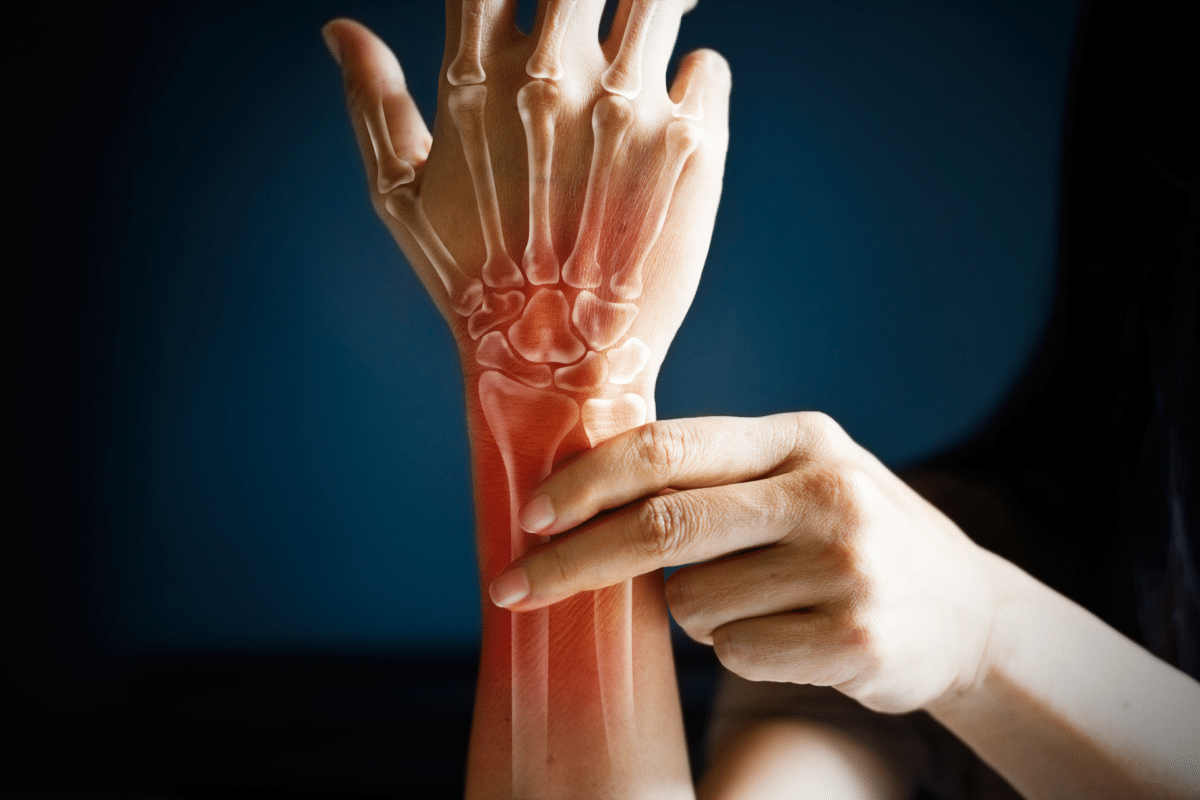
Osteogenesis imperfecta, also known as brittle bone disease, is a genetic disorder. It makes bones very fragile and prone to breaking. Even a small bump or muscle twitch can cause a bone to fracture.
This condition affects how bones are made because of a problem with collagen. Collagen is a key protein for strong bones. People with osteogenesis imperfecta often break bones easily. This can really hurt their daily life and how well they can move around.
Key Takeaways
- Osteogenesis imperfecta is a genetic disorder that affects bone strength.
- The condition is characterized by fragile bones prone to fractures.
- Collagen production is impacted, leading to bone fragility.
- Frequent fractures can significantly affect quality of life and mobility.
- Understanding the condition is key for managing it well.
Understanding Osteogenesis Imperfecta: A Disease When Bones Break Easily
Osteogenesis imperfecta is a genetic disorder that affects bones from birth. It makes bones break easily and can cause other problems. These issues can be mild or severe.
Definition and Medical Overview
Osteogenesis imperfecta affects the body’s connective tissue. This tissue supports organs, joints, and bones. It’s mainly caused by a lack of type I collagen, a protein important for bone structure.
This lack makes bones fragile and prone to fractures. The condition’s genetic basis and clinical signs are key to understanding it. Its severity varies, and treatment involves medicine, physical therapy, and lifestyle changes.
Alternative Names: Glass Bone Disease and Vrolik Syndrome
Osteogenesis imperfecta is also called glass bone disease and Vrolik syndrome. These names come from the condition’s fragile bones, like glass. “Vrolik syndrome” is named after Willem Vrolik, a Dutch anatomist who studied it.
These names show the condition’s complexity. They highlight its fragile bones and its historical and medical significance. Knowing these names helps understand the disorder’s background and impact.
|
Name |
Description |
|---|---|
|
Osteogenesis Imperfecta |
A genetic disorder causing fragile bones |
|
Glass Bone Disease |
Reflects the fragile nature of bones |
|
Vrolik Syndrome |
Named after Willem Vrolik, who studied the condition |
This condition affects about one in 15,000 to 20,000 people globally. It’s rare but significant. It impacts individuals and families greatly, needing a supportive care approach.
The Genetic Basis of Brittle Bone Disease

Osteogenesis Imperfecta is a genetic disorder. It happens when there’s not enough or faulty type I collagen. This protein is key for strong bones.
Type I Collagen Deficiency Explained
Type I collagen is everywhere in our bodies. It’s vital for bones, skin, and teeth. Without enough, bones become very fragile.
Type I collagen is essential for bone health. It helps bones get strong by holding minerals. Without it, bones break easily.
COL1A1 and COL1A2 Gene Mutations
Most cases of Osteogenesis Imperfecta come from COL1A1 or COL1A2 gene mutations. These genes make the parts of type I collagen. Faulty genes mean less or wrong collagen.
|
Gene |
Function |
Effect of Mutation |
|---|---|---|
|
COL1A1 |
Encodes alpha1 chain of type I collagen |
Reduced or abnormal type I collagen production |
|
COL1A2 |
Encodes alpha2 chain of type I collagen |
Reduced or abnormal type I collagen production |
Knowing the genetics of Osteogenesis Imperfecta is key. It helps doctors diagnose and manage the disease. Genetic tests can spot COL1A1 and COL1A2 mutations. This info is useful for family planning and genetic counseling.
Key Fact #1: Prevalence and Demographics
Osteogenesis imperfecta is a condition that affects people from all walks of life. It has a specific prevalence rate that is key for research and treatment. We will explore the global statistics and distribution of this condition to understand its impact better.
1 in 15,000 to 20,000 People Worldwide
Osteogenesis imperfecta affects about one in 15,000 to 20,000 people worldwide. This shows it’s a rare condition but very important to understand and treat.
Global statistics on osteogenesis imperfecta show it’s found in all populations, no matter where you are. This means it’s not just found in certain ethnic or racial groups.
Distribution Across Different Populations
The way osteogenesis imperfecta is spread out in different populations is very important. Studies have found that it affects males and females equally, with no bias towards any gender.
Diverse populations around the world are affected by osteogenesis imperfecta. This shows it’s a condition that affects everyone, not just certain areas or communities. This global spread means healthcare systems worldwide need to be ready to diagnose and manage it.
Key Fact #2: Types and Classification of Osteogenesis Imperfecta
It’s important to know the different types of osteogenesis imperfecta for proper diagnosis and care. This condition is divided into several types based on symptoms, genetic changes, and how severe it is. The main classification system has four main types, with more subtypes and variations.
Type I: Mild Form with Blue Sclera
Type I osteogenesis imperfecta is the most common and least severe form. People with Type I often have blue sclera, where the eyes appear blue. They might break bones, but bone deformities are rare. With the right care, those with Type I can live a relatively normal life.
Type II: Severe and Often Fatal Form
Type II osteogenesis imperfecta is very severe and often fatal, usually within the first few weeks of life. Babies with Type II have extremely fragile bones, leading to many fractures and breathing problems. This type is often diagnosed at birth or shortly after.
Type III: Progressive Deforming Type
Type III osteogenesis imperfecta is marked by progressive bone deformities and great fragility. Those with Type III often break bones frequently and may develop a curved spine. It’s a severe type, affecting mobility and quality of life greatly.
Type IV and Rarer Classifications
Type IV osteogenesis imperfecta is moderately severe, falling between Type I and Type III. Other systems have identified types from V to XIX, each with unique features. These include calcification of the interosseous membrane or hyperplastic callus formation.
The classification of osteogenesis imperfecta is always evolving with new genetic research and clinical findings. Knowing these types is key for personalized treatments and better patient outcomes.
- Type I: Mild form with blue sclera, fewer fractures.
- Type II: Severe, often fatal form with multiple fractures at birth.
- Type III: Progressive deforming type with significant bone fragility.
- Type IV: Moderately severe form, with characteristics between Type I and III.
Key Fact #3: Fracture Patterns and Bone Fragility
Osteogenesis Imperfecta is known for bone fragility. This leads to fractures with little trauma. People with this condition often have many fractures throughout their lives.
From Few to Hundreds: Understanding Fracture Frequency
Some with Osteogenesis Imperfecta might have just a few fractures, while others have hundreds. Babies with this condition can even be born with fractures. The number of fractures varies greatly, depending on the type and severity of OI.
Several factors can affect fracture frequency:
- The specific type of Osteogenesis Imperfecta
- The presence of other medical conditions
- Lifestyle factors, such as physical activity level
- The effectiveness of any ongoing treatments
Fracture Healing Process in Brittle Bone Disease
The healing of fractures in Osteogenesis Imperfecta is similar to the general population. Fractures usually heal at a normal rate. But, the bones might not regain full strength due to collagen issues.
Fracture Prevention Strategies
Preventing fractures is key in managing Osteogenesis Imperfecta. Several strategies can help lower fracture risk. These include:
- Using protective gear, such as helmets and padding, to protect vulnerable areas
- Engaging in safe physical activities that are low-impact and less likely to result in fractures
- Implementing home modifications to reduce fall risks, such as removing tripping hazards and installing handrails
- Utilizing assistive devices to help with mobility and reduce the risk of falls
By understanding fracture patterns and using prevention strategies, people with Osteogenesis Imperfecta can lower their fracture risk. This improves their quality of life.
Key Fact #4: Beyond Broken Bones – Associated Symptoms
Osteogenesis imperfecta is more than just broken bones. It affects many parts of a person’s health. This makes it important to care for all aspects of a patient’s health.
Blue-Tinted Sclera: A Diagnostic Indicator
One key sign of osteogenesis imperfecta is blue-tinted sclera. This happens because the sclera is clear, showing the veins underneath. Blue sclera is a sign doctors look for when checking for this condition.
Dentinogenesis Imperfecta and Oral Health
Dentinogenesis imperfecta affects the teeth in people with osteogenesis imperfecta. It makes teeth look blue or yellowish and makes them more likely to break. Taking good care of your teeth is key to managing this.
Going to the dentist regularly and brushing your teeth well is important. Dentists might suggest things like crowns to help protect your teeth.
Growth Issues and Short Stature
Many people with osteogenesis imperfecta grow shorter than their family members. This is because of bone problems and fractures. Growth hormone therapy might be used to help with this.
|
Growth Issue |
Impact on Osteogenesis Imperfecta |
|---|---|
|
Short Stature |
Reduced height compared to family members |
|
Bone Deformities |
Affects bone growth and development |
|
Growth Hormone Therapy |
Potential treatment to manage short stature |
Joint Hypermobility and Connective Tissue Effects
Joint hypermobility is common in osteogenesis imperfecta. It’s because of bad collagen in bones and other tissues. This can make joints loose and flexible, but also unstable.
“The presence of joint hypermobility in osteogenesis imperfecta highlights the need for a complete approach to managing the condition, including physical therapy to strengthen muscles and improve joint stability.”
In summary, osteogenesis imperfecta has symptoms beyond just broken bones. These include blue-tinted sclera, teeth problems, growth issues, and joint problems. Understanding and managing these symptoms is key to caring for people with this condition.
Key Fact #5: Treatment and Management Approaches
Managing osteogenesis imperfecta needs a mix of strategies. We’ll look at how to improve life for those affected. This includes various ways to manage the condition.
Bisphosphonate Medications for Bone Strengthening
Bisphosphonate drugs are key in treating osteogenesis imperfecta. They help build bone mass and lower fracture risk. By slowing bone breakdown, they make bones stronger.
Clinical studies show bisphosphonates greatly reduce fractures in those with osteogenesis imperfecta.
Physical and Occupational Therapy Interventions
Physical and occupational therapy are vital in managing osteogenesis imperfecta. Physical therapy boosts muscle strength and mobility. Occupational therapy helps with daily tasks and independence.
Therapists create custom exercise plans and adaptive techniques to improve function and quality of life.
Surgical Options: Roding and Bone Support
Surgery is often needed for osteogenesis imperfecta, like fixing fractures and bone deformities. Rodding surgery, which inserts metal rods into long bones for support, is common. Other surgeries include bone grafting and corrective osteotomies to align bones and prevent fractures.
Multidisciplinary Care Teams
Best care for osteogenesis imperfecta comes from teams of experts. These teams include orthopedics, physical medicine, occupational therapy, and genetics. This team approach ensures all needs are met. Together, they create treatment plans that fit each patient’s needs.
Living with Osteogenesis Imperfecta: Daily Challenges
Osteogenesis imperfecta is more than a condition; it’s a lifestyle that requires constant attention. People with this condition face many daily challenges. These challenges affect their physical health, emotional well-being, and how they interact with others.
Adaptive Equipment and Home Modifications
Those with osteogenesis imperfecta often use adaptive equipment like wheelchairs and walkers. This helps them move around safely and reduces the chance of breaking bones. Making changes at home is also key. This includes removing hazards, installing handrails, and creating a safe space.
These changes help people with osteogenesis imperfecta live more safely and independently. For example, they might use a wheelchair to avoid falls. Or, they might have their home modified with padded floors to lessen injury risks.
Educational and Workplace Accommodations
In schools, students with osteogenesis imperfecta get special help. This includes extra time to move between classes and access to elevators. They also get adapted physical education programs.
At work, flexible schedules and ergonomic setups can greatly improve job satisfaction. Having understanding colleagues also makes a big difference.
Psychological Impact and Support Systems
Osteogenesis imperfecta can deeply affect mental health. It can lower self-esteem and increase anxiety. But, having a strong support system is key to coping.
Access to counseling and mental health support is vital. It helps people find ways to deal with their challenges. Connecting with others who understand can also provide a sense of community.
By understanding and supporting those with osteogenesis imperfecta, we can improve their lives. We can work towards a more inclusive society for everyone.
Advances in Research and Future Treatments
Genetic engineering and regenerative medicine are changing how we treat Osteogenesis Imperfecta. Scientists are finding new ways to tackle this condition’s genetic and molecular roots.
Gene Therapy and Genetic Engineering Approaches
Gene therapy aims to fix the genetic flaws that cause Osteogenesis Imperfecta. Researchers are working on different methods to replace or fix the faulty COL1A1 and COL1A2 genes.
Current gene therapy research is focused on making it safe and effective. They want to deliver healthy genes to cells so they can make normal collagen.
Stem Cell Research and Regenerative Medicine
Stem cell research is also showing promise for treating Osteogenesis Imperfecta. Stem cells can turn into different cell types, which could help repair or replace damaged bones.
Regenerative medicine, including stem cells, is being studied for its ability to boost bone density. This could help reduce the risk of fractures in people with Osteogenesis Imperfecta.
|
Research Area |
Potential Benefits |
Current Status |
|---|---|---|
|
Gene Therapy |
Correcting genetic mutations, potentially halting disease progression |
Preclinical trials, early-stage human trials |
|
Stem Cell Therapy |
Repairing or replacing damaged bone tissue, improving bone density |
Preclinical studies, some human trials |
|
Regenerative Medicine |
Enhancing bone health, reducing fracture risk |
Ongoing research, early clinical applications |
While these advancements are exciting, more research is needed. But the progress made gives hope for better treatments for Osteogenesis Imperfecta in the future.
Conclusion
We’ve looked into osteogenesis imperfecta, also known as brittle bone disease. We’ve shared five important facts about it. Knowing about osteogenesis imperfecta is key to helping those affected.
Osteogenesis imperfecta makes bones very fragile, leading to many fractures. It’s caused by a lack of type I collagen. This usually happens because of mutations in the COL1A1 and COL1A2 genes.
Managing osteogenesis imperfecta needs a team effort. This includes medicines, therapy, and surgery. Knowing the different types helps doctors create better treatment plans for each person.
New treatments like gene therapy and stem cell research are on the horizon. Together, we can make life better for those with osteogenesis imperfecta. We can offer them the care and support they need.
FAQ
What is osteogenesis imperfecta?
Osteogenesis imperfecta, also known as brittle bone disease, is a genetic disorder. It makes bones break easily, often with little or no apparent cause.
What are the alternative names for osteogenesis imperfecta?
It’s also called glass bone disease and Vrolik syndrome. These names come from its characteristic brittle bones.
What causes osteogenesis imperfecta?
It’s caused by a lack of type I collagen. This is often due to mutations in the COL1A1 and COL1A2 genes. These genes are key for bone strength and structure.
How common is osteogenesis imperfecta?
It affects about 1 in 15,000 to 20,000 people worldwide. The prevalence varies across different populations.
What are the different types of osteogenesis imperfecta?
There are several types, including Type I (mild), Type II (severe and often fatal), Type III (progressive deforming), and Type IV (moderate). Each type has its own severity and characteristics.
How does osteogenesis imperfecta affect bone fragility?
People with osteogenesis imperfecta have varying frequencies of fractures. The condition also affects the healing process. This makes preventing fractures very important.
What are the associated symptoms of osteogenesis imperfecta beyond bone fractures?
Symptoms include blue-tinted sclera, dentinogenesis imperfecta, growth issues, and joint hypermobility. These are effects on connective tissue.
How is osteogenesis imperfecta treated and managed?
Treatment includes bisphosphonate medications, physical and occupational therapy, and surgical options like rodding. Care from multidisciplinary teams is also important.
What daily challenges do individuals with osteogenesis imperfecta face?
They often need adaptive equipment and home modifications. They also require educational and workplace accommodations. Support systems help with the psychological impact.
What advances are being made in research and future treatments for osteogenesis imperfecta?
Research is ongoing, with promising future treatments. These include gene therapy, genetic engineering, stem cell research, and regenerative medicine.
What is the role of type I collagen in osteogenesis imperfecta?
Type I collagen is key for bone strength. Its deficiency is a primary cause of osteogenesis imperfecta, leading to brittle bones.
Can osteogenesis imperfecta be cured?
There is no cure yet. But various treatments and management strategies can help alleviate symptoms and improve quality of life.
How does osteogenesis imperfecta impact oral health?
It can lead to dentinogenesis imperfecta. This affects oral health and requires specialized dental care.
Reference
National Center for Biotechnology Information. Osteogenesis Imperfecta: Fragility, Genetics, and Fracture Risk. Retrieved from https://www.ncbi.nlm.nih.gov/books/NBK536957/