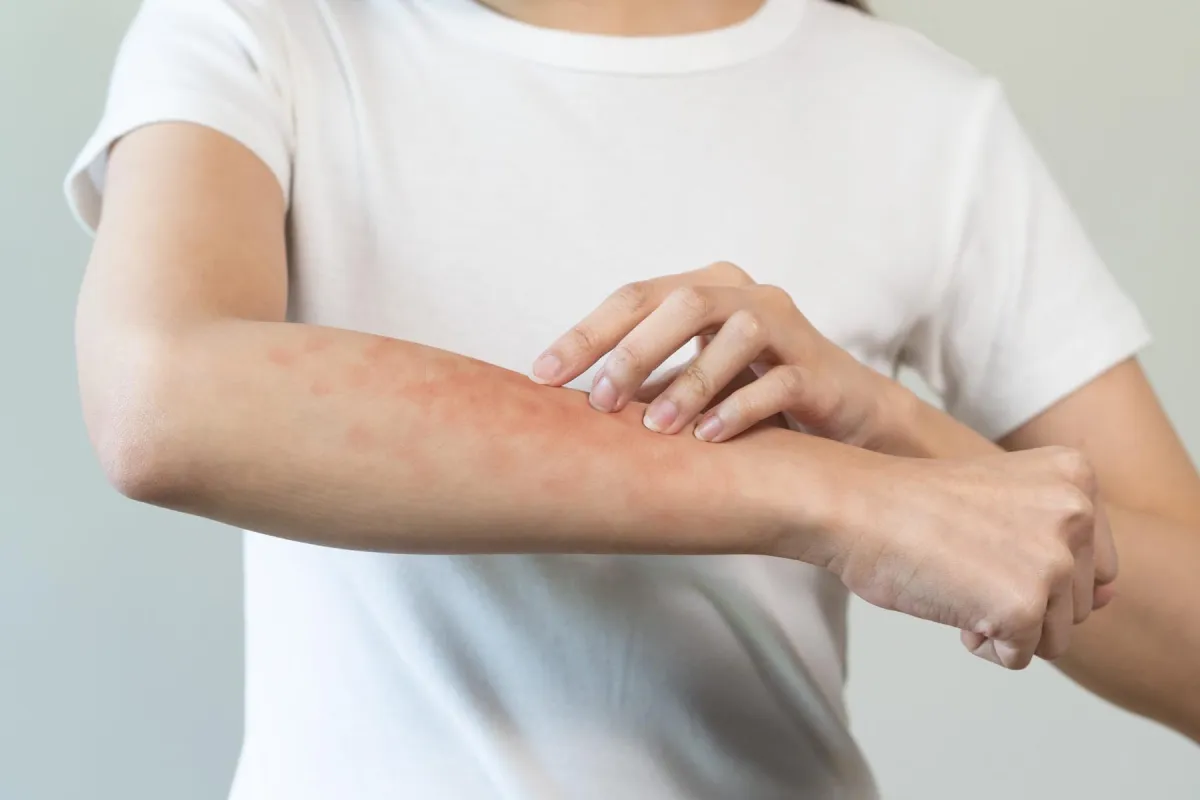
Do welts itch? Learn vital facts. Hives are notoriously itchy, but persistent pain or burning means you need a doctor.
Ever seen sudden, itchy bumps pop up on your skin out of nowhere? These are called hives or wheals. They bother about one in five people at some point.
At Liv Hospital, we get how annoying hives can be. We use advanced tests and tailor-made treatments. Our goal is to find out what’s causing your hives and help you feel better.
Hives are a common skin condition that can really affect your life. In this guide, we’ll talk about what causes hives and wheals. We’ll also cover how to treat them, so you can manage your condition better.
Key Takeaways
- Hives, or urticaria, affect approximately 20% of people at some point in their lives.
- The condition is characterized by itchy bumps or wheals on the skin.
- Advanced diagnostic techniques can help identify specific triggers.
- Personalized treatment plans are available to provide relief.
- Understanding hives and wheals is key to managing them well.
Understanding Hives and Wheals
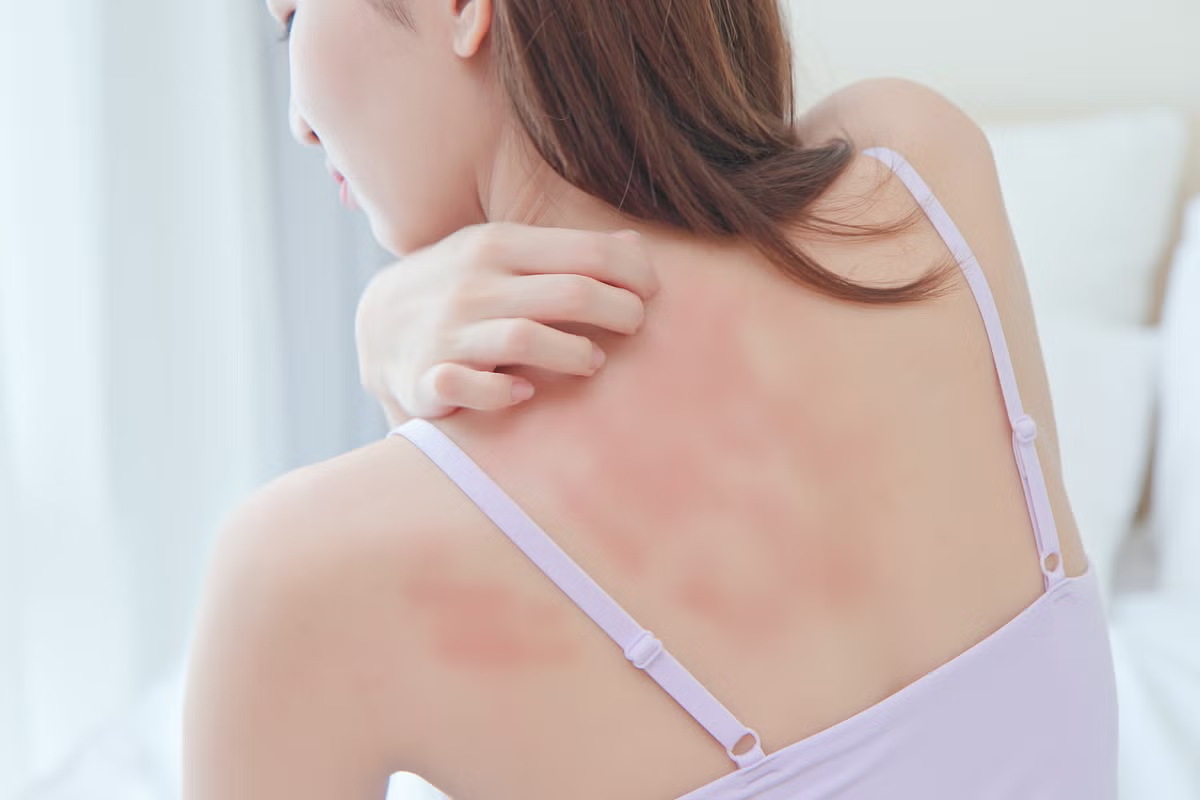
It’s important to know about hives and wheals to manage and treat them well. These skin issues can be uncomfortable and upsetting.
What Are Hives (Urticaria)?
Hives, or urticaria, are itchy welts on the skin. They come in different sizes and shapes. “The term urticaria encompasses a range of conditions that result in these itchy, raised lesions.” They can last a short time or longer than six weeks.
What Are Wheals and Welts?
Wheals and welts are the same thing as hives. A wheal is an itchy skin area, often from an allergic reaction.
“Wheals are the hallmark of urticaria, representing a localized allergic response that can be triggered by various factors.”
These skin wheals can pop up anywhere on the body. They might go away in 24 hours, then come back.
Wheals are red, swollen, and very itchy. Knowing about wheals helps in figuring out and fixing the hives’ cause.
Types of Hives and Their Duration
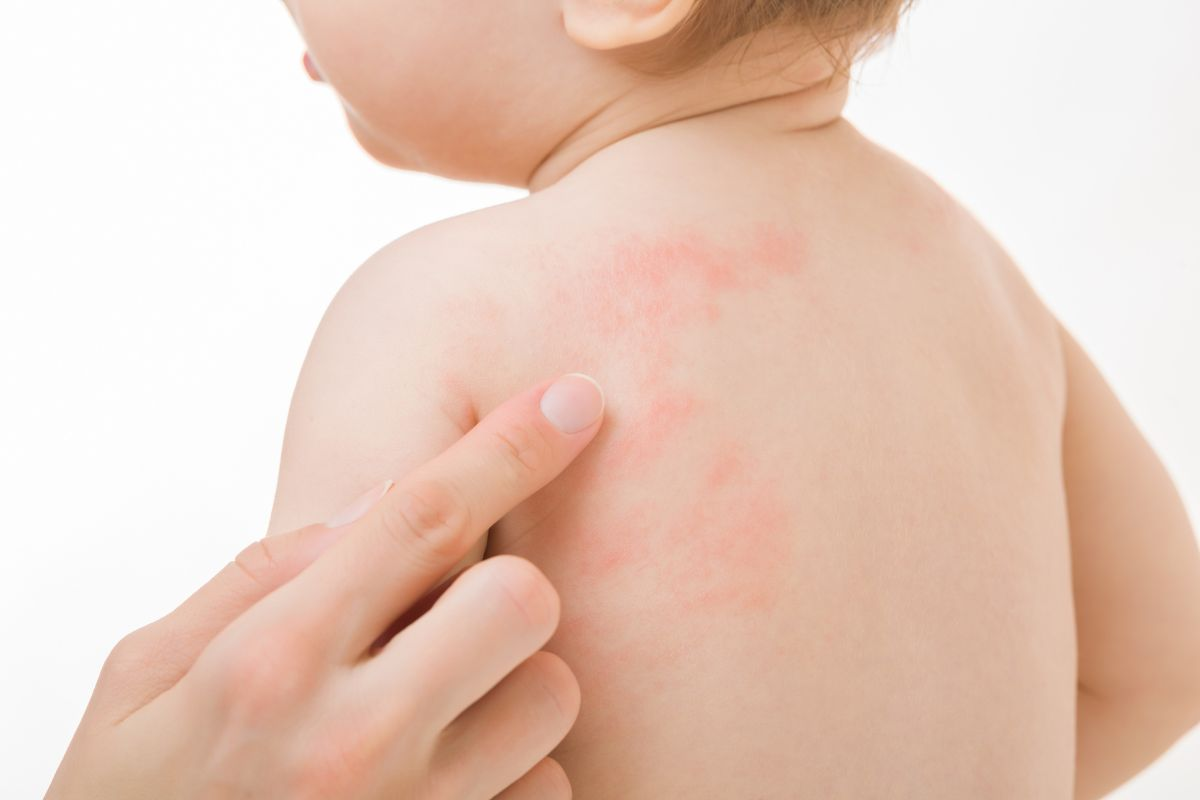
Hives are divided into acute, chronic, and physical urticarias. This helps doctors choose the right treatment. Each type of hives has its own look and how long it lasts.
Acute Hives
Acute hives last less than six weeks. They can come from food allergies, medicine, or infections. Symptoms can be uncomfortable but usually get better with treatment. Many things can cause acute hives, like:
- Food allergies
- Medications such as antibiotics or NSAIDs
- Infections like the common cold or flu
- Insect bites or stings
Chronic Hives
Chronic hives last more than six weeks. They can be hard to manage. Finding the cause is key to treating them. Identifying the underlying cause is essential for effective treatment. Managing chronic hives needs a detailed plan, including:
- Detailed medical history
- Allergy testing
- Medication to control symptoms
Physical Urticarias
Physical urticarias happen when the skin is touched or exposed to certain things. Examples include:
|
Type |
Trigger |
Characteristics |
|---|---|---|
|
Dermographic urticaria |
Friction or stroking |
Immediate wheal formation |
|
Cold urticaria |
Cold temperatures |
Hives after cold exposure |
|
Cholinergic urticaria |
Heat or exercise |
Small hives during sweating |
By understanding the type of hives, doctors can give better care. They can target the cause and help symptoms improve.
Do Welts Itch? Understanding the Symptoms
It’s important to know how hives itch to manage them well. The itching from hives can be really bothersome. It’s key to understand how it feels and how bad it is.
The Nature and Intensity of Itching
The itch from hives, or urticaria, can be mild or very strong. Sometimes, it’s so bad it keeps you awake or stops you from doing things. How bad the itch is can change for different people and even for the same person over time.
Histamine release plays a big role in hives itching. When something triggers histamine in the skin, it causes itching, redness, and swelling.
Other Common Symptoms
Other signs of hives include redness and swelling. The skin might look erythematous (red) because of more blood flow. Swelling, or angioedema, can happen too, mostly in serious cases.
- Redness and warmth around the affected area
- Swelling that can be tender to the touch
- Blisters or wheals that can vary in size
How Symptoms Progress and Resolve
Hives symptoms can change a lot from person to person. Sometimes, they go away in a few hours. Other times, they can last for days or weeks.
Knowing what causes hives is key to feeling better. Staying away from things that trigger hives and using the right treatments can help. This can make the itching and other symptoms less uncomfortable.
Common Allergic Triggers of Hives and Wheals
Knowing what causes hives and wheals is key to managing them. These reactions happen when the body sees something it shouldn’t and reacts. This reaction leads to the release of chemicals that cause blood vessels to leak, resulting in hives and wheals.
Food Allergens
Some foods are more likely to cause hives and wheals. These include:
- Nuts, like peanuts and tree nuts
- Shellfish and fish
- Milk and eggs
- Wheat and soy
- Certain fruits and vegetables
Food allergies can range from mild hives to severe reactions like anaphylaxis. It’s important to know what foods to avoid to manage symptoms.
|
Common Food Allergens |
Symptoms |
|---|---|
|
Nuts (peanuts, tree nuts) |
Hives, itching, swelling |
|
Shellfish and fish |
Hives, wheals, digestive issues |
|
Milk and eggs |
Hives, eczema, digestive issues |
Medication Reactions
Some medications can also cause allergic reactions. Common ones include:
- Antibiotics (e.g., penicillin)
- Nonsteroidal anti-inflammatory drugs (NSAIDs)
- Aspirin
- Certain anticonvulsants
These reactions can be mild or severe. If you think a medication is causing hives, talk to your doctor about other options.
Environmental Allergens
Environmental factors can also trigger allergic reactions. These include:
- Pollen from trees, grasses, and weeds
- Insect stings and bites
- Latex and other chemicals
- Pet dander
Staying away from known allergens and using protective measures can help. This includes wearing protective clothing and using air purifiers.
By knowing and avoiding these common triggers, people can prevent and manage hives and wheals. This improves their overall quality of life.
Physical and Environmental Causes
It’s important to know what causes hives to manage and prevent them. Allergic reactions are common, but physical and environmental factors also play a big role. These can affect people who are more sensitive.
Temperature Extremes
Extreme temperatures can cause hives in some people. Cold urticaria happens when skin meets cold, leading to hives. Heat can also trigger hives, known as cholinergic urticaria, from activities or hot showers.
Prevention tips: Stay away from sudden temperature changes. Wear clothes that match the weather to avoid extreme temperatures.
Pressure and Friction on Skin
Pressure or friction on the skin can cause hives. This is known as dermatographic urticaria or dermographism. It shows up as hives or welts after minor scratches or pressure.
Symptoms can be reduced by wearing loose clothes. Also, try to avoid rubbing your skin too much.
Sun Exposure and Water Contact
Some people get hives from sunlight, called solar urticaria. It’s a rare condition where skin reacts to sunlight, causing hives. Water contact can also cause hives, known as aquagenic urticaria, even at any temperature.
- Avoid long sun exposure. Use protective clothes and sunscreen.
- For aquagenic urticaria, try to avoid water or use barriers.
Knowing these triggers helps people prevent hives and manage their condition better.
Stress, Exercise, and Other Triggers
Stress, exercise, and hormonal changes can cause hives in some people. These factors are as important as allergic reactions in triggering urticaria.
Emotional Stress and Anxiety
Emotional stress and anxiety can make hives worse or even start them. The body’s stress response releases chemicals like histamine, which can cause hives. Managing stress through meditation, yoga, or therapy can help reduce hives.
Exercise-Induced Urticaria
Exercise can cause hives in some people. This can be mild or severe and may include other symptoms like swelling or anaphylaxis. The exact reason is not known, but it’s thought that exercise releases histamine and other chemicals. Avoiding intense exercise during hot or humid times and taking breaks can help manage symptoms.
Hormonal Changes and Pregnancy
Hormonal changes, like those in pregnancy or menstruation, can also trigger hives. Changes in estrogen and progesterone levels can affect the immune system, leading to urticaria. Pregnant women with hives should talk to their healthcare provider for safe management strategies.
Knowing about these triggers helps us prevent and manage hives better. By understanding the impact of stress, exercise, and hormonal changes, we can tackle hives more effectively.
Infections and Underlying Health Conditions
Infections and health conditions can trigger or make hives worse in many people. Knowing these causes is key to managing and treating hives effectively.
Viral and Bacterial Infections
Viral infections often cause hives, mainly in kids. Viruses like hepatitis, HIV, and infectious mononucleosis can lead to hives because of the immune response. Bacterial infections, like those from Streptococcus and Staphylococcus, can also cause hives. Sometimes, the infection itself doesn’t cause hives, but the body’s reaction does.
Autoimmune Disorders
Autoimmune disorders happen when the immune system attacks the body’s own tissues. Conditions like lupus, thyroid disease, and rheumatoid arthritis raise the risk of hives. Hives can be a sign of these disorders. Treating the underlying condition is often the best way to control hives.
Rare Medical Causes
In some cases, hives can signal a rare medical issue. For example, hereditary angioedema is a genetic disorder that causes severe swelling and hives. Other rare conditions, like urticarial vasculitis, involve blood vessel inflammation and can also cause hives. These conditions need special medical care for diagnosis and treatment.
If you have persistent or severe hives, see a healthcare professional. They can find the cause and suggest the right treatment.
Diagnosing the Cause of Hives and Wheals
Finding out why you have hives and wheals can be tricky. It takes a mix of your medical history, a physical check-up, and sometimes, allergy tests. We know hives and wheals can be scary, so finding the cause is key to treating them.
Medical History and Physical Examination
First, we’ll look at your medical history and do a physical check. We’ll ask about when your hives started, how long they last, and what they look like. We’ll also talk about any triggers or things that make them better. A physical check can show us where the hives are and what they look like. This can help us guess what might be causing them.
Key aspects of the medical history include:
- Previous episodes of hives or other allergic reactions
- Family history of allergies
- Recent infections or illnesses
- Medications and supplements being taken
- Dietary habits and recent food intake
Allergy Testing Methods
If we think an allergy might be causing your hives, we might suggest allergy tests. Skin prick testing is a common way to find out what you’re allergic to. We’ll put a tiny bit of an allergen on your skin and watch for a reaction. Blood tests can also show how your body reacts to allergens.
Allergy testing can help identify:
- Specific food allergens
- Inhalant allergens such as pollen or dust mites
- Contact allergens
Additional Diagnostic Approaches
In some cases, we might need more tests to figure out what’s causing your hives and wheals. These could include:
- Blood tests to check for infections or inflammation
- Challenge tests, where you’re exposed to a suspected trigger under our watch
- A skin biopsy, in rare cases, to look at your skin more closely
As
“The accurate diagnosis of hives and wheals is essential for guiding treatment decisions and improving patient outcomes.”
By using your medical history, a physical check, and specific tests, we can usually find out what’s causing your hives and wheals. Then, we can create a treatment plan that works for you.
Treatment Options for Hives and Wheals
It’s important to know the different ways to treat hives and wheals. Treatment plans mix medicines, lifestyle changes, and home remedies. They are tailored to each person’s needs and the cause of their condition.
Over-the-Counter Medications
Over-the-counter (OTC) medicines are often the first choice for hives and wheals. Antihistamines help by stopping histamine, a chemical that causes allergic reactions. Diphenhydramine (Benadryl) and loratadine (Claritin) are popular OTC antihistamines.
Always follow the dosage instructions and talk to a healthcare provider before starting any medicine. This is important if you have other health issues or are taking other drugs.
Prescription Treatments
For severe or long-lasting hives and wheals, prescription medicines might be needed. Corticosteroids, like prednisone, reduce inflammation and calm the immune system. Sometimes, immunosuppressants are used for long-term hives.
|
Medication Type |
Use |
Examples |
|---|---|---|
|
Antihistamines |
Relieve symptoms by blocking histamine release |
Diphenhydramine, Loratadine |
|
Corticosteroids |
Reduce inflammation and suppress the immune system |
Prednisone |
|
Immunosuppressants |
Used for chronic hives to suppress the immune system |
Cyclosporine, Methotrexate |
Natural Remedies and Home Care
There are also natural remedies and home care tips to help with symptoms. Cool compresses or oatmeal baths can make itchy skin feel better. Staying away from triggers and living a healthy lifestyle can also help prevent outbreaks.
Some people find relief with vitamin C or probiotics. But, it’s important to talk to a healthcare provider before trying any new supplements.
Conclusion: Living with Hives and When to Seek Help
Understanding hives and wheals is key to managing them. We’ve looked at what causes them and how to treat them. This includes allergic reactions and physical and environmental factors.
Dealing with hives can be tough, but it’s doable. If you have persistent or severe hives, get medical help. This is to check for serious conditions that need quick attention.
Knowing what welts on skin mean and what triggers them is important. It helps you take steps to avoid them. Working with doctors and following a treatment plan can lessen the impact of hives on your life.
It’s vital to seek medical help if symptoms get worse or don’t get better with treatment. With the right care, you can manage hives and live better.
FAQ
What are hives, and what do they look like?
Hives, also known as urticaria, are a skin condition. They appear as red, itchy, and swollen welts. These can change in size and shape.
What causes hives and wheals on the skin?
Many things can cause hives and wheals. Allergic reactions, physical stimuli, stress, infections, and health conditions are some examples.
How long do hives typically last?
Hives can last differently. Acute hives usually go away in days to weeks. Chronic hives can last months or years.
Are hives contagious?
No, hives are not contagious. They cannot spread from one person to another.
Can stress cause hives?
Yes, stress and anxiety can cause hives in some people.
How are hives diagnosed?
Doctors diagnose hives by looking at your medical history and doing a physical exam. They might also do allergy tests or other tests.
What are the treatment options for hives and wheals?
Treatments for hives include over-the-counter and prescription medicines. Natural remedies are also options. The goal is to ease symptoms and find the cause.
Can certain foods trigger hives?
Yes, some foods can cause hives, mainly in people with food allergies.
Are there any natural remedies for hives?
Yes, natural remedies like oatmeal baths and cool compresses can help soothe hives.
When should I seek medical help for hives?
See a doctor if your hives are severe, don’t go away, or if you have other symptoms like trouble breathing or swallowing.
References
National Center for Biotechnology Information. Hives and Wheals: Causes, Symptoms, and Management. Retrieved from https://www.ncbi.nlm.nih.gov/pmc/articles/PMC4258556/



 Departments
 Related Videos
 Our Doctors
 News
News