
Research shows a strong link between low hemoglobin levels and brain function decline. This raises a key question: can anemia cause memory problems? Studies indicate that people with anemia face a higher risk of mild cognitive impairment. This condition often leads to Alzheimer’s disease.Does anemia cause memory problems? Learn why fatigue affects the mind and the best ways to boost your blood for vital brain health.
We dive into the relationship between anemia and memory loss. We look at the scientific evidence that connects low hemoglobin levels to brain function decline. A major study with over 4,000 older adults found a significant link. Those with anemia were much more likely to develop mild cognitive impairment than those without it.
Key Takeaways
- Anemia is linked to an increased risk of mild cognitive impairment.
- Low hemoglobin levels are associated with cognitive decline.
- Treating anemia may help prevent or alleviate memory problems.
- Research suggests a significant connection between anemia and memory loss.
- Individuals with anemia should be monitored for cognitive impairment.
Understanding Anemia and Its Effects on the Body
Anemia is more than just a condition. It’s a complex issue that affects many parts of the body. Each type of anemia has its own causes and health impacts.
What is Anemia?
Anemia happens when there aren’t enough red blood cells. These cells carry oxygen to our body’s parts. Without enough, we can feel tired, weak, and even have pale skin and shortness of breath.
Common Types of Anemia
There are many types of anemia, each with its own reasons and effects. The most common is Iron Deficiency Anemia, caused by not enough iron. Other types include Vitamin Deficiency Anemia, Anemia of Chronic Disease, and Sickle Cell Anemia. Knowing about these types helps us see how anemia can affect our memory and thinking.
- Iron Deficiency Anemia
- Vitamin Deficiency Anemia
- Anemia of Chronic Disease
- Sickle Cell Anemia
Global Prevalence and Statistics
Anemia is a big problem worldwide, affecting millions. The World Health Organization (WHO) says it’s most common in South Asia and Sub-Saharan Africa. It has big effects on health and the economy, making it a major public health issue.
|
Region |
Prevalence of Anemia (%) |
|---|---|
|
South Asia |
50% |
|
Sub-Saharan Africa |
46% |
|
Global Average |
25% |
Does Anemia Cause Memory Problems? The Scientific Evidence
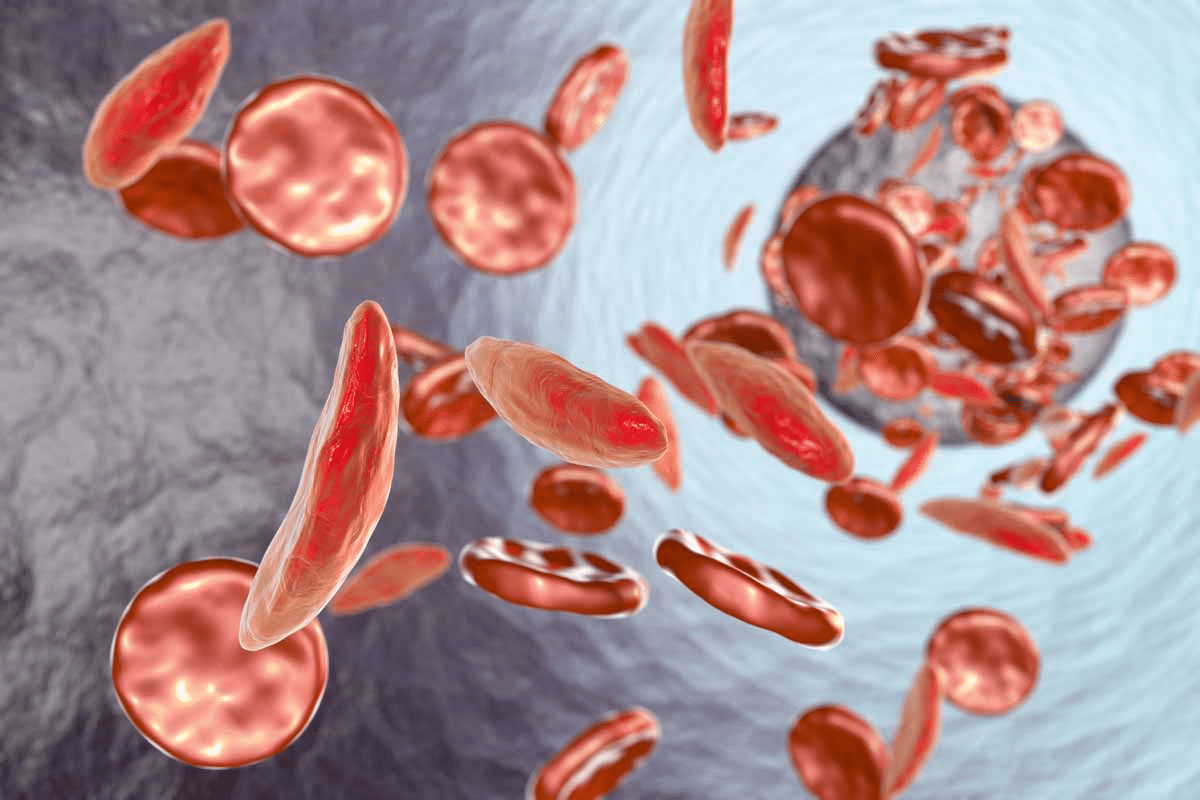
Research has shown a strong link between anemia and memory issues. Low hemoglobin levels can lead to cognitive decline. We will look at the research findings and discuss how anemia affects memory.
Major Research Studies and Findings
Many studies have explored anemia’s impact on the brain. A key 12-year study found that people with anemia were 41% more likely to get Alzheimer’s disease. This shows how important it is to treat anemia to prevent memory loss.
Research also shows that anemia affects different groups. For example, older adults with anemia are more likely to have memory problems. A researcher noted,
‘The presence of anemia in older adults is a significant predictor of cognitive decline and should be considered in the assessment of dementia risk.’
The Link Between Hemoglobin Levels and Cognitive Function
Hemoglobin is key for brain oxygen delivery. Low levels can harm memory. Even mild anemia can affect older adults’ thinking skills.
A study found that even mild anemia can lead to poor thinking skills. This shows the importance of keeping hemoglobin levels in check for good brain function.
Statistical Risk of Cognitive Impairment with Anemia
Anemia significantly increases the risk of memory loss. Studies show that anemia is linked to a higher risk of dementia. The 12-year study found a 41% increased risk of Alzheimer’s disease in those with anemia.
To sum up, anemia raises the risk of memory problems. Here are the main points:
- Anemia increases the risk of cognitive decline.
- It significantly raises the risk of Alzheimer’s disease.
- Mild anemia can also affect thinking skills.
How Anemia Affects Brain Function and Memory
Anemia and brain function are closely linked. This includes how oxygen is delivered, metabolic changes, and brain pathways. We’ll look at how anemia impacts brain health, focusing on these key areas.
Oxygen Delivery and Brain Health
Hemoglobin is key in bringing oxygen to the brain. Low hemoglobin means less oxygen for the brain. Oxygen is vital for brain energy, and without enough, we feel tired, have trouble focusing, and forget things.
Studies show anemia can cause brain problems like memory loss and confusion. Fixing hemoglobin levels through treatment can help. This shows how important oxygen is for brain health.
Metabolic Changes in the Brain Due to Anemia
Anemia changes how the brain works. With less oxygen, the brain uses less energy and might get damaged. This change can hurt how we think and lead to memory issues.
Anemia also affects neurotransmitters and hormones needed for thinking. For example, iron deficiency can lower dopamine and serotonin. These are important for mood and thinking.
Neurological Pathways Affected by Low Hemoglobin
Low hemoglobin can harm brain pathways. The brain’s white matter, with its nerve fibers, is very sensitive to low oxygen. Damage to these fibers can mess up brain communication, causing thinking and memory problems.
Also, anemia can hurt the hippocampus, key for memory. Iron deficiency, a common anemia cause, can change the hippocampus. This makes memory worse.
Types of Anemia Most Associated with Memory Loss
Some anemia types really affect memory and thinking. Not all anemia is the same, but some types hit memory harder than others.
Iron Deficiency Anemia and Cognitive Function
Iron deficiency anemia is very common. It’s linked to brain problems. Iron helps make hemoglobin, which carries oxygen to the brain.
Low iron means less oxygen for the brain. This can cause memory and focus issues. Fixing iron levels can help with these brain problems.
Vitamin B12 Deficiency Anemia and Memory
Vitamin B12 anemia also affects memory. Vitamin B12 is key for making red blood cells and keeping nerves healthy. Without enough, you might feel numb, weak, and have trouble thinking.
Vitamin B12 anemia can really mess with your memory. It can cause forgetfulness, confusion, and trouble solving problems. Taking B12 supplements can help fix these issues.
Other Types of Anemia and Their Cognitive Effects
Iron and B12 anemia get a lot of attention for brain issues. But other anemias can also mess with thinking. For example, anemia from long-term illnesses can make you tired and less sharp.
- Anemia of chronic disease: Seen in people with long-term infections, inflammation, or cancer. It can make you feel tired and foggy.
- Sickle cell anemia: This genetic disorder can hurt your brain because of how red blood cells are shaped. It can block blood flow and reduce oxygen to the brain.
Knowing what kind of anemia you have is key to fixing memory problems.
Recognizing Memory Problems Related to Anemia
It’s important to spot the signs of anemia to get the right treatment. Anemia means low hemoglobin, which can hurt your brain. This can cause memory issues and other brain problems. We’ll look at the signs of anemia, how to tell them apart from other issues, and when they might mean something serious.
Common Cognitive Symptoms
Anemia can make it hard to focus, forget things, and feel mentally foggy. This is because your brain isn’t getting enough oxygen. Does low hemoglobin cause confusion? Yes, it can. It can also make you feel lost and struggle with making decisions.
People with anemia might have trouble:
- Staying focused and paying attention
- Remembering things and forgetting
- Feeling mentally unclear
- Feeling confused and disoriented
Differentiating Anemia-Related Memory Issues from Other Causes
It’s key to figure out if memory problems are from anemia or something else. Many things can cause memory issues, like not eating right, brain diseases, or other health problems. A full check-up is needed to find out why.
To tell if memory problems are from anemia:
- Do a full medical history and check-up
- Do blood tests for anemia and other nutrient issues
- Use special tests to check how well you think
When Memory Problems Signal Serious Conditions
Memory issues from anemia can sometimes mean a bigger problem. Can low hemoglobin cause confusion that gets worse? Yes, it might. If memory problems are bad, don’t get better, or are with other weird symptoms, see a doctor.
Memory problems can mean serious things like:
- Vitamin B12 deficiency anemia
- Brain diseases like Alzheimer’s or dementia
- Chronic diseases that mess with your brain
Knowing the signs of anemia and what they mean is important. By fixing the anemia and related memory problems, we can help your brain and health.
Risk Factors: Who Is Most Vulnerable to Anemia-Related Cognitive Decline
It’s important to know who is at risk for anemia-related cognitive decline. Some people are more likely to experience its effects. This is due to different factors.
Age-Related Risk Factors
Age is a big factor in who is at risk. Older adults face a higher risk because of changes in their bodies. These changes include less iron absorption and more chronic diseases.
- Older adults are at higher risk due to decreased physiological reserve and increased comorbidities.
- Children and adolescents with iron deficiency are also at risk due to the essential role of iron in cognitive development.
Medical Conditions That Increase Risk
Some medical conditions can raise the risk of anemia-related cognitive decline. These include diseases that affect how the body absorbs nutrients or increase anemia risk.
Common medical conditions that increase risk:
- Chronic kidney disease, which can lead to anemia due to reduced erythropoietin production.
- Celiac disease and other malabsorptive disorders that impair nutrient absorption.
- Chronic infections or inflammatory conditions that can lead to anemia of chronic disease.
Lifestyle and Dietary Factors
Lifestyle and diet also affect the risk of anemia-related cognitive decline. A diet lacking essential nutrients, like iron and vitamin B12, can increase this risk.
Dietary factors to consider:
- A vegetarian or vegan diet may increase the risk of iron and vitamin B12 deficiency if not properly managed.
- Poor overall diet quality, characterized by high intake of processed foods and low intake of nutrient-dense foods.
Knowing these risk factors helps us identify who is most at risk. We can then take steps to prevent and treat anemia-related cognitive decline.
Diagnosis and Testing for Anemia and Memory Issues
Getting a correct diagnosis is key to treating anemia and memory problems well. Doctors use medical checks and tests to find out what’s wrong.
Blood Tests for Anemia
Blood tests are a must for diagnosing anemia. They check:
- Hemoglobin levels: Low hemoglobin shows anemia.
- Red blood cell count: This counts the red blood cells in your blood.
- Iron levels: It’s used to spot iron-deficiency anemia.
- Vitamin B12 levels: It helps find vitamin B12 deficiency anemia.
These tests tell doctors what kind of anemia you have and how to treat it.
Cognitive Assessments
Cognitive tests check memory and thinking skills. They might include:
- Memory tests: To see how well you remember things.
- Attention and concentration tests: To check your focus.
- Executive function tests: To see how you solve problems and make decisions.
These tests help doctors understand how much your thinking is affected and if anemia is the cause.
When to See a Doctor
If you have symptoms of anemia or memory issues, see a doctor. Early treatment can make a big difference.
- Symptoms of anemia: Feeling tired, weak, pale, or short of breath.
- Memory problems: Forgetting recent things, trouble learning new stuff, or having trouble concentrating.
If you’re showing these signs, go see a doctor for a proper check-up and diagnosis.
Treatment and Prevention Strategies
Managing anemia well needs a mix of medical care, diet changes, and lifestyle tweaks. This approach helps lessen anemia’s effects on memory and brain function.
Medical Treatments for Different Types of Anemia
Medical care for anemia depends on the cause. For iron deficiency anemia, iron pills are often given. For vitamin B12 deficiency anemia, vitamin B12 shots or pills are suggested. Knowing the exact type of anemia is key for the right treatment.
Iron supplements are key for iron deficiency anemia. But, it’s important to watch iron levels to avoid too much. For anemia of chronic disease, treating the chronic condition is essential.
Dietary Approaches to Prevent and Treat Anemia
Eating right is important for preventing and treating anemia. Eating iron-rich foods like red meat, spinach, and fortified cereals helps prevent iron deficiency anemia. Also, vitamin B12-rich foods like fish, meat, and dairy are key for vitamin B12 deficiency anemia.
- Eating more folate-rich foods like leafy greens and legumes
- Adding vitamin C-rich foods to meals to boost iron absorption
- Avoiding tea and coffee with meals to better absorb iron
Lifestyle Modifications to Support Brain Health
Medical care and diet changes are just part of the solution. Lifestyle changes also help brain health and lessen anemia’s memory effects. Regular physical exercise boosts brain blood flow. Cognitive stimulation through reading and puzzles keeps the mind sharp.
Lowering stress with mindfulness and meditation is also good. Getting enough sleep is vital, as bad sleep worsens brain problems.
Supplements and Their Effectiveness
While diet is key, supplements can fill nutritional gaps. Iron supplements, vitamin B12 supplements, and folate supplements are used for different anemias. Always talk to a doctor before starting supplements to avoid problems.
By using medical treatments, diet, lifestyle changes, and supplements, we can manage anemia well. This approach helps reduce its impact on memory.
Conclusion: Managing Anemia to Protect Cognitive Health
Managing anemia is key to keeping our brains healthy. We need to understand how anemia affects our memory. Studies show that anemia can harm our thinking skills, with low iron being a big factor.
Can low iron cause memory problems? Yes, it can. Iron deficiency anemia is common and affects many people. By treating anemia and making healthy choices, we can protect our brains and avoid memory loss.
Does anemia cause memory loss? Anemia itself doesn’t directly cause memory loss. But, it can make our thinking skills worse. By managing anemia well, we can keep our brains sharp. It’s important to be aware and take action against anemia’s effects on our minds.
FAQ
Can anemia cause memory loss?
Yes, anemia can lead to memory loss. Studies have found a strong link between anemia and memory issues.
Does anemia cause memory problems?
Yes, people with anemia face a higher risk of memory problems. Low hemoglobin levels have been linked to cognitive decline.
What types of anemia are most associated with memory loss?
Iron deficiency and vitamin B12 deficiency anemia impact memory the most. Anemia of chronic disease also affects cognitive health.
How does anemia affect brain function and memory?
Anemia reduces oxygen to the brain, causing metabolic changes. This affects brain pathways, leading to memory issues.
Can iron deficiency cause memory problems?
Yes, iron deficiency anemia can lead to memory issues. Iron is vital for brain health.
Does low iron cause memory loss?
Yes, low iron levels, like in iron deficiency anemia, can cause memory loss.
What are the common cognitive symptoms of anemia?
Symptoms include trouble concentrating, memory lapses, and confusion. These can affect daily life.
How can anemia-related memory issues be differentiated from other causes?
Diagnosing anemia-related memory issues requires blood tests and cognitive assessments.
Who is most vulnerable to anemia-related cognitive decline?
Older adults, those with chronic conditions, and those with dietary deficiencies are at risk.
What are the treatment options for anemia-related memory problems?
Treatment includes addressing anemia causes, like iron or vitamin B12 supplements. Managing chronic conditions and dietary changes also help.
Can anemia be treated to prevent memory loss?
Yes, treating anemia early can prevent or reduce memory problems. Seeking medical help is key if symptoms worsen.
Reference
National Center for Biotechnology Information. Evidence-Based Medical Guidance. Retrieved from https://www.ncbi.nlm.nih.gov/pmc/articles/PMC8231247/



 Departments
 Related Videos
 Our Doctors
 News
News