
Being exposed to asbestos is a known risk for many cancers. The World Health Organization says all asbestos types are harmful to humans. It’s key to know how asbestos exposure and cancer are linked for those who have been exposed.
Being around asbestos can raise your risk of getting mesothelioma, lung cancer, laryngeal cancer, and ovarian cancer. At Liv Hospital, we mix knowledge with caring to help people understand their risks. We also help them find top-notch tests and treatments.
We know how important it is to catch problems early for those who’ve been exposed to asbestos. Our aim is to give full support and the latest care to those with asbestos-related cancers.
Key Takeaways
- All forms of asbestos are recognized as carcinogenic by the World Health Organization.
- Asbestos exposure is linked to mesothelioma, lung cancer, laryngeal cancer, and ovarian cancer.
- Early awareness and medical monitoring are critical for individuals exposed to asbestos.
- Liv Hospital offers full support and advanced care for asbestos-related cancers.
- Understanding the risks associated with asbestos exposure is essential for maintaining health.
Does Asbestos Cause Cancer? The Definitive Answer
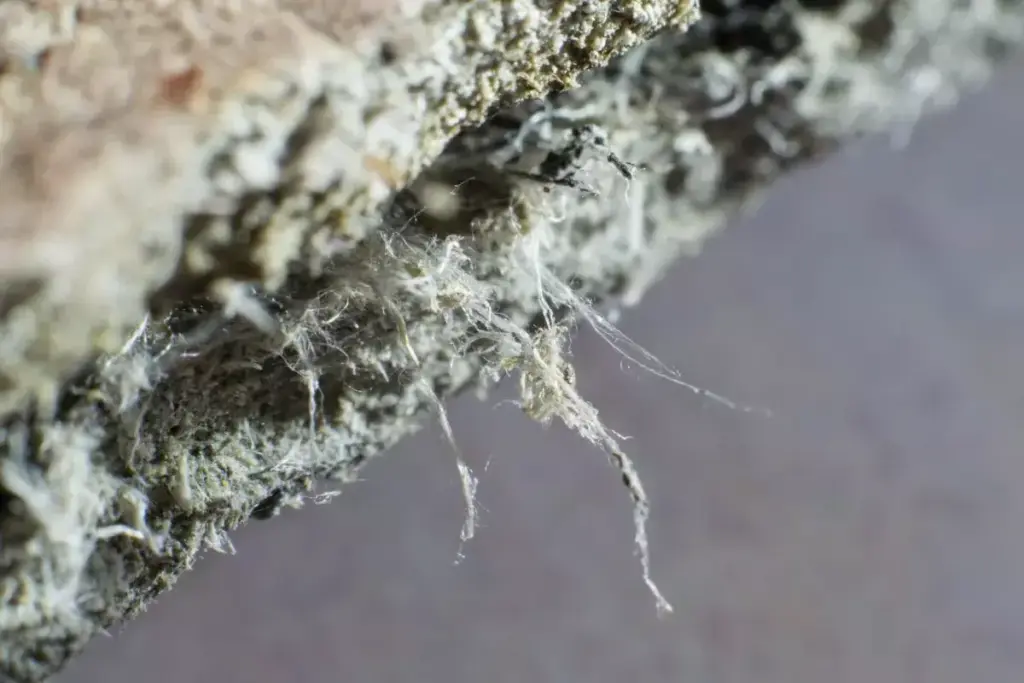
The scientific consensus is clear: asbestos exposure can lead to cancer. We will look at the evidence and what it means for those at risk.
Scientific Evidence and WHO Classification
The World Health Organization (WHO) has done a lot of research on asbestos. They found that all types of asbestos are harmful to humans. They say there is no safe type of asbestos. This is because studies show a link between asbestos and cancer.
No Safe Level of Exposure
It’s important to know that there’s no safe amount of asbestos. Any amount can potentially cause cancer. The risk goes up with more exposure and longer time exposed.
This shows why we need to reduce asbestos exposure. We must take strong steps to control it in all places, but mainly in work areas where exposure is higher.
Reducing asbestos exposure is key to stopping related cancers. We need to take strict actions to lower exposure everywhere. This is to keep people safe and healthy.
How Asbestos Exposure Leads to Cancer Development
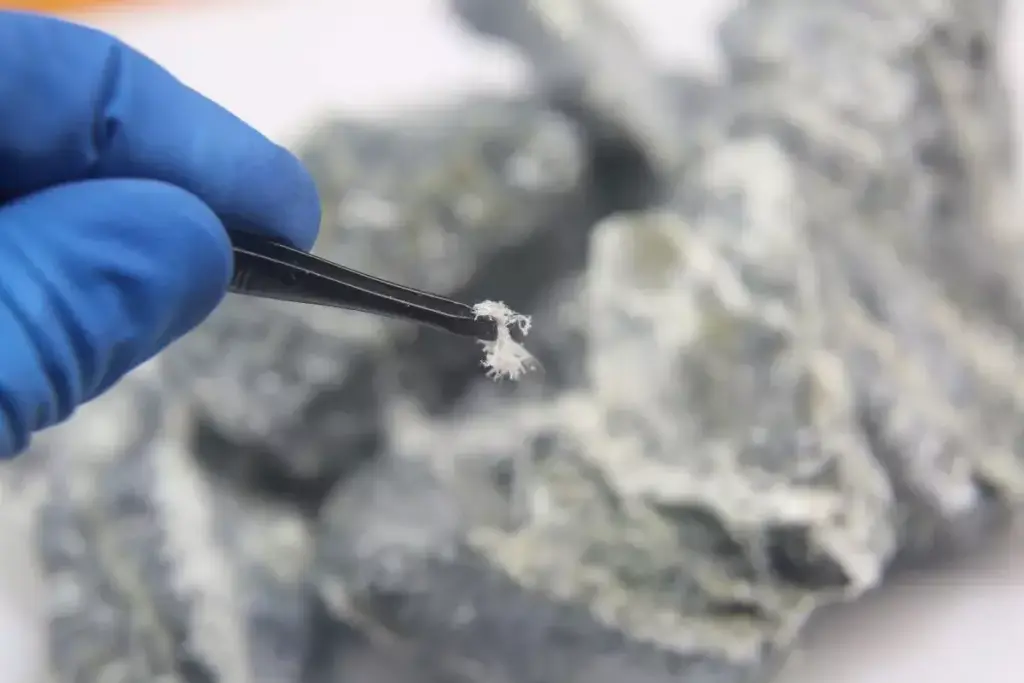
Asbestos fibers, once inhaled, can start a chain of events that may lead to cancer. When these fibers are breathed in, they can get stuck in the lung tissue. This causes long-term inflammation and scarring.
This process can damage the cells’ genes, leading to cancerous mutations.
Biological Mechanisms of Carcinogenesis
The way asbestos causes cancer involves complex interactions between fibers and lung cells. Chronic inflammation plays a big role, as it leads to the production of harmful substances that damage DNA. Asbestos fibers can also physically disrupt cellular processes, causing genetic changes that may lead to cancer.
“The physical presence of asbestos fibers in the lung tissue can cause persistent inflammation, which is a critical step in the development of cancer,” according to medical research. This inflammation can lead to fibrosis and the formation of scar tissue, further increasing the risk of cancer development.
Latency Period and Disease Progression
The time between asbestos exposure and cancer can be very long, often 10 to 60 years. This makes it hard to catch asbestos-related diseases early. During this time, people may not show symptoms, even though their bodies are undergoing changes that could lead to cancer.
It’s important to understand the latency period and how diseases progress. Regular monitoring of those who have been exposed to asbestos is key. It helps catch health issues early, before they get worse.
As a leading medical expert noted, “The long latency period associated with asbestos exposure highlights the need for ongoing surveillance and preventive measures in at-risk populations.”
Types of Cancer Caused by Asbestos
Asbestos exposure can lead to several types of cancer. This highlights the need for awareness and prevention. Asbestos, a group of minerals, was once widely used but is now known to be a major carcinogen. It can cause cancer in different parts of the body.
Mesothelioma: The Signature Asbestos Cancer
Mesothelioma is a rare and aggressive cancer linked to asbestos. It affects the lining of the lungs, abdomen, or heart. Mesothelioma is considered the signature asbestos cancer because of its strong link to asbestos. It often takes decades to develop after initial exposure.
Lung Cancer and Asbestos Exposure
Lung cancer is a significant risk for those exposed to asbestos. Asbestos can cause lung cancer, including adenocarcinoma, squamous cell carcinoma, and small cell carcinoma. Smoking increases this risk, making it a major concern for smokers exposed to asbestos. For more information, visit
Other Asbestos-Related Cancers
Asbestos exposure is also linked to laryngeal and ovarian cancer. While the evidence is not as strong as for mesothelioma and lung cancer, these associations are significant. They warrant concern.
| Cancer Type | Association with Asbestos | Key Risk Factors |
| Mesothelioma | Strongly associated | Asbestos exposure |
| Lung Cancer | Strongly associated | Asbestos exposure, smoking |
| Laryngeal Cancer | Associated | Asbestos exposure, smoking |
| Ovarian Cancer | Possibly associated | Asbestos exposure |
High-Risk Occupations and Exposure Settings
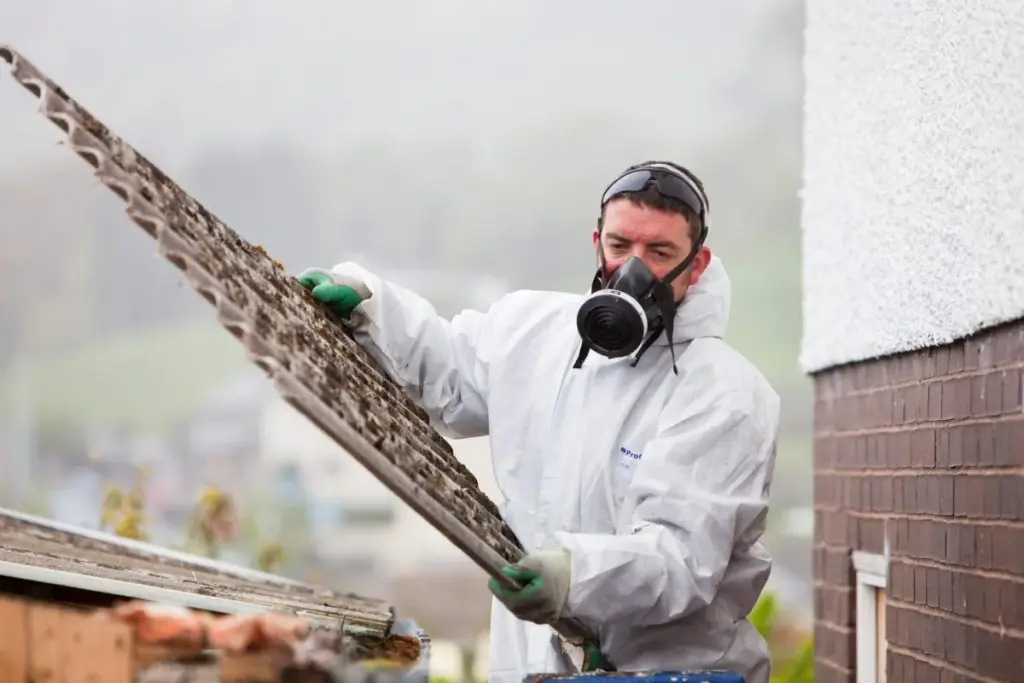
Certain jobs have a higher risk of asbestos exposure. These include construction workers, shipbuilders, miners, and manufacturers. Knowing these risks is key for prevention and early detection. Workers in these fields should be aware of the dangers of asbestos and take steps to minimize exposure.
Conclusion: Understanding Your Risk and Taking Protective Measures
It’s key to know the dangers of asbestos to stop cancer linked to it. We’ve learned that asbestos can lead to cancer and there’s no safe amount. The more and longer you’re exposed, the higher your risk of diseases like mesothelioma and lung cancer.
To stay safe, always wear the right protective gear and follow safe work rules. If you’ve been exposed to asbestos, get regular health checks. This might include doctor visits and tests like chest X-rays or CT scans. For more on how to avoid asbestos risks, check out the American Cancer Society’s asbestos page.
By knowing the risks and taking steps to avoid them, we can lower cancer cases linked to asbestos. It’s up to all of us to make our workplaces safer. This is important for everyone, but even more so for those at high risk.
FAQ
What type of cancer does asbestos cause?
Asbestos is primarily known for causing mesothelioma, a rare and aggressive cancer of the protective lining of the lungs (pleura) or abdomen (peritoneum), and it is also a major cause of lung, laryngeal, and ovarian cancers.
How much asbestos exposure causes cancer?
There is no known “safe” level of asbestos exposure; while higher concentrations and longer durations increase the risk, even short-term or low-level exposures have been linked to the development of cancer decades later.
Can asbestos cause lung cancer?
Yes, asbestos is a potent lung carcinogen, and the risk of developing lung cancer is significantly multiplied—up to 50 times higher—for people who are exposed to asbestos and also smoke tobacco.
How does asbestos cause cancer?
Inhaled microscopic fibers become permanently lodged in tissue, where their needle-like shape causes physical irritation, chronic inflammation, and genetic damage to cells that eventually leads to malignant mutations.
What are the high-risk occupations for asbestos exposure?
High-risk occupations include construction workers, shipbuilders, firefighters, power plant workers, and brake mechanics who handled asbestos-containing materials before strict regulations were implemented.
Is there a latency period for asbestos-related cancers?
Asbestos-related cancers have a long latency period, typically taking 20 to 50 years after the initial exposure before symptoms appear and a diagnosis is made.
Can asbestosis cause cancer?
While asbestosis is a non-cancerous scarring of the lung tissue, individuals with asbestosis have a much higher risk of developing lung cancer or mesothelioma because the scarring indicates heavy fiber exposure.
References
World Health Organization. Evidence-Based Medical Insight. Retrieved from
https://www.who.int/news-room/fact-sheets/detail/asbestos[5