
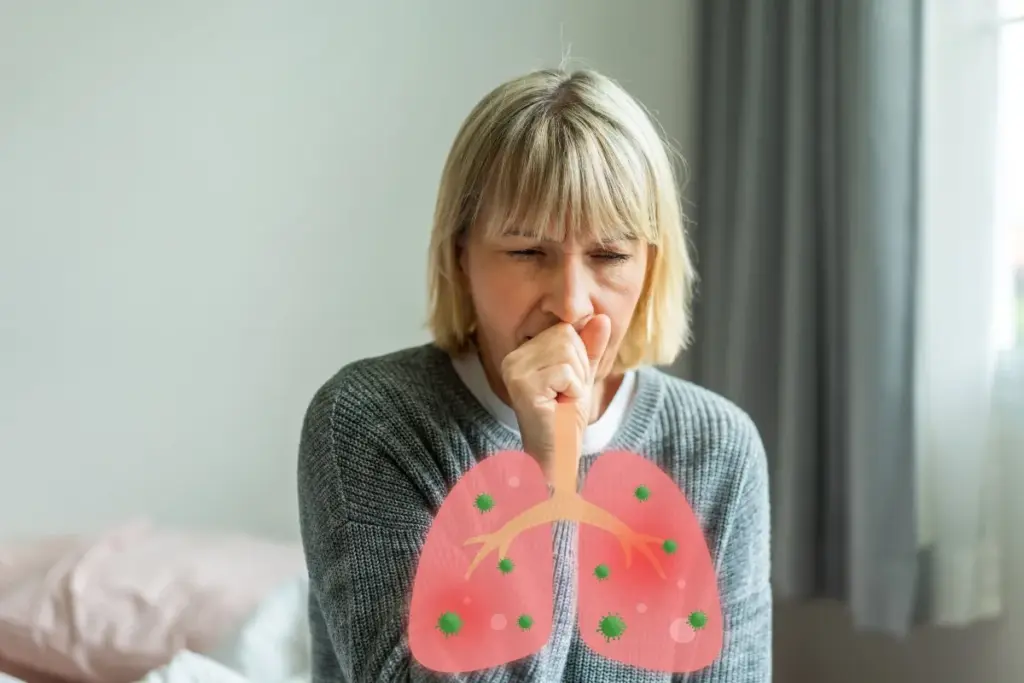
Bronchitis is an inflammation of the bronchial tubes, often causing a persistent cough. But, many people also feel nausea and loss of appetite. These symptoms can really affect their life and how well they recover.
At Liv Hospital, we know how important it is to treat these symptoms. We need to figure out if they are part of bronchitis or if they mean something more serious like pneumonia. This is key for the right diagnosis and treatment.
We want to make it clear how bronchitis, nausea, and loss of appetite are connected. We aim to help patients recognize these symptoms and get the right care. By understanding this connection, we can support patients better in their recovery.
Key Takeaways
- Bronchitis can cause nausea and loss of appetite in some patients.
- These symptoms can be indicative of a more serious condition like pneumonia.
- Proper diagnosis is vital for effective treatment.
- Liv Hospital is dedicated to top-notch healthcare with full support.
- Understanding the link between bronchitis and stomach symptoms is essential for patient care.
Understanding Bronchitis and Its Common Symptoms

Bronchitis is an inflammation of the bronchial tubes. It can be acute or chronic. This condition affects the airways, causing symptoms that can disrupt daily life. We will look into what bronchitis is, how it develops, and its typical symptoms.
What Is Bronchitis and How Does It Develop?
Bronchitis happens when the bronchial tubes get inflamed. This can be due to viral infections, smoking, or pollutants. Acute bronchitis is often caused by viruses, like those in the common cold or flu. Chronic bronchitis is usually linked to long-term exposure to irritants, such as cigarette smoke or pollutants.
Typical Symptoms of Bronchitis
The symptoms of bronchitis depend on whether it’s acute or chronic. Common symptoms include:
- Persistent coughing, which may produce mucus
- Shortness of breath or feeling winded even when doing simple tasks
- Fatigue or feeling tired
- Slight fever or chills
- Chest discomfort or tightness
For more detailed information on bronchitis symptoms, you can visit WebMD’s page on understanding bronchitis symptoms.
Acute vs. Chronic Bronchitis Symptoms
Acute bronchitis symptoms are severe but short-lived, usually lasting a few weeks. On the other hand, chronic bronchitis is a long-term condition with symptoms lasting months or years. Chronic bronchitis is a type of COPD, characterized by a persistent cough that produces mucus.
It’s important to understand the difference between acute and chronic bronchitis. Acute bronchitis may get better on its own, but chronic bronchitis needs ongoing management to prevent complications.
Bronchitis Lack of Appetite and Digestive Symptoms
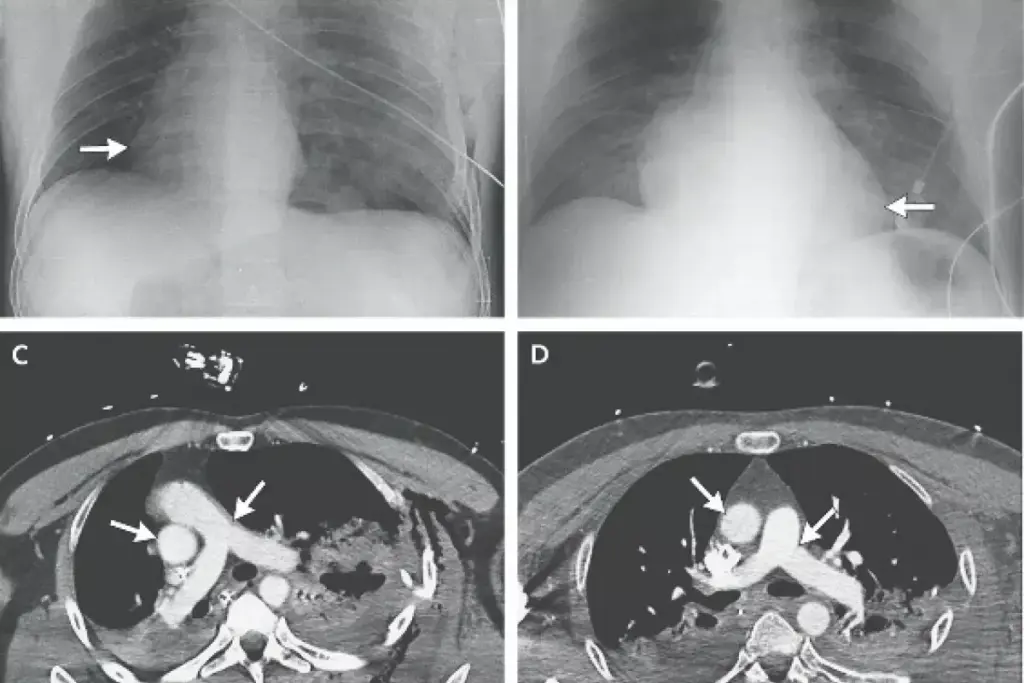
Bronchitis not only affects the lungs but also the digestive system. It can cause nausea and a loss of appetite. Understanding this connection is key to managing bronchitis well.
Why Loss of Appetite Occurs with Bronchitis
Loss of appetite is common in bronchitis. The body’s fight against infection and inflammation can make us feel less hungry. Also, the discomfort and breathing trouble make eating hard.
The main reasons for loss of appetite in bronchitis are:
- Infection and inflammation
- Difficulty breathing
- Discomfort and general malaise
The Connection Between Bronchitis and Nausea
Nausea often comes with bronchitis, more so in severe cases. The exact reason is not clear. But, it’s thought that the body’s inflammation and infection response can upset the stomach, causing nausea.
Vomiting and Other Digestive Symptoms
Vomiting is less common but can happen, mainly if bronchitis gets worse or if pneumonia develops. Other symptoms include stomach pain or changes in bowel movements.
The table below shows digestive symptoms of bronchitis and their effects:
| Symptom | Possible Cause | Implication |
| Loss of Appetite | Infection, inflammation, discomfort | Malnutrition, weakened immune response |
| Nausea | Systemic inflammation, infection response | Dehydration, electrolyte imbalance |
| Vomiting | Progression to pneumonia or other complications | Severe dehydration, need for medical intervention |
When Digestive Symptoms Suggest Complications
Digestive symptoms can be a sign of complications like pneumonia. It’s important to watch these symptoms closely. If they get worse or are severe, seek medical help.
Recognizing complications early can greatly improve treatment outcomes.
Conclusion: Differentiating Bronchitis from Pneumonia
It’s key to know the difference between pneumonia and bronchitis for the right treatment. Bronchitis is when the bronchial tubes get inflamed. Pneumonia, on the other hand, is a serious lung infection that can fill the air sacs with fluid or pus.
So, how can you tell if you have bronchitis or pneumonia? Look for symptoms like confusion, fast breathing, and high fever. Pneumonia symptoms are usually more severe. If you’re feeling these, get medical help right away.
Is bronchitis and pneumonia the same? No, they are not. They are both respiratory infections but need different treatments. Knowing the difference helps you make better health choices.
We stress the need to see a doctor if symptoms get worse or if you’re unsure. Being informed about bronchitis and pneumonia helps protect your health. It ensures you get the right care on time.
FAQ
Does bronchitis cause nausea?
Yes, bronchitis can cause nausea due to coughing, mucus drainage, or viral infection.
Can bronchitis cause loss of appetite?
Yes, fatigue, nausea, and illness-related discomfort can reduce appetite.
Is vomiting a symptom of bronchitis?
Vomiting can occur from severe coughing but is not a primary bronchitis symptom.
What is the difference between bronchitis and pneumonia?
Bronchitis inflames the airways, while pneumonia infects the lung air sacs.
How can I tell if I have bronchitis or pneumonia?
Persistent high fever, chest pain, and severe shortness of breath suggest pneumonia.
Can acute bronchitis turn into pneumonia?
Yes, especially in high-risk individuals, acute bronchitis can lead to pneumonia.
Are digestive symptoms like nausea and vomiting common in bronchitis?
They can occur, especially in viral cases, but are usually mild.
When should I seek medical care for bronchitis?
Seek care if symptoms worsen, last over 3 weeks, or include breathing difficulty or high fever.
References
The Lancet. Evidence-Based Medical Insight. Retrieved from https://www.thelancet.com/journals/lanres/article/PIIS2213-2600(17)30053-5/fulltext