
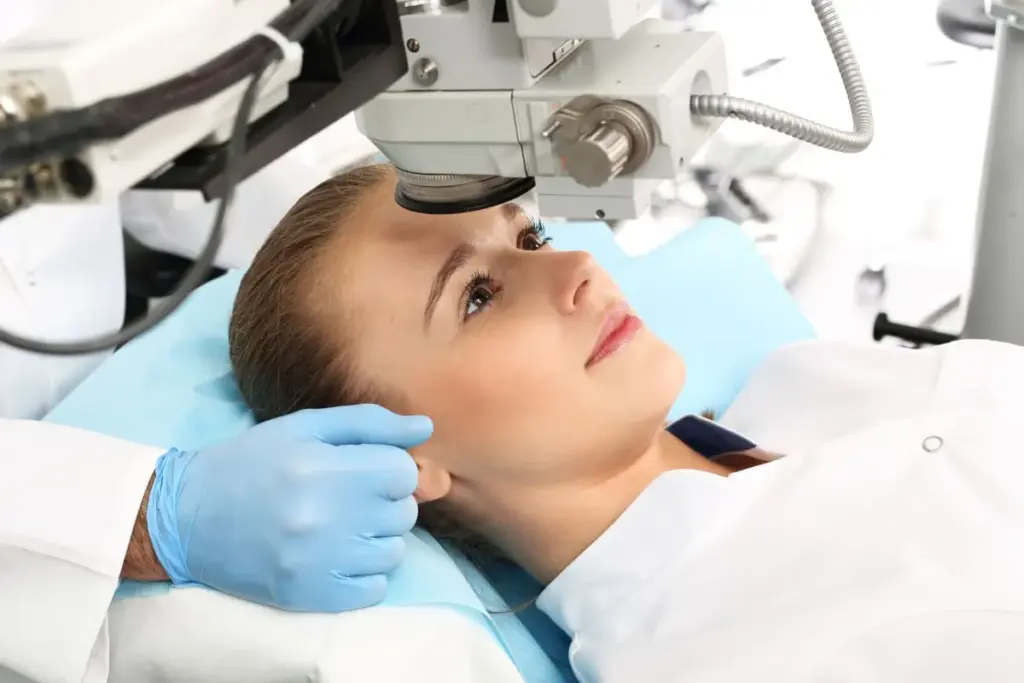
Cataract surgery has changed the lives of millions of patients worldwide. It helps them see clearly again and live more freely. This surgery is very successful, with success rates ranging from 95-99 percent.
This surgery removes the cloudy lens and puts in a clear one. This makes it easier to read, drive, and see faces clearly. At Liv Hospital, we focus on you, using our global experience and proven methods to guide your choices.
Key Takeaways
- Cataract surgery has a high success rate, restoring vision clarity.
- The procedure involves removing the clouded lens and replacing it with an artificial one.
- Improved vision enables patients to perform daily activities with ease.
- Liv Hospital offers a patient-centered approach with international expertise.
- Cataract surgery can significantly enhance quality of life.
The Permanent Nature of Cataract Surgery Vision Improvements
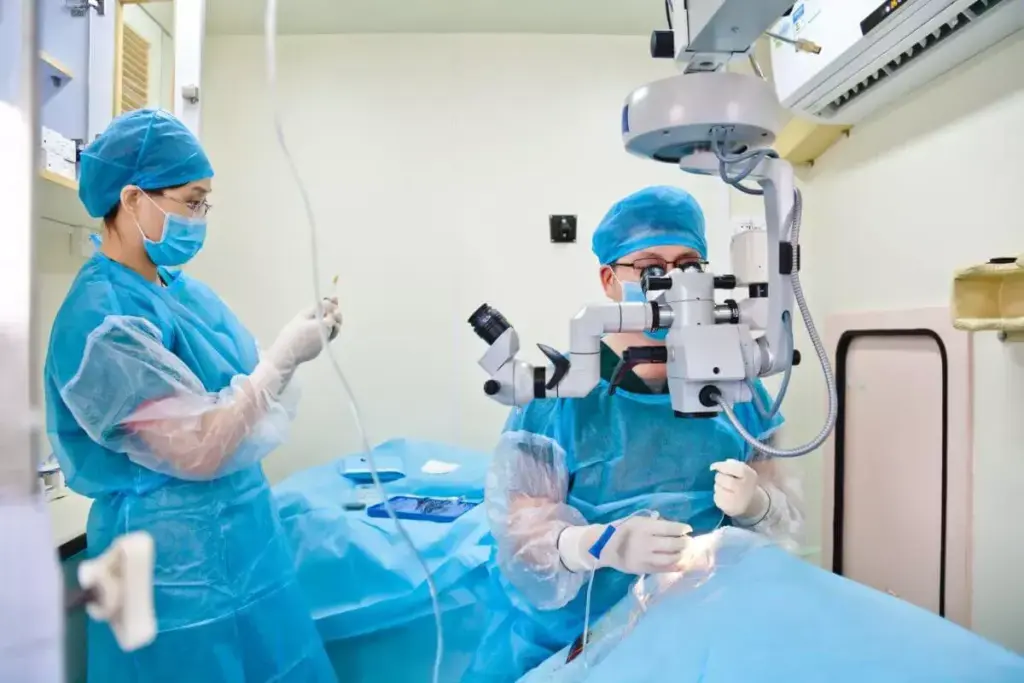
Cataract removal has been shown to improve vision permanently. This is thanks to advancements in intraocular lens technology. This breakthrough has changed the lives of many by restoring their vision and improving their quality of life.
The artificial lens implant is key in cataract surgery. The type chosen can greatly affect the outcome. There are different intraocular lenses (IOLs) available, like monofocal, multifocal, and accommodative lenses. Each offers unique vision correction benefits.
How Cataract Surgery Addresses Vision Loss
Cataract surgery removes the cataractous lens and replaces it with an artificial one. This not only clears vision but also improves its quality. By picking the right IOL, patients can see a big improvement in their vision.
The surgery is meant to be a permanent fix. The intraocular lens is made to last a lifetime. While vision might change a bit over time, the improvement is big and lasts long.
The Lifetime Design of Intraocular Lenses
Intraocular lenses are made to give clear vision for life. Their design and durability ensure they work well over time. The right IOL choice is key to good vision after surgery.
Understanding the benefits and options of intraocular lenses helps patients make good choices. This leads to better vision and a higher quality of life.
Proven Success Rates and Patient Outcomes
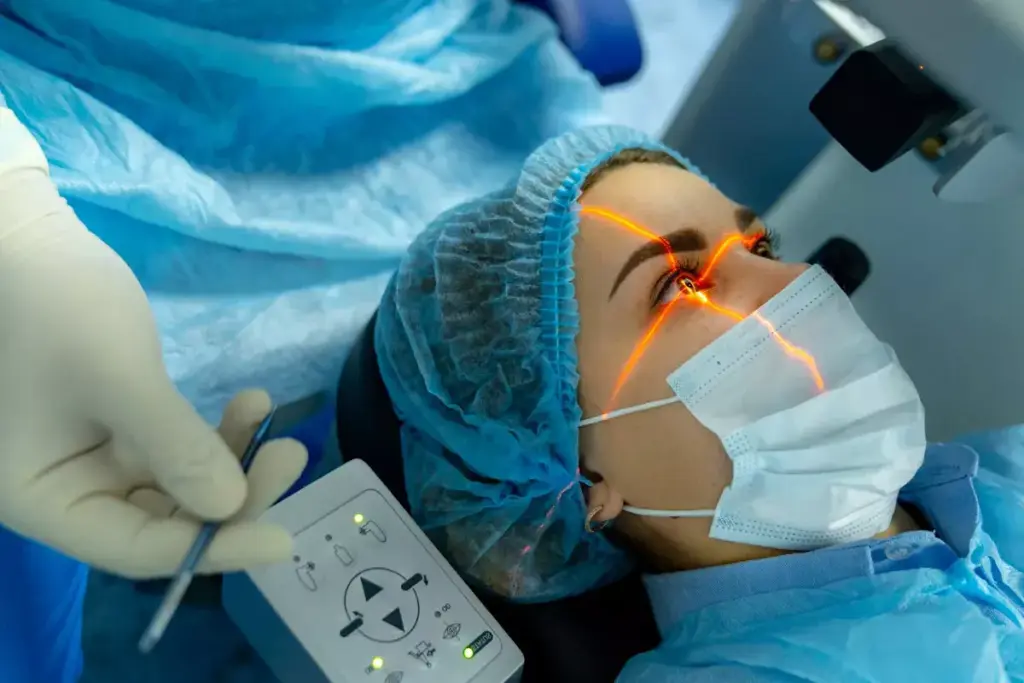
Cataract surgery is known for its high success rate. It has changed the lives of millions around the world. The evidence shows it’s one of the most successful medical procedures.
Clinical Success Statistics Across Medical Studies
Studies show that about 97 percent of patients see better after cataract surgery. This is based on many studies that looked at different groups and surgical methods.
After surgery, people are less likely to fall. This is because their vision improves. They can see better, spot dangers, and move around safely.
| Outcome | Pre-Surgery | Post-Surgery |
| Improved Vision | Limited | Significant |
| Fall Risk | High | Reduced |
| Depth Perception | Impaired | Enhanced |
Long-Term Vision Tracking Over 15 Years
Studies over 15 years show cataract surgery’s benefits last. Patients keep seeing better and living better lives.
The surgery also improves night vision and makes people feel more confident. But, like any surgery, there are risks and sometimes more treatment is needed.
Knowing about cataract surgery’s success helps people make better choices for their eyes. It’s a proven way to improve vision and quality of life.
Benefits of Cataract Surgery for Vision Quality
Cataract surgery does more than just remove cataracts. It brings many benefits that improve your vision quality. This surgery not only clears up your vision but also enhances how you see the world.
Restoration of Visual Clarity and Sharpness
One big advantage of cataract surgery is clearer vision. By taking out the cataract and putting in an intraocular lens (IOL), your vision gets much better. You can read, drive, and watch TV more easily and enjoyably.
Key improvements include:
- Sharper vision
- Improved color perception
- Reduced glare sensitivity
Vivid Color Perception After Surgery
After surgery, you might see colors more vividly. Cataracts can make colors seem faded or yellowed. Removing them lets you see colors more naturally and brightly. This change can really improve your daily life, making everything more vibrant.
Reduced Glare Sensitivity and Better Night Driving
Many people notice less glare after surgery, which helps a lot at night. The lens used in surgery can cut down on halos and glare. This makes driving at night safer and less stressful.
The benefits of reduced glare sensitivity include:
- Improved safety while driving at night
- Enhanced comfort in bright lighting conditions
- Better overall visual comfort
Potential Correction of Other Vision Issues
Cataract surgery might also fix other vision problems like nearsightedness, farsightedness, and astigmatism. This depends on the type of lens used. Some people might see better up close or need glasses less often. This can really improve your life.
The choice of IOL is key to how well you’ll see after surgery. There are lenses for different vision problems. Picking the right one can make a big difference in your vision and independence.
What to Expect for Long-Term Vision After Cataract Surgery
After cataract surgery, many wonder about their long-term vision. The journey to better vision doesn’t stop with surgery. Knowing what to expect is key for realistic hopes.
Changes in Visual Acuity Over Time
Studies show that while some vision decline is possible, most patients see big improvements. A study in the Journal of Cataract and Refractive Surgery found that most patients kept their vision sharp for 15 years. Some saw small changes.
Journal of Cataract and Refractive Surgery
Even though cataract surgery can’t be redone, there are other treatments. For example, YAG laser capsulotomy can fix some issues after surgery.
Maintaining Functional Vision
Most patients see big improvements in their daily lives after surgery. They can enjoy activities without cataract problems. One patient said, “After my cataract surgery, I was amazed at how vivid the colors were and how much clearer I could see the world around me.”
| Activity | Pre-Surgery | Post-Surgery |
| Reading | Difficulty reading small print | Clear vision for reading |
| Driving at Night | Glare and halos around lights | Reduced glare sensitivity |
| Watching TV | Fuzzy images | Clear and vivid images |
Realistic Expectations
It’s important to have realistic hopes after cataract surgery. The surgery can greatly improve vision, but it can’t prevent all future problems. Regular eye exams and a healthy lifestyle are key for eye health.
Understanding long-term expectations helps patients make better eye care choices. Cataract surgery is a big step towards clearer vision. With the right hopes, patients can fully enjoy their improved vision.
Conclusion
Cataract extraction is a life-changing procedure that makes vision clear again. It greatly improves life quality. With a high success rate and lasting results, cataract surgery is a good choice for those with cataracts.
The surgery’s benefits are many. It lets patients regain their independence and enjoy daily activities without cloudy vision. This is a big change for the better.
The surgery does more than just fix vision. It also boosts overall well-being. It solves the problem of vision loss, letting people fully enjoy their favorite activities. Whether it’s reading, driving, or enjoying nature, clear vision makes a big difference.
In short, cataract surgery is a game-changer. It has a proven track record and can greatly improve life quality. Choosing cataract surgery means a lifetime of clear, vibrant vision.
FAQ
Does cataract surgery correct vision permanently?
Cataract surgery removes the cloudy lens and usually restores clear vision, but it may not permanently correct vision problems like nearsightedness or astigmatism. Some people may still need glasses or contact lenses afterward.
What are the benefits of cataract surgery in both eyes?
Having cataract surgery in both eyes can improve overall vision clarity, depth perception, and color perception. It can also reduce the risk of falls and improve quality of life by restoring independence in daily activities.
Will cataract surgery improve my night vision?
Yes, cataract surgery often improves night vision by removing the cloudy lens that scatters light. Many people notice less glare from headlights and streetlights, though some underlying eye conditions can still affect night vision.
How do I know if cataract surgery is right for me?
Cataract surgery is recommended when the clouded lens significantly affects your vision or daily activities. An eye specialist can assess the severity of your cataracts and discuss whether surgery is the best option for you.
What are the advantages and disadvantages of cataract surgery?
The advantages include clearer vision, improved quality of life, and reduced risk of falls. Disadvantages may include temporary discomfort, risk of infection or complications, and the possibility of needing glasses afterward.
Can cataract surgery correct other vision problems?
Cataract surgery can sometimes correct vision issues like farsightedness or nearsightedness by using specialized intraocular lenses. However, it may not fully correct all refractive errors, so some people still need glasses.
Is there treatment for cataracts other than surgery?
Currently, surgery is the only effective treatment to remove cataracts. Lifestyle adjustments, such as using brighter lighting or magnifying lenses, can help temporarily, but they do not stop cataracts from progressing.
How successful is cataract surgery?
Cataract surgery is very successful, with the majority of patients experiencing significant improvement in vision. Complications are rare, and advances in surgical techniques have made the procedure safer and more effective.
Does cataract removal improve vision?
Yes, removing a cataract usually restores clearer and sharper vision. Patients often notice improvements in color perception, contrast, and the ability to see details that were blurred by the cloudy lens.
What can I expect after cataract surgery?
After cataract surgery, vision may gradually improve over a few days to weeks. Some temporary side effects like mild discomfort, light sensitivity, or blurry vision are common, but these usually resolve as the eye heals.
References
National Center for Biotechnology Information. Evidence-Based Medical Insight. Retrieved from https://pmc.ncbi.nlm.nih.gov/articles/PMC1722817/