

Unintentional weight loss is a big worry for those with Chronic Obstructive Pulmonary Disease (COPD). It hits 25 to 40 percent of COPD patients. This can shorten their lives and lower their quality of life.
At Liv Hospital, we get how tough it is to handle COPD-related weight loss. Our team knows that COPD patients burn more energy, eat less, and have more inflammation. This leads to weight loss.
Knowing how COPD and weight loss are linked helps patients take charge of their nutrition. We mix up-to-date medical knowledge with care that focuses on the patient. This tackles the big challenge of weight loss.
Key Takeaways
- COPD patients are at risk of unintentional weight loss.
- Increased energy expenditure and reduced caloric intake contribute to weight loss.
- Systemic inflammation is a significant factor in COPD-related weight loss.
- Managing weight loss requires a holistic approach.
- Patient-centered care is key in tackling COPD-related weight loss.
Understanding COPD and Weight Loss
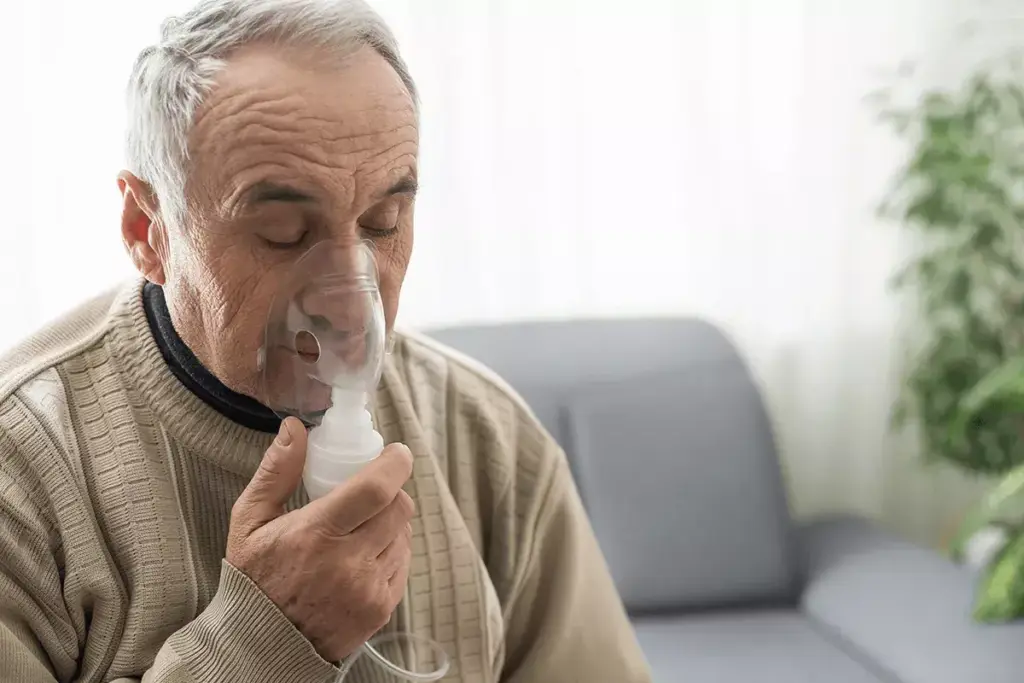
It’s important to understand how COPD and weight loss are connected. COPD is a lung disease that makes it hard to breathe. It’s often caused by smoking, but can also come from other things like genetics and the environment. Losing weight is a big problem for people with COPD, affecting their health and how well they do with the disease.
Prevalence of Weight Loss in COPD Patients
About one-third of people with advanced COPD lose weight. This is a big deal because it shows how serious the disease is. Studies show that those with severe COPD tend to lose more weight. This suggests that how well someone eats and their overall health can affect how their disease gets worse.
A study in a well-known medical journal found that unintentional weight loss is common in COPD patients. It makes their life quality and survival chances worse. The reasons for this weight loss are many, including burning more energy, eating less, and inflammation in the body.
| Study | Prevalence of Weight Loss | Key Findings |
| Study A | 35% | Weight loss associated with increased mortality |
| Study B | 40% | Weight loss correlated with disease severity |
| Study C | 30% | Nutritional interventions improved outcomes |
Why Weight Loss Matters in COPD Prognosis
Weight loss in COPD patients is not just about looks. It’s a sign of how serious the disease is. People who lose weight tend to have a worse outlook, facing higher risks of needing to go to the hospital and dying. This is because losing weight means losing muscle, which is key for breathing.
To learn more about managing weight loss in COPD, check out Healthline’s resource on COPD and weight. It offers detailed information and advice.
It’s key for doctors to understand the link between weight loss and COPD. By tackling weight loss, we can help COPD patients live better and longer lives.
Mechanisms of Weight Loss in COPD
Understanding why COPD patients lose weight is key to better care. Weight loss in COPD is caused by many factors. These include changes in the body and disease progression.
Increased Energy Expenditure
One main reason for weight loss in COPD is the body burning more energy. This is because COPD patients have to work harder to breathe. This extra effort means they burn more calories even when resting.
The hard work of breathing in COPD patients is due to blocked airways and less lung function. This makes breathing more energy-intensive. So, it adds to the overall energy use.
Reduced Caloric Intake
Another big reason for weight loss in COPD is eating less. Symptoms like shortness of breath and fatigue make eating hard. Some patients also have less appetite or trouble eating enough calories.
Helping COPD patients eat right is important. They need enough calories and nutrients to stay healthy.
Systemic Inflammation and Advanced Disease
Systemic inflammation is a big part of COPD. It messes with how the body uses energy, leading to weight loss. It also causes muscle wasting, making the body lose mass.
As COPD gets worse, patients can develop cachexia. This is a condition of weight loss, muscle wasting, and tiredness. Fighting systemic inflammation and cachexia is key to treating COPD.
| Mechanism | Description | Impact on Weight |
| Increased Energy Expenditure | Elevated BMR due to increased work of breathing | Weight loss due to higher caloric burn |
| Reduced Caloric Intake | Difficulty eating due to symptoms like shortness of breath | Inadequate nutrition leading to weight loss |
| Systemic Inflammation | Chronic inflammation disrupting metabolic processes | Muscle wasting and weight loss |
Knowing these reasons helps doctors find better ways to help COPD patients manage their weight. This can improve their health a lot.
Managing COPD and Weight Loss
Managing COPD-related weight loss needs a mix of nutrition, exercise, and medical help. We’ll dive into these areas to understand how to tackle weight loss in COPD.
Nutritional Strategies for COPD Patients
A balanced diet is key for keeping a healthy weight in COPD patients. Nutritional strategies are important for managing weight. We suggest eating foods high in calories and nutrients to help maintain or gain weight healthily.
Some nutritional tips include:
- Eating smaller, more frequent meals to avoid overwhelming the lungs and diaphragm
- Increasing calorie intake with nutrient-dense foods like nuts, dried fruits, and avocados
- Choosing high-protein foods to support muscle health
- Avoiding foods that cause gas or discomfort
For more detailed nutrition advice for COPD patients, check out the American Lung Association’s blog on COPD and nutrition.
American Lung Association
Exercise and Pulmonary Rehabilitation
Exercise and pulmonary rehabilitation are key for managing COPD and weight loss. Tailored exercise programs can boost lung function, muscle strength, and overall health.
Pulmonary rehabilitation includes:
- Exercise training to improve physical conditioning
- Education on lung disease and its management
- Nutritional counseling
- Support and counseling to help patients cope with their condition
Medical Interventions for Weight Management
In some cases, medical interventions are needed to help manage weight in COPD patients. This can include nutritional supplements, medications to boost appetite, and treatments for issues causing weight loss.
| Intervention | Description | Benefits |
| Nutritional Supplements | High-calorie supplements to support weight gain | Easy to consume, high in calories and nutrients |
| Appetite Stimulants | Medications to increase appetite | Can help improve calorie intake |
| Treatment of Underlying Conditions | Addressing conditions like depression or gastrointestinal issues | Can help stabilize weight by addressing underlying causes of weight loss |
By combining nutrition, exercise, and medical help, we can manage COPD-related weight loss. This improves the quality of life for those with COPD.
Conclusion
Managing COPD-related weight loss needs a detailed plan. This plan should cover the complex needs of those with COPD. We’ve learned that losing weight is a big issue for COPD patients. It affects their health and future outlook.
A good care plan includes nutrition, exercise, and medical help. Eating well and staying active can help COPD patients feel better. This approach improves their health in many ways.
It’s not just about treating symptoms. It’s about making life better for COPD patients. With the right strategy, they can handle their condition and stay healthy. This boosts their overall well-being.
Understanding COPD weight loss and using effective strategies can help. This way, we can make life better for those with this chronic condition. It gives them the support they need to deal with COPD weight loss.
FAQ:
Does COPD always cause weight loss?
No, not all COPD patients lose weight; it is more common in advanced or severe disease.
Can COPD cause extreme weight loss?
Yes, severe COPD can lead to cachexia, a state of extreme weight and muscle loss.
How does weight loss affect COPD prognosis?
Unintentional weight loss is linked to worse lung function, reduced exercise tolerance, and higher mortality.
What nutritional strategies can help manage COPD-related weight loss?
High-calorie, high-protein diets, small frequent meals, nutritional supplements, and adequate hydration can help maintain weight.
Can exercise help manage COPD symptoms and weight loss?
Yes, resistance and aerobic training preserve muscle mass, improve strength, and enhance overall energy.
Are there any medical interventions that can help manage weight loss in COPD patients?
Appetite stimulants, nutritional supplements, and treatment of underlying inflammation may be used under medical supervision.
Is weight gain possible for COPD patients?
Yes, with balanced nutrition, exercise, and treatment of underlying disease, weight gain is achievable.
How can healthcare providers support COPD patients with weight loss?
They provide nutritional counseling, exercise programs, medication adjustments, and monitoring of body composition and energy intake.
References:
National Center for Biotechnology Information. Evidence-Based Medical Insight. Retrieved from https://pubmed.ncbi.nlm.nih.gov/16113461/