
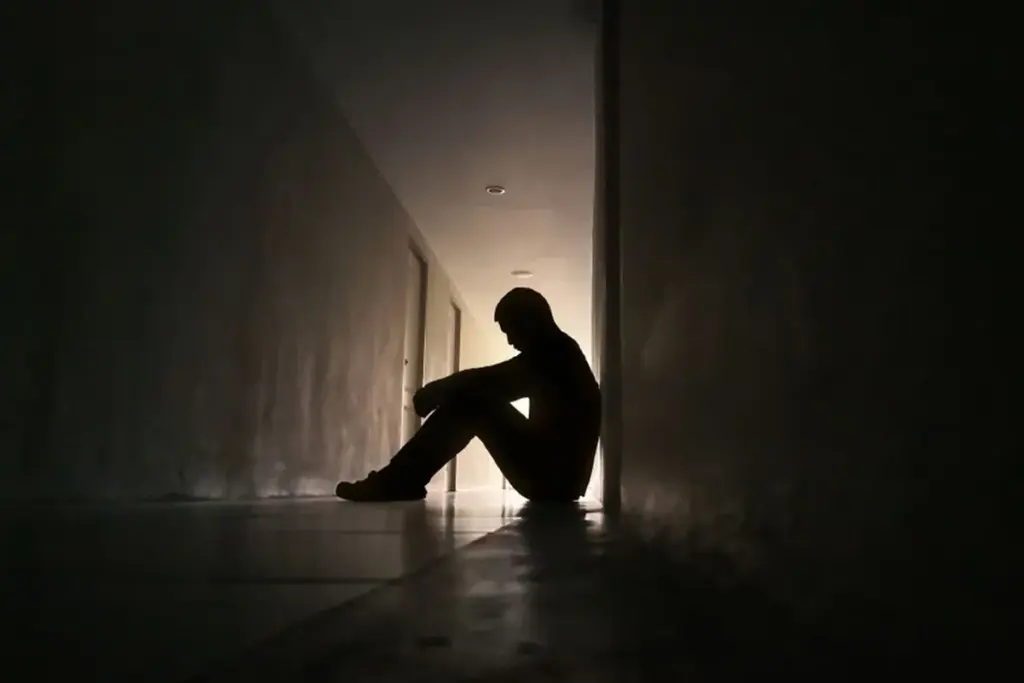
Depression and sleep issues are closely linked, making it hard to break the cycle. Persistent feelings of sadness and hopelessness can really affect someone’s life. They often show up as sleep problems.
Depression can make it hard to sleep, and sleep issues can make depression worse. At Liv Hospital, we focus on treating both depression and sleep problems. We use new, patient-focused ways to help.
Key Takeaways
- Depression and sleep problems share a bidirectional relationship.
- Lack of sleep can worsen depression symptoms.
- Addressing both depression and sleep disturbances is key for effective treatment.
- Comprehensive care protocols can help break the cycle of depression and sleep problems.
- Innovative, patient-centered approaches are essential for treating depression and sleep disturbances.
The Connection Between Depression Sleeplessness and Mental Health

Depression and sleep problems are closely linked. Studies show that people with depression often have trouble sleeping. Also, sleep issues can raise the chance of getting depression.
Understanding the Bidirectional Relationship
The link between depression and sleep is complex. Each condition can affect the other. About 90% of people with depression have sleep problems.
Sleep issues in depression can be insomnia or hypersomnia. These problems greatly affect a person’s life quality.
A study in a top psychiatric journal found something important. It said sleep problems in depression can make treatment harder.
Sleep Quality Complaints in Depression: The Statistics
Many people with depression have sleep quality issues. Here are some research findings:
| Condition | Prevalence in Depression |
| Insomnia | 60-70% |
| Hypersomnia | 15-20% |
| Overall Sleep Disturbances | Approximately 90% |
These numbers show how depression affects sleep. They also show the need for treatments that help both conditions.
It’s key for doctors to understand how depression and sleep problems relate. By recognizing this connection, we can create better treatments. These treatments can help both mental health and sleep quality.
How Depression Causes Sleep Problems and Insomnia

We know that depression can lead to sleep problems, affecting our mental and physical health. Depression is a complex issue that affects not just our mood but also our sleep. It can cause significant sleep-related issues.
Types of Sleep Disturbances Caused by Depression
Depression can cause different sleep problems, like insomnia and hypersomnia. Insomnia makes it hard to fall or stay asleep. Hypersomnia makes you feel very sleepy. People with depression might have broken sleep, leading to more fatigue.
This can make depression worse, creating a cycle.
Depression can cause different sleep problems for everyone. Some might find it hard to start sleeping, wake up a lot at night, or wake up too early. Others might feel very sleepy during the day.
These problems can really affect how well we function and our quality of life.
Depression Severity and Increased Sleep Disorder Risk
Research shows that more severe depression means a higher risk of sleep disorders. As depression gets worse, so does the chance of sleep problems. This shows why treating depression early is key to avoiding sleep issues.
Studies found that those with severe depression often have sleep problems like insomnia and hypersomnia. This shows we need to treat both depression and sleep issues together.
Does Insomnia Cause Depression? Understanding the Reverse Relationship
Insomnia makes it hard to start or stay asleep. It’s a big risk for getting depression. We’ll look at how insomnia can lead to depression and why sleep issues are key in diagnosing it.
Insomnia as a Major Risk Factor for Developing Depression
Research shows insomnia is a big predictor of depression. People with long-term insomnia are more likely to feel depressed. Poor sleep can mess with how we handle our emotions, making us more open to depression.
It’s important to see how sleep problems and mental health are linked. Treating insomnia can stop depression from happening. Doctors should know the risks and treat sleep issues fully.
Why Sleep Complaints Are Essential for Depression Diagnosis
Sleep issues are key in diagnosing depression. Doctors should be careful when diagnosing depression without checking sleep. Insomnia or other sleep problems can change how depression is treated.
The table below shows why sleep issues matter in depression diagnosis:
| Symptom | Prevalence in Depression | Impact on Diagnosis |
| Insomnia | High | Increases risk of depressive disorders |
| Sleep Disturbances | Common | Affects treatment plan |
| Daytime Fatigue | Frequent | Influences overall mental health |
Understanding the link between insomnia and depression helps doctors create better treatments. These treatments tackle both sleep problems and depression symptoms.
Conclusion
Depression and sleep issues are closely tied, with each making the other worse. It’s key to understand that depression can lead to insomnia and other sleep problems. At the same time, sleep issues can make depression symptoms worse.
Fixing sleep problems can help reduce depression symptoms. This shows why treating both conditions together is vital. Healthcare providers need to see the deep connection between depression and sleep. This way, they can create better treatment plans for patients.
Does depression cause insomnia? Yes, and insomnia can also be a sign of depression. This means we need to treat mental health in a complete way. By tackling both the mind and body, we can greatly improve the lives of those with depression and sleep issues.
FAQ
Does depression cause sleep problems?
Yes, depression disrupts sleep regulation, causing insomnia or hypersomnia.helpguide+1
Can insomnia be a symptom of depression?
Yes, insomnia affects 66-90% of depressed individuals.sleepfoundation+1
How does depression severity impact sleep disorders?
More severe depression correlates with worse insomnia and REM sleep abnormalities.pmc.ncbi.nlm.nih+1
Can sleep problems contribute to the development of depression?
Yes, insomnia doubles depression risk independently.helpguide+1
Is there a bidirectional relationship between depression and sleep problems?
Yes, each exacerbates the other in a vicious cycle.pmc.ncbi.nlm.nih+2
Why is it essential to address both depression and sleep problems?
Untreated sleep issues worsen depression outcomes and increase relapse.psychiatry+1
Can treating sleep disturbances help alleviate depression?
Yes, CBT-I reduces depression symptoms by 50% in many cases.[psychiatry]
Are sleep complaints critical for depression diagnosis?
Often required; absent sleep issues make depression diagnosis less likely.[sleepfoundation]
Can depression cause sleeplessness?
Yes, through emotional distress and neurotransmitter imbalances.primebehavioralhealth+1
Is insomnia a sign of depression?
Yes, especially persistent early/late awakenings.pmc.ncbi.nlm.nih+1
References
National Center for Biotechnology Information. Evidence-Based Medical Insight. Retrieved from https://pmc.ncbi.nlm.nih.gov/articles/PMC3108260/