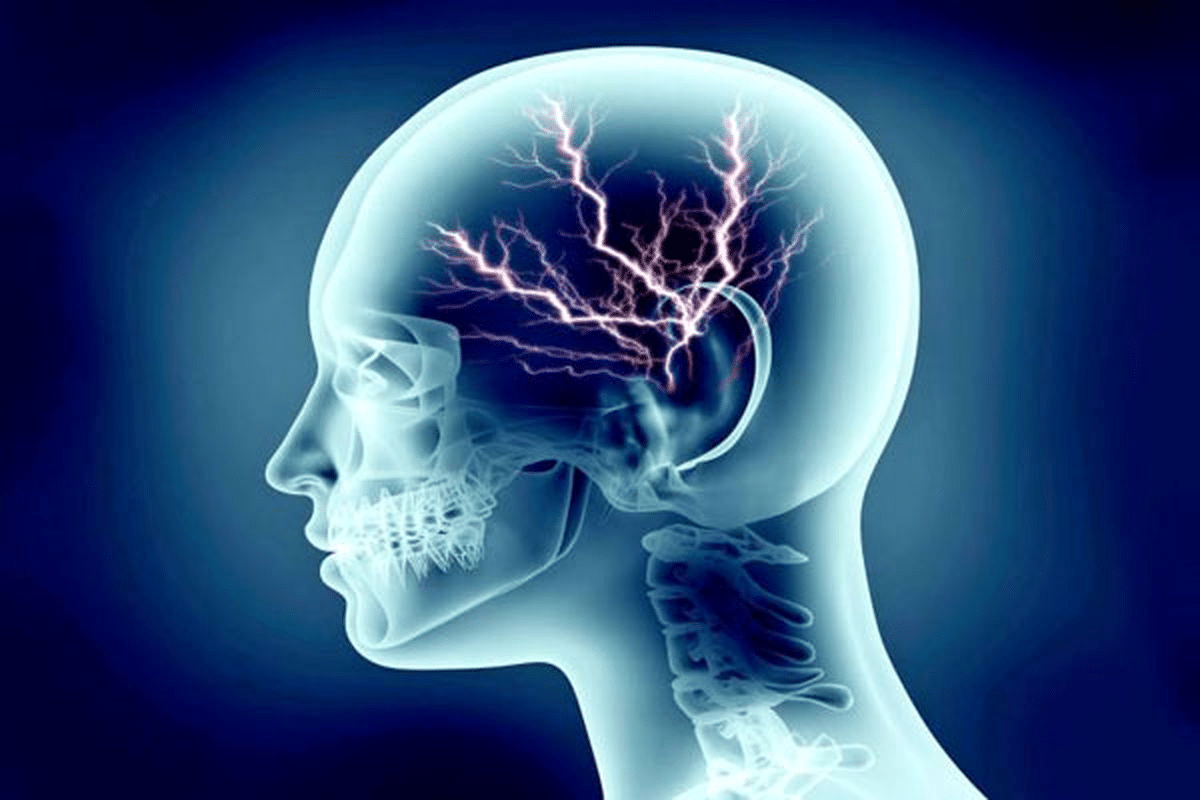
The human brain is a complex organ that handles every sensation, including pain. But, it doesn’t have pain receptors, called nociceptors. These receptors detect and send pain signals.does the brain have nervesRecognizing the Cognitive Impact: What Are the Signs of brain fog?
Pain is learned from our experiences. It’s shaped by our health, mind, and the world around us. The brain has about 86 billion neurons that handle pain signals from our body. Yet, the brain does not feel pain itself.
It’s important to know how pain is sent and the nervous system’s role. This helps us understand why the brain doesn’t feel pain.
Key Takeaways
- The brain lacks pain receptors called nociceptors.
- Pain perception is influenced by various factors, including biomedical realities and psychological issues.
- The brain processes pain signals from the rest of the body.
- The brain itself does not feel pain.
- Understanding pain transmission is key for managing pain effectively.
The Anatomy of the Brain and Its Neural Network
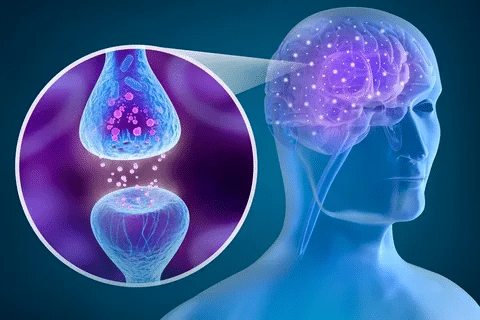
The brain’s anatomy is full of complex structures and functions. These help us experience and interact with the world. The brain and spinal cord make up the central nervous system (CNS), our body’s control center.
The brain has several key parts: the cerebrum, cerebellum, and brainstem. The cerebrum handles sensory info, movement, and thinking. The cerebellum helps with muscle movements and posture. The brainstem connects the cerebrum to the spinal cord and controls basic functions like breathing.
Basic Structure and Function of the Brain
The brain’s neural network has billions of neurons. These cells send information to other cells, muscles, or glands. They are the foundation of our nervous system, helping us perceive and respond to the world.
The 86 Billion Neurons of the Brain
The human brain has about 86 billion neurons. Each neuron is vital in the neural network. They send signals through electrical and chemical means, enabling everything from basic reflexes to complex thoughts.
|
Region |
Function |
Notable Features |
|---|---|---|
|
Cerebrum |
Processes sensory information, controls movement, and manages higher-level cognitive functions. |
Divided into hemispheres (left and right) |
|
Cerebellum |
Coordinates muscle movements and maintains posture. |
Located at the back of the brain |
|
Brainstem |
Regulates basic functions like breathing, heart rate, and blood pressure. |
Connects cerebrum to spinal cord |
Knowing the brain’s anatomy and neural network is key to understanding pain. Even though the brain doesn’t have pain receptors, its structure and function are vital in processing pain signals from the body.
Does the Brain Have Nerves? Understanding Brain Neurons
The brain’s role in pain processing is often unclear. It’s key to know the difference between peripheral nerves and brain neurons. We must understand the brain’s neural structure and how it works.
Difference Between Peripheral Nerves and Brain Neurons
Peripheral nerves are in the peripheral nervous system. They send signals between the brain and the body. These nerves have nociceptors, special neurons that feel pain.
On the other hand, brain neurons are in the central nervous system. They mainly handle information processing.
Key differences between peripheral nerves and brain neurons:
|
Characteristics |
Peripheral Nerves |
Brain Neurons |
|---|---|---|
|
Location |
Outside the brain and spinal cord |
Within the brain |
|
Function |
Transmit signals between the brain and body |
Process information within the brain |
|
Nociceptors Presence |
Contain nociceptors that detect pain |
Lack nociceptors; do not directly sense pain |
How Brain Neurons Function
Brain neurons work by getting, mixing, and sending information. They use electrical and chemical signals to talk to each other. This lets them process complex information, like pain.
The process involves:
- Receiving signals from peripheral nerves
- Integrating information within the brain
- Transmitting processed signals to other parts of the brain or to muscles and glands
Knowing how brain neurons work helps us understand how the brain deals with pain. Even without nociceptors, it can interpret pain signals.
Pain Perception: How We Experience Pain
Pain is a complex mix of biology, psychology, and social factors. It’s an unpleasant feeling when our body is hurt or thinks it might be. This feeling warns us of danger.
The Definition and Purpose of Pain
Pain is a mix of feeling and emotion linked to harm or possible harm. Its main job is to warn us of danger, helping us avoid more harm. Pain is a highly personal experience shaped by many factors.
Pain is more than just a feeling; it’s a mix of sensation and emotion. This mix makes pain different for everyone.
The Pain Pathway from Stimulus to Sensation
The pain pathway is how pain signals move from injury to the brain. It has several key steps:
- The detection of a painful stimulus by nociceptors.
- The transmission of the signal to the spinal cord.
- The relay of the signal to the brain.
- The interpretation of the signal by the brain.
Nociceptors are special receptors that find painful stimuli. They are found in many parts of the body, but not in the brain.
|
Stage |
Description |
|---|---|
|
1. Transduction |
Nociceptors turn painful stimuli into electrical signals. |
|
2. Transmission |
These signals go to the spinal cord and then to the brain. |
|
3. Modulation |
The pain signal can change as it goes to the brain. |
|
4. Perception |
The brain understands the pain signal, making us feel pain. |
Pain perception is a complex process. It’s not just about feeling harm but also how our nervous system processes these feelings. Knowing this helps us find better ways to manage pain.
Nociceptors: The Body’s Pain Receptors
Nociceptors are key to feeling pain. They act as the body’s warning system. These special receptors detect harmful stimuli to protect us.
What Are Nociceptors and How Do They Work?
Nociceptors are found all over the body. They detect harmful stimuli like heat, cold, and chemicals. When they find something painful, they send a signal to the brain.
Nociceptor Activation: Different stimuli activate different types of nociceptors. For example, some respond to extreme temperatures, while others react to intense pressure.
Distribution of Pain Receptors Throughout the Body
Nociceptors are everywhere in the body, from skin to muscles. This wide distribution helps us feel pain in different situations. It’s how we know when something is hot or when we strain a muscle.
|
Location |
Type of Nociceptors |
Stimuli Detected |
|---|---|---|
|
Skin |
Thermal, Mechanical |
Heat, Cold, Pressure |
|
Muscles |
Mechanical, Chemical |
Stretch, Inflammation |
|
Joints |
Mechanical, Chemical |
Movement, Inflammation |
Why the Brain Lacks Nociceptors
The brain doesn’t have nociceptors. This means it can’t feel pain directly. This is important for some surgeries, like brain surgery, which can be done while the patient is awake.
The brain’s lack of pain receptors is a protective feature. It helps during delicate surgeries without causing too much pain. But, the brain does play a big role in processing pain signals from other parts of the body.
The way nociceptors and the brain work together is complex. Understanding them helps us see how our body protects us from harm.
The Brain’s Role in Pain Processing
The brain is key in processing pain. It doesn’t just receive pain signals; it also interprets them. This complex process involves many brain regions and pathways.
How the Brain Interprets Pain Signals
Nociceptors detect pain and send signals to the brain through the spinal cord. The brain then interprets these signals. It considers the pain’s intensity, past experiences, and emotional state.
The brain’s interpretation of pain signals is not simple. It uses complex neural networks. These networks can be influenced by many factors, like attention and past experiences. For example, the same pain might feel worse if someone is anxious or stressed.
“Pain is a complex perceptual and emotional experience determined by the unique history of an individual’s interactions with their environment.” – Ronald Melzack
Key Brain Regions in Pain Processing
Several brain regions are important in pain processing. The primary somatosensory cortex localizes pain. The insula is involved in pain’s emotional aspects. The prefrontal cortex modulates pain perception based on cognitive factors.
|
Brain Region |
Function in Pain Processing |
|---|---|
|
Primary Somatosensory Cortex |
Localizes pain |
|
Insula |
Involved in emotional aspects of pain |
|
Prefrontal Cortex |
Modulates pain perception based on cognitive factors |
The complex interaction between these brain regions allows for a nuanced pain response. This reflects both the sensory and emotional sides of pain.
Pain-Sensitive Structures Surrounding the Brain
Pain-sensitive structures around the brain are key in causing headaches. The brain itself doesn’t feel pain. But, the tissues and nerves around it can cause a lot of pain.
The Meninges: Dura, Arachnoid, and Pia Mater
The meninges are protective layers that cover the brain and spinal cord. They have three layers: the dura mater, arachnoid mater, and pia mater. The dura mater is very sensitive to pain.
The dura mater is the outermost layer and is very sensitive to pain. It has nerves that can feel pain, which can cause headaches.
Blood Vessels Around the Brain
Blood vessels around the brain can also cause pain. Vasodilation, or the expansion of these vessels, can lead to pain. This is a big factor in migraines, where blood vessel expansion is thought to cause pain.
|
Structure |
Pain Sensitivity |
Role in Headaches |
|---|---|---|
|
Meninges (Dura Mater) |
High |
Irritation or inflammation causes pain |
|
Blood Vessels |
Moderate to High |
Vasodilation leads to pain, specially in migraines |
|
Cranial Nerves |
Variable |
Some cranial nerves are involved in transmitting pain signals |
Cranial Nerves and Their Sensitivity
Cranial nerves control facial expressions, transmit sensory information, and regulate bodily functions. Some, like the trigeminal nerve, are very important in headache pain. The trigeminal nerve sends pain signals from the face and head to the brain.
Understanding the pain-sensitive structures around the brain is key to knowing how headaches happen. Even though the brain itself doesn’t feel pain, the tissues and nerves around it can cause a lot of discomfort.
If the Brain Has No Pain Receptors, What Causes Headaches?
Headaches are a big problem, affecting millions of people. They don’t come from the brain itself. Instead, they come from the areas around it.
Tension Headaches: Muscle Contraction and Pain
Tension headaches are very common. They feel like a dull ache on both sides of your head. They happen when neck and scalp muscles get tight.
Stress, bad posture, or being tired can make these muscles tight. The pain is usually not too bad and can be eased with pain meds, relaxation, and changing your lifestyle.
Migraines: Vascular and Neurological Factors
Migraines are more serious headaches. They feel like a throbbing pain on one side of your head. They involve blood vessels and nerves working together in a complex way.
What causes migraines is not fully known. But, it’s thought to be related to blood vessel changes and certain chemicals in the brain. Things like hormonal changes, certain foods, stress, and too much light or sound can trigger them. Migraines can also make you feel sick, throw up, and be very sensitive to light and sound.
Cluster Headaches and Other Primary Headaches
Cluster headaches are very painful and happen in cycles. They cause severe pain on one side, often near the eye. The exact reason for cluster headaches is not known, but it’s thought to involve the body’s internal clock and the hypothalamus.
Other headaches like chronic daily headaches and hemicrania continua are less common but can really affect your life. They can make everyday activities hard.
Key Points About Headaches:
- Headaches are not caused by pain within the brain tissue.
- The pain is usually related to the structures surrounding the brain, such as blood vessels, nerves, and muscles.
- Tension headaches are caused by muscle contraction.
- Migraines involve vascular and neurological factors.
- Cluster headaches are severe, one-sided pain, often linked to abnormalities in the body’s internal clock.
Brain Surgery and the Absence of Pain
The brain doesn’t have pain receptors, which makes some surgeries possible. This special feature of the brain allows for advanced medical treatments. These include surgeries done while the patient is awake.
Awake Brain Surgery: How It’s Possible
Awake brain surgery, or awake craniotomy, is a complex procedure. The patient stays awake during parts of the surgery. This method is useful for surgeries on areas of the brain that control important functions like speech and movement.
The brain’s lack of pain receptors makes awake surgery possible. Surgeons can work on brain tissue without causing pain to the patient.
Anesthesia Requirements for Brain Surgery
Even though the brain itself isn’t sensitive to pain, other parts around it are. This means anesthesia is needed for brain surgery. But, it’s used differently than in other surgeries.
In awake craniotomies, local anesthesia numbs the scalp where the incision is made. The patient stays awake and can follow commands. This lets the surgical team check brain functions as they work.
|
Anesthesia Type |
Application in Brain Surgery |
Benefits |
|---|---|---|
|
Local Anesthesia |
Numbs the scalp during incision |
Reduces pain during initial incision |
|
Conscious Sedation |
Relaxes the patient during surgery |
Allows patient to remain awake and responsive |
|
General Anesthesia |
Used for parts of the surgery where patient needs to be unconscious |
Ensures patient comfort during complex or lengthy procedures |
The choice of anesthesia depends on the surgery’s needs, the patient’s health, and the team’s preference. The ability to do brain surgery while the patient is awake shows the progress in neurosurgery and patient care.
The Brain’s Pain Modulation System
The brain has a complex system for handling pain. It can either make pain stronger or weaker. This system uses many neural pathways and neurotransmitters to control how we feel pain.
Inhibiting Pain Signals
The brain can stop pain signals in several ways. It releases neurotransmitters that block pain from reaching the brain. For example, it releases endogenous opioids, natural painkillers that bind to opioid receptors, reducing pain signals.
Important brain areas like the periaqueductal gray and the rostral ventromedial medulla help with pain control. They send signals that stop pain signals in the spinal cord.
Endogenous Opioids and Pain Control
Endogenous opioids are key in the brain’s pain system. They can reduce pain by binding to receptors in the brain and spinal cord. They can be released by stress, exercise, or meditation.
Studies show endogenous opioids are linked to the placebo effect. Expecting pain relief can trigger their release. Knowing how they work can help in finding new pain treatments.
The brain’s pain control is a dynamic process. It can be influenced by emotions, past experiences, and what we expect. By using this natural system, we might need less pain medication.
- The brain’s pain modulation system involves complex neural pathways.
- Endogenous opioids are key players in natural pain control.
- Understanding pain modulation can lead to better pain management strategies.
“The discovery of endogenous opioids has revolutionized our understanding of pain modulation and has opened up new avenues for pain therapy.” — A leading neuroscientist
Neurological Conditions Affecting Pain Perception
Some neurological conditions change how people feel pain. This shows how the brain plays a big role in pain. These conditions help us understand pain better and show how different people feel pain in different ways.
Congenital Insensitivity to Pain
Congenital insensitivity to pain is very rare. People born with it can’t feel pain. This is because of genetic issues that affect pain signals.
Those with this condition might not notice injuries. This can lead to health problems that go untreated. Medical Expert, a neurologist, notes, “It’s hard for them to live daily life without feeling pain.”
This condition shows how important pain sensors are. Studying it helps us learn more about pain and genetics.
Central Pain Syndrome
Central pain syndrome happens when the central nervous system is damaged. This can be due to stroke, multiple sclerosis, or spinal cord injury. People with this condition feel chronic pain in certain parts of their body.
The pain is often severe and feels like burning or stabbing. A study in the Journal of Neurology says, “It’s a tough condition that really affects people’s lives. They need a team effort to manage the pain.”
Phantom Limb Pain and Brain Plasticity
Phantom limb pain is when people who have lost a limb feel pain in it. This happens because the brain is very flexible. It keeps thinking the limb is there and sends pain signals.
A quote from
“The brain’s remarkable ability to adapt and change in response to injury is both a fascinating and complex phenomenon, as seen in cases of phantom limb pain.” – Medical Expert, Neuroscientist
shows how brain flexibility affects pain.
Studying phantom limb pain helps us understand brain flexibility. It also gives us ideas for new treatments.
Conclusion
The brain’s unique structure and role in pain processing have been explored in this article. It’s clear the brain doesn’t have pain receptors. This shows its complex relationship with pain.
The brain takes pain signals from the body and turns them into pain. This involves many brain areas. It’s also affected by neurological conditions and the brain’s pain control system.
Knowing does the brain have pain receptors and how it handles pain is key for better pain management. The brain’s role in pain, without traditional pain receptors, shows the complex nature of brain and pain receptors.
In summary, the brain doesn’t have pain receptors in the usual sense. Yet, it plays a big part in feeling pain. More research on pain processing will help us better manage and treat pain.
FAQ
Are there pain receptors in the brain?
No, the brain itself does not have pain receptors. This is why it cannot feel pain.
Does the brain feel pain?
No, the brain does not feel pain. It lacks pain receptors.
If the brain has no pain receptors, what causes headaches?
Headaches come from pain receptors in the brain’s surroundings. These include the meninges, blood vessels, and cranial nerves.
Can the brain process pain signals?
Yes, the brain can process pain signals from the body. It does this through a complex neural network.
Does the brain have nerve endings?
The brain itself does not have pain-sensitive nerve endings. But the structures around it do.
What part of the body doesn’t feel pain?
The brain tissue itself does not feel pain. This is because it lacks pain receptors.
Can brain surgery be performed while the patient is awake?
Yes, awake brain surgery is possible. This is because the brain tissue does not feel pain.
How does the brain modulate pain?
The brain has a system to control pain. It can block pain signals through various pathways. This includes the release of endogenous opioids.
What is the role of nociceptors in pain perception?
Nociceptors are special sensory receptors. They detect painful stimuli and are key to pain perception.
Are there any neurological conditions that affect pain perception?
Yes, conditions like congenital insensitivity to pain and phantom limb pain show the brain’s complex role in pain processing.
Does the brain have nerves?
The brain has neurons that process pain signals. But it does not have peripheral nerves like other body parts.
Can the brain feel pain?
No, the brain itself cannot feel pain. But it is vital in processing pain signals from the body.
Is there a difference between peripheral nerves and brain neurons?
Yes, peripheral nerves detect pain. Brain neurons process pain signals.
Reference
Government Health Resource. Brain Pain Perception: Nociceptors and Learned Experiences. Retrieved from https://www.sciencedaily.com/releases/2025/11/251123085557.htm