
specific dry cough asthma is common. Learn the key sound and best relief treatments to stop the irritating, non-productive hacking.
A dry cough can bother millions of people around the world. It’s a common symptom of asthma, but it’s different from the usual wheezing or shortness of breath.
We’ll look into what makes an asthma cough dry and why it happens. Asthma causes inflammation in the airways. This makes them feel tickly and irritated, leading to coughing.
It’s important to understand why we get an asthma cough. Knowing the signs early can help get the right treatment. This can stop asthma from getting worse.
Key Takeaways
- A dry cough can be a symptom of underlying asthma.
- Asthma cough is often dry and doesn’t produce mucus.
- Inflammation in the airways leads to coughing.
- Early diagnosis is key for effective treatment.
- Recognizing asthma symptoms can prevent it from getting worse.
The Relationship Between Asthma and Coughing
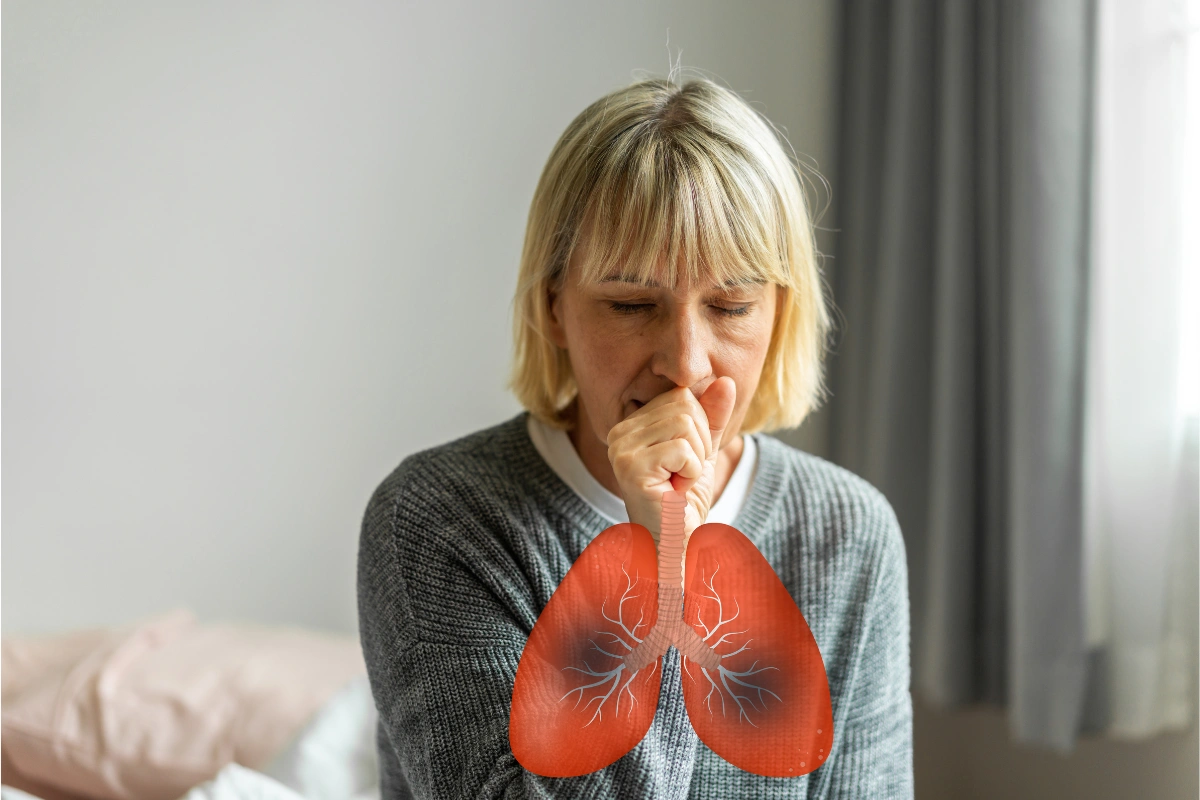
Understanding how asthma and coughing are connected is key to managing the condition. Asthma makes breathing hard by narrowing airways and producing extra mucus. This leads to coughing.
How Asthma Affects the Airways
Asthma causes airways to swell and narrow. This leads to symptoms like wheezing, shortness of breath, and coughing. The airways also become too sensitive, making symptoms worse.
Inflammation and airway remodeling play big roles in asthma. They make the condition chronic and lead to coughing.
Why Coughing Is a Primary Asthma Symptom
Coughing is a main symptom of asthma. It’s the body’s way of dealing with airway irritation and mucus. Many things can trigger coughing in asthma, like allergens and infections.
The type of cough can differ. Some people have a dry cough, while others cough up mucus. Studies show about 51% of those with chronic cough have a dry cough. This shows how common it is in asthma.
Prevalence of Coughing in Asthma Patients
Coughing is a common symptom in asthma. It affects many patients. This highlights the need to manage coughing in treatment plans.
- Coughing can be a presenting symptom of asthma.
- It can vary in severity and impact on quality of life.
- Effective management of asthma involves controlling coughing through medication and lifestyle adjustments.
Dry Cough Asthma: Causes and Mechanisms

To understand dry cough asthma, we need to look at what makes it different from other asthma-related coughs. Asthmatic dry cough is a condition where you cough a lot but don’t produce mucus. This makes it different from other asthma coughs.
What Makes a Cough “Dry” vs. “Wet”
A cough is “dry” if it doesn’t bring up mucus or phlegm. On the other hand, a “wet” cough does produce mucus or phlegm. Knowing the difference is key to diagnosing and treating asthma right. Asthma can cause both dry and wet coughs, but dry coughs are more common in certain types of asthma, like in the early stages or during bad episodes.
The reason for a dry cough in asthma is airway inflammation and hyperresponsiveness. When airways are inflamed, they get more sensitive to things that make you cough. In a dry cough, this inflammation irritates the airway nerves without making extra mucus.
The Inflammatory Process Behind Asthmatic Dry Coughs
The inflammation in asthma is complex, involving many cells and chemicals. The inflammation in asthma makes airways thicker and more sensitive to things that make you cough. This sensitivity, along with inflammation, causes asthma symptoms, including dry cough.
The dry cough in asthma comes from the irritation of airway nerves. These nerves get exposed and sensitive because of inflammation. This leads to coughing without mucus.
Research Statistics on Dry Cough Prevalence in Asthma
Research shows that dry cough is a big problem for many asthma patients. Studies find that a lot of asthma patients have dry cough as their main symptom. Some studies say up to 50% of asthma patients have cough as their main symptom, with a lot of those being dry coughs.
The fact that so many asthma patients have dry cough shows how important it is to manage this symptom well. Knowing why asthmatic dry cough happens is key to finding the right treatment.
What Does an Asthma Cough Sound Like in Adults?
It’s important to know what an asthma cough sounds like in adults. This helps spot asthma attacks early. Asthma coughs have unique sounds that set them apart from other coughs.
Characteristic Sound Patterns and Qualities
Asthma coughs in adults have certain traits. They can be:
- Harsh and dry: Unlike coughs that bring up mucus, asthma coughs are dry.
- Non-productive: They don’t produce mucus or phlegm.
- Frequent and persistent: Asthma coughs can be constant, getting worse at night.
The “Barking” Cough Phenomenon
Some adults with asthma have a “barking” cough. It’s a harsh, dry cough that sounds like a seal barking. This cough is linked to asthma and can be very distressing.
Nighttime Asthma Cough Sounds
Asthma symptoms, like coughing, get worse at night. Nighttime asthma coughs can disrupt sleep and overall health. They can be triggered by allergens, cold air, or lying down.
Knowing the sound and patterns of asthma coughs in adults is key to managing the condition. By understanding these traits, people can spot asthma attacks early. This leads to timely medical help.
Asthma Cough Sounds in Children vs. Adults
Asthma coughs look different in kids and adults. This affects how we find and treat the condition. Asthma is a long-term lung issue that hits people of all ages. But, how it shows up, like coughing, changes a lot with age.
Distinctive Features of Pediatric Asthma Coughs
Kids with asthma cough differently than adults. Their coughs are often persistent and dry, without the mucus adults have. This dry cough can really bother kids, messing up their sleep and daily life.
Listening to your child’s cough is key. A cough that gets worse at night or during play, or when it’s cold or they’re around allergens, might mean asthma.
How Age Affects Cough Presentation
Age changes how asthma coughs sound. Young kids have smaller airways that can get blocked, making their coughs sound different from adults. As kids get older, their coughs might start to sound more like those of adults.
It’s important for doctors to know these age differences. This helps them make the right diagnosis and treatment plan. For example, a child’s cough might be thought to be just a cold, when it’s really asthma.
When a Child’s Cough Indicates Possible Asthma
If a child’s cough keeps coming back and doesn’t get better with usual treatments, it might be asthma. Knowing the signs of asthma and what triggers it can help doctors diagnose and treat it. If a child’s cough is also accompanied by wheezing, shortness of breath, or tightness in the chest, they should see a doctor right away.
Getting asthma diagnosed and treated early can really help a child’s life. It can prevent serious problems and let them enjoy daily activities without breathing issues.
Cough Variant Asthma: When Coughing Is the Only Symptom
Coughing that lasts without wheezing might mean you have cough variant asthma (CVA). This asthma type shows only coughing symptoms. It’s hard to diagnose because of this.
Diagnostic Criteria and Challenges
Figuring out if you have CVA is tricky. It doesn’t have the usual asthma signs like wheezing. To diagnose CVA, doctors look for:
- Chronic cough lasting more than 8 weeks
- No wheezing or other asthma symptoms
- Improvement with asthma treatment
But, these signs can be tricky. The cough might seem like something else, and no wheezing can confuse doctors. To get a correct diagnosis, a detailed medical history and tests like spirometry are needed.
Prevalence Among Chronic Cough Patients
CVA is common in nonsmokers with chronic cough. About 25% to 30% of them have CVA. This shows why doctors should think of CVA when someone has a long cough.
|
Population |
Prevalence of CVA |
|---|---|
|
Nonsmokers with chronic cough |
25% – 30% |
|
Smokers with chronic cough |
Lower than nonsmokers |
Progression Risk Without Treatment
If CVA isn’t treated, it might turn into regular asthma. This means wheezing and breathing trouble. Early treatment can stop this and make life better. Asthma can’t be cured, but its symptoms can be managed.
Knowing about CVA’s diagnosis, how common it is, and its risks helps doctors treat it better. This improves patient care.
Common Triggers for Asthma Coughing Fits
Knowing what triggers asthma coughing fits is key for managing the condition. Many things can set off asthma coughing, like changes in the environment, exercise, and allergens. It’s important to know these triggers to make a plan that helps control symptoms and improves life quality.
Environmental Factors and Seasonal Variations
Environmental changes can trigger asthma coughing. Weather, temperature, and humidity changes can make airways more sensitive. For example, cold, dry air can cause coughing in many asthma patients. Pollution and smoke can also irritate airways, leading to coughing.
Seasonal changes also affect asthma triggers. During pollen seasons, those with allergic asthma may see more symptoms because of higher pollen counts. Knowing these patterns helps patients prepare and adjust their treatment plans.
|
Environmental Factor |
Impact on Asthma |
|---|---|
|
Cold, Dry Air |
Triggers coughing episodes |
|
Pollution and Smoke |
Irritates airways, leading to coughing |
|
High Pollen Counts |
Increases symptoms in allergic asthma |
Exercise-Induced Coughing Episodes
Exercise is a common asthma trigger, mainly for those with exercise-induced asthma. Physical activity can dry out and cool airways, causing inflammation and constriction. This is common in athletes and those who do strenuous activities.
To handle exercise-induced coughing, patients can use preventive measures. This includes using inhalers before exercise and warming up slowly before physical activity.
Allergens, Irritants, and Respiratory Infections
Allergens, irritants, and respiratory infections are big asthma triggers. Common allergens include dust mites, pet dander, and mold. Irritants like strong smells, fragrances, and chemicals can also trigger symptoms. Respiratory infections, like the common cold and flu, can make asthma symptoms worse.
It’s important to avoid these triggers. Keeping a clean environment, using air purifiers, and staying away from known irritants can help.
By understanding and managing these common triggers, people with asthma can reduce coughing fits. This improves their overall quality of life.
Differentiating Asthma Coughs from Other Respiratory Conditions
Conditions like asthma, COPD, and post-nasal drip can all cause coughing. This makes it hard to tell if someone has asthma. Coughing is a common symptom of many health issues.
COPD vs. Asthma Cough Characteristics
COPD and asthma both affect the airways but in different ways. COPD is caused by long-term exposure to harmful substances like smoke. Asthma, on the other hand, is caused by airway narrowing and inflammation.
A key difference is how each cough responds to treatment. Asthma coughs often get better with certain medicines. COPD coughs may not improve as much, even with treatment.
|
Characteristics |
Asthma |
COPD |
|---|---|---|
|
Primary Cause |
Allergens, irritants, exercise |
Long-term exposure to lung irritants (e.g., smoke) |
|
Treatment Response |
Generally responsive to bronchodilators and corticosteroids |
May not respond as well, even in advanced stages |
|
Nature of Symptoms |
Episodic, variable |
Chronic, progressive |
Post-Nasal Drip and Reflux-Related Coughs
Post-nasal drip and GERD can also cause chronic coughing. Post-nasal drip happens when too much mucus drips down the back of the throat. GERD causes stomach acid to flow up into the esophagus and lungs, irritating them.
To tell if it’s asthma, look at when and why the cough happens. Post-nasal drip coughs are often worse in the morning and feel like mucus dripping.
When to Suspect Asthma as the Underlying Cause
If you have wheezing, shortness of breath, or chest tightness with coughing, think about asthma. A family history of asthma or allergies also points to asthma.
Tests like spirometry and peak flow monitoring can confirm asthma. Spirometry checks how much air you can breathe out. Peak flow monitoring measures how fast you can exhale.
Diagnosis and Treatment of Asthma-Related Dry Cough
To diagnose asthma-related dry cough, we do a detailed check-up and tests. It’s key to manage and treat asthma well.
Clinical Assessment and Testing Methods
We start by looking at your medical history and doing a physical check. Then, we do tests to see if you have asthma.
Tests like spirometry, peak flow monitoring, and methacholine challenge help us see how your lungs work. They show if your airways are responding correctly.
|
Diagnostic Test |
Purpose |
Significance in Asthma Diagnosis |
|---|---|---|
|
Spirometry |
Measures lung function by assessing the amount and speed of air that can be inhaled and exhaled. |
Helps diagnose asthma by detecting airflow obstruction. |
|
Peak Flow Monitoring |
Measures the fastest rate at which air can be exhaled. |
Monitors asthma severity and response to treatment. |
|
Methacholine Challenge Testing |
Assesses airway responsiveness to methacholine, a substance that can trigger airway constriction. |
Useful in diagnosing asthma when other tests are inconclusive. |
Medication Options for Controlling Asthma Coughs
Medicine is key in managing asthma-related dry cough. We use different medicines to control symptoms and prevent attacks.
Medicines like inhaled corticosteroids and bronchodilators are used. Inhaled corticosteroids reduce swelling, while bronchodilators open airways.
We give these medicines through an inhaler or a nebulizer. Young kids or those with severe symptoms might need a nebulizer.
Non-Pharmacological Management Strategies
Along with medicine, other strategies help manage asthma. These include avoiding triggers and living a healthy lifestyle.
Staying away from allergens and irritants helps a lot. We also suggest regular exercise and a balanced diet for better health.
Combining medicine with these strategies helps prevent asthma complications. It improves your quality of life a lot.
Conclusion: Managing Your Asthma Cough Effectively
Managing your asthma cough well needs a full plan for asthma management. Knowing what causes asthma coughs helps you control symptoms. This improves your life quality a lot.
Staying away from things that make coughing worse is key. This includes bad air, allergens, and infections. Taking your medicine as told and following your action plan also helps a lot.
Being active in asthma management can make coughing less often and less bad. This lets you live fully and healthily, without asthma attacks worrying you.
Watching your symptoms and changing your treatment if needed is very important. With good management, people with asthma can have better health and a better life.
FAQ
Why do people with asthma cough?
People with asthma cough because their airways are inflamed and sensitive. This makes them more prone to irritation and constriction. These factors trigger coughing.
Is an asthma cough dry or wet?
Asthma coughs are often dry, meaning they don’t produce mucus. This is due to the inflammatory process in the airways. It causes irritation and dryness.
What does an asthma cough sound like in adults?
An asthma cough in adults can sound like a persistent, dry, and sometimes “barking” cough, often at night. The sound can vary but is usually harsh and dry.
Do people with asthma cough a lot?
Yes, people with asthma often cough a lot, which can be a primary symptom. In some cases, it’s the only symptom.
What is cough variant asthma?
Cough variant asthma is a type of asthma where coughing is the primary or sole symptom. It’s diagnosed when other typical asthma symptoms, like wheezing, are absent.
How is asthma-related dry cough diagnosed?
Diagnosing asthma-related dry cough involves clinical assessment, medical history, and testing. Tests like spirometry and methacholine challenge tests confirm airway hyperresponsiveness.
What triggers asthma coughing fits?
Asthma coughing fits can be triggered by environmental factors like allergens, irritants, and respiratory infections. Seasonal variations and exercise also play a role.
How can asthma coughs be managed?
Managing asthma coughs involves avoiding triggers and adhering to medication regimens. Non-pharmacological strategies like maintaining a healthy lifestyle and monitoring symptoms are also important.
Can asthma coughs be differentiated from other respiratory conditions?
Yes, asthma coughs can be distinguished from other respiratory conditions like COPD, post-nasal drip, and reflux-related coughs. This is based on characteristic features and diagnostic tests.
Why does asthma make you cough at night?
Asthma can cause nighttime coughing due to increased airway inflammation and constriction. These factors are exacerbated by lying down and other nighttime factors.
What are the risks of untreated cough variant asthma?
Untreated cough variant asthma can lead to worsening symptoms and lung function. It may also develop into more severe asthma.
References
https://pmc.ncbi.nlm.nih.gov/articles/PMC3182093