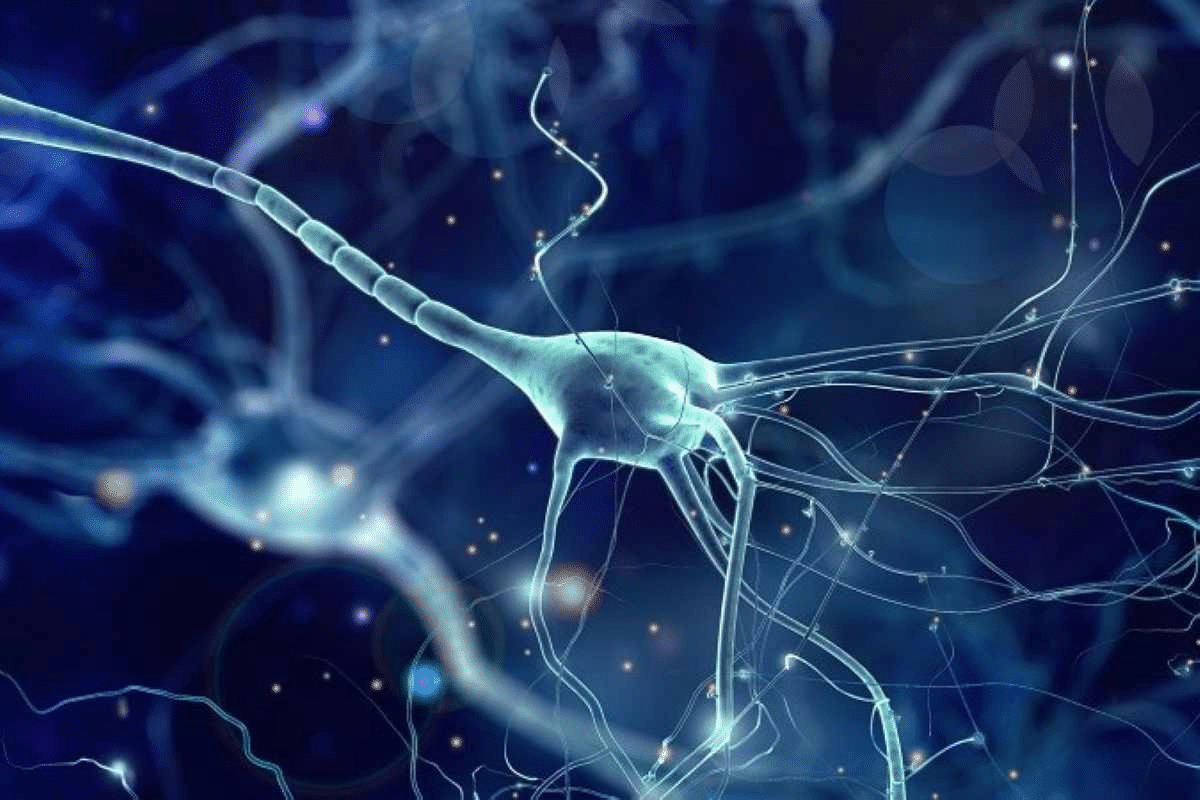
Can dying neurons be saved? Read the best scientific insights on neuroplasticity and how to protect your brain from permanent damage. The human brain is a complex system. At its heart are neurons, the basic cells of the nervous system. These cells are key in sending information across the body. They help us think, feel, and move.
So, what is a neuron? A neuron, or nerve cell, sends information to other cells. It’s a vital part of the nervous system. Without neurons, our body wouldn’t function right.
Key Takeaways
- Neurons are the basic cellular units of the nervous system.
- They play a critical role in sending information across the body.
- Understanding neurons is key to tackling neurological issues.
- Neurons allow us to think, feel, and move.
- The nervous system depends on neurons to work well.
The Fundamental Building Blocks of the Nervous System
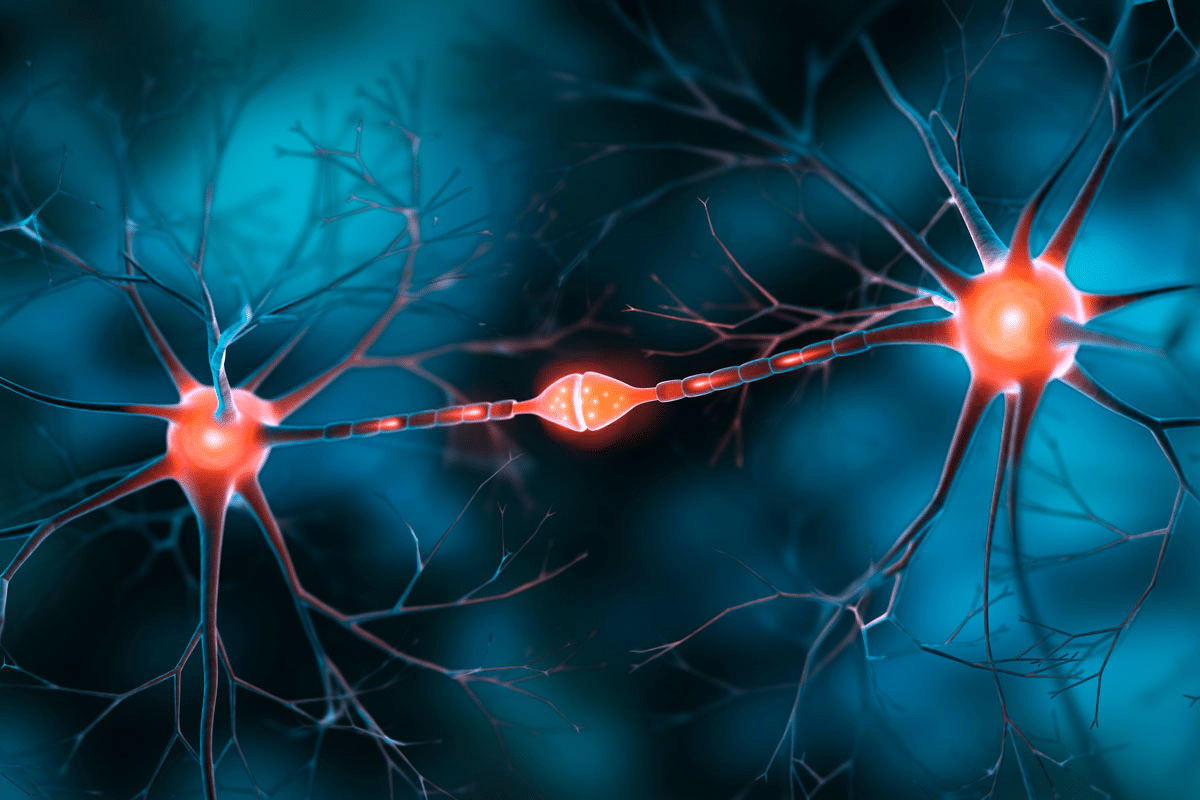
At the heart of the nervous system are neurons, specialized cells designed for the efficient transmission of information. These cells are key for controlling various bodily functions. They help with movement, sensation, and complex thinking.
Defining Neurons
Neurons, or nerve cells, are the main parts of the nervous system. They get, mix, and send information through electrical and chemical signals.
The Evolutionary Significance of Neurons
The evolution of neurons has been key in the growth of complex life forms. They let organisms quickly respond to their environment.
Real Brain Cells vs. Popular Misconceptions
There are many wrong ideas about neurons and brain cells. For example, many think the number of neurons is set at birth. But, research shows that new neurons can grow in some brain areas even in adults.
|
Type of Neuron |
Function |
Location |
|---|---|---|
|
Sensory Neurons |
Transmit sensory information |
Found in sensory receptors |
|
Motor Neurons |
Control muscle movement |
Located in the spinal cord and brainstem |
|
Interneurons |
Integrate and process information |
Predominantly found in the brain and spinal cord |
Anatomy of a Neuron: Understanding Brain Cell Structure
Understanding neurons is key to knowing how our nervous system works. Neurons, or brain cells, are the basic units of the nervous system. Their unique shape lets them process and send information.
The Three Major Parts of the Neuron
A neuron has three main parts: the cell body, axon, and dendrites. The cell body, or soma, has the nucleus and handles the neuron’s metabolic needs. The axon is a long, thin part that sends signals to other neurons or to muscles or glands. Dendrites are the branching parts that get signals from other neurons.
These parts work together to let neurons do their jobs. For example, dendrites’ branching increases their surface area for getting signals. The axon’s length affects how fast and far signals travel.
Supporting Structures: Myelin Sheath and Nodes of Ranvier
Neurons also have supporting structures. The myelin sheath is a fatty layer around the axon that makes signal transmission faster. The nodes of Ranvier are gaps in this sheath where the axon is exposed. This allows signals to jump from node to node quickly.
The myelin sheath and nodes of Ranvier are vital for fast neural signal transmission. The sheath acts as an electrical insulator. The nodes let the signal jump, making it travel faster.
|
Structure |
Function |
|---|---|
|
Cell Body |
Contains the nucleus and is responsible for metabolic functions |
|
Axon |
Carries signals away from the cell body |
|
Dendrites |
Receive signals from other neurons |
|
Myelin Sheath |
Insulates the axon, speeding up signal transmission |
|
Nodes of Ranvier |
Gaps in the myelin sheath where the signal is propagated |
Structural Diversity Among Neurons
Neurons all have a cell body, axon, and dendrites, but they vary a lot. Different neurons have different shapes and sizes. This shows their specialized roles in the nervous system.
This variety is key for the brain’s complex work. It allows for many neural circuits and pathways. These are behind our thinking and movement.
Types of Neurons in the Human Brain
The human brain is complex, with many types of neurons. These neurons help us move and understand the world. They work together to do many things.
Sensory Neurons: Gathering Information
Sensory neurons pick up on things like light, sound, and touch. They help us see, hear, and feel. They are key to how we experience the world.
These neurons are special because they can only respond to certain things. For example, some in our eyes can only see light. Others in our skin can only feel touch.
Motor Neurons: Controlling Movement
Motor neurons send signals to muscles and glands. This lets us move on purpose or by accident. They help us walk, sit, and even breathe.
There are two kinds of motor neurons. Alpha neurons talk to the big muscles. Gamma neurons talk to the tiny muscles inside the big ones.
Interneurons: The Integrators
Interneurons are the most common type in the brain. They help mix up information from other neurons. They are important for learning and remembering things.
Interneurons are found all over the brain and spinal cord. They help with simple actions and complex thoughts.
Specialized Neurons in Different Brain Regions
Each part of the brain has its own special neurons. For example, the cerebellum has Purkinje cells. These cells help us move smoothly.
The brain’s many types of neurons show how complex and flexible it is. Knowing about these neurons helps us understand how our brain works.
|
Type of Neuron |
Primary Function |
Location |
|---|---|---|
|
Sensory Neurons |
Detect and transmit sensory information |
Peripheral nervous system, sensory ganglia |
|
Motor Neurons |
Control muscles and glands |
Central nervous system, motor nuclei |
|
Interneurons |
Process and integrate information |
Central nervous system, widespread |
|
Purkinje Cells |
Motor coordination |
Cerebellum |
The Remarkable Function of Brain Cells
At the heart of the nervous system are neurons. These cells can transmit and process information through electrical and chemical signals.
How Neurons Process Information
Neurons process information through electrical and chemical signals. When a neuron receives a signal, it can trigger an action potentials. This is an electrical impulse that travels down the neuron’s axon.
This process lets neurons talk to each other. They form the basis of our thoughts, movements, and sensations. The integration of signals from multiple neurons enables the nervous system to process complex information.
Electrical Signaling: Action Potentials
Action potentials are how neurons transmit information. They are generated by a rapid change in the electrical charge across the neuron’s membrane. This change is caused by the movement of ions.
This electrical impulse is key for neuronal communication. It lets neurons send signals over long distances. The speed and efficiency of action potentials are vital for quick information processing in the nervous system.
Energy Requirements of Functioning Brain Cells
Neurons need a lot of energy to work right. This energy comes from adenosine triphosphate (ATP). ATP is made by the mitochondria in the neuron.
The high energy demand of neurons is because they need to keep their resting state, generate action potentials, and support synaptic transmission. The brain’s energy needs are a big part of its metabolic rate.
What Does a Nerve Cell Do: Core Functions
The main jobs of a nerve cell, or neuron, include getting, mixing, and sending information. Neurons get signals from other neurons or sensory receptors. They mix these signals and then send the information to other neurons, muscles, or glands.
These jobs are key for controlling movement, managing body functions, and helping with thought and perception. The versatility and complexity of neuronal function show the amazing abilities of the human nervous system.
Neuron Communication: The Synapse
Synapses are key spots where neurons share information. This complex process is vital for the nervous system. It lets neurons talk to each other and to other cells.
Chemical vs. Electrical Synapses
There are two main types of synapses: chemical and electrical. Chemical synapses use neurotransmitters to send signals. This is key for learning and memory. Electrical synapses let neurons talk directly through gap junctions, making signals travel fast.
Neurotransmitters: The Chemical Messengers
Neurotransmitters are chemicals that help neurons talk to other cells. They control many body functions and feelings. The way they are sent and received is very precise.
|
Neurotransmitter |
Function |
Examples of Associated Processes |
|---|---|---|
|
Dopamine |
Regulates reward, motivation |
Motor control, pleasure |
|
Serotonin |
Influences mood, appetite |
Mood regulation, sleep |
|
Acetylcholine |
Involved in muscle activation, memory |
Muscle contraction, cognitive functions |
Synaptic Plasticity: How Connections Change
Synaptic plasticity lets synapses get stronger or weaker over time. This is key for learning and memory. It helps the nervous system change and adapt based on what we experience.
The Role of Receptors in Neural Communication
Receptors on neurons are important for getting signals from neurotransmitters. When neurotransmitters bind to their receptors, it starts a chain of signals inside the cell. This affects many cell processes.
The way neurons communicate through synapses shows how complex and flexible the nervous system is. Knowing about these processes helps us understand how we think and behave.
Neurons in the Nervous System: Location and Organization
Neurons are found in different parts of the body. They form complex networks. This lets the nervous system do many things.
Where Are Neurons Found in the Body?
Neurons are all over the body, making up the nervous system’s network. They are in the brain, spinal cord, and nerves. This helps information move and get processed.
The central nervous system (CNS) has lots of neurons. It’s made up of the brain and spinal cord. The CNS handles information from sensors and sends signals to muscles and glands.
Neural Networks and Circuits
Neurons form complex networks and circuits. These help the nervous system do many things. They let us move, feel sensations, and think.
- Neural networks can have a few or millions of neurons, depending on the task.
- The strength and flexibility of connections are key for learning and memory.
- Neural circuits can change based on what we experience, affecting our behavior and function.
Regional Specialization of Brain Neurons
Different brain areas have special neurons for specific tasks. For example, the visual cortex deals with light and color. The motor cortex controls movement.
This specialization helps the brain work well. It lets us see, move, and react to our world.
Neurons on the Brain: Cortical Organization
The cerebral cortex, the brain’s outer layer, has different areas for different tasks. It has many layers, each with different neurons.
The layered structure of the cortex helps mix information. This makes complex thinking like attention, perception, and memory possible.
“The brain is a complex system that is not fully understood. The way neurons are organized in the brain is key to understanding how we process information and control our bodies.”
Neuron Control and Regulation
The nervous system works well because of how it controls its neurons. This complex process makes sure neurons work together. It helps the nervous system do all its important jobs.
Activation and Inhibition of Neurons
Neurons are controlled by a balance of activation and inhibition. Activation happens when a neuron gets enough excitatory input to fire. Inhibition occurs when signals make it less likely for a neuron to fire. This balance is key for the nervous system to function right.
The mix of excitatory and inhibitory signals lets neurons process and respond to information. For example, in a reflex, sensory neurons get activated. This leads to motor neurons firing, causing muscles to contract.
Homeostatic Mechanisms in Neural Function
Homeostasis keeps neural function stable. Homeostatic mechanisms control things like how strong synaptic connections are and how excitable neurons are. These mechanisms keep neurons working well, preventing too much or too little activity.
|
Mechanism |
Description |
Function |
|---|---|---|
|
Synaptic Scaling |
Adjusts the strength of synaptic connections |
Maintains neuronal excitability |
|
Intrinsic Plasticity |
Changes the excitability of neurons |
Regulates neuronal firing rates |
|
Metaplasticity |
Modifies the ability of synapses to change |
Enhances synaptic plasticity |
The Role of Glial Cells in Supporting Neurons
Glial cells are key in supporting and regulating neurons. They help with metabolism, keep the environment around neurons right, and affect how synapses work. Glial cells are vital for neurons to work well. Problems with them can lead to many neurological issues.
Neuroplasticity: How Experience Shapes Brain Cells
Neuroplasticity means the brain can change and adapt with life. It lets neurons change and improve their connections based on what they do. This is important for learning, remembering, and getting better after injuries.
Neuroplasticity changes how strong and many synaptic connections are, and even makes new neurons in some areas. It’s a complex process that depends on many things, like genetics, environment, and what we experience.
Dying Neurons: Causes and Consequences
Neuron death happens naturally as we age. But, it can also be caused by different factors. Knowing why neurons die and what happens next helps us understand our nervous system better.
Programmed Cell Death During Development
Many neurons die during our growth, a process called apoptosis. This is key for our nervous system to develop right. Apoptosis gets rid of extra neurons, making our neural circuits work better.
Neurodegeneration in Aging and Disease
Neurodegeneration means losing neuron function and structure. It’s linked to aging and diseases like Alzheimer’s and Parkinson’s. Things like oxidative stress, inflammation, and toxic proteins can cause it. Knowing this helps us find ways to slow down disease.
Do Brain Cells Get Replaced?
There’s a lot of talk about if brain cells can be replaced. Studies show some brain areas, like the hippocampus, can make new neurons. But, how much this happens in other areas is not clear yet.
Brain’s Ability to Grow New Neurons
The brain can make new neurons, or neurogenesis, with the right conditions. Things like exercise, learning, and a good environment help. By changing our lifestyle, we might help our brain grow new neurons, which could help with diseases and memory loss.
In summary, neuron death is complex and important for understanding our brain. By looking into why neurons die and how our brain can grow new ones, we learn more about brain function.
Conclusion: The Remarkable Complexity of Brain Cells
Brain cells, like neurons, are key to our nervous system. They help us do many things we need to live. Their complexity is amazing, with different parts and jobs that let them send and process information.
Neurons have unique structures that make them vital. They help us move, sense the world, and think. Learning about brain cells helps us understand how our brains work.
The complexity of brain cells shows how special and detailed our nervous system is. Studying brain cells more will help us learn more about how we think and act.
FAQ
What is a neuron?
A neuron, or nerve cell, is the core of the nervous system. It handles and sends information through electrical and chemical signals.
What are the three major parts of a neuron?
A neuron has three key parts: dendrites, cell body, and axon. Dendrites get signals from other neurons. The cell body handles the cell’s needs. The axon sends signals away.
What is the function of dendrites in the brain?
Dendrites are the neuron’s branches that receive signals. They are vital for processing and combining information, helping the neuron to send out signals.
What does a nerve cell do?
A nerve cell, or neuron, receives, processes, and sends information. It controls many body functions, like movement and feeling.
Are neurons the basic cells of the nervous system?
Yes, neurons are the basic cells of the nervous system. They are specialized for processing and sending information, making the nervous system work.
Where are neurons found in the body?
Neurons are in the nervous system, including the brain and nerves. They are all over the body, each type doing a specific job.
Do brain cells get replaced?
Some research says the brain can make new neurons, but how much is debated. The brain can’t replace many damaged neurons.
Can the brain grow new neurons?
Yes, the brain can grow new neurons through neurogenesis. This happens in areas like the hippocampus, helping with learning and memory.
What is the role of glial cells in supporting neurons?
Glial cells, or glia, support and care for neurons. They help keep neurons healthy and are involved in many processes, like myelination.
What is neuroplasticity?
Neuroplasticity is the brain’s ability to change and adapt. It involves changing neural connections and making new neurons, important for learning and memory.
Reference
National Center for Biotechnology Information. Neuron Function: Brain Cells and Information Transmission. Retrieved from https://www.ncbi.nlm.nih.gov/books/NBK10961/