Master eating for lung health. Discover 10 best foods that support respiratory function and help manage conditions like COPD safely.
Chronic obstructive pulmonary disease (COPD) is a big health problem worldwide. It affects millions and is a top cause of death. Proper nutrition is key in managing COPD. Knowing this is important for better living for those with COPD.
Many are surprised to find out diet affects breathing. Eating a healthy, varied diet is vital for COPD management. It can slow disease growth, cut down hospital stays, and boost lung function in COPD patients.
AtLiv Hospital, we offer nutritional advice backed by science. We also provide personalized medical care. Our goal is to help patients breathe better and live fuller lives with the right diet.
Key Takeaways
- A well-balanced diet is essential for managing COPD.
- Proper nutrition can slow disease progression and improve lung function.
- A healthy diet reduces the risk of hospitalizations related to COPD.
- Nutritional guidance is a key part of complete COPD care.
- Liv Hospital offers personalized dietary recommendations for COPD patients.
Understanding COPD and the Impact of Nutrition

Nutrition is key for those with COPD. A balanced diet helps manage symptoms and slow disease growth. COPD makes it hard to breathe by damaging lung tissue. Good nutrition is essential for lung health and overall well-being.
What is COPD and Its Global Prevalence
COPD is a big health issue worldwide, affecting millions. It causes lung damage and breathing problems. It’s a major cause of illness and death globally.
How Diet Influences Respiratory Function
Diet is vital for healthy breathing. It affects how the body uses oxygen and gets rid of carbon dioxide. Eating foods rich in nutrients supports lung health.
Foods like fruits and veggies are good for lungs. They fight off lung inflammation. A diet full of whole foods can improve lung function and health in COPD patients. But, unhealthy foods can make symptoms worse.
Common Nutritional Deficiencies in COPD Patients
Most COPD patients don’t get enough vitamins and nutrients. This can make the disease worse. They often lack vitamins C and D, which are important for the immune system and lung function.
It’s important for COPD patients to talk to their doctors about nutrition. A diet tailored to their needs can improve health and reduce complications.
The Science Behind Eating for Lung Health
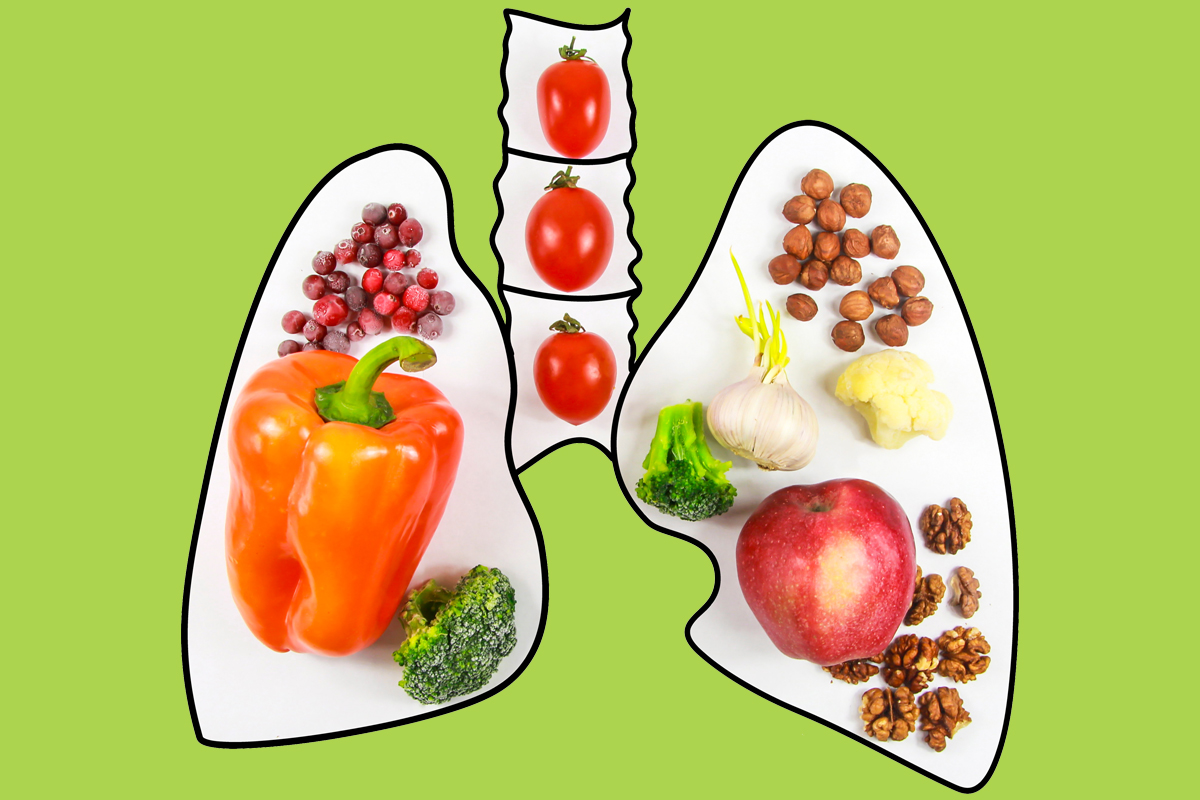
Research shows that certain nutrients can slow lung function decline in COPD patients. This is key to understanding how food affects respiratory health. By learning about the science, we can better manage COPD symptoms.
Research on Diet and COPD Management
Studies show that diets rich in fruits, vegetables, and whole grains improve lung function in COPD patients. These foods are full of antioxidants and anti-inflammatory compounds that protect the lungs. A balanced diet is a valuable tool in managing COPD.
Foods high in complex carbohydrates, healthy fats, and lean protein give sustained energy. This is important for COPD patients who often feel tired. Adding these foods to your diet can improve health and lung function.
|
Nutrient |
Food Sources |
Benefit for COPD |
|---|---|---|
|
Antioxidants |
Fruits, Vegetables, Nuts |
Protects lung tissue from damage |
|
Omega-3 Fatty Acids |
Fatty Fish, Flaxseeds, Walnuts |
Reduces inflammation |
|
Complex Carbohydrates |
Whole Grains, Legumes |
Provides sustained energy |
Anti-inflammatory Foods and Respiratory Function
Anti-inflammatory foods are key for respiratory health. Foods like fatty fish and flaxseeds reduce body inflammation, improving lung function. Adding these to your diet can help manage COPD.
How Antioxidants Protect Lung Tissue
Antioxidants protect lung tissue from damage. Foods like berries and leafy greens are rich in antioxidants. They can help slow COPD progression. Eating a diet full of antioxidants can improve lung health.
We suggest a balanced diet with whole foods for lung health. Making smart food choices can help manage COPD and improve life quality.
Fruits and Berries: Antioxidant Powerhouses for COPD
If you have COPD, eating fruits and berries can help a lot. They are full of vitamins, minerals, and antioxidants. These help fight oxidative stress and inflammation in your lungs.
1. Blueberries and Dark Berries
Blueberries, raspberries, and strawberries are full of anthocyanins. These are strong antioxidants that protect your lungs. Eating these berries can reduce inflammation and improve lung function.
Benefits of Dark Berries:
- High in anthocyanins, which reduce inflammation
- Rich in vitamins C and K, supporting immune function
- Antioxidant properties help protect lung tissues
2. Citrus Fruits Rich in Vitamin C
Citrus fruits like oranges, grapefruits, and lemons are full of vitamin C. Vitamin C is a strong antioxidant that boosts your immune system. It can also lessen COPD symptoms and keep your lungs healthy.
“Vitamin C is key in protecting cells from oxidative stress. So, citrus fruits are great for a COPD-friendly diet.”
|
Fruit |
Vitamin C Content (mg per 100g) |
Benefits for COPD |
|---|---|---|
|
Orange |
53.2 |
Boosts immune system, antioxidant properties |
|
Grapefruit |
31.2 |
Reduces inflammation, supports lung health |
|
Lemon |
53.0 |
Antioxidant properties, aids in detoxification |
How to Incorporate More Fruits into Your Diet
It’s easy and tasty to eat more fruits. Here are some tips:
- Add berries to your breakfast cereal or yogurt
- Snack on citrus fruits like oranges or grapefruits
- Blend fruits into smoothies for a quick and nutritious drink
- Incorporate fruits into salads for added flavor and nutrition
By following these tips, you can eat more fruits. This will help support your respiratory health.
Vegetables That Enhance Respiratory Health
Certain vegetables are great for improving lung health and managing COPD. Eating a variety of vegetables can give you the nutrients you need. These nutrients help your lungs work better and keep you healthy.
Leafy Greens and Their Anti-inflammatory Properties
Leafy greens like spinach and kale are full of vitamins A, C, and K. These vitamins are key for fixing and keeping your lungs healthy. They also have antioxidants that fight inflammation in your lungs. Adding these to your COPD diet plan is a smart move.
- Spinach is rich in iron, which is vital for healthy oxygen transport.
- Kale contains fiber, which can help manage weight and support overall respiratory health.
Cruciferous Vegetables for Detoxification
Vegetables like broccoli, cauliflower, and cabbage are full of sulforaphane. This compound helps detoxify your body. It also helps reduce oxidative stress in your lungs.
- Broccoli is high in beta-carotene and antioxidants, promoting better oxygen uptake.
- Cauliflower contains vitamin C, which is important for immune function and overall health.
Cooking Methods That Preserve Nutrients
How you cook your vegetables matters a lot. To get the most health benefits, choose cooking methods that keep nutrients intact.
- Steaming vegetables helps retain their vitamin content and antioxidants.
- Stir-frying with minimal oil can also preserve nutrients while adding flavor.
Eggs are not vegetables, but they are a good source of protein. They support lung health and overall health. So, yes, eggs are good for your lungs because of their protein and nutrient content. They are a great part of a balanced diet for COPD patients.
Protein Sources That Support Respiratory Muscle Function
Protein is key for keeping muscles strong, like the diaphragm. It’s vital for COPD patients. Eating enough protein helps keep breathing muscles strong, improving health.
Fatty Fish Rich in Omega-3s
Fatty fish like salmon, mackerel, and sardines are full of omega-3s. These fats help oxygen reach the lungs better and lower inflammation. They’re great for keeping the lungs healthy.
Eating fatty fish is easy. Try grilled salmon or canned sardines a few times a week. It’s good to mix up your protein sources for more nutrients.
Plant-Based Proteins for Reduced Inflammation
For those who like plant-based foods, lentils, chickpeas, and tofu are top picks. They’re packed with protein, fiber, and antioxidants. These help fight inflammation and boost health.
You can add lentils to soups, use chickpeas in salads, or stir-fry tofu with veggies. These foods are tasty and good for your lungs.
Balancing Protein Needs with Respiratory Effort
COPD patients need to find the right balance of protein and breathing effort. Eating enough protein is important, but not too much. Spreading out protein across meals helps keep things balanced.
Talking to a healthcare provider or nutritionist can help figure out the right amount of protein. This ensures COPD patients get the nutrients they need without harming their breathing.
Nuts, Seeds, and Healthy Fats for COPD Management
The right fats, like those in nuts, seeds, and olive oil, can help reduce COPD inflammation. We’ll look at how adding these foods to your diet can boost lung health and overall well-being.
Walnuts and Flaxseeds for Omega-3 Fatty Acids
Nuts and seeds are full of healthy fats and antioxidants. Walnuts and flaxseeds stand out because of their omega-3 fatty acids. These have anti-inflammatory properties that can ease breathing for those with COPD.
- Walnuts are packed with alpha-linolenic acid (ALA), a key omega-3 fatty acid.
- Flaxseeds are also rich in ALA, supporting heart health and reducing inflammation.
Olive Oil and Its Anti-inflammatory Effects
Olive oil is known for its health benefits, including its anti-inflammatory effects. It’s full of monounsaturated fats that can help reduce body inflammation. Adding olive oil to your cooking and dressings is a simple way to enjoy its benefits.
- Use olive oil for sautéing vegetables and as a base for salad dressings.
- Choose extra virgin olive oil for its higher antioxidant content.
Portion Control for High-Calorie Healthy Foods
While nuts, seeds, and healthy fats are good, they’re also high in calories. It’s important to practice portion control to enjoy their benefits without eating too many calories. A small handful of nuts or seeds a day can be a healthy snack.
- Measure out portions to avoid overeating.
- Combine nuts and seeds with other nutrient-dense foods for balanced snacks.
By adding these healthy fats to your diet and watching your portions, you can support your health. This might also help manage your COPD better.
Hydration and Breathing: Beneficial Beverages
For those with COPD, staying hydrated is key. It helps thin mucus and makes breathing easier. Drinking enough water keeps the lungs working well, making it simpler to breathe and clear out mucus.
9. Green Tea and Its Antioxidant Properties
Green tea is great for COPD patients because of its antioxidants. Rich in catechins, it fights inflammation and might prevent lung scarring. Adding green tea to your diet can help manage COPD.
10. Water and Mucus Thinning Benefits
Water is vital for lung health, even more so for those with COPD. Drinking enough water makes mucus thinner and easier to cough up. This can lower the chance of getting respiratory infections and other COPD-related problems.
|
Beverage |
Benefits for COPD |
|---|---|
|
Green Tea |
Antioxidant properties, reduces inflammation, may inhibit lung tissue scarring |
|
Water |
Thins mucus, eases mucus expulsion, supports respiratory health |
Beverages to Avoid with COPD
Some drinks can make COPD symptoms worse. It’s best to limit or avoid drinks that can dehydrate or raise blood carbon dioxide levels. This includes alcoholic beverages and caffeine-rich drinks in large amounts.
Choosing what we drink wisely is part of managing COPD. Drinking green tea and water regularly, and avoiding harmful drinks, supports our lung health.
Foods to Limit or Avoid with COPD
For those with COPD, knowing which foods to limit or avoid is key. Our diet greatly affects our lung health. Some foods can make COPD symptoms worse.
Processed Foods and Sodium Concerns
Processed foods are bad for lung health because they’re high in sodium and unhealthy fats. Foods like cold cuts, processed meats, and instant noodles are high in sodium. This can cause fluid retention and make breathing harder. It’s best to limit or avoid these foods to manage COPD symptoms.
Key processed foods to limit:
- Processed meats (e.g., sausages, bacon)
- Instant noodles and soups
- Canned goods high in sodium
- Packaged snacks
Gas-Producing Foods That May Worsen Symptoms
Some foods can cause gas and bloating, which can make COPD symptoms worse. Foods like beans, cabbage, broccoli, and carbonated drinks are common culprits. Paying attention to how these foods affect you can help you make better choices.
Tips for managing gas-producing foods:
- Eat smaller, more frequent meals
- Avoid eating too quickly or drinking through a straw
- Keep a food diary to track which foods trigger symptoms
The Western Diet and COPD Risk
Unhealthy Western diets, full of processed foods and saturated fats, increase COPD risk. These diets can cause inflammation and damage to the lungs. Eating a balanced diet with fruits, vegetables, whole grains, and lean proteins can help reduce COPD risk and improve health.
Key dietary changes to reduce COPD risk:
- Increase consumption of fruits and vegetables
- Choose whole grains over refined grains
- Limit intake of processed and high-sodium foods
Conclusion: Creating a Sustainable COPD-Friendly Meal Plan
Creating a meal plan tailored to your needs is key for managing COPD symptoms. Adding lung-friendly foods to your diet can greatly improve your breathing. It’s wise to work with a registered dietitian to make a plan that fits you perfectly.
Focus on eating foods rich in nutrients like fruits, veggies, and omega-3s. Avoid processed and gas-producing foods. A balanced diet can help reduce inflammation, boost lung function, and increase energy.
By choosing the right foods and following a COPD-friendly meal plan, you can manage your respiratory health better. We suggest looking into the nutritional tips in this article. Also, talk to a healthcare professional to create a plan that’s just right for you.
FAQ
What is the best diet for COPD?
Eating a balanced diet with fruits, veggies, whole grains, and lean proteins can help manage COPD symptoms. It also improves lung health.
Are eggs good for lung health?
Eggs are a great source of protein, which is key for keeping respiratory muscles strong. But, people with COPD should talk to their doctor about their diet.
What foods should be avoided with COPD?
Avoid processed foods, foods that make gas, and high-sodium foods. They can make COPD symptoms worse.
How does hydration impact COPD?
Drinking enough water is vital for COPD patients. It helps thin out mucus, making breathing easier. Drinking green tea can also help manage symptoms.
Can nutrition help slow COPD progression?
Yes, eating a healthy diet full of essential nutrients can reduce symptoms and slow disease progression in COPD patients.
What are the benefits of antioxidants for lung health?
Antioxidants in foods like fruits, veggies, and nuts protect lung tissue from damage. This can slow down COPD progression.
How can I incorporate more fruits and vegetables into my diet?
Try to eat a variety of colorful fruits and veggies in your meals. Snack on fruits and raw veggies too.
Are there any specific foods that can help improve lung function?
Foods high in omega-3s, like fatty fish, and antioxidants, like berries and leafy greens, can boost lung function and respiratory health.
What is the role of protein in COPD management?
Protein is vital for keeping respiratory muscles strong. COPD patients should eat enough protein from lean meats, fish, and plant-based sources.
Can a COPD-friendly meal plan be tailored to individual needs?
Yes, a healthcare provider or registered dietitian can create a meal plan that meets your specific nutritional needs and health status.
References
National Center for Biotechnology Information. COPD: Nutrition Strategies for Improved Lung Health. Retrieved from https://www.ncbi.nlm.nih.gov/pmc/articles/PMC6831917/