
Emphysema is a serious lung disease that is a major cause of death worldwide. Knowing the emphysema mortality rate and life expectancy is key to making good health choices.
In the U.S., from 1999 to 2022, the emphysema mortality rate dropped a lot. It went from 18.47 to 7.75 per 100,000 people. This shows how much medical care has improved and the need for more research.
At Liv Hospital, we offer top-notch medical care and focus on you. We help you understand your life expectancy with emphysema. Our services aim to support you in managing your condition.
Key Takeaways
- Emphysema is a serious chronic lung disease with significant global mortality.
- Understanding emphysema mortality rates and life expectancy is key for health decisions.
- Age-adjusted emphysema mortality rates have decreased in the U.S. over the last 20 years.
- Liv Hospital offers complete care and support for emphysema patients.
- Knowing your emphysema prognosis is vital for managing the disease well.
Understanding Emphysema as a Progressive Lung Disease

Emphysema is a serious lung condition that gets worse over time. It damages the air sacs in the lungs. We will look at what emphysema is, how it affects the lungs, and its causes and risk factors.
Definition and Pathophysiology of Emphysema
Emphysema damages the alveolar walls and makes the airspaces bigger. This makes the lungs lose their ability to expand and contract. People with emphysema have persistent respiratory symptoms like shortness of breath and trouble exhaling.
The disease’s pathophysiology involves many factors. These include:
- Inflammation and oxidative stress
- Imbalance between proteases and antiproteases
- Cell death and tissue destruction
How Emphysema Affects Lung Function
Emphysema greatly reduces lung function by decreasing gas exchange area. As it worsens, patients face:
- Increased shortness of breath (dyspnea)
- Reduced exercise tolerance
- Increased risk of respiratory infections
Common Causes and Risk Factors
The biggest risk factor for emphysema is long-term exposure to cigarette smoke. Other risk factors include:
- Exposure to air pollution and occupational dust
- Genetic predisposition (e.g., alpha-1 antitrypsin deficiency)
- Respiratory infections and asthma
Knowing these causes and risk factors is key for prevention and early treatment.
Emphysema Death Rate: Current Statistics and Trends
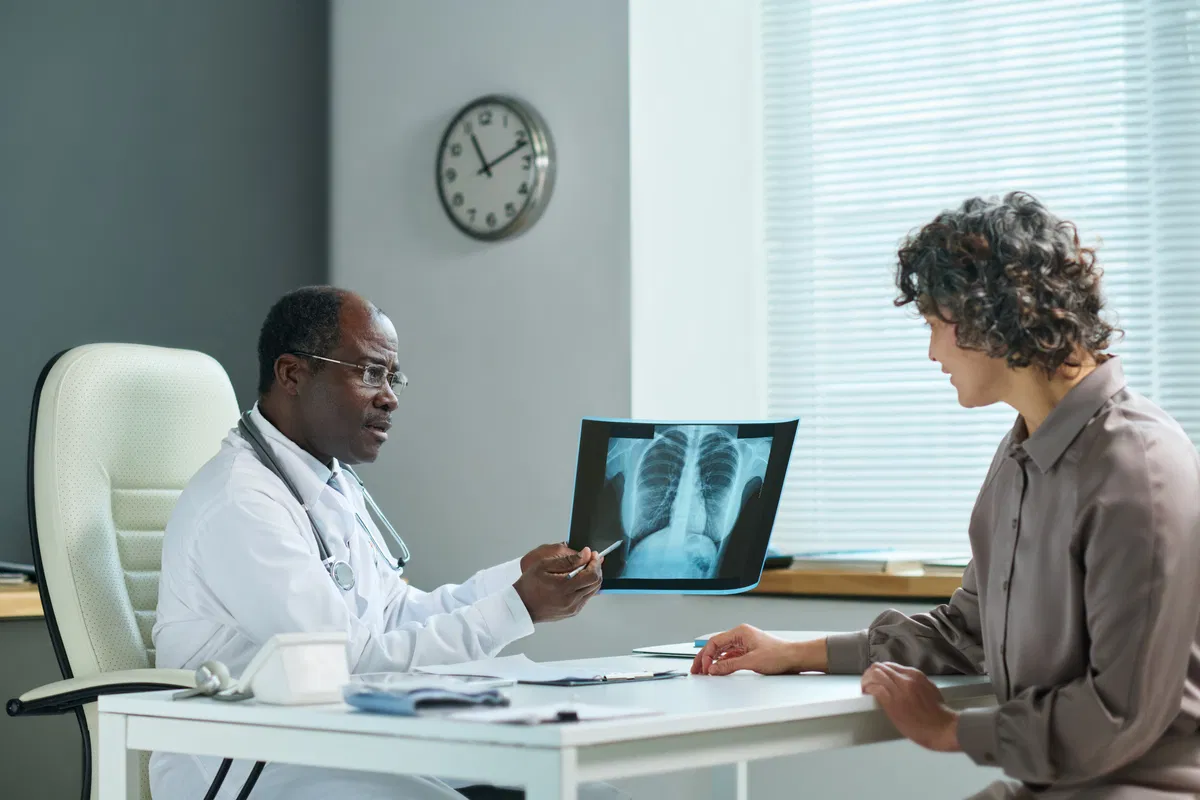
Emphysema, a lung disease, has seen changes in death rates over time. It’s important to understand these trends. This helps healthcare providers and patients manage the disease better.
U.S. Mortality Trends from 1999-2022
In the U.S., emphysema death rates have dropped from 1999 to 2022. There were 526,545 deaths from emphysema. The death rate per 100,000 people went from 18.47 to 7.75.
Key Statistics:
- Total emphysema deaths from 1999-2022: 526,545
- Age-adjusted mortality rate in 1999: 18.47 per 100,000
- Age-adjusted mortality rate in 2022: 7.75 per 100,000
|
Year |
Age-adjusted Mortality Rate (per 100,000) |
|---|---|
|
1999 |
18.47 |
|
2022 |
7.75 |
Gender Differences in Emphysema Mortality
Studies show gender differences in emphysema death rates. Men used to die more often than women. But the gap is getting smaller.
Global Perspective on Emphysema Deaths
Worldwide, emphysema is a big killer, mainly in places where smoking is common and healthcare is poor. The World Health Organization (WHO) says COPD, which includes emphysema, is a top cause of death globally.
Global Emphysema Mortality:
- COPD is among the top three causes of death globally.
- Smoking is the major risk factor contributing to emphysema mortality worldwide.
Stages of Emphysema and Survival Rates
It’s important for patients to know how emphysema progresses. This helps them understand their future and make better choices about their health. Emphysema damages lung tissue, making it hard to breathe. The disease’s impact can vary a lot from person to person.
That’s why it’s split into different stages. This helps doctors and patients understand the disease better.
Classification of Emphysema Severity
The Global Initiative for Chronic Obstructive Lung Disease (GOLD) system is used to measure emphysema severity. It divides the disease into four stages. These stages are based on how well air can move through the lungs, as shown by spirometry.
- GOLD 1: Mild emphysema, with minimal airflow limitation.
- GOLD 2: Moderate emphysema, characterized by worsening airflow limitation.
- GOLD 3: Severe emphysema, with significant airflow limitation.
- GOLD 4: Very severe emphysema, indicating profound airflow limitation.
Mortality Rates by Disease Stage
As emphysema gets worse, the risk of death goes up. Mortality rates increase dramatically with emphysema severity on imaging. This shows why catching the disease early is so important.
|
GOLD Stage |
Mortality Rate (%) |
5-Year Survival Rate (%) |
|---|---|---|
|
GOLD 1 |
2-5 |
90-95 |
|
GOLD 2 |
5-10 |
70-85 |
|
GOLD 3 |
15-25 |
50-70 |
|
GOLD 4 |
30-50 |
30-50 |
Diagnostic Criteria and Assessment Tools
Doctors use several methods to diagnose and measure emphysema. These include clinical checks, imaging, and lung function tests. Spirometry is a key tool, measuring how much air you can breathe out in one second.
Imaging, like high-resolution computed tomography (HRCT), shows the lung’s structure and how much damage there is.
How long someone with emphysema can live depends on how severe it is. By understanding the disease’s stages and using the right tools, doctors can give better predictions. They can also create treatment plans that fit each patient’s needs.
Life Expectancy with Emphysema: What the Research Shows
Emphysema’s life expectancy changes based on how severe it is. Knowing this helps doctors manage patient hopes and create better treatment plans.
Mild Emphysema Life Expectancy
People with mild emphysema have a better outlook. Studies show that with the right care, like quitting smoking and taking medicine, they can live active lives. Their life expectancy is close to normal.
Several things affect life expectancy in mild emphysema:
- Smoking status: Smoking makes things worse.
- Presence of comorbidities: Other health issues can affect life expectancy.
- Adherence to treatment: Sticking to treatment plans helps a lot.
Moderate Emphysema Prognosis
Moderate emphysema starts to really affect lung function. Life expectancy might be a bit shorter. But, with the right care, quality of life can improve, and life expectancy can increase.
Research shows that pulmonary rehab and lifestyle changes are key for managing moderate emphysema. These steps can help manage symptoms and slow the disease’s progress.
Severe Emphysema Life Expectancy
Severe emphysema has a tougher outlook. Studies show that severe emphysema and bad airflow can lead to a high death rate. This makes aggressive treatment and advanced options like lung transplant important for some patients.
Several factors influence life expectancy in severe emphysema:
- The degree of airflow limitation.
- Complications like pulmonary hypertension.
- The patient’s overall health and other health issues.
Knowing these factors helps doctors create personalized treatment plans. This can improve both life expectancy and quality of life.
Key Factors Affecting Emphysema Prognosis
The outlook for people with emphysema depends on several key factors. Knowing these factors is key to making effective plans and improving outcomes. We will look at the important elements that affect emphysema prognosis. This will help us understand how these factors work together and impact the disease’s progression.
Age at Diagnosis
Age at diagnosis is a big factor in emphysema prognosis. Generally, the earlier emphysema is found, the more it affects life expectancy. Patients diagnosed at a younger age often have a poorer prognosis because they have the disease for longer. We will see how age affects health outcomes along with other factors.
Smoking History and Current Status
Smoking is the main cause of emphysema, and smoking after diagnosis worsens prognosis. Stopping smoking is key to slowing the disease and improving life quality. We will talk about how smoking history and current status impact emphysema outcomes.
Comorbidities and Their Impact
Having other health conditions, like heart disease or other lung problems, can make managing emphysema harder and worsen prognosis. It’s important to understand how these conditions affect emphysema patients. We will look at how comorbid conditions impact overall health.
Genetic Factors
Genetic factors, like alpha-1 antitrypsin deficiency, can greatly affect emphysema development and prognosis. Knowing genetic predispositions helps tailor treatments to each patient. We will discuss the role of genetics in emphysema and its importance for patient care.
Understanding these key factors helps healthcare providers create better treatment plans. Patients can also make better choices about their care. The complex nature of emphysema shows the need for personalized management.
Is Emphysema Always Fatal? Addressing Common Questions
Emphysema is a serious disease that leads to many deaths in the U.S. It’s important to know that while it’s dangerous, its effects differ from person to person.
Can You Die from Emphysema?
Yes, emphysema can be fatal. It damages the lungs, making it hard to breathe. In severe cases, this can cause respiratory failure, a common reason for death.
Emphysema often comes with other health problems like heart disease or lung cancer. But, with the right treatment, many people can live active lives for years after being diagnosed.
Immediate vs. Contributing Causes of Death
The main cause of death in emphysema patients is usually respiratory failure. But, the disease also leads to other serious problems that can cause death. For example, sudden worsening of symptoms can lead to severe breathing trouble, needing hospital care and sometimes leading to death.
Other factors like heart disease are common in emphysema patients. This is because smoking, a major risk factor for both, is often involved. Knowing this helps doctors create better treatment plans.
Quality of Life Considerations
Emphysema is not just about dying; it affects how well you live. Symptoms like shortness of breath and chronic cough can make everyday tasks hard. But, there are treatments and lifestyle changes that can help manage these symptoms and improve life quality.
By focusing on total care, including medication, exercise programs, and lifestyle changes, we can improve life for emphysema patients. This approach helps with both physical and emotional needs of those affected.
Treatment Options and Their Effect on Survival
Managing emphysema well needs a mix of treatments. We’ll look at different ways to treat it, like medicines, exercise programs, surgery, and oxygen therapy.
Medication Management
Medicines are key in controlling emphysema symptoms and slowing it down. Studies show that current medicines can improve lung function and health outcomes.Bronchodilators help open airways, making breathing easier. Inhaled corticosteroids reduce inflammation.
Some important medicines include:
- Short-acting bronchodilators for quick relief
- Long-acting bronchodilators for ongoing management
- Combination inhalers with bronchodilators and corticosteroids
Pulmonary Rehabilitation
Pulmonary rehab is a program that includes exercise, education, and support. It helps patients manage symptoms and improve their life quality.Pulmonary rehabilitation programsboost exercise ability, reduce symptoms, and enhance well-being.
The benefits of pulmonary rehab are:
- Improved exercise capacity
- Enhanced symptom management
- Better understanding of the disease and its management
Surgical Interventions
Surgery might be an option for some emphysema patients.Lung volume reduction surgery removes damaged lung tissue to improve function. Another choice islung transplantation, usually for severe cases.
Oxygen Therapy
Oxygen therapy is given to patients with severe emphysema to boost blood oxygen levels.Supplemental oxygen helps with breathing, reduces shortness of breath, and improves life quality.
Oxygen therapy can be given in different ways, such as:
- Nasal cannulas
- Face masks
- Portable oxygen concentrators
By using these treatments, patients with emphysema can live longer and better.
Lifestyle Modifications to Improve Emphysema Outcomes
Making lifestyle changes is key to managing emphysema. These changes can slow down the disease’s progress. By choosing wisely, people with emphysema can live better and healthier lives.
Smoking Cessation Benefits
Stopping smoking is a big step in fighting emphysema. Smoking cessation helps slow down lung function loss. It also boosts overall health. Look for smoking quit programs that fit you best.
Quitting smoking has many benefits:
- Less chance of getting respiratory infections
- Better lung function
- Improved health and happiness
Nutrition and Exercise
Eating right and staying active are vital for emphysema management. Nutrition and exercise boost lung function and strength. They also improve overall health.
|
Nutritional Element |
Benefit |
|---|---|
|
Protein-rich foods |
Helps keep muscle mass |
|
Antioxidant-rich foods |
Lessens oxidative stress |
|
Omega-3 fatty acids |
Has anti-inflammatory effects |
Exercise plans should match your abilities. They might include cardio, strength training, and stretching.
Avoiding Respiratory Infections
It’s important for emphysema patients to avoid respiratory infections. This can be done by:
- Getting vaccinated against flu and pneumococcal disease
- Practicing good hygiene, like washing hands often
- Staying away from people who are sick
Stress Management and Mental Health
Managing stress and keeping mental health in check is vital. Activities like meditation, yoga, and counseling can help. They reduce stress and improve mental health.
By adopting these lifestyle changes, people with emphysema can manage their condition better. They can also improve their quality of life and slow down the disease’s progress.
Advances in Emphysema Research and Future Treatments
New treatments and precision medicine are changing how we fight emphysema. Researchers are finding new ways to tackle this lung disease. This opens up new paths for helping patients.
Emerging Therapies
New treatments for emphysema are on the horizon. These include new medicines, bronchoscopic methods, and regenerative medicine. Each one has the power to improve lung health and ease symptoms.
- Novel Pharmacological Agents: New drugs are being made to target emphysema’s causes.
- Bronchoscopic Interventions: These are small, non-invasive procedures to boost lung function.
- Regenerative Medicine: It aims to fix and grow back lung tissue.
Stem Cell Research
Stem cell research is a big hope for treating emphysema. Scientists are looking into how stem cells can fix damaged lung areas. This could help restore lung health.
|
Therapy Type |
Description |
Potential Benefits |
|---|---|---|
|
Stem Cell Therapy |
Using stem cells to repair lung tissue |
Improved lung function, reduced inflammation |
|
Gene Therapy |
Modifying genes to prevent or treat emphysema |
Potential to halt disease progression |
Precision Medicine Approaches
Precision medicine is making emphysema treatment more personal. It uses genetic and medical data to create custom plans. This means treatments can be more effective for each patient.
Thanks to these advances, we’re getting closer to better, more tailored treatments for emphysema. This is great news for patients looking for effective care.
Conclusion: Living with Emphysema
Understanding emphysema is key to managing it well. Early diagnosis and the right treatment are vital. They help improve life expectancy and quality of life for those with emphysema.
Managing emphysema requires medical treatments, lifestyle changes, and regular check-ups. A complete care plan helps control symptoms and slow the disease’s spread. This way, people with emphysema can live better lives.
Medical research and new treatments bring hope to those with emphysema. By staying informed and working with healthcare providers, patients can create a plan. This plan helps improve their health and well-being while living with emphysema.
FAQ
Is emphysema a death sentence?
Getting a diagnosis of emphysema can be scary. But, it’s not a guaranteed end. With the right care and lifestyle changes, many people can live better lives.
Can you die from emphysema?
Yes, emphysema can be deadly, mainly in its later stages. But, there are treatments and lifestyle changes that can help you live longer and better.
What is the life expectancy with emphysema?
How long you might live with emphysema depends on several things. These include how bad the disease is, your age, if you’ve smoked, and if you have other health issues. We go into detail about these factors.
How serious is emphysema?
Emphysema is a serious lung disease that can really affect your life. We talk about why catching it early and getting the right treatment are key to slowing it down.
Will emphysema kill you?
Emphysema can be fatal, but it’s not a certainty. Knowing about the disease and its treatments can help you manage it well.
What are the stages of emphysema?
Emphysema is divided into four stages: mild, moderate, severe, and very severe. We explain how these stages are determined and what they mean for your survival chances.
How does smoking affect emphysema prognosis?
Smoking greatly increases your risk of getting emphysema and makes it worse. Quitting smoking can greatly improve your prognosis.
Can lifestyle modifications improve emphysema outcomes?
Yes, changing your lifestyle can make a big difference. Stopping smoking, eating better, and exercising regularly can all help improve your emphysema outcomes. We offer tips on how to make these changes.
What treatment options are available for emphysema?
There are many treatments for emphysema, like medicines, pulmonary rehab, surgery, and oxygen therapy. We look at how these can help you live longer and better.
Are there any new developments in emphysema research?
Yes, research is always moving forward. New therapies, stem cell research, and precision medicine are being explored. We talk about these new areas and how they might help patients.
Can you die immediately from emphysema?
Emphysema can lead to serious breathing problems that are life-threatening. But, with the right care, many people can avoid these dangers.
How does emphysema impact quality of life?
Emphysema can really affect your life, causing breathing problems and making it hard to move. We discuss how managing your condition can improve your quality of life.
References
World Health Organization. Evidence-Based Medical Guidance. Retrieved from
https://www.who.int/news-room/fact-sheets/detail/chronic-obstructive-pulmonary-disease-(copd)