Reviewing the best and most effective ambien over the counter alternatives for those seeking prescription-free sleep solutions.
Millions of Americans face sleep challenges. Ambien is a common solution, but it’s only available by prescription. Ambien, or zolpidem, is a nonbenzodiazepine hypnotic medication for short-term insomnia treatment.
We know finding effective, non-prescription sleep aids is important. Luckily, there are viable over-the-counter options that can help manage insomnia safely.
At Liv Hospital, we focus on safe, evidence-based treatments. We combine innovative care with thorough pathways to ensure restful sleep. We’ll look at the best alternatives to help you choose wisely.
Key Takeaways
- Ambien is a prescription medication for short-term insomnia treatment.
- There are effective non-prescription alternatives available.
- Non-habit-forming options can provide relief for insomnia sufferers.
- Liv Hospital offers patient-centered care for insomnia management.
- Evidence-based solutions are key for safe and effective sleep management.
Understanding Ambien and Why People Seek Alternatives

Reviewing the best and most effective ambien over the counter alternatives for those seeking prescription-free sleep solutions.
To understand why people look for alternatives to Ambien, we need to know what it is and how it works. Ambien, also known as zolpidem, is a drug used to treat insomnia.
What Is Ambien (Zolpidem)?
Ambien, or zolpidem, is a sedative-hypnotic drug. It’s mainly used for short-term insomnia treatment. It affects certain brain chemicals that might be out of balance in people with sleep issues.
How Ambien Works for Insomnia
Ambien helps sleep by boosting gamma-aminobtyric acid (GABA). GABA is a neurotransmitter that slows down brain activity. This makes people fall asleep faster.
Common Side Effects and Concerns
Ambien can cause side effects like daytime drowsiness, dizziness, weakness, and memory problems. These issues worry many patients, prompting them to look for other treatments.
Here’s a summary of key points about Ambien:
|
Aspect |
Description |
|---|---|
|
Generic Name |
Zolpidem |
|
Primary Use |
Treatment of Insomnia |
|
Mechanism of Action |
Enhances GABA activity |
|
Common Side Effects |
Drowsiness, dizziness, weakness, memory issues |
Knowing these details about Ambien is important for both patients and healthcare providers when choosing treatments for insomnia.
The Truth About Ambien Over the Counter
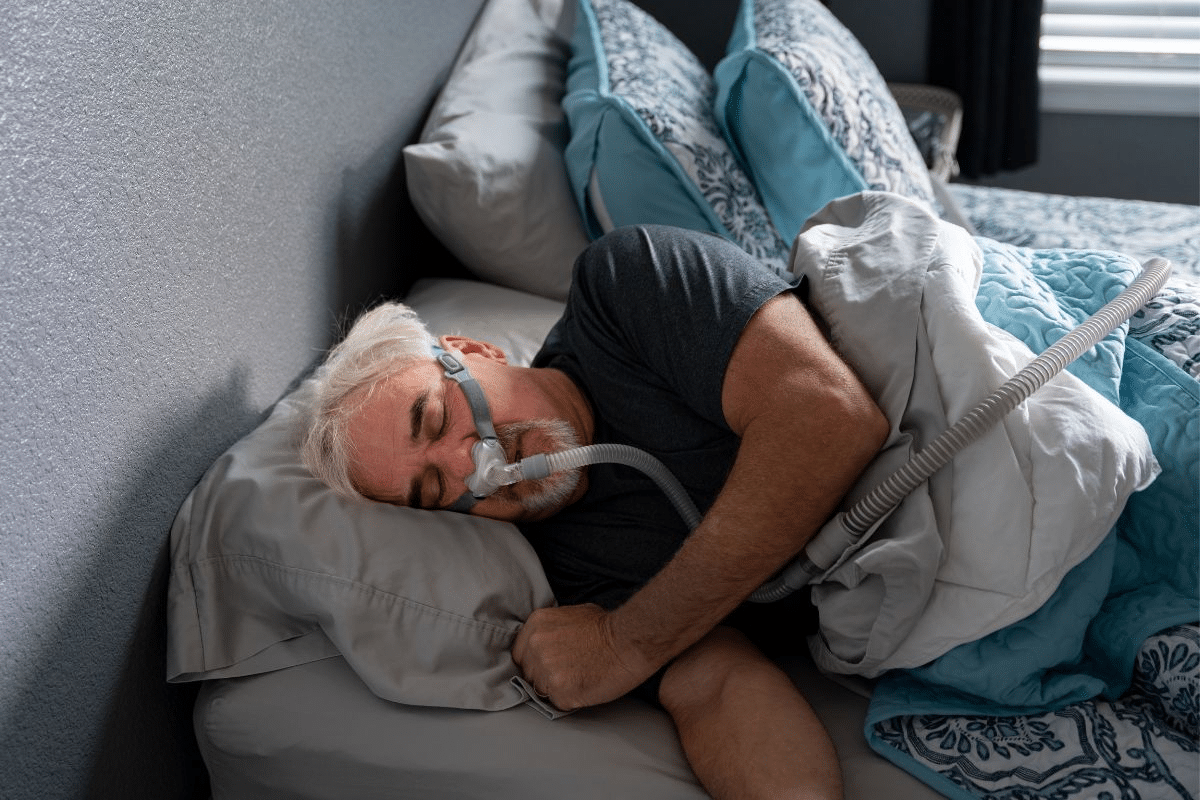
Ambien is a sleep medication that needs a prescription. In the United States, the law is strict about zolpidem, Ambien’s main ingredient.
Legal Status of Zolpidem in the United States
You can’t buy zolpidem over the counter in the United States. The DEA makes sure of this. They do this because zolpidem can be abused and lead to addiction.
The DEA says zolpidem is a Schedule IV controlled substance. This means it has medical uses but can cause dependence. So, you need a doctor’s prescription to get Ambien.
Why Ambien Requires a Prescription
A prescription is needed for Ambien for good reasons:
- Safety: Doctors check if Ambien is safe for you based on your health.
- Dosage: A prescription means you get the right amount of Ambien.
- Monitoring: Doctors watch for side effects and change your treatment if needed.
Risks of Seeking Ambien Without a Prescription
Getting Ambien without a prescription is risky. It can lead to:
- Dependency: Using zolpidem without a doctor’s help can lead to addiction.
- Adverse Interactions: Ambien can mix badly with other drugs, causing serious side effects.
- Counterfeit Medications: Buying Ambien from shady places can get you fake or harmful products.
It’s key to follow the law and doctor’s orders when looking for sleep aids like Ambien. This way, you stay safe and address your sleep issues effectively.
The Scope of Insomnia in America
America is facing a sleep crisis, with insomnia being a major contributor. Insomnia affects not just the individual’s life but also society as a whole.
About 40% of American adults deal with insomnia. Nearly 9 million Americans use sleeping pills to help. This shows we need better solutions and to spread the word about sleep disorders.
Prevalence and Impact
Insomnia can really mess up your day and life quality. It raises the risk of diseases like diabetes and heart disease. It also hurts your mental health.
It costs a lot too. Billions of dollars are lost in productivity and healthcare costs. A study in Sleep magazine showed insomnia affects not just the person but their family and friends too. It leads to less work done, more doctor visits, and strained relationships.
Types of Sleep Disorders
There are many sleep disorders, not just insomnia. Sleep apnea, restless leg syndrome, and narcolepsy are some examples. Each has its own symptoms and health effects.
- Sleep apnea: Pauses in breathing during sleep, loud snoring, and tiredness during the day.
- Restless leg syndrome: Uncomfortable feelings in the legs and a strong urge to move them, disrupting sleep.
- Narcolepsy: A brain disorder that messes up sleep-wake cycles, causing too much sleepiness during the day.
When to Consider Sleep Aids
Sleep aids can help with insomnia and other sleep disorders. But, it’s important to use them wisely and with a doctor’s advice.
“Sleep aids should be used with good sleep habits and lifestyle changes to fix sleep problems.”Medical Expert, Sleep Specialist
Choosing sleep aids should depend on how bad the sleep problems are and how they affect daily life. OTC sleep aids like antihistamines and melatonin are common. But, they work differently for everyone and can have side effects.
|
Sleep Aid |
Common Use |
Potential Side Effects |
|---|---|---|
|
Diphenhydramine (Benadryl) |
Short-term relief of insomnia |
Drowsiness, dry mouth, dizziness |
|
Melatonin |
Regulation of sleep-wake cycle |
Headaches, dizziness, nausea |
|
Doxylamine Succinate (Unisom) |
Short-term insomnia relief |
Drowsiness, dry mouth, constipation |
Over-the-Counter Antihistamine Sleep Aids
Many people with insomnia turn to over-the-counter (OTC) antihistamine sleep aids. These are easy to find and can help those who can’t sleep. But, it’s important to know how well they work and their limits.
Diphenhydramine (Benadryl, ZzzQuil)
Diphenhydramine is a common antihistamine in sleep aids like Benadryl and ZzzQuil. It makes you sleepy, helping you fall asleep quicker. But, it has its downsides. It can make you feel tired the next day and may not work as well if used too often.
Doxylamine Succinate (Unisom)
Doxylamine succinate is another antihistamine in sleep aids, like Unisom. It also makes you sleepy. It works well for short-term sleep issues. But, using it for a long time can make it less effective and may lead to dependence.
Effectiveness and Limitations
Diphenhydramine and doxylamine succinate can help with occasional sleep problems. But, their side effects and risk of tolerance are big concerns. They don’t fix the root of insomnia; they just provide a quick fix.
Thinking about using OTC antihistamine sleep aids? It’s key to consider their pros and cons. They might help in the short term. But, a deeper approach might be needed for lasting sleep health.
Melatonin: The Natural Sleep Regulator
Melatonin is a hormone that helps us sleep and wake up. It’s made in our bodies by the pineal gland. This hormone is key to our sleep patterns.
How Melatonin Works
Melatonin interacts with our internal clock to control sleep and wake times. It binds to receptors in the brain. This makes us feel sleepy and relaxed.
Appropriate Dosing Guidelines
The right dose of melatonin varies for everyone. Start with 0.5 to 1 milligram and adjust as needed. Always talk to a healthcare provider to find the right dose for you.
When to take melatonin is also important. It’s best to take it 30 to 60 minutes before bed. This tells your body it’s time to sleep.
Research on Effectiveness
Many studies have looked into melatonin’s effects on sleep. A big study found it helps people with insomnia and other sleep issues sleep better.
Best Forms and Timing
Melatonin comes in different forms like tablets, capsules, and gummies. The best form for you depends on what you prefer. Some forms help you fall asleep faster, while others help you stay asleep.
When you take melatonin matters a lot. Taking it too early or late can reduce its effectiveness. Taking it 30 to 60 minutes before bed is usually best.
|
Form of Melatonin |
Description |
Best Use |
|---|---|---|
|
Immediate-Release |
Quickly releases melatonin into the bloodstream |
Falling asleep |
|
Sustained-Release |
Releases melatonin slowly over time |
Staying asleep |
|
Gummies/Chewables |
Easier to consume for those who have trouble swallowing pills |
General sleep aid |
Valerian Root and Other Herbal Sleep Aids
Exploring herbal sleep aids shows many options for those looking for natural sleep help. These remedies have been used for centuries to help people relax and sleep better.
Valerian Root Research and Efficacy
Valerian root is a top herbal sleep aid studied by scientists. It helps people fall asleep faster and sleep better. Studies have shown it works by affecting the body’s GABA system, which helps calm the mind.
A big study on valerian root found it greatly improved sleep in people with insomnia. But, how it works exactly is not fully known.
Chamomile for Sleep and Relaxation
Chamomile is a well-known herbal remedy for sleep and calmness. It has a compound called apigenin, which might help you feel sleepy. Chamomile tea is a favorite way to relax before bed.
Lavender and Passionflower
Lavender and passionflower are also known for their calming effects. Lavender helps improve sleep quality, and passionflower treats anxiety and insomnia. Using them together might make them work even better.
Combining Herbal Remedies
Some people mix different herbal sleep aids to get better results. For instance, valerian root and chamomile together might help you relax more and sleep better. But, we need more research to know for sure.
|
Herbal Remedy |
Primary Use |
Potential Benefits |
|---|---|---|
|
Valerian Root |
Sleep Improvement |
Reduces sleep latency, improves sleep quality |
|
Chamomile |
Relaxation, Sleep |
Promotes calmness, reduces anxiety |
|
Lavender |
Relaxation, Sleep Quality |
Improves sleep quality, reduces stress |
|
Passionflower |
Anxiety, Insomnia |
Reduces anxiety, promotes relaxation |
Amino Acids and Other Supplements
Looking for sleep solutions without prescription meds? Amino acids and supplements might be the answer. They can help you sleep better without the side effects of some drugs.
L-Theanine for Relaxation
L-theanine is in green tea and helps you relax without feeling sleepy. L-theanine can lower stress levels, making it easier to fall asleep. It’s been shown to improve sleep quality by making you feel calm.
Glycine and Sleep Quality
Glycine is an amino acid that might help you sleep better. It can improve sleep quality by controlling body temperature. Taking glycine before bed might make your sleep more efficient.
Magnesium’s Role in Sleep
Magnesium is key for sleep. It activates the parasympathetic nervous system, which helps you relax. Not having enough magnesium can lead to sleep problems, so taking it as a supplement might help.
GABA Supplements
GABA is a neurotransmitter that helps you relax and sleep. Some people use GABA supplements to calm down and sleep better. While research is ongoing, GABA might help regulate sleep patterns by affecting how your brain works.
In summary, amino acids and supplements like L-theanine, glycine, magnesium, and GABA could improve your sleep. Learning how they work can help you choose the best options for your sleep health.
- L-theanine promotes relaxation without drowsiness.
- Glycine can improve sleep quality by regulating body temperature.
- Magnesium helps activate the parasympathetic nervous system.
- GABA supplements may help regulate sleep patterns.
CBD and Hemp-Based Sleep Products
More people are looking for natural ways to sleep better. CBD and hemp-based products are getting attention for their sleep benefits. They’re seen as natural and non-invasive ways to tackle sleep problems.
Potential Effects on Sleep
CBD, from hemp, is being studied for sleep benefits. Research shows it may help relax and improve sleep quality by affecting the body’s endocannabinoid system. This system helps control sleep and other body functions.
Some studies say CBD can lower anxiety and stress. These are common sleep disruptors. So, CBD might help you sleep better and more consistently.
Current State of Research
The research on CBD for sleep is promising but ongoing. More studies are needed to fully grasp its effects. It’s also important to note that the quality of CBD products varies. This can affect how well they work and how safe they are.
- Studies are looking into CBD’s effects on anxiety.
- They’re also figuring out the best doses for sleep.
- We don’t know yet how using CBD for sleep long-term affects us.
Legal Considerations
The laws on CBD products differ by place. In the U.S., CBD from hemp is legal if it has less than 0.3% THC. But, state laws can be different, so it’s key to know your local rules.
It’s important to follow local laws when using CBD for sleep.
Choosing High-Quality CBD Products
To be safe and effective, choose high-quality CBD products. Here’s how:
- Look for products tested by third-party labs.
- Make sure the label clearly states CBD and THC levels.
- Consider where the hemp comes from and how it’s made.
By picking a quality product, you’re more likely to get a safe and effective sleep aid.
Special Considerations for Elderly Patients
The elderly are more at risk from sleep aids, making tailored insomnia management key. As people age, their body’s reaction to drugs changes, raising the risk of side effects. So, it’s important to find safer alternatives to Ambien for the elderly.
Why Alternatives to Ambien for Elderly Matter
Older adults often face insomnia due to health issues, medication side effects, and sleep pattern changes. Ambien might not be the best choice for them because it can cause confusion, memory problems, and increase the risk of falls. So, finding safer and effective sleep aids is a top priority.
Risks of Antihistamines in Older Adults
Antihistamines in OTC sleep aids can have serious side effects for older adults. These include dry mouth, dizziness, constipation, and urinary retention. They can also worsen cognitive issues and increase the risk of falls. We need to carefully consider these risks for elderly patients.
Common Side Effects of Antihistamines in Older Adults:
|
Side Effect |
Description |
|---|---|
|
Dry Mouth |
Reduced saliva production, potentially leading to dental issues |
|
Dizziness |
Increased risk of falls due to impaired balance |
|
Constipation |
Difficulty in bowel movements, potentially leading to discomfort |
|
Urinary Retention |
Difficulty in urinating, potentially leading to infections |
Safer OTC Options for Seniors
There are safer OTC sleep aids for seniors despite some risks. Melatonin and valerian root are natural supplements that can improve sleep quality. They tend to have fewer side effects than traditional antihistamines.
Working with Healthcare Providers
Elderly patients should work closely with their healthcare providers when looking for Ambien alternatives. Healthcare professionals can help find the right treatment and watch for side effects. This teamwork ensures elderly patients get the best and safest care for their sleep issues.
Non-Medication Approaches to Better Sleep
There are many ways to improve sleep without medicine. These methods help fix sleep problems and make sleep better. They focus on the reasons behind sleep issues and promote healthy sleep habits.
Cognitive Behavioral Therapy for Insomnia (CBT-I)
Cognitive Behavioral Therapy for Insomnia (CBT-I) is a top choice for treating insomnia. CBT-I works by changing negative thoughts and behaviors that keep you awake. It’s done over several weeks and can lead to lasting sleep improvements.
Sleep Hygiene Practices
Good sleep hygiene is key to better sleep. It means going to bed and waking up at the same time every day. It also means making your bedroom a sleep-only zone.
Keeping your bedroom cool, dark, and quiet is important. Avoiding caffeine and screens before bed helps your body get ready for sleep.
Environmental Modifications
The place where you sleep greatly affects how well you sleep. Making your sleep space better can help a lot. This includes using curtains, earplugs, or a white noise machine.
Also, having a comfy mattress and pillows can make a big difference. They make your sleep more comfortable and better.
Technology and Sleep Tracking
Technology is a big help in improving sleep. Devices and apps track your sleep, showing how well you’re sleeping. They can monitor your sleep stages and heart rate.
This information helps you make changes to sleep better. It’s a way to understand and improve your sleep habits and environment.
Using these non-medication methods can greatly improve your sleep. They help you sleep better and feel better overall.
Comparing Effectiveness: OTC Options vs. Prescription Medications
It’s important to know the differences between OTC sleep aids and prescription drugs. This knowledge helps us make better choices for managing sleep. We need to look at several key factors to see how well they work.
Onset and Duration of Action
OTC sleep aids like antihistamines and melatonin work differently than prescription drugs like Ambien. Melatonin starts working in 30 minutes to an hour and lasts several hours. Ambien works faster but might not last as long. Knowing these differences helps us pick the right sleep aid.
Side Effect Profiles
OTC sleep aids and prescription drugs have different side effects. OTC antihistamines can make you drowsy the next day and cause dry mouth. Prescription drugs like Ambien can lead to serious side effects like sleep behaviors and memory problems. It’s important to think about these side effects when choosing between OTC and prescription options.
Dependency and Tolerance Issues
Dependency and tolerance are big concerns with sleep aids. Prescription drugs like Ambien are more likely to cause dependency than OTC options. Melatonin, for example, is safe for long-term use without dependency risks. Looking at the risk of dependency is key when picking a sleep aid.
Cost Considerations
Cost is also a big factor. OTC sleep aids are cheaper than prescription drugs, which is good for those without insurance. But, OTC costs can add up over time. Prescription drugs might be covered by insurance, making them cheaper. Looking at the cost of different sleep aids is important for managing sleep long-term.
In summary, comparing OTC sleep aids and prescription drugs requires understanding their effects, side effects, dependency risks, and costs. By carefully looking at these factors, we can make smart choices for our sleep.
Conclusion: Finding Your Best Alternative to Ambien
There are many options other than Ambien for better sleep. You can try over-the-counter sleep aids, herbal supplements, or non-medication methods. It’s key to pick what works best for you based on your health.
OTC sleep aids like diphenhydramine and doxylamine succinate can help for a short time. Herbal supplements like melatonin and valerian root offer natural ways to sleep better. Non-medication methods, like cognitive behavioral therapy for insomnia (CBT-I), provide lasting solutions without side effects.
When looking for a sleep aid, think about how well it works, its side effects, and your health. Always talk to a doctor before trying a new sleep aid. This way, you can find a safe and effective way to improve your sleep.
FAQ
What are the best over-the-counter alternatives to Ambien?
Good alternatives to Ambien include diphenhydramine and doxylamine succinate. Melatonin and valerian root are also effective. Other options include L-theanine, glycine, and magnesium.
Is it safe to buy Ambien over the counter?
No, it’s not safe or legal to buy Ambien over the counter. It’s a prescription drug that needs a doctor’s care.
What are the risks of using Ambien without a prescription?
Using Ambien without a prescription can be risky. It may lead to dependency and tolerance. It can also cause drowsiness and memory problems.
Can I use antihistamines as a long-term sleep aid?
Antihistamines can help sleep short-term but are not good for long-term use. They can cause dry mouth and dizziness.
How does melatonin work as a sleep aid?
Melatonin is a hormone that helps control sleep-wake cycles. Taking melatonin supplements can boost its levels. This helps relax and improve sleep quality.
Are herbal sleep aids effective?
Herbal sleep aids like valerian root and chamomile can help relax and improve sleep. But, the evidence is not always clear.
Can CBD products help with sleep?
CBD products might help with sleep by reducing anxiety and promoting relaxation. But, more research is needed to fully understand their effects.
What are the safest OTC sleep aids for elderly patients?
Melatonin and herbal sleep aids like valerian root are safer for elderly patients. But, always talk to a healthcare provider before using any sleep aid.
Can non-medication approaches help with insomnia?
Yes, non-medication methods like Cognitive Behavioral Therapy for Insomnia (CBT-I) can help with insomnia. Sleep hygiene practices and environmental changes also work.
How do OTC sleep aids compare to prescription medications?
OTC sleep aids are generally safer than prescription drugs. But, they might not work as well. Prescription drugs like Ambien can be more effective but riskier.
What should I consider when choosing a sleep aid?
When picking a sleep aid, think about its effectiveness, safety, and risk of dependency. Also, consider your health and what you can afford.
Are there any non-habit forming alternatives to Ambien?
Yes, there are non-habit forming alternatives to Ambien. Options include melatonin, herbal sleep aids, and non-medication methods like CBT-I and sleep hygiene.
Can I get Ambien without a doctor’s prescription?
No, you can’t get Ambien without a doctor’s prescription. It’s a prescription drug that needs a valid prescription from a healthcare provider.
Is there an over-the-counter version of zolpidem?
No, there’s no over-the-counter version of zolpidem (Ambien). Zolpidem is a prescription drug that can only be obtained with a prescription.
References
Government Health Resource. Evidence-Based Medical Guidance. Retrieved from https://www.nccih.nih.gov/health/melatonin-what-you-need-to-know



 Departments
 Related Videos
 Our Doctors
 News
News