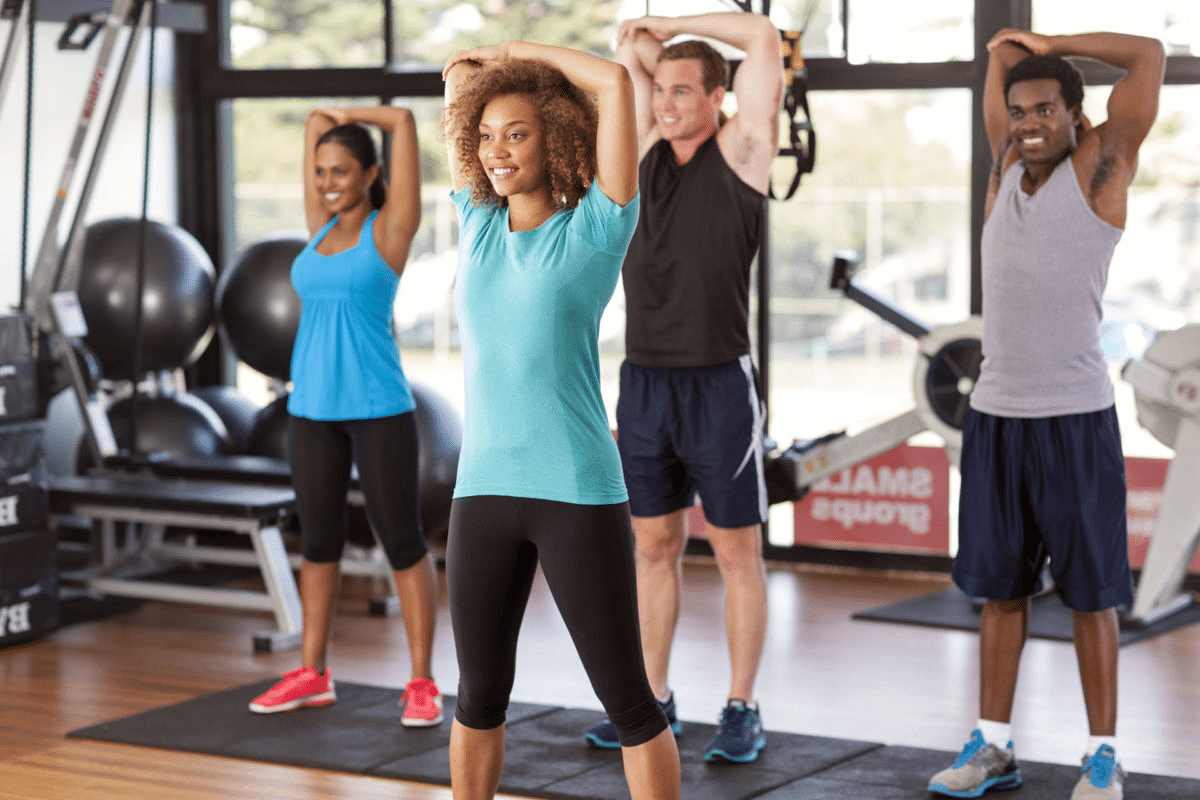
Creating a workout routine can greatly improve your health. It’s not just about getting fit. Studies show that regular exercise can cut down mortality risk by 26-31 percent.Looking for an exercise plan example? This essential guide provides a 7-day routine template to help you start your fitness journey.
At Liv Hospital, we use our decades of experience to craft a sample workout schedule just for you. A balanced seven-day plan can make your body stronger, lift your mood, help with weight management, and enhance sleep.
By mixing cardio and strength training, you can reach your fitness goals. We’ll show you how to make a 7-day fitness plan. You’ll learn the benefits of exercise and get a sample schedule.
Key Takeaways
- A well-structured workout routine can reduce mortality risk by 26-31 percent.
- A balanced seven-day workout schedule improves overall fitness and reduces chronic disease risk.
- Regular physical activity boosts mood, manages weight, and improves sleep quality.
- Combining cardio and strength training is essential for overall fitness.
- A personalized workout schedule can be tailored to individual needs.
The Science-Backed Benefits of Regular Exercise

Exercise is key for health and living a long life. It greatly improves both physical and mental health. Adding cardio and strength training to a fitness plan example helps reach top fitness levels and lowers disease risks.
Regular exercise offers many health perks, like lowering death risk and boosting well-being. A good workout routine example helps control blood sugar and strengthens bones.
Reduced Mortality and Disease Risk
Regular exercise cuts down disease risks, like heart disease, diabetes, and some cancers. A varied workout schedule helps avoid injuries and keeps activity levels steady.
Research shows exercise cuts down death rates. It’s good for the heart and lowers disease risks.
Psychological and Physical Well-being
Exercise also boosts mental health. It reduces stress, improves mood, and enhances mental health.
A balanced workout routine improves physical function and independence. It helps keep quality of life as you age. Mixing cardio and strength training leads to high fitness and well-being.
Understanding Exercise Guidelines and Recommendations

Exercise guidelines are key to staying fit and avoiding chronic diseases. To make a good sample workout program, knowing these guidelines is vital. They help us stay healthy overall.
WHO Physical Activity Guidelines
The World Health Organization (WHO) has detailed guidelines for adults. They say adults should do at least 150 minutes of moderate exercise or 75 minutes of vigorous exercise weekly. It’s also good to do muscle-strengthening activities two or more times a week.
We can mix cardio and strength training to meet these goals. This way, we get a balanced workout schedule example.
Balancing Cardio and Strength Training
A good workout schedule example should have both cardio and strength training. Cardio, like running or cycling, is great for heart health and endurance. Strength training, like squats and push-ups, builds muscle and boosts metabolism.
The Centers for Disease Control and Prevention suggest at least 150 minutes of moderate activity weekly. Plus, two days of strength training are recommended. This mix helps us reach top fitness levels.
For example, a sample workout program might include three cardio days. Activities like brisk walking or jogging are good. Then, two days for strength training, focusing on exercises like squats and push-ups. This balance is essential for better health and fitness.
Preparing to Create Your Exercise Plan Example
To make a workout plan that fits you, start by checking your current fitness level. Then, set goals that are clear and reachable. This step makes sure your routine works well and is safe.
Assessing Your Current Fitness Level
Checking your fitness level means looking at a few important areas. Cardiovascular endurance can be tested by walking or jogging. Muscular strength is checked with push-ups or squats. Also, looking at your flexibility and body composition gives a full picture of your fitness.
Setting SMART Fitness Goals
It’s key to set SMART (Specific, Measurable, Achievable, Relevant, Time-bound) fitness goals. For example, instead of saying “I want to be healthier,” aim for “I will cut my body fat by 5% in 3 months. I’ll exercise for 30 minutes, 3 times a week.”
SMART goals help you see how far you’ve come and keep you motivated on your fitness path.
Essential Equipment for Your Sample Workout Program
To create a good sample fitness plan, you need the right gear. The right tools can really boost your workout’s success.
Buying lots of equipment can seem scary. But, you don’t need a huge gym to start a cardio and strength workout schedule. Simple, flexible gear works just as well.
Home Workout Essentials
Working out at home? You’ll need a few key items. These include:
- Resistance bands: They’re light, easy to carry, and great for strength training.
- Adjustable dumbbells: Perfect for strength exercises, they adjust to fit your needs.
- Yoga mat: It keeps you comfortable and stable during floor exercises and stretches.
Fitness expert
“The best equipment for home workouts is that which is versatile, durable, and easy to use.”
Gym Equipment Alternatives
Prefer gym workouts? There are great alternatives to traditional gym gear. For example:
- Kettlebells: They’re good for swings, squats, and presses.
- TRX suspension trainers: Great for bodyweight exercises, adjustable for all levels.
- Medicine balls: Useful for core exercises, supports various movements.
In summary, you don’t need a lot of expensive gear for a sample fitness plan. Knowing what you need helps you create a routine that fits your style, whether at home or the gym.
Day 1: Establishing Your Cardio Foundation
Day 1 of our 7-day plan is all about building a strong cardio base. This is key to becoming healthier and more energetic. Cardio exercises are vital for heart health, metabolism, and fitness.
Beginner-Friendly Cardio Exercises
For newbies, it’s important to start with easy yet effective cardio exercises. Some top picks include:
- Brisk walking: A simple yet effective way to get your heart rate up and improve cardiovascular health.
- Jogging: Whether on a treadmill or outdoors, jogging is a great way to boost your cardio fitness.
- Cycling: Stationary cycling or using a bike outdoors is another excellent cardio exercise that’s easy on the joints.
These exercises are easy to fit into your daily life. They also lay a solid base for more challenging workouts later on.
Monitoring Intensity and Heart Rate
It’s important to keep an eye on how hard you’re working out. Tracking your heart rate is a reliable way to do this. The American Heart Association suggests exercising at a moderate intensity, where your heart rate is 50-70% of your maximum heart rate.
“The key to a successful cardio workout is not just about the intensity, but also about consistency and listening to your body,” says a fitness expert. To find your maximum heart rate, subtract your age from 220. For instance, a 30-year-old’s maximum heart rate would be 190 beats per minute (bpm).
Using a heart rate monitor or fitness tracker helps you stay in your target zone. This ensures you get the most from your workouts while avoiding too much strain.
Day 2: Introduction to Strength Training
Day 2 of our exercise plan introduces strength training. This is key for a strong fitness base.
Strength training boosts muscle, bone density, and metabolism. On Day 2, we concentrate on upper body exercises.
Upper Body Focus Exercises
Our upper body exercises target the chest, back, shoulders, and arms. Key exercises include:
- Push-ups: A classic that works the chest, shoulders, and triceps.
- Dumbbell rows: Great for strengthening the back and arms.
- Shoulder presses: Focuses on the shoulders, boosting upper body strength.
Proper Form and Technique
Proper form and technique are vital in strength training. They ensure effectiveness and safety. Here are some tips:
- Begin with lighter weights to learn the technique first.
- Engage your core for stability and support.
- Use a full range of motion for effective muscle work.
Let’s look at proper form and technique for upper body exercises:
|
Exercise |
Proper Form |
Common Mistakes |
|---|---|---|
|
Push-ups |
Keep back straight, engage core, lower body until chest nearly touches ground |
Letting hips sag, not lowering body sufficiently |
|
Dumbbell Rows |
Bend knees slightly, keep back straight, lift dumbbell to side until elbow is at 90 degrees |
Rounding back, using momentum to lift |
|
Shoulder Presses |
Stand or sit with back straight, press dumbbell straight up over shoulders |
Arching back, not fully extending arms |
By focusing on these exercises and proper form, you can boost your strength training. This leads to a balanced workout routine.
Day 3: Active Recovery and Flexibility
On Day 3, we focus on active recovery and flexibility. This helps improve our fitness plan. Active recovery lets our bodies fix and grow stronger over time.
Flexibility exercises boost our range of motion and reduce soreness. They also help us perform better and prevent injuries. This makes our fitness routine more balanced.
Stretching Routines for Whole Body
A good stretching routine targets big muscle groups. Static stretches are held for 15-30 seconds to boost flexibility. Examples include hamstring stretches and chest opens.
Dynamic stretches involve moving while stretching. Leg swings and arm circles are great for warm-ups or cool-downs.
Low-Impact Movement Options
Low-impact activities are perfect for active recovery days. They improve blood flow and movement without too much strain. Yoga and walking are great choices, improving flexibility and heart health.
Other options include swimming and cycling. They can be adjusted for different fitness levels. These activities help with recovery and overall fitness.
Adding active recovery and flexibility to our workout plan makes it more balanced. This supports long-term health and progress.
Day 4: Building Your Cardio and Strength Workout Schedule
By Day 4, we’ve set the stage for a full workout plan. Now, we’ll mix cardio and strength training. This mix is key for a balanced fitness plan that boosts heart health and muscle strength.
Mixing cardio and strength in one workout boosts fitness and saves time. It helps burn calories, improve heart health, and build muscle at the same time.
Combined Training Benefits
Combined training brings many benefits, including:
- Increased Caloric Burn: Switching between cardio and strength exercises boosts your metabolism and burns more calories.
- Improved Cardiovascular Health: Regular cardio strengthens the heart and improves blood flow.
- Enhanced Muscular Strength: Adding strength training builds muscle and improves muscle tone.
Fitness experts say a good combined training program boosts fitness and athletic performance.
This method not only saves time but also prevents plateaus and keeps workouts exciting.
Circuit Training Examples
Circuit training is a great way to mix cardio and strength. It’s a series of exercises done one after another with little rest in between.
Here’s a circuit training example:
- Burpees: 12 reps
- Mountain climbers: 20 reps
- Dumbbell squats: 15 reps
- Push-ups: 12 reps
- Jumping jacks: 30 seconds
Adding circuit training to our routine makes it dynamic and challenging. It works both our heart and muscles.
Day 5: Lower Body and Core Strength
Day 5 focuses on lower body and core strength. These areas are key for fitness. They help with athletic performance, posture, and injury prevention.
Essential Lower Body Exercises
To strengthen the lower body, we use exercises that work many muscles at once. Key exercises include:
- Squats: Works the quadriceps, hamstrings, glutes, and core.
- Lunges: Targets the quadriceps, hamstrings, glutes, and improves balance.
- Deadlifts: Engages the hamstrings, glutes, back, and core.
These exercises boost lower body strength. Start with weights you can handle and increase them as you get stronger.
|
Exercise |
Muscle Groups |
Sets/Reps |
|---|---|---|
|
Squats |
Quadriceps, Hamstrings, Glutes, Core |
3-4 sets of 8-12 reps |
|
Lunges |
Quadriceps, Hamstrings, Glutes |
3 sets of 10-15 reps per leg |
|
Deadlifts |
Hamstrings, Glutes, Back, Core |
3-4 sets of 8-12 reps |
Core Strengthening Movements
A strong core is vital for fitness and sports performance. It improves stability, balance, and power. Effective core exercises include:
- Planks: Engages the entire core, improving stability and endurance.
- Russian twists: Targets the obliques, boosting rotational strength.
- Leg raises: Works the lower abs, strengthening the core.
When doing these exercises, focus on proper form and technique. This maximizes benefits and reduces injury risk.
Day 5 focuses on lower body and core strength. This builds a solid fitness base that supports our health and fitness goals.
Day 6-7: Endurance, Intervals, and Rest
Days 6 and 7 are key in our workout plan. They focus on endurance, high-intensity interval training (HIIT), and rest. As we near the end, we fine-tune our routine for the best results.
HIIT Workout Examples for Day 6
Day 6 is all about HIIT workouts. These boost endurance and heart health. HIIT mixes short, intense exercises with brief rests.
- Sprint Intervals: Start with 5 minutes of jogging. Then, sprint at full effort for 30 seconds. Walk or jog for 1 minute to rest. Repeat for 15-20 minutes.
- Burpees: Do 10 burpees quickly, rest for 30 seconds, and repeat for 3 sets.
- Jump Squats: Perform 3 sets of 20 jump squats. Rest for 30 seconds between sets.
When doing HIIT, start at a level that feels right for you. Then, increase the intensity as you get more comfortable.
Strategic Rest and Recovery for Day 7
Day 7 is all about rest and recovery. Rest days help our bodies repair and get stronger. They also help us replenish energy and improve performance.
“Rest is not idleness, and to lie sometimes on the grass under trees on a summer’s day, listening quietly to the buzzing of the bee or the rustling of the leaf, is hardly a waste of time.” – John Lubbock
To make the most of your rest day, try these strategies:
- Active Recovery: Do light, low-impact activities like yoga or a slow walk. This promotes blood flow without stressing your muscles too much.
- Stretching: Focus on static stretches for major muscle groups. Hold each stretch for 20-30 seconds.
- Nutrition: Use your rest day to eat a balanced diet. Include proteins, complex carbs, and healthy fats.
By mixing intense workouts with strategic rest, we can improve our fitness. Remember, rest and recovery are key to success.
Conclusion: Maintaining Your Sample Exercise Plan Beyond Week One
Keeping up with a workout routine after the first week takes hard work and dedication. By following the tips in this article, you can stay on track with your exercise plan. This will help you reach your fitness goals in the long run.
To keep up with your workout plan, focus on being consistent, increasing the intensity, and resting well. Being consistent helps build good habits. Increasing the intensity keeps you getting better. And resting well is key for muscle repair and growth.
It’s a good idea to check and tweak your fitness plan often. This helps avoid hitting a plateau and prevents overtraining. This way, you can keep making progress and reach your best fitness level.
Learning how to keep up with a workout routine can also lower your risk of chronic diseases. It improves your overall health and well-being. With a solid workout plan, you can reach your fitness goals and live a healthier life.
FAQ
What is a sample exercise plan, and how do I create one?
A sample exercise plan is a workout routine made just for you. It fits your fitness needs and goals. First, check your current fitness level. Then, set specific, measurable, achievable, relevant, and time-bound (SMART) fitness goals. Make sure to balance cardio and strength training.
What are the benefits of regular exercise, and why is it essential?
Regular exercise cuts down on mortality risk and boosts overall well-being. It also lowers the risk of chronic diseases. It’s key for reaching peak fitness and keeping a healthy lifestyle.
What are the WHO physical activity guidelines, and how do I follow them?
The WHO suggests at least 150 minutes of moderate-intensity aerobic activity weekly. Or, do 75 minutes of vigorous-intensity aerobic activity. To follow, mix cardio and strength training. Add physical activity to your daily life.
How do I assess my current fitness level, and what are SMART fitness goals?
To check your fitness level, look at your cardiovascular health, strength, and flexibility. SMART goals are specific, measurable, achievable, relevant, and time-bound. They help you stay focused and motivated.
What equipment do I need for a sample workout program, and what are the alternatives?
For a workout program, you’ll need home essentials like dumbbells, resistance bands, and a yoga mat. Gym alternatives include treadmills, stationary bikes, and free weights.
How do I establish a cardio foundation, and what are beginner-friendly cardio exercises?
Start with beginner-friendly cardio like brisk walking, jogging, cycling, or swimming. Watch your intensity and heart rate to get the most out of your cardio.
What are the benefits of strength training, and how do I introduce it into my workout routine?
Strength training boosts muscle mass, bone density, and physical function. Start with upper body exercises and add lower body and core movements as you get stronger.
How do I incorporate active recovery and flexibility into my workout routine?
Add stretching routines for your whole body and low-impact activities like yoga or Pilates. This helps with active recovery and flexibility.
What is a cardio and strength workout schedule, and how do I create one?
A cardio and strength workout schedule combines both. Include cardio and strength training in your routine. Use circuit training examples to make it balanced.
How do I maintain a sample exercise plan beyond week one, and what are the tips for consistency?
To keep up with your exercise plan, stay consistent and keep challenging yourself. Use recovery techniques and set realistic goals. Tracking your progress and having a workout buddy can also help.
What is a weekly exercise chart, and how can it help me stay on track?
A weekly exercise chart shows your workout plan. It keeps you organized and focused. It helps you stay on track with a clear plan and schedule.
How do I create a fitness plan example for a week, and what are the essential components?
To make a fitness plan for a week, assess your fitness level and set SMART goals. Balance cardio and strength training. Include a cardio foundation, strength training, active recovery, and flexibility in your plan.
References
National Center for Biotechnology Information. Evidence-Based Medical Guidance. Retrieved from https://pubmed.ncbi.nlm.nih.gov/22743549/