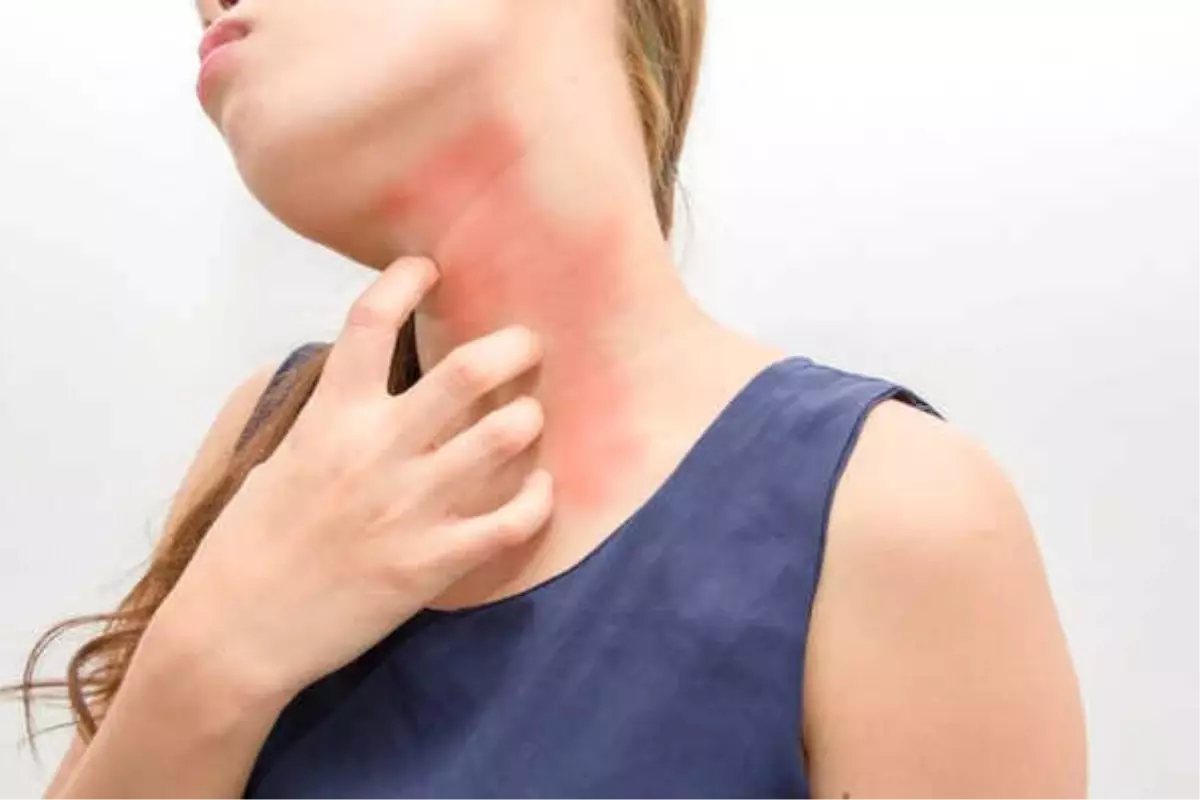
Ever had itching or watering in just one eye and thought allergies might be the reason? While allergic reactions usually hit both eyes, it’s possible for them to affect just one eye allergies in one eye.
At Liv Hospital, we know how important it is to figure out if your symptoms are from allergies or something else. Our team focuses on you, using the latest medical knowledge to give you the right diagnosis and treatment.
Key Takeaways
- Allergies can cause symptoms in just one eye, though it’s not common.
- Knowing what’s causing your symptoms is key to getting the right treatment.
- Liv Hospital combines caring for patients with the newest medical research.
- Getting the right diagnosis is essential for effective treatment.
- Allergic conjunctivitis is a common issue that can hit one or both eyes.
Understanding Eye Allergies

It’s important to know about eye allergies to manage symptoms and improve life quality. Eye allergies happen when the immune system reacts to something it sees as harmful. This reaction leads to uncomfortable symptoms.
What Are Eye Allergies?
Eye allergies, or allergic conjunctivitis, happen when the eyes react to something they shouldn’t. This reaction makes the conjunctiva, the thin membrane covering the eye, inflamed. Symptoms can be mild or severe, making daily life hard.
“Allergic conjunctivitis is a common condition that affects millions of people worldwide,” say medical experts. It shows as redness, itching, swelling, and too much tearing.
How Common Are Eye Allergies?
About 40 percent of people have ocular allergy symptoms. It’s a big health issue. Eye allergies can happen at any age and can be seasonal or year-round.
Seasonal allergies are caused by pollen in spring and fall. Year-round allergies are from dust mites, mold, and pet dander.
The Immune System’s Role in Allergic Reactions
The immune system is key in allergic reactions. When an allergen gets in, the immune system thinks it’s a threat. It fights it off, releasing histamine and other chemicals. This leads to symptoms of allergic conjunctivitis.
Histamine makes blood vessels bigger, causing swelling. This is why eyes get red, itchy, and swollen. Knowing this helps us find better treatments.
“The immune system’s response to allergens is a complex process involving multiple cell types and chemical signals. Understanding this process can help in developing targeted therapies for allergic conjunctivitis.”
Understanding how the immune system works in eye allergies helps us manage them better. We need to tackle symptoms and the root causes.
Eye Allergies in One Eye: Is It Possible?
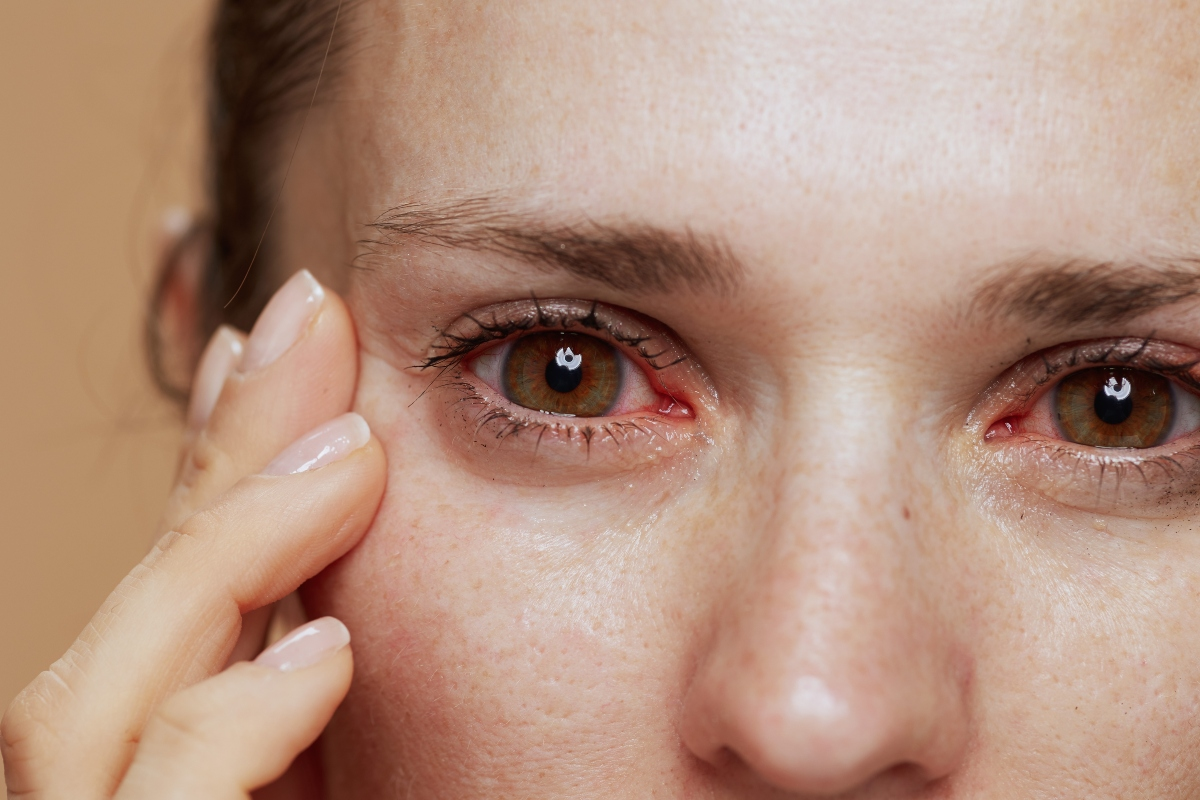
Eye allergies often hit both eyes, but we look into the chance of just one eye reacting. Allergies can show up in many ways, and knowing this helps doctors figure out what’s wrong and how to fix it.
The Typical Bilateral Nature of Eye Allergies
Eye allergies usually hit both eyes because they’re a body-wide reaction. When something you’re allergic to gets into your body, it can make both eyes react. This is what many people see with seasonal allergies or other common allergens.
Unilateral Eye Allergies: Rarity and Reality
It’s not super common, but eye allergies can sometimes just hit one eye. This might happen if you’re only exposed to the allergen in one eye or for other reasons we’ll look at. The important thing is knowing that eye allergies can sometimes just affect one eye.
Statistical Prevalence of Single-Eye Allergic Reactions
There’s ongoing research on how often eye allergies just hit one eye. But studies say while it’s more common for both eyes to react, some people only see symptoms in one. We should keep these numbers in mind when thinking about eye allergies.
It’s key to understand that eye allergies can affect just one eye. Whether you’re seeing symptoms in one or both, seeing an eye doctor is a must.
Causes of Single-Eye Allergic Reactions
Eye allergies usually hit both eyes, but sometimes just one. It’s key to know why this happens. Learning about single-eye allergic reactions can help us manage and treat them better.
Localized Allergen Exposure
One main reason for single-eye allergies is touching an allergen. For example, rubbing your eye after touching pollen or pet dander can introduce the allergen. This can cause an allergic reaction in that eye.
Examples of localized allergen exposure include:
- Pollen or dust entering one eye
- Pet dander or hair coming into contact with one eye
- Makeup or skincare products causing an allergic reaction in one eye
Environmental Factors
Environmental factors also play a big part. Being in a place with uneven allergen distribution can lead to one eye being affected. The wind direction and how you’re positioned can also influence which eye gets hit.
Some environmental factors to consider:
- Wind direction and speed
- Proximity to allergen sources (e.g., gardens, pet areas)
- Use of air conditioning or heating systems that may circulate allergens unevenly
Anatomical Considerations
Differences in body shape can also cause single-eye allergies. For example, how your eyelids or tear ducts work can trap or drain allergens differently. This might lead to allergic reactions in just one eye.
Knowing about these differences can help doctors diagnose and treat single-eye allergies more effectively.
Common Allergens Affecting the Eyes
Eye allergies can be caused by many common allergens indoors and outdoors. Knowing these allergens is key to managing and treating eye allergies.
Outdoor Allergens
Outdoor allergens are a big reason for eye allergies, more so during certain seasons. The main outdoor allergens are:
- Pollen: Pollen from trees, grasses, and weeds is a big problem. Pollen counts are usually high in spring and early summer.
- Mold Spores: Outdoor mold spores can also cause allergic reactions. These spores are more common in damp places and in decaying vegetation.
Indoor Allergens
Indoor allergens also cause eye irritation. Common indoor allergens include:
- Dust Mites: These tiny creatures live in household dust, mainly in bedding, carpets, and upholstered furniture.
- Pet Dander: Proteins in pet skin, saliva, and urine can become airborne and cause allergic reactions.
- Mold: Indoor mold grows in damp areas like bathrooms, basements, and kitchens.
Chemical Irritants
Chemical irritants can also irritate the eyes, though they’re not true allergens. These include:
- Chlorine: Found in swimming pools, chlorine can irritate the eyes.
- Fragrances and Dyes: Certain fragrances and dyes in cosmetics, soaps, and other products can cause irritation.
- Preservatives: Preservatives in eye drops or contact lens solutions can sometimes irritate the eyes.
The following table summarizes the common allergens and irritants that affect the eyes:
|
Allergen/Irritant |
Common Sources |
Potential Impact |
|---|---|---|
|
Pollen |
Outdoor plants, trees, grasses |
Seasonal eye allergies |
|
Dust Mites |
Household dust, bedding, carpets |
Year-round eye irritation |
|
Pet Dander |
Pet skin, saliva, urine |
Year-round allergic reactions |
|
Chemical Irritants (e.g., Chlorine) |
Swimming pools, cosmetics |
Immediate eye irritation |
Symptoms of Eye Allergies in One Eye
Eye allergies can affect one eye more than the other. They are known as allergic conjunctivitis. It’s important to know the symptoms to get the right treatment.
Primary Symptoms
The main symptoms of eye allergies in one eye are similar to both eyes. These include:
- Itching: A persistent and often intense itching sensation in the affected eye.
- Watering: Excessive tearing or watering of the eye.
- Redness: The white part of the eye may become red or pink due to inflammation.
- Swelling: Swelling of the eyelids or the conjunctiva (the membrane covering the white part of the eye).
These symptoms can vary in severity and may be triggered by specific allergens.
Comparing Symptoms: One Eye vs. Both Eyes
Eye allergies in one eye have similar symptoms to both eyes. But, there are differences. When both eyes are affected, symptoms are symmetrical. When only one eye is affected, symptoms are only in that eye. This can make diagnosis a bit harder.
|
Symptom |
One Eye Affected |
Both Eyes Affected |
|---|---|---|
|
Itching |
Itching in one eye |
Itching in both eyes, often symmetrically |
|
Watering |
Excessive tearing in one eye |
Excessive tearing in both eyes |
|
Redness |
Redness in one eye |
Redness in both eyes |
|
Swelling |
Swelling in one eye or eyelid |
Swelling in both eyes or eyelids |
When Symptoms Indicate Something More Serious
Eye allergies can be uncomfortable. But, some symptoms may mean a more serious issue. If you have any of these, see a doctor right away:
- Severe pain: Pain that’s not helped by usual treatments.
- Vision changes: Blurred vision, double vision, or loss of vision.
- Increased sensitivity to light: Severe or persistent photophobia.
- Pus or discharge: Yellow or green discharge, which could mean an infection.
Experiencing symptoms in one eye can be worrying. If you’re unsure or symptoms are severe, see an eye care professional. They can help with the right evaluation and treatment.
Types of Allergic Conjunctivitis
It’s important to know the different types of allergic conjunctivitis. This knowledge helps in diagnosing and treating the condition. Each type has its own symptoms and causes.
Seasonal Allergic Conjunctivitis
Seasonal allergic conjunctivitis is very common. It happens when pollen counts are high, usually in spring and summer. Symptoms include red eyes, itching, and watery eyes.
This condition is often linked to hay fever. It can really affect a person’s life during pollen seasons.
Perennial Allergic Conjunctivitis
Perennial allergic conjunctivitis is present all year. It’s caused by allergens like dust mites, pet dander, and mold. The symptoms are similar but last longer.
Contact Allergic Conjunctivitis
Contact allergic conjunctivitis happens when the eyes meet an allergen or irritant. It’s often linked to contact lenses. Symptoms can be mild or severe, including swelling and redness.
Keeping contact lenses clean and visiting an eye doctor regularly can help manage this condition.
Giant Papillary Conjunctivitis
Giant papillary conjunctivitis is a severe form of allergic conjunctivitis. It’s linked to contact lenses. It causes discomfort, blurred vision, and sensitivity to light.
This condition needs quick medical attention to avoid serious problems.
The following table summarizes the key characteristics of the different types of allergic conjunctivitis:
|
Type |
Triggers |
Symptoms |
Duration |
|---|---|---|---|
|
Seasonal Allergic Conjunctivitis |
Pollen |
Redness, itching, watering |
Seasonal |
|
Perennial Allergic Conjunctivitis |
Dust mites, pet dander, mold |
Redness, itching, watering |
Year-round |
|
Contact Allergic Conjunctivitis |
Contact lens use, allergens |
Irritation, swelling, redness |
Varies |
|
Giant Papillary Conjunctivitis |
Contact lens use |
Discomfort, blurred vision, sensitivity to light |
Chronic |
Understanding the different types of allergic conjunctivitis helps us diagnose and manage them better. This improves the lives of those affected.
Diagnosing Single-Eye Allergic Reactions
Diagnosing single-eye allergic reactions requires several steps. When symptoms appear in just one eye, it’s a challenge for doctors to find the cause.
Medical History and Physical Examination
We start by asking about the patient’s medical history. We look for any allergies or environmental factors that might be causing the symptoms. Then, we do a detailed eye exam to check for signs of allergies like redness or swelling.
Key components of the physical examination include:
- Inspecting the eye for visible signs of irritation or infection
- Checking for any foreign bodies or contact lens use
- Assessing the patient’s overall eye health
Allergy Testing Methods
To confirm an allergy, we use different testing methods. These include skin prick tests or blood tests to find out what’s causing the reaction.
Allergy testing is useful when:
- The cause of the allergic reaction is not clear
- Symptoms are severe or persistent
- Other treatments have not been effective
Differential Diagnosis: Ruling Out Other Conditions
It’s important to tell apart allergic reactions from other conditions that might look similar. We do this by looking at the medical history, physical exam, and sometimes more tests.
Differential diagnosis considerations include:
- Infectious conjunctivitis
- Irritant conjunctivitis
- Other inflammatory conditions
By carefully looking at the symptoms and using different tests, we can figure out if an allergy is the cause. Then, we can create a treatment plan.
Treatment Options for Eye Allergies
Eye allergies can be managed in several ways. You can use over-the-counter remedies or prescription medications. The right treatment depends on how bad the symptoms are, the allergen, and your health.
Over-the-Counter Remedies
For mild to moderate eye allergies, OTC remedies can help a lot. These include:
- Antihistamine eye drops: They reduce itching and redness.
- Mast cell stabilizer eye drops: They stop histamine and other mediators from being released.
- Combination products: Some drops mix antihistamines and mast cell stabilizers.
- Artificial tears: They lubricate your eyes and remove allergens.
Make sure to pick products labeled for allergies or redness. Always follow the instructions on the bottle.
Prescription Medications
If your eye allergies are severe or don’t go away, you might need prescription meds. These can include:
- Stronger antihistamine eye drops: More effective than OTC ones.
- Nonsteroidal anti-inflammatory (NSAID) eye drops: They reduce inflammation.
- Corticosteroid eye drops: Good for severe inflammation but used short-term due to side effects.
- Oral antihistamines: Used with eye drops for better relief.
Home Remedies and Natural Approaches
There are also home remedies and natural ways to ease eye allergy symptoms:
- Cool compresses: They can lessen swelling and itching.
- Cold washcloths: Applying a cold, damp cloth to closed eyes can help.
- Avoid rubbing your eyes: It can make irritation worse.
- Keep windows closed during peak pollen times: It reduces outdoor allergens.
- Use air purifiers: They can lower indoor allergens.
Treating One Eye vs. Both Eyes
It’s usually best to treat both eyes, even if only one has symptoms. This is because:
- Allergens can easily spread from one eye to the other.
- Treating both eyes keeps relief balanced and prevents cross-contamination.
- Some treatments, like artificial tears, can be used in the unaffected eye to prevent problems.
But if only one eye is affected, use separate bottles of eye drops for each eye. This prevents cross-contamination.
Prevention Strategies
To lower the chance of eye allergies, it’s key to know and use good prevention methods. Avoiding allergens, controlling your environment, wearing protective eyewear, and taking care of contact lenses can help. These steps can greatly cut down the risk of allergic reactions in one or both eyes.
Avoiding Known Allergens
First, find and avoid allergens you’re sensitive to. Common ones are pollen, dust mites, pet dander, and chemicals in some products. If pollen allergies bother you, stay inside when pollen counts are high and use air purifiers. Keeping pets out of your bedroom and off your furniture can also help if you’re allergic to them.
- Check pollen counts and plan your outdoor time wisely
- Use allergen-proof bedding to fight dust mites
- Avoid rubbing your eyes to prevent introducing allergens
Environmental Controls
Using environmental controls is also vital. This means using HEPA filters, cleaning surfaces often, and keeping your space clean and dust-free. For those with seasonal allergies, closing windows during high pollen times can be helpful.
Key environmental controls include:
- Using HEPA air purifiers in your home
- Regularly cleaning and dusting surfaces
- Keeping windows closed during high pollen counts
Protective Eyewear
Wearing protective eyewear can block allergens and irritants. If you’re outside a lot, wearing wraparound sunglasses can stop pollen from getting in your eyes. Contact lens users should also wear protective eyewear when doing things that might expose their eyes to allergens.
Proper Contact Lens Care
Contact lens wearers need to take special care to avoid eye allergies. This means cleaning and disinfecting lenses often, replacing them as the maker suggests, and not wearing them while sleeping or during allergy attacks. Using contact lens solutions without preservatives can also lower allergy risks.
Tips for contact lens wearers:
- Always wash your hands before handling lenses
- Use fresh contact lens solution each time you store your lenses
- Replace lenses according to the recommended schedule
By following these prevention steps, you can greatly reduce your risk of eye allergies. It’s about avoiding allergens, controlling your environment, wearing protective eyewear, and taking good care of your contact lenses.
When to See a Doctor
Knowing when to see a doctor for eye allergies is key for good treatment and relief. Many eye allergy cases can be handled with over-the-counter remedies and home care. But, some situations need a doctor’s help to avoid problems or to find and treat underlying issues.
Warning Signs That Require Medical Attention
There are warning signs that mean you should see a doctor for eye allergies. These include:
- Severe eye discomfort or pain
- Blurred vision or sensitivity to light
- Discharge or crusting around the eyes
- Redness or swelling that doesn’t improve with treatment
- Persistent symptoms despite using allergy medications
If you notice any of these signs, seeing an eye care professional is important. They can figure out the cause and the right treatment.
Differentiating Between Allergies and Infections
It can be hard to tell if eye symptoms are from allergies or an infection. Both can cause redness and discomfort. But, their treatments are different.
Allergies usually make your eyes itch and have watery discharge. Infections, on the other hand, cause thicker, yellow or green discharge.
|
Symptom |
Allergies |
Infections |
|---|---|---|
|
Discharge |
Watery, clear |
Thick, yellow or green |
|
Itching |
Common |
Less common |
|
Redness |
Present |
Present |
Knowing these differences helps you choose the right treatment.
What to Expect During Your Eye Exam
At your eye exam for allergies, your doctor will do a detailed check. They will look at your symptoms, medical history, and examine your eyes. They might also do allergy tests to find out what’s causing your symptoms.
Then, your doctor will create a treatment plan just for you. This might include prescription meds, tips on avoiding allergens, and other ways to manage your symptoms.
Conclusion
Eye allergies can affect one or both eyes. It’s important to know their causes, symptoms, and treatments. We’ve looked at how things like allergens, the environment, and eye structure can lead to allergic reactions in one eye.
Can allergies only hit one eye? Yes, it can happen, but it’s not common. Symptoms like itching, redness, and swelling can occur. They might be caused by pollen, dust mites, or chemicals.
To feel better and avoid problems, it’s key to stay away from allergens. Wear protective eyewear and take good care of your contact lenses. Try over-the-counter or prescription meds, and home remedies to find what works best for you.
By managing eye allergies well, you can lower the risk of serious issues. This improves your life quality. If your symptoms don’t go away or get worse, see a doctor for help.
FAQ
Can allergies only affect one eye?
Yes, allergies can affect just one eye, though it’s less common. This can happen due to how you’re exposed to allergens, your environment, or the shape of your eyes.
Why do my allergies only affect one eye?
Several reasons can cause allergies to hit one eye harder. Maybe you’re exposed to allergens more on one side. Or, your eyes might drain or produce tears differently. Sometimes, one eye might already have a condition that makes it more prone to allergies.
Can allergies cause eye pain in one eye?
Yes, allergies can make one eye hurt or feel uncomfortable. You might also notice itching, redness, and swelling. The pain is usually not too bad but can bother you a lot.
Can allergies affect one eye more than the other?
Yes, allergies can hit one eye harder than the other. This can happen because of how much you’re exposed to allergens or how sensitive your eyes are.
What are the symptoms of allergic conjunctivitis in one eye?
Symptoms include itching, redness, swelling, and too much tearing. Your eye might feel gritty or have a clear or white discharge.
How is allergic conjunctivitis in one eye diagnosed?
Doctors will look at your medical history and do a physical exam. They might also do allergy tests. They’ll check your symptoms and eye to make sure it’s not something else.
What treatment options are available for eye allergies affecting one eye?
You can try over-the-counter or prescription meds, or home remedies. The right treatment depends on how bad your symptoms are and what’s causing them.
Can I prevent eye allergies from affecting one eye?
You can’t always stop eye allergies, but you can lower your risk. Avoid allergens, wear protective eyewear, and keep your eyes clean.
When should I see a doctor for eye allergies affecting one eye?
See a doctor if your symptoms are really bad, don’t go away, or if you notice other problems like vision changes or light sensitivity.
Can seasonal allergies affect one eye?
Yes, seasonal allergies can hit one eye, though they usually affect both. The same allergens that cause seasonal allergies can also cause eye problems in one or both eyes.
Is itchy eye only one symptom of allergies?
An itchy eye is a sign of allergies, but you might also see redness, swelling, and too much tearing. If your eye itching is persistent or severe, see a doctor.
References
National Center for Biotechnology Information. Allergies: Possible Unilateral Ocular Manifestation. Retrieved from https://pmc.ncbi.nlm.nih.gov/articles/PMC5010431/