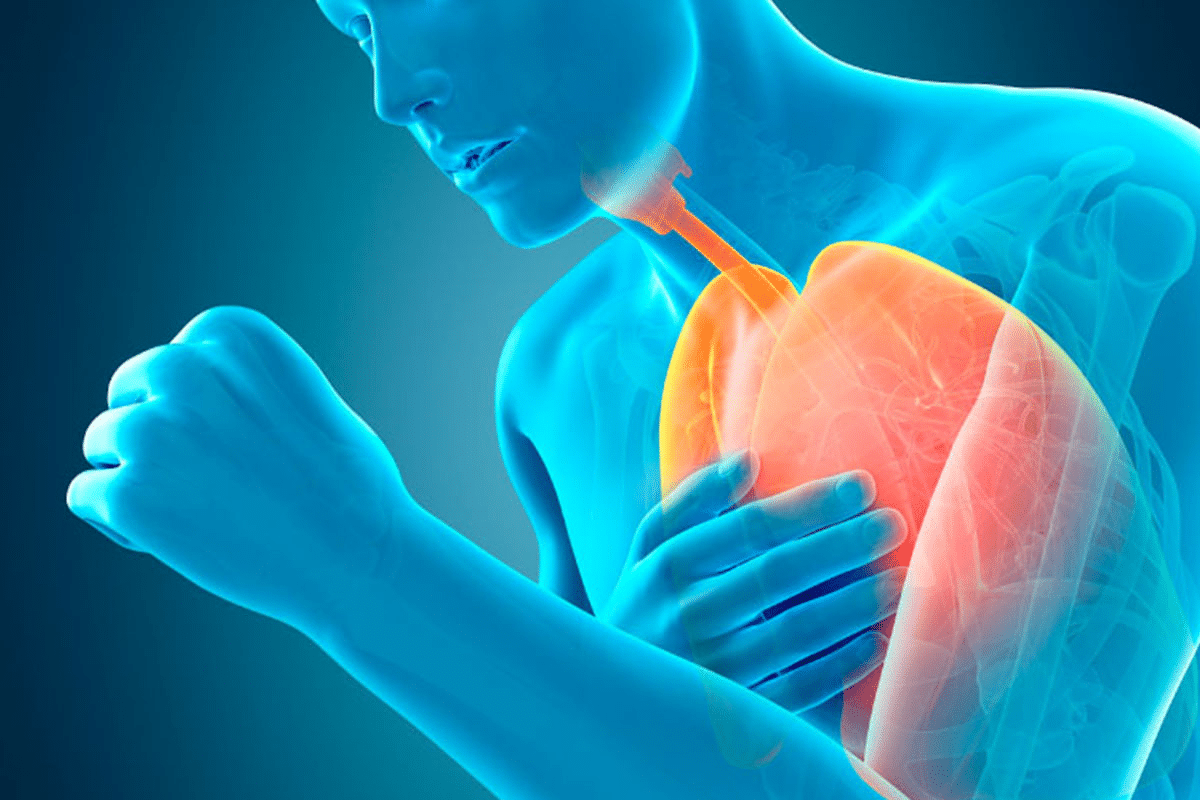
Chronic obstructive pulmonary disease (COPD) is a big health problem worldwide. It’s the third leading cause of death globally. In the U.S., it was the sixth leading cause of death in 2022, as reported by the CDC. Knowing how COPD can lead to death is key for doctors and patients. Identifying the most common cause of death in copd patients (like respiratory failure or heart disease) accurately.
COPD is a disease that gets worse over time. It can cause heart problems and make breathing worse. We’ll look into how COPD can lead to death. We’ll also see why it’s important to know about and manage this disease.
Key Takeaways
- COPD is a significant global health challenge and a leading cause of death worldwide.
- In the United States, COPD was the sixth leading cause of death in 2022.
- Understanding COPD mortality is key for healthcare providers and patients.
- COPD can lead to heart problems and make breathing worse.
- Awareness and management of COPD are vital to lower death rates.
COPD as a Leading Cause of Mortality

COPD is a major cause of death worldwide. Its prevalence and death rates are increasing. We will look at what COPD is, its effects on mortality, and survival chances after diagnosis.
Definition and Pathophysiology of COPD
COPD is marked by a lasting reduction in airflow. It often gets worse and is linked to inflammation in the airways and lungs. This inflammation is caused by long-term exposure to harmful gases or particles, often from smoking.
Chronic inflammation leads to changes in COPD patients. These include airway obstruction and lung damage.
Global and US-Specific Mortality Statistics
Globally, COPD is a major killer. In the United States, it causes over 138,000 deaths. Most of these deaths are in people over 65.
The death rates from COPD vary by region. But it’s always among the top causes of death worldwide.
|
Region |
COPD-Related Deaths |
Percentage of Total Deaths |
|---|---|---|
|
Global |
3 million |
5% |
|
United States |
138,000 |
4.5% |
|
Europe |
1.1 million |
5.5% |
Five-Year Survival Rates After Diagnosis
About 24% of COPD patients die within five years of diagnosis. Survival rates depend on disease severity, other health issues, and healthcare access. Knowing these factors helps improve COPD patient outcomes.
By studying COPD’s definition, pathophysiology, and mortality, we can grasp its global health impact. We can then find ways to lessen its burden.
The Most Common Cause of Death in COPD Patients
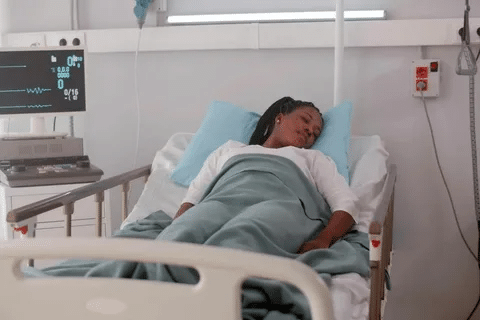
COPD patients face a variety of death causes at different disease stages. It’s key to understand how death rates change with disease severity.
Variation in Mortality Patterns Based on Disease Severity
For those with mild COPD, death often comes from cancer and cardiovascular disease. As COPD worsens, respiratory issues become a bigger killer. This shows the need to manage both COPD’s lung and body-wide effects.
Differences Between Early and Advanced COPD Mortality
In the early COPD stages, patients often die from comorbid conditions like heart disease or cancer. But as COPD gets worse, breathing failure becomes a leading cause of death. Knowing this helps doctors tailor treatments to each patient’s stage.
Comparison with Non-COPD Population
COPD patients have a higher death rate than those without it. COPD increases the risk of dying from breathing problems and other diseases, like heart disease.
Our study shows the importance of a full approach to treating COPD. This includes managing both lung and body-wide issues. Such a strategy can help patients live longer and better lives.
Respiratory Failure in Advanced COPD
In advanced COPD, respiratory failure is a big worry. It affects how long patients live and their quality of life. We will look at why it happens, what it means, and how to manage it.
Mechanisms of Progressive Respiratory Decline
COPD gets worse over time, leading to respiratory failure. This happens because of:
- Airway blockage from chronic inflammation and mucus
- Loss of lung flexibility and damage to alveoli
- More work for the muscles that breathe
These issues make COPD progress, leading to respiratory failure. This is when the lungs can’t get enough oxygen and gas.
Acute Exacerbations and Their Impact on Survival
Acute exacerbations of COPD (AECOPD) make symptoms worse suddenly. They can be caused by infections, pollution, or other things. We will talk about how AECOPD affects patients and how to handle these bad episodes.
How often and how bad AECOPD are can really affect a patient’s future. Research shows that those with more episodes are at higher risk of mortality and faster lung function loss.
End-Stage Respiratory Failure Processes
At the end stage, COPD makes it hard for the lungs to exchange gases. This leads to not enough oxygen and too much carbon dioxide. Patients often need oxygen and sometimes a ventilator.
The end stage involves:
- Severe blockage and damage to airways
- Big loss of lung function for gas exchange
- Being more likely to get infections and have bad episodes
Knowing about these stages is key to helping patients with advanced COPD. It’s about improving their life and managing symptoms well.
Cardiovascular Disease as a Major Cause of Death
COPD greatly increases the risk of heart-related deaths. This makes it very important in patient care. We look at the heart problems that raise this risk.
Heart Failure in COPD Patients
Heart failure is a big worry for COPD patients. Both conditions often come from smoking and getting older. When COPD and heart failure happen together, it’s hard to tell what’s causing symptoms like trouble breathing.
Table: Comorbidities and Complications in COPD Patients with Heart Failure
|
Comorbidity/Complication |
Prevalence |
Impact on Mortality |
|---|---|---|
|
Hypertension |
60% |
Increased |
|
Coronary Artery Disease |
40% |
Significantly Increased |
|
Atrial Fibrillation |
30% |
Moderately Increased |
Ischemic Heart Disease and Coronary Complications
Ischemic heart disease is a big problem for COPD patients. COPD’s inflammation and stress can make heart disease worse. This increases the chance of heart attacks.
Arrhythmias and Sudden Cardiac Death
Arrhythmias, like atrial fibrillation, are common in COPD patients. They can cause sudden heart death. This is due to low oxygen, inflammation, and some COPD treatments.
Managing COPD and heart disease together is key. A full plan that covers both health areas is needed to lower death rates.
Cancer-Related Mortality in COPD
The connection between COPD and cancer is complex. It involves shared risk factors and how the body works. COPD patients face a higher risk of lung cancer and other cancers, which raises their death rates.
Shared Risk Factors and Pathophysiology of Lung Cancer
Lung cancer is a big worry for COPD patients because of shared risks like smoking. The ongoing inflammation and damage in COPD help lung cancer grow and spread.
Table: Shared Risk Factors Between COPD and Lung Cancer
|
Risk Factor |
COPD |
Lung Cancer |
|---|---|---|
|
Smoking |
Primary cause |
Major risk factor |
|
Chronic Inflammation |
Pathophysiological feature |
Contributes to tumorigenesis |
|
Genetic Predisposition |
Influences disease severity |
May increase cancer risk |
Increased Risk of Other Malignancies
COPD patients are not just at risk for lung cancer. They also face a higher chance of other cancers like breast, colon, and prostate cancer. Studies have found this link.
Cancer Treatment Challenges in COPD Patients
Treating cancer in COPD patients is tough. COPD makes it harder to treat cancer because of weaker lungs and more risks from treatment.
We need to think about these issues when planning treatment for COPD patients with cancer. We must find a balance between treating the cancer and managing COPD.
Infectious Complications Leading to Death
COPD patients face a high risk of infections that can be deadly. These infections happen because their lungs don’t work well and their health is poor.
Pneumonia in the COPD Population
Pneumonia is a big worry for COPD patients. It can make their lung problems worse. The risk of getting pneumonia is higher because their lungs can’t fight off infections well. It’s key to prevent it with vaccines against pneumococcal disease and flu.
Bronchiectasis and Chronic Infections
Bronchiectasis is common in COPD patients. It means their airways are permanently widened, leading to chronic infections. These infections make COPD symptoms worse and lower the patient’s quality of life. It’s important to manage bronchiectasis and infections well.
Sepsis and Systemic Inflammatory Response
Sepsis is a serious condition where the body attacks itself due to infection. It’s a big risk for COPD patients. The body’s inflammatory response in sepsis can be very harmful, leading to organ failure and death. It’s vital to spot and treat sepsis early to save lives.
Using systemic corticosteroids and antibiotics is important in treating COPD exacerbations and infections. Finding the right balance between treating infections and avoiding treatment risks is a challenge. It needs careful thought from doctors.
Impact of Comorbidities on COPD Mortality
Comorbid conditions greatly affect survival in COPD patients. These are other health issues that happen with COPD, making it harder to manage and leading to worse outcomes.
Metabolic Disorders: Diabetes and Obesity
Diabetes and obesity are common in COPD patients. They make COPD harder to manage and increase death risk. Diabetes can lead to more infections and faster lung decline.
Obesity’s effect on COPD is complex. Some studies show it might help some patients live longer, known as the “obesity paradox.” But, metabolic syndrome overall worsens COPD outcomes.
|
Metabolic Disorder |
Impact on COPD |
Management Strategy |
|---|---|---|
|
Diabetes |
Increased risk of infections, accelerated lung function decline |
Tight glycemic control, regular monitoring |
|
Obesity |
Complex relationship; potentially better survival but overall negative impact on health |
Weight management, lifestyle modifications |
Psychological Comorbidities: Depression and Anxiety
Depression and anxiety are common in COPD patients. They can lower quality of life and treatment adherence, affecting survival.
Depression is linked to more hospital stays and deaths in COPD patients. It can cause less activity, poor medication use, and weaker immune system, worsening COPD symptoms.
Anxiety can make COPD harder to manage by raising breathing rate and causing panic attacks that worsen symptoms.
Musculoskeletal Complications and Frailty
COPD patients often face muscle loss and frailty. These issues reduce exercise ability, increase fall risk, and worsen health.
Frailty is a big risk factor for death in COPD patients. It’s a decline in body function, making patients more at risk for serious problems.
It’s key to understand and manage these comorbidities to improve COPD outcomes. A full approach that covers both lung and other health issues is needed to lower death rates and improve life quality.
Modern Treatment Approaches and Survival Rates
COPD management has made big strides in recent years. This has led to better survival rates and quality of life for patients. New treatment methods have changed how we care for those with COPD, making care more effective and complete.
Pharmacological Interventions and Mortality Reduction
Medicines are key in managing COPD symptoms and slowing the disease. Bronchodilators and corticosteroids help improve lung function and cut down on flare-ups. Studies show that triple therapy can greatly lower death rates in COPD patients.
The right medicine depends on how severe the COPD is and how well the patient responds. It’s important to regularly check and adjust the treatment to get the best results.
Pulmonary Rehabilitation and Its Impact on Survival
Pulmonary rehabilitation includes exercise, education, and behavior changes. It boosts exercise ability, lessens symptoms, and improves life quality for COPD patients. Pulmonary rehabilitation programs also lead to fewer hospital stays and better survival rates.
This approach helps patients manage their condition better. It tackles the physical, mental, and social sides of COPD.
Oxygen Therapy and Ventilatory Support
Oxygen therapy is vital for COPD patients, mainly those with severe low oxygen levels. Long-term oxygen use can help the heart and other organs work better. Continuous oxygen therapy is advised for those with PaO2 ≤ 55 mmHg or SpO2 ≤ 88%.
Ventilatory support, like non-invasive ventilation (NIV), is also key, mainly during acute attacks. NIV makes breathing easier and improves gas exchange, reducing the need for invasive ventilation.
By using these modern treatments, healthcare can greatly improve survival and life quality for COPD patients. A treatment plan that fits each patient’s needs is essential for the best results.
Conclusion: The Multifaceted Nature of COPD Mortality
Understanding COPD mortality is key to better management. We’ve learned that many factors affect it, like disease severity and treatment. Comorbidities also play a big role.
COPD patients deal with many health issues. These include respiratory, cardiovascular, and other problems. Knowing these can help us improve treatment plans.
Managing COPD well means using a broad approach. This includes medicines, pulmonary rehab, and managing other health issues. A holistic care model can greatly improve life and survival for COPD patients.
The complexity of COPD mortality shows we need more research and personalized care. We must focus on creating treatments that meet each patient’s needs. This will help lower COPD mortality and better outcomes for patients.
FAQ
What is COPD and how does it affect mortality?
COPD is a lung disease that makes it hard to breathe. It’s often caused by smoking, but also by other things like pollution and genes. It can lead to serious health problems and even death.
How does COPD cause death?
COPD can lead to death in many ways. It can cause breathing failure, heart problems, and even lung cancer. How severe the disease is and other health issues also play a big role.
What is the most common cause of death in COPD patients?
Most COPD patients die from breathing failure, heart disease, or lung cancer. The exact cause depends on how bad the disease is and if they have other health problems.
Does COPD directly cause death?
Yes, COPD can directly cause death by failing the lungs. It can also increase the risk of heart disease and lung cancer, leading to death.
How does disease severity affect mortality in COPD?
How severe COPD is greatly affects how long someone lives. More severe cases have higher death rates. The lung function, how often symptoms get worse, and other health issues all matter.
What is the role of acute exacerbations in COPD mortality?
COPD attacks can be very dangerous. They can make breathing worse and increase the risk of death. Frequent or severe attacks are more risky.
Can COPD treatment improve survival rates?
Yes, treatments like medicines, exercise programs, and oxygen can help. They can control symptoms, reduce attacks, and slow the disease’s progress.
How does cardiovascular disease relate to COPD mortality?
Heart disease is a big killer for COPD patients. COPD’s inflammation can harm the heart, leading to heart failure and other heart problems.
What is the impact of comorbidities on COPD mortality?
Other health issues can make COPD worse and increase the risk of death. These can include diabetes, mental health problems, and muscle and bone issues.
Can pulmonary rehabilitation improve survival in COPD?
Pulmonary rehab can help COPD patients live longer. It includes exercise, education, and changing behaviors. It improves physical health and reduces symptoms.
What is the significance of oxygen therapy in advanced COPD?
Oxygen therapy is key for severe COPD. It helps by reducing heart strain and improving oxygen to the body’s vital parts.
References
World Health Organization. Evidence-Based Medical Guidance. Retrieved from https://www.who.int/news-room/fact-sheets/detail/chronic-obstructive-pulmonary-disease-(copd)