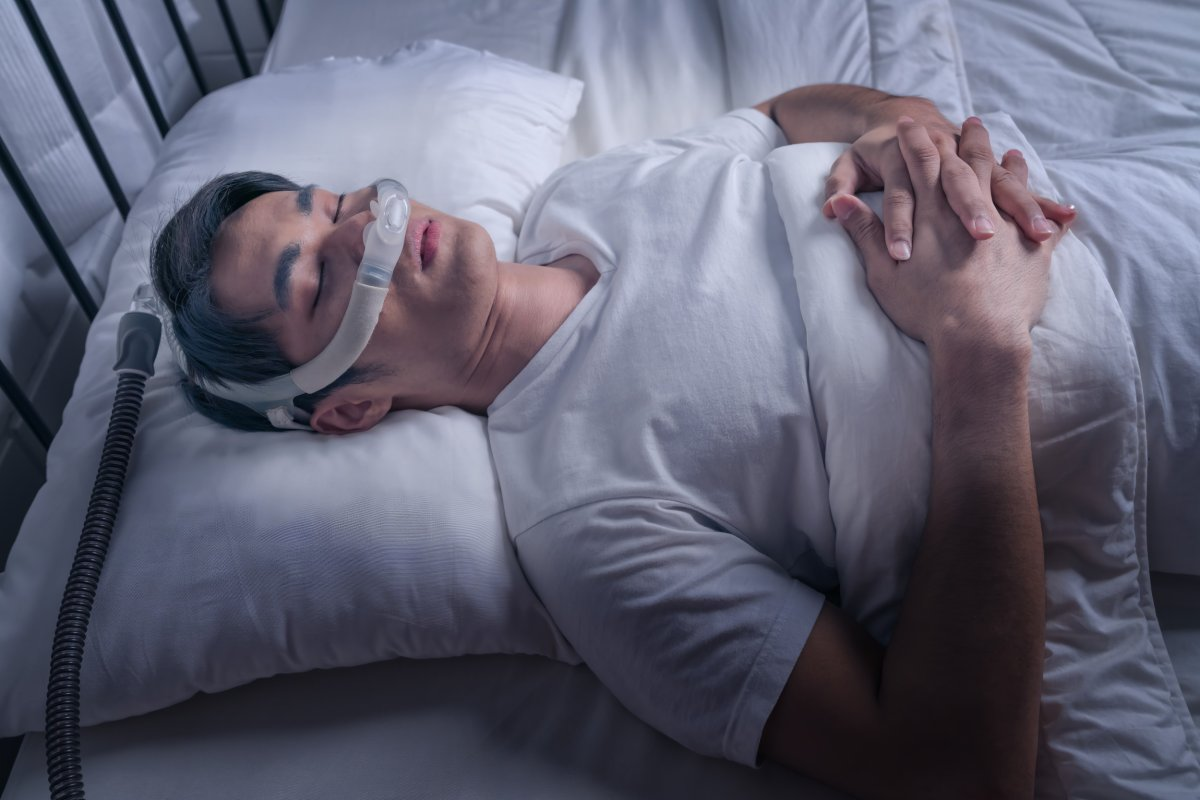
Central sleep apnea (CSA) is a sleep disorder where breathing stops during sleep. This happens because the brain and breathing muscles don’t talk to each other. It’s different from obstructive sleep apnea, which is caused by a blockage in the airway.Explaining theneurological causes of central sleep apnea, which involve the brain’s control over breathing during sleep.
CSA is common, affecting many people, mostly those over 40. In the U.S., about 0.9% of people in this age group have it. Knowing what causes it is important for treatment.
Key Takeaways
- Central sleep apnea is a disorder that affects breathing during sleep due to reduced ventilatory drive from the brain.
- It differs significantly from obstructive sleep apnea in its causes and mechanisms.
- CSA is particularlly prevalent among individuals over 40 years old.
- Understanding the neurological triggers is key to managing CSA.
- Effective treatment requires a complete approach tailored to the individual’s condition.
Understanding Central Sleep Apnea: The Basics

To understand central sleep apnea, we need to know its definition, how common it is, and what makes it different. Central sleep apnea (CSA) is a sleep disorder. It causes pauses in breathing during sleep because the brain doesn’t tell the breathing muscles to work.
Definition and Prevalence
CSA means there’s no airflow or very little airflow at the nose and mouth for at least 10 seconds during sleep in adults. It’s caused by the brain not sending signals to the breathing muscles. Studies show CSA affects many people, mostly older adults and those with heart problems.
The number of people with CSA is estimated to be between 0.9% and 4.5% in the general population. But, it might be more common in certain groups.
How Central Sleep Apnea Differs from Obstructive Sleep Apnea
It’s important to know the difference between CSA and obstructive sleep apnea (OSA). OSA happens when the airway is blocked. CSA occurs when the brain doesn’t send the right signals to the breathing muscles.
This difference means treatments for CSA and OSA are different. Knowing if someone has CSA, OSA, or both is key to finding the right treatment.
In summary, central sleep apnea is a complex condition. It needs a deep understanding of its definition, how common it is, and what makes it unique. By knowing how CSA is different from other sleep disorders like OSA, doctors can better diagnose and treat it. This helps improve patient care.
The Brain-Breathing Connection
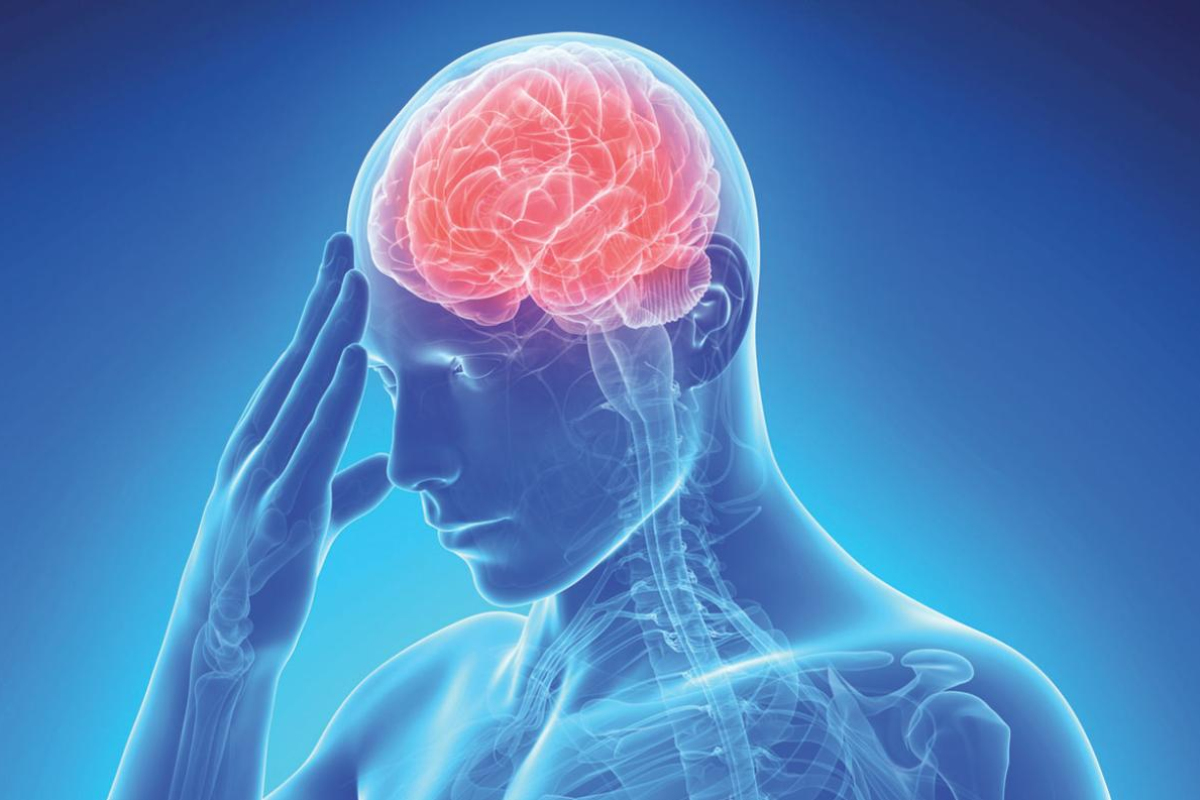
Breathing is not just automatic; it’s controlled by the brain, even when we sleep. The brain and breathing are closely linked for normal breathing. We’ll look at how this system works and how it can fail in central sleep apnea (CSA).
Normal Respiratory Control During Sleep
Our brain keeps breathing in check during sleep. It makes sure we get the right mix of oxygen and carbon dioxide. This balance is key for health, as problems can cause sleep disorders like CSA.
The Pre-Botzinger Complex and Its Function
The pre-Botzinger complex in the brainstem controls breathing rhythm. It’s the main generator of breathing patterns. In CSA, this complex can fail, causing irregular breathing.
The pre-Botzinger complex has respiratory control centers. These centers can get out of balance during sleep. This imbalance stops the signal to breathe.
Neural Pathways in Breathing Regulation
Neural pathways link the brain to breathing muscles. They send signals for breathing. In CSA, these pathways can get disrupted. This disrupts the breathing signal, causing pauses during sleep.
Understanding the brain-breathing link is key to treating CSA. Knowing the neurological causes helps doctors create better treatment plans. This improves patient care and outcomes.
Neurological Causes of Central Sleep Apnea
CSA happens when the brain can’t send the right signals to the breathing muscles. This shows we need to look into the neurological reasons behind it. It’s about how different parts of the brain work together to control breathing while we sleep.
Primary Brain Dysfunction
Primary brain dysfunction means the brain can’t control breathing right. This often involves problems with the brainstem, which manages breathing. Damage to the brainstem can mess up the signals to the diaphragm and other muscles, causing CSA.
- Brainstem injuries or lesions
- Congenital central hypoventilation syndrome
- Neurological disorders affecting the brainstem
Secondary Neurological Conditions
Secondary conditions can also cause CSA. These are disorders that affect the brain’s breathing control centers indirectly. They can mess with the pathways that control breathing.
- Heart failure, which can lead to Cheyne-Stokes respiration
- Stroke or cerebral vasculature disorders
- Neuromuscular diseases such as muscular dystrophy
Brain Lesions and Their Impact
Brain lesions can really mess with breathing control. They can be from injuries, infections, or tumors. Lesions in key areas like the brainstem can stop normal breathing, leading to CSA.
It’s key to know the specific reasons for CSA in each person. This helps doctors create the right treatment plan. By finding out what’s causing the problem, they can fix it more effectively.
Pathophysiologic Mechanisms Behind CSA
Understanding CSA is key to finding better treatments. CSA causes breathing pauses during sleep. This happens because the body doesn’t try hard enough to breathe, not because of airway blockages.
Ventilatory Instability
Ventilatory instability is a main cause of CSA. It means breathing patterns can be unstable, leading to pauses or shallow breaths. Several things can cause this, like high-altitude periodic breathing and Cheyne-Stokes respiration.
This instability is linked to how sensitive the body is to CO2 levels. When CO2 levels go down, the body tries to breathe more. But this can make CO2 levels drop even more, starting a cycle. This cycle is what causes the breathing patterns seen in CSA.
Depression of Brainstem Respiratory Centers
CSA also happens because of brainstem problems. The brainstem controls breathing. If it’s not working right, breathing can be affected. This can happen for many reasons, like neurological disorders or medications.
When the brainstem is depressed, the urge to breathe can be weaker. This leads to the breathing pauses seen in CSA. Knowing why this happens is important for finding new treatments.
Chemoreceptor Dysfunction
Chemoreceptor problems also play a big role in CSA. These receptors help control breathing by sensing CO2, O2, and pH levels in the blood. If they don’t work right, breathing can become unstable.
We’ll look into how these problems affect CSA and how to treat them.
Types of Central Sleep Apnea
The International Classification of Sleep Disorders, Third Edition (ICSD-3) breaks down Central Sleep Apnea (CSA) into several types. These types are based on clinical and sleep study features. Knowing these types is key for the right diagnosis and treatment.
Primary Central Sleep Apnea
Primary CSA happens when a person stops breathing during sleep without trying. It’s diagnosed after other causes are ruled out. This type doesn’t have an obvious medical reason.
Cheyne-Stokes Breathing Pattern
Cheyne-Stokes respiration is a CSA type linked to heart failure and serious health issues. It shows a cycle of deep breathing followed by pauses or shallow breaths.
Treatment-Emergent Central Sleep Apnea
Treatment-emergent CSA, or complex sleep apnea, appears during or after CPAP therapy. It’s seen in people treated for obstructive sleep apnea.
Hypoventilation-Related CSA
Hypoventilation-related CSA is linked to conditions like obesity hypoventilation syndrome or COPD. It’s marked by high CO2 levels during wakefulness and even more during sleep.
|
Type of CSA |
Characteristics |
Common Associations |
|---|---|---|
|
Primary CSA |
Lack of breathing effort, no identifiable underlying condition |
Idiopathic |
|
Cheyne-Stokes Breathing |
Cyclic pattern of hyperpnea and apnea/hypopnea |
Heart failure, neurological disorders |
|
Treatment-Emergent CSA |
Emerges during PAP therapy for OSA |
Previous OSA treatment |
|
Hypoventilation-Related CSA |
Elevated CO2 levels, hypoventilation |
Obesity hypoventilation syndrome, COPD |
Identifying the right type of CSA is vital for effective treatment. Each type has its own challenges and opportunities for management.
Risk Factors for Developing Central Sleep Apnea
Central Sleep Apnea can be caused by several risk factors. Knowing these factors helps us spot who’s at higher risk. This knowledge can help prevent the condition.
Age and Gender Considerations
Older adults are more likely to get Central Sleep Apnea. This is because their brain’s control centers change with age. Also, health issues that come with aging can affect breathing at night. Men are more likely to get CSA than women, showing a gender link.
Studies show CSA gets more common with age. This might be because the brainstem’s control over breathing weakens with age. The difference in CSA risk between men and women could be due to how their bodies respond to sleep and breathing.
Genetic Predispositions
Genetics can also play a part in getting Central Sleep Apnea. This is true if there’s a family history of sleep or neurological disorders. Certain genes might affect how the brain controls breathing, raising CSA risk.
People with a family history of sleep or neurological issues might be at higher risk. This means looking into family medical history and genetic screening is key to assessing risk.
Lifestyle Factors
Lifestyle choices and environment can also raise CSA risk. For example, living at high altitudes can make breathing harder at night. Some medicines, like those that slow down the brain, can also cause CSA.
Smoking and not being active can increase risk too. They can harm heart and lung health. Changing these habits can help manage and prevent CSA.
Medical Conditions Associated with CSA
Central Sleep Apnea (CSA) is often linked to various underlying medical conditions. These conditions can significantly impact an individual’s quality of life. We will explore how certain health issues contribute to the development and severity of CSA.
Heart Failure and Cardiovascular Disease
Heart failure is a significant risk factor for developing CSA. The condition can lead to fluid buildup in the lungs, causing breathing difficulties during sleep. Cardiovascular disease can also damage the brain’s respiratory control centers, further contributing to CSA.
- Fluid buildup in the lungs due to heart failure
- Damage to brain’s respiratory control centers from cardiovascular disease
- Increased risk of CSA in patients with cardiovascular disease
Neurological Disorders
Neurological disorders, such as stroke and multiple sclerosis, can affect the brain’s ability to regulate breathing during sleep. These conditions can damage the neural pathways responsible for controlling respiratory function, leading to CSA.
- Stroke can damage brain areas controlling breathing
- Multiple sclerosis can disrupt neural pathways
- Other neurological disorders can also contribute to CSA
Kidney Disease and Metabolic Disorders
Kidney disease and metabolic disorders, such as diabetes, can also be associated with CSA. These conditions can lead to fluid retention and electrolyte imbalances, which can affect breathing patterns during sleep.
By understanding the medical conditions associated with CSA, we can better manage and treat this sleep disorder. It’s essential to address the underlying health issues to improve the quality of life for individuals with CSA.
Medication and Substance-Induced Central Sleep Apnea
Medication-induced central sleep apnea is a growing concern. This is due to the increasing use of opioids and other substances that affect breathing. These substances can change our breathing patterns during sleep, causing central sleep apnea (CSA).
Opioid-Induced Sleep Apnea
Opioid use is a big risk for CSA. Opioids can depress the respiratory system, causing irregular breathing and pauses during sleep. This is worrying, given the opioid epidemic and more people on long-term therapy.
Other Medications Affecting Respiratory Drive
Other medications can also impact breathing and cause CSA. Benzodiazepines and certain antidepressants are examples. It’s important for healthcare providers to know these side effects when prescribing.
Substance Abuse and CSA
Substance abuse is another key factor in CSA. Illicit substances can deeply affect brain function, including breathing during sleep. Individuals with a history of substance abuse should be watched closely for sleep disorders like CSA.
In conclusion, the link between medications, substance abuse, and central sleep apnea is complex. It’s vital to understand these connections for diagnosing and treating CSA. Healthcare providers must watch for at-risk patients and create effective treatment plans.
Diagnosing Central Sleep Apnea
Diagnosing Central Sleep Apnea (CSA) involves both clinical checks and sleep studies. It’s key to get a correct diagnosis for the right treatment.
Polysomnography and Sleep Studies
Polysomnography (PSG) is the top method for finding CSA. This sleep study tracks brain waves, muscle activity, and heart rate while you sleep. It shows how often and what kind of apneic events happen, helping spot CSA.
Key parts of PSG include:
- Electroencephalography (EEG) to watch brain activity
- Electromyography (EMG) to check muscle tone
- Electrooculography (EOG) to follow eye movements
- Nasal airflow monitoring to see breathing patterns
Differentiating Between Apnea Types
Telling Central Sleep Apnea from Obstructive Sleep Apnea (OSA) is important. OSA blocks the airway, but CSA is due to a lack of breathing signals from the brain.
Tests and sleep studies help tell them apart:
- PSG shows no breathing effort in CSA
- Looking at your medical history and physical check can show CSA risk factors like heart issues or brain problems
Additional Diagnostic Tests
More tests might be used to find why CSA is happening. These include:
- Arterial blood gas analysis to check gas exchange
- Thyroid function tests to check for hypothyroidism
- Echocardiography to check heart function in those with heart failure
Using these tests together, doctors can accurately find CSA and plan the right treatment.
Treatment Approaches for Central Sleep Apnea
Managing central sleep apnea (CSA) needs a detailed plan. It must tackle the root causes and use different treatments. CSA is a complex issue that often needs a mix of treatments.
Addressing Underlying Causes
The first step is to find and fix any health problems that cause CSA. This might mean managing heart failure or treating opioid addiction. Fixing these issues can greatly reduce CSA symptoms.
Positive Airway Pressure Therapies
Positive airway pressure (PAP) therapy is a common treatment for sleep apnea, including CSA. While CPAP is often used for obstructive sleep apnea, it can also help with CSA. Bi-level positive airway pressure (BiPAP) therapy, which changes pressure for breathing in and out, might also help some patients with CSA.
Adaptive Servo-Ventilation
Adaptive servo-ventilation (ASV) is a special PAP therapy for CSA. It watches how you breathe and adjusts the pressure to keep breathing steady. This is very helpful for those with CSA who have trouble breathing evenly at night.
Supplemental Oxygen and Medication Options
Supplemental oxygen therapy might be used for CSA, if oxygen levels are low at night. Some medications can also help, like those that stimulate breathing or treat underlying conditions. We tailor treatment plans to fit each patient’s needs, which might include these options.
By taking a detailed and personalized approach, we can help people with CSA sleep better. This improves their health and quality of life.
Living with Central Sleep Apnea
Living with central sleep apnea can be tough, but there are ways to make life better. This condition affects sleep and health. To manage it well, you need to make lifestyle changes, adjust your sleep space, and watch your symptoms closely.
Lifestyle Modifications
Changing your lifestyle can help a lot with CSA. Avoid sedatives and substances that can slow down breathing is key. Also, staying at a healthy weight and being active can help with symptoms.
- Avoid alcohol and sedatives before bedtime
- Engage in regular exercise to improve cardiovascular health
- Maintain a healthy weight to reduce pressure on the body
Sleep Position and Environment
Your sleep setup and position matter a lot for CSA. Sleeping on your side instead of your back can cut down on apnea. Also, a cool, dark, quiet bedroom can make sleep better.
- Using a comfortable mattress and pillows
- Avoid screens before bedtime
- Establish a regular sleep schedule
Monitoring and Managing Symptoms
Keeping an eye on CSA symptoms is important. Use devices to track sleep and apnea. Also, work with your doctor to change treatments as needed.
Some things to watch include:
- How often apnea happens
- How well you sleep and for how long
- Daytime tiredness and trouble focusing
By following these tips and working with doctors, people with CSA can live more comfortably and healthily.
Conclusion
Central sleep apnea is a complex condition that needs a deep understanding of its causes and treatments. We’ve looked into how the brain affects breathing and the mechanisms behind CSA. We’ve also covered the different types of CSA.
Knowing what causes CSA is key to finding good treatments. We talked about the importance of treating the root causes. We also discussed using positive airway pressure and making lifestyle changes to manage CSA.
A good treatment plan can greatly improve life for those with CSA. We stress the need for a team effort to diagnose and treat CSA. This includes using the latest research and medical advancements.
By grasping the complexities of CSA and its treatments, we can offer better care and support. This is for those who are dealing with this condition.
FAQ
What is central sleep apnea?
Central sleep apnea (CSA) is a sleep disorder. It causes pauses in breathing during sleep. This happens because the brain doesn’t send the right signals to breathe.
How does central sleep apnea differ from obstructive sleep apnea?
CSA is different from obstructive sleep apnea. CSA is caused by brain problems, not a blockage in the airway. Obstructive sleep apnea is caused by a blockage.
What are the neurological causes of central sleep apnea?
CSA can be caused by brain problems. This includes primary brain dysfunction and secondary conditions. Brain lesions can also disrupt breathing control.
What is the role of the pre-Botzinger complex in breathing regulation?
The pre-Botzinger complex is important for breathing. It’s in the brainstem and helps control breathing during sleep. It’s often affected in CSA.
How is central sleep apnea diagnosed?
CSA is diagnosed with a sleep study. This study records sleep activities, like breathing. It looks for pauses in breathing to diagnose CSA.
What are the treatment options for central sleep apnea?
Treatments for CSA vary. They include addressing the cause, positive airway pressure, and adaptive servo-ventilation. Oxygen and medication may also be used.
Can lifestyle modifications help manage central sleep apnea?
Yes, lifestyle changes can help. Staying healthy, avoiding sedatives and alcohol, and sleeping on your side can manage CSA symptoms.
What is the relationship between heart failure and central sleep apnea?
Heart failure often causes CSA. The heart’s reduced output can make breathing unstable, leading to CSA.
Can medications induce central sleep apnea?
Yes, some medications, like opioids, can cause CSA. They depress the brain’s respiratory centers, reducing the urge to breathe.
How can adaptive servo-ventilation help in treating central sleep apnea?
Adaptive servo-ventilation helps by providing pressure support. It stabilizes breathing patterns in CSA patients.
What is Cheyne-Stokes breathing pattern?
Cheyne-Stokes breathing is a type of CSA. It has a cyclical pattern of breathing. It’s often seen in heart failure or neurological disorders.
Are there any genetic predispositions to central sleep apnea?
There’s no single “CSA gene.” But, genetics can play a role. This is more common in families with neurological disorders or sleep conditions.
References
National Center for Biotechnology Information. Evidence-Based Medical Guidance. Retrieved from https://www.ncbi.nlm.nih.gov/books/NBK578199/