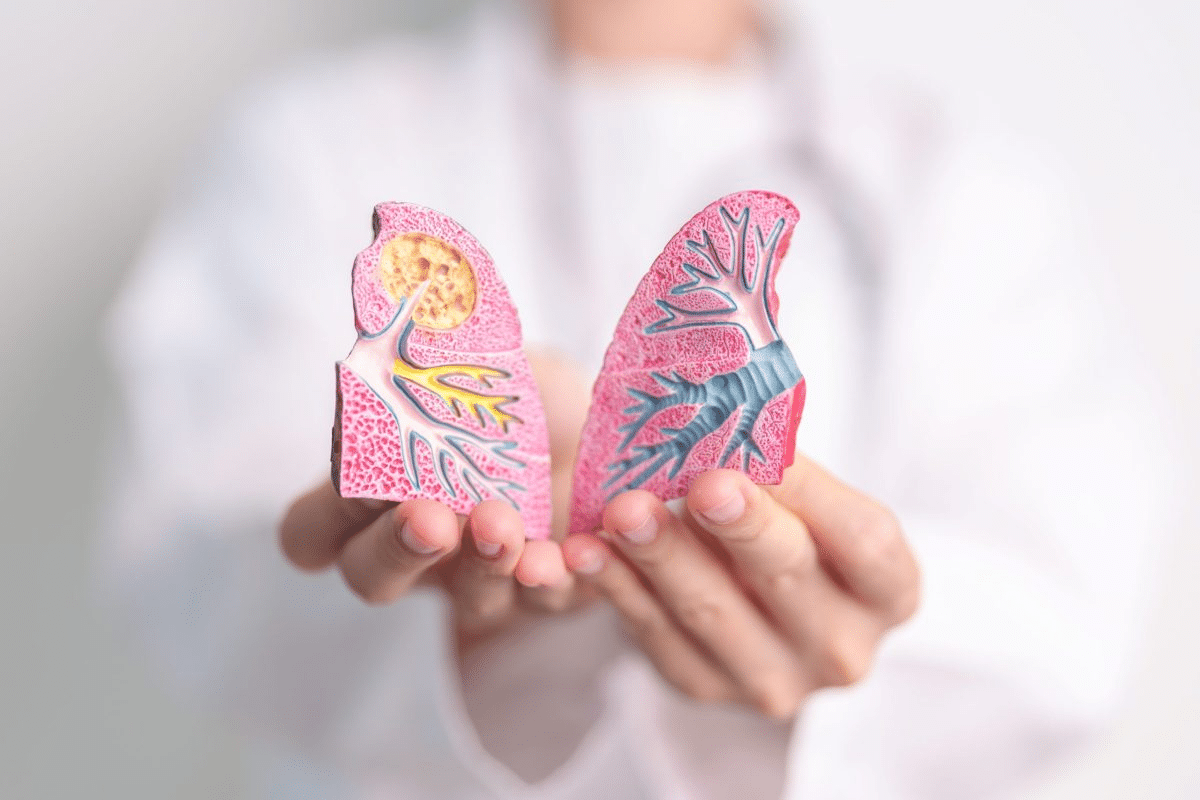
Having Chronic Obstructive Pulmonary Disease (COPD) and pneumonia can be very dangerous. People with COPD are 18 times more likely to get pneumonia. This greatly increases their risk of dying. Explaining what happens when you have copd and pneumonia, focusing on severe oxygen drop and the need for immediate treatment.
When you have both COPD and pneumonia, it’s a serious mix. It makes it hard for your body to get enough oxygen. This mix leads to much higher death rates in the hospital and even a month later than those with just COPD.
Key Takeaways
- COPD patients are 18 times more likely to develop pneumonia.
- The combination of COPD and pneumonia significantly increases mortality rates.
- COPD patients with pneumonia have higher in-hospital and one-month mortality rates.
- Understanding the risks is key for patients and their families.
- Quick medical help is vital for COPD patients with pneumonia.
Understanding COPD and Pneumonia as Individual Conditions
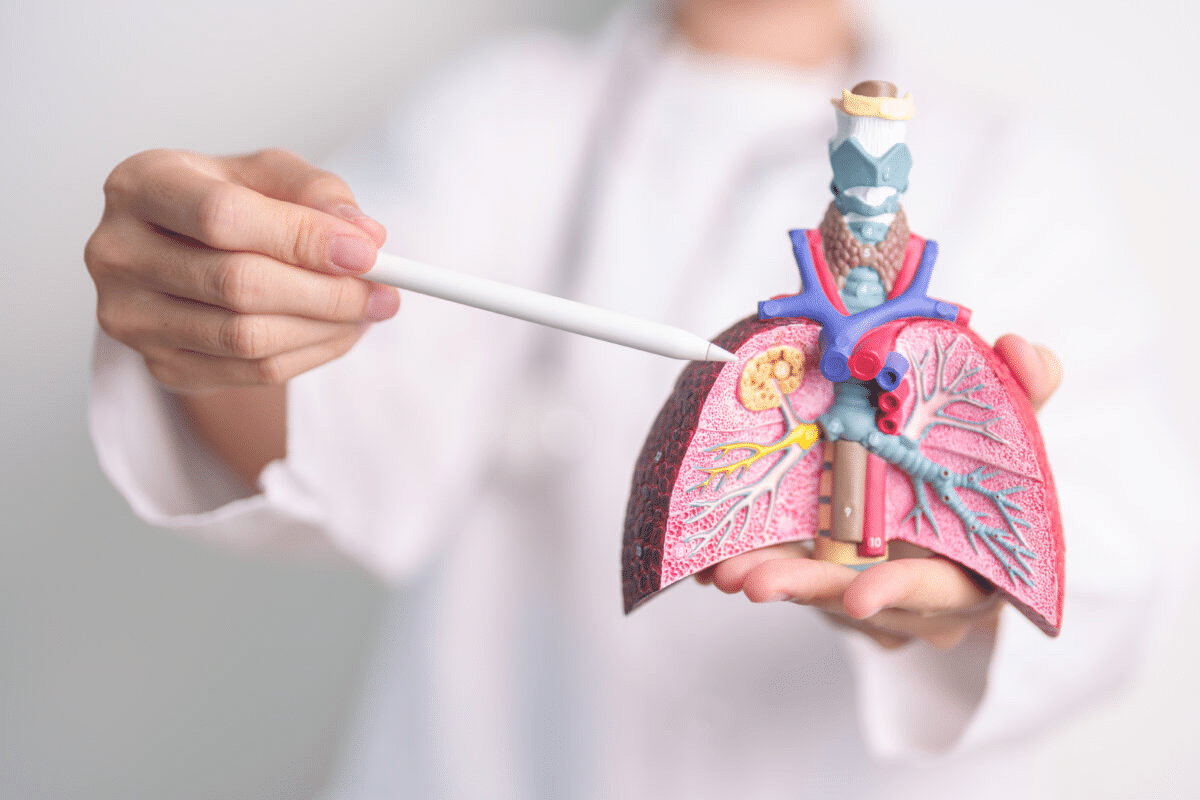
It’s important to know the basics of COPD and pneumonia. This helps us understand how they work together. Let’s look at what each condition is and how it affects the lungs.
What is COPD?
Chronic Obstructive Pulmonary Disease (COPD) is a lung disease that gets worse over time. It makes it hard to breathe because the airways narrow. This disease is a big cause of disability and is the fourth leading cause of death in the U.S., affecting over 14 million adults.
COPD includes two main types: emphysema and chronic bronchitis. Emphysema damages the air sacs in the lungs. Chronic bronchitis causes inflammation and tight airways. People with COPD are 18 times more likely to get pneumonia than those without it.
What is Pneumonia?
Pneumonia is an infection that inflames the air sacs in the lungs. It can be caused by bacteria, viruses, or fungi. Symptoms include cough, fever, chills, and trouble breathing. Pneumonia can be mild or very serious, affecting older adults and those with weak immune systems the most.
|
Condition |
COPD |
Pneumonia |
|---|---|---|
|
Nature |
Progressive, irreversible lung disease |
Infection causing inflammation |
|
Primary Symptoms |
Shortness of breath, wheezing, chronic cough |
Cough, fever, chills, difficulty breathing |
|
Complications |
Increased risk of pneumonia, heart disease |
Respiratory failure, sepsis |
The Dangerous Connection: What Happens When You Have COPD and Pneumonia
[Add image here]
COPD and pneumonia together make a serious health issue. They can make each other worse, leading to severe health problems. We’ll look at how this affects breathing and life quality.
The Synergistic Effect on Respiratory Function
Having both COPD and pneumonia affects breathing more than either alone. COPD already limits lung function and causes inflammation. Pneumonia adds more inflammation, which can lead to serious breathing failure.
This mix makes breathing harder, increases coughing, and sputum production. It can also cause not enough oxygen in the blood, harming other organs.
Impact on Quality of Life
COPD and pneumonia together hurt a person’s life quality a lot. Symptoms get worse, making simple tasks hard. People feel more tired, can’t exercise as much, and might stay home more.
The table below shows how it affects life:
|
Aspect of Life |
Impact |
|---|---|
|
Physical Activity |
Reduced tolerance, increased fatigue |
|
Social Interactions |
Increased isolation, reduced participation |
|
Mental Health |
Increased anxiety, depression |
A study found that having pneumonia with COPD makes things worse. It says managing these patients needs a detailed plan to improve their life quality.
Increased Risk Factors: Why COPD Patients Are More Susceptible to Pneumonia
To understand why COPD patients face a higher risk of pneumonia, we need to look at both the numbers and the body’s health. People with COPD are not just more likely to get pneumonia. They also face more severe outcomes.
Statistical Evidence of Increased Risk
Studies show that COPD patients are at a higher risk for pneumonia. For example, they are 18 times more likely to get pneumonia than the average person. Elderly patients with COPD are 7.7 times more likely to get pneumococcal pneumonia than healthy seniors. These numbers stress the importance of being careful and taking preventive steps for COPD patients.
Physiological Reasons for Vulnerability
COPD patients are more vulnerable to pneumonia for several reasons. First, COPD damages the lungs, making them more open to infections. The airways in COPD patients are often narrow and blocked, which helps bacteria grow. Also, the chronic inflammation in COPD weakens the lungs’ defense, making infections like pneumonia easier to catch.
By knowing the numbers and understanding the body’s health issues, doctors can better handle the risks of COPD and pneumonia. This helps improve the health outcomes for patients.
What Happens When You Have COPD and Pneumonia: Pathophysiology
Pneumonia in COPD patients leads to a series of changes that affect breathing. The lungs, already damaged, face an even bigger challenge. This creates a complex situation for doctors to handle.
Alveolar Consolidation in Already Compromised Lungs
COPD patients have lungs that are already damaged. Pneumonia makes things worse by filling airspaces with fluid. This makes it harder for the lungs to take in oxygen, leading to more hypoxemia.
Table: Effects of Alveolar Consolidation on Lung Function
|
Lung Function Parameter |
COPD Alone |
COPD with Pneumonia |
|---|---|---|
|
Oxygen Saturation |
Reduced |
Significantly Reduced |
|
Gas Exchange |
Impaired |
Severely Impaired |
Cascade of Inflammatory Responses
Pneumonia in COPD patients starts a chain of inflammation. The body fights the infection, releasing substances that can harm the lungs. This can make breathing even harder.
The mix of COPD and pneumonia makes things worse for patients. Knowing how these conditions work together is key to finding better treatments.
Recognizing Symptoms When Both Conditions Coexist
When COPD and pneumonia happen together, it’s hard to spot the symptoms. Knowing these symptoms is key for quick medical help. We’ll look at how to tell COPD and pneumonia symptoms apart.
Distinguishing New Pneumonia Symptoms from Baseline COPD
COPD patients often have chronic symptoms like shortness of breath and coughing. These can get worse with pneumonia. It’s important to tell the difference between COPD symptoms and new ones from pneumonia.
We watch for changes in symptoms. For example, a change in sputum color or consistency might mean a new infection.
Look out for signs like more trouble breathing, fever, or chest pain. These could mean pneumonia. Keeping a symptom diary helps track these changes and helps doctors.
Warning Signs That Require Immediate Medical Attention
Some symptoms need quick medical help. Severe trouble breathing, confusion, or a big jump in breathing rate are signs to watch for. Also, chest pain or a high fever mean you should see a doctor right away.
It’s also important to remember that some people, like the elderly or those with severe COPD, might not show typical symptoms. Being careful and watching closely is key to catching pneumonia early in these groups.
Diagnosis Challenges and Approaches
Getting a correct diagnosis is key when COPD and pneumonia happen together. It’s tough to tell them apart because their symptoms can be similar. To solve this, we use many tests and methods to find pneumonia in COPD patients.
Diagnostic Tests and Procedures
To spot pneumonia in COPD patients, doctors use chest X-rays, blood tests, and sputum analysis. These tools help figure out if pneumonia is there and how bad it is. Sometimes, imaging studies like CT scans are needed to see how much of the lung is affected.
Differentiating Between COPD Exacerbation and Pneumonia
Telling COPD exacerbation apart from pneumonia is very important. Both can make breathing harder and cause coughing. But, pneumonia often brings fever and consolidation on imaging too. Doctors must look at symptoms and test results carefully to make the right call.
Treatment Strategies for Concurrent COPD and Pneumonia
Managing COPD and pneumonia together needs a special plan. It’s important to understand how these two conditions work together. This way, we can give the best care possible.
Medication Considerations and Possible Interactions
For treating both COPD and pneumonia, we use a mix of medicines. Bronchodilators and corticosteroids help with COPD. Antibiotics are key for fighting pneumonia. But, using these medicines together can cause problems.
Some antibiotics might not work well with corticosteroids. This could make the treatment less effective or increase side effects. So, it’s important to think about how medicines might interact with each other.
“The choice of antibiotics should be guided by local epidemiology and susceptibility patterns, and should be adjusted based on clinical response and microbiological data.”
Hospitalization and Intensive Care Needs
How severe COPD and pneumonia are can decide if someone needs to be in the hospital. Hospital care is important for watching over patients closely. It includes things like oxygen therapy and mechanical ventilation if needed.
People with very bad cases might need to go to the ICU. The ICU is for those who need extra help, like breathing machines and medicines to keep their blood pressure stable. Deciding if someone needs ICU care depends on how bad their breathing problems are and other health issues.
Getting help quickly and the right kind of care is very important. It can really help patients with both COPD and pneumonia. Good treatment plans can make a big difference in their lives.
Recovery and Rehabilitation After COPD-Pneumonia Episode
Understanding the recovery process is key for those who’ve had a COPD-pneumonia episode. It affects their quality of life. The journey to recovery is not just about treating immediate health issues. It’s also about improving lung function and overall well-being in the long run.
Timeline for Recovery
The recovery time from a COPD-pneumonia episode varies. It depends on the severity of the conditions, the patient’s health, and the treatment plan. Generally, it takes several weeks to months to recover.
It’s important for patients to work closely with their healthcare providers. They should monitor progress and adjust treatment plans as needed. A study in the American Journal of Respiratory and Critical Care Medicine shows that recovery can be influenced by lung function and comorbidities.
|
Recovery Stage |
Timeline |
Key Focus Areas |
|---|---|---|
|
Initial Recovery |
0-4 weeks |
Medical treatment, symptom management |
|
Intermediate Recovery |
4-12 weeks |
Pulmonary rehabilitation, lifestyle adjustments |
|
Long-term Recovery |
3-6 months |
Maintenance of lung function, prevention of future exacerbations |
Pulmonary Rehabilitation Programs
Pulmonary rehabilitation programs are vital for COPD patients who’ve had pneumonia. These programs help patients regain lung function and improve their quality of life.
The American Thoracic Society says, “Pulmonary rehabilitation is a complete program. It includes exercise, education, and behavior changes to improve the health of those with chronic respiratory disease.”
“Pulmonary rehabilitation is a critical component of care for patients with COPD, specially after an exacerbation or pneumonia episode.”
Key parts of pulmonary rehabilitation include:
- Exercise training to improve muscle strength and endurance
- Education on managing COPD and pneumonia, including medication adherence and symptom recognition
- Nutritional counseling to support optimal health
- Psychological support to address anxiety and depression
By adding pulmonary rehabilitation to their recovery plan, patients can greatly improve their outcomes. They can also reduce the risk of future hospitalizations.
Conclusion: Managing the Dual Challenge of COPD and Pneumonia
Managing COPD and pneumonia needs a detailed plan. This plan must tackle both conditions at once. A team effort is key to better patient results.
Good care for these conditions includes medicine, lifestyle changes, and rehab. We must look at the patient’s whole health. This way, we can handle the double challenge better.
Healthcare experts can create specific treatment plans. They consider how COPD and pneumonia affect breathing and life quality. This includes the right medicines and when to go to the hospital.
Getting better and rehabbing after a COPD-pneumonia episode is very important. Pulmonary rehab helps patients get stronger and feel better overall.
In the end, beating the double challenge of COPD and pneumonia takes teamwork. Healthcare teams, patients, and caregivers must work together. With a complete care plan, we can make patients’ lives better.
FAQ
What is the relationship between COPD and pneumonia?
People with COPD are more likely to get pneumonia because their lungs don’t work well. Pneumonia can make COPD symptoms worse, leading to serious health problems.
How does having COPD increase the risk of developing pneumonia?
COPD damages the lungs, making them more open to infections like pneumonia. The inflammation and breathing problems in COPD help pneumonia grow.
What are the symptoms of pneumonia in COPD patients?
COPD patients with pneumonia may have symptoms like harder breathing, coughing, and sputum. They might also feel feverish, have chills, and chest pain.
How is pneumonia diagnosed in patients with COPD?
Doctors use a few ways to find pneumonia in COPD patients. They look at symptoms, take chest X-rays, and do blood and sputum tests.
What are the treatment options for COPD patients with pneumonia?
Treatment includes antibiotics, medicines to open airways, and steroids. Sometimes, patients need to stay in the hospital. They might also need oxygen to help breathe.
Can pneumonia cause long-term damage to the lungs in COPD patients?
Yes, pneumonia can hurt COPD patients’ lungs more, leading to long-term damage. This makes future breathing problems more likely.
How can COPD patients reduce their risk of developing pneumonia?
COPD patients can lower their risk by getting vaccinated against pneumococcal disease and flu. They should also keep clean and follow their treatment plans.
What is the role of pulmonary rehabilitation in recovering from a COPD-pneumonia episode?
Pulmonary rehab helps COPD patients get their lungs working better. It improves health and lowers the chance of future breathing problems after pneumonia.
Are COPD patients with pneumonia at a higher risk of acute respiratory failure?
Yes, COPD patients with pneumonia are more likely to face acute respiratory failure. This is because both conditions harm lung function a lot.
How does COPD with pneumonia affect the quality of life?
COPD and pneumonia together can really hurt a patient’s life quality. They cause more symptoms, make it hard to move, and lead to emotional pain.
Can emphysema increase the risk of pneumonia?
Yes, emphysema, a type of COPD, makes lungs more likely to get infected. This is because it damages the lungs and makes them weak.
What is the impact of pneumonia on elderly COPD patients?
Older COPD patients face a higher risk of severe pneumococcal pneumonia. This can be very dangerous and even life-threatening for them.
How does fluid in the lungs relate to COPD and pneumonia?
Fluid in the lungs is a problem for both COPD and pneumonia. It makes breathing harder and raises the risk of serious breathing failure.
References
National Center for Biotechnology Information. Evidence-Based Medical Guidance. Retrieved from https://pmc.ncbi.nlm.nih.gov/articles/PMC10278704/