If you’re scratching through the night, you’re not alone. Millions of individuals worldwide suffer from chronic hives, with symptoms often intensifying when the sun sets. Explaining the common chronic hives triggers that cause nighttime worsening, such as temperature change and cortisol levels.
Chronic urticaria, medically termed as hives lasting more than six weeks, is characterized by the sudden onset of itchy wheals and angioedema, mainly caused by mast cells. Understanding why chronic hives symptoms worsen at night is the first step toward reclaiming restful sleep and improving your quality of life.
At Liv Hospital, we combine trustworthy medical expertise with innovative solutions to address the root causes of chronic urticaria and provide personalized care.
Key Takeaways
- Chronic hives affect millions worldwide, worsening at night.
- Understanding chronic urticaria triggers is key for management.
- Liv Hospital offers patient-centered care for chronic urticaria.
- Restful sleep is vital for improving quality of life.
- Personalized care addresses the root causes of chronic urticaria.
What Are Chronic Hives? Definition and Duration
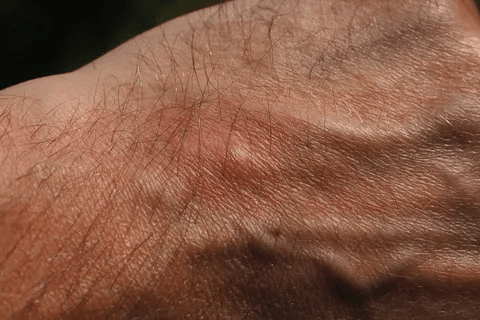
Chronic urticaria is a condition that shows up as itchy hives for more than six weeks. This is key to telling it apart from acute urticaria, which doesn’t last as long. We’ll explore chronic hives in detail, including their definition, typical length, and how they’re different from acute ones.
Clinical Definition of Chronic Urticaria
Chronic urticaria, or chronic hives, is clinically defined as itchy hives on most days for over six weeks. It can really affect someone’s life, causing discomfort and stress. The hives can change in size, shape, and color, and they often pop up without warning.
Typical Duration and Persistence Patterns
The time chronic urticaria lasts can vary a lot. Some people might have symptoms for months, while others face hives for years. Studies show about 30 to 40 percent of cases are linked to autoimmune conditions, where the body attacks itself.
Distinguishing Acute vs. Chronic Hives
It’s important to know the difference between acute and chronic hives for the right treatment. Acute urticaria lasts less than six weeks, usually from allergies to food, meds, or infections. Chronic urticaria, on the other hand, goes on for more than six weeks, with causes that can be complex, like autoimmune disorders or thyroid problems.
By understanding chronic hives and how they differ from acute ones, we can improve how we manage and treat them. This helps those affected live better lives.
The Science Behind Chronic Urticaria

Chronic urticaria is caused by problems with how our immune system works. It involves the release of histamine from mast cells. This mix of factors makes it hard to treat.
Mast Cells and Histamine Release
Mast cells are key in chronic urticaria. When they’re turned on, they release histamine. This chemical makes blood vessels expand, causing hives and itching.
Histamine release is a key event in the pathophysiology of chronic urticaria, resulting in the formation of wheals and itching sensations.
Immune System Involvement
The immune system plays a big role in chronic urticaria. It can start mast cells to release histamine. Sometimes, the body makes antibodies against its own cells, leading to urticaria.
The Mystery of Idiopathic Cases
Even with research, we don’t know what causes chronic urticaria in 90 percent of cases. It’s called idiopathic urticaria. Scientists are working hard to find out more.
Learning about chronic urticaria helps us find better treatments. By studying mast cells, histamine, and the immune system, we can improve care for those affected.
Types and Classifications of Chronic Hives
It’s important to know the different types of chronic hives to manage them well. Chronic urticaria is a complex condition. It can be categorized by its causes, how long it lasts, and how it responds to treatment.
Chronic hives can be divided into several types. These include idiopathic, autoimmune, and physical urticarias. Each type has its own characteristics and causes.
Idiopathic Chronic Urticaria (90% of Cases)
Most cases of chronic urticaria are idiopathic. This means we don’t know the exact cause. Despite lots of research, finding the triggers is hard.
People with idiopathic chronic urticaria often get hives without knowing why. Common things like certain foods, medicines, and the environment can make symptoms worse. But we don’t fully understand why.
Autoimmune Chronic Urticaria (30-40% of Cases)
A big part of chronic urticaria is autoimmune. In autoimmune chronic urticaria, the body attacks itself. This leads to histamine and other chemicals being released.
In this type, autoantibodies against the high-affinity IgE receptor or IgE itself are found. This autoimmune reaction makes symptoms last longer and be more severe.
Physical Urticarias and Their Subtypes
Physical urticarias are a special kind of chronic hives. They are caused by physical stimuli. Subtypes include dermographic urticaria, cold urticaria, and cholinergic urticaria, among others.
Each subtype has its own trigger. For example, pressure, temperature changes, or increased body temperature can cause them. Knowing these triggers helps manage symptoms and improve life quality.
Identifying Common Chronic Hives Triggers
Managing chronic hives starts with knowing common triggers. Many things can cause chronic hives. It’s key to understand these triggers to manage the condition well.
Food-Related Triggers: Seafood, Nuts, and Eggs
Some foods can make chronic hives worse. Seafood, nuts, and eggs are common culprits. They can release histamine, which is part of an allergic reaction.
For some, eating certain foods can lead to hives. Keeping a food diary can help find out which foods might be the problem.
Medication-Induced Hives: NSAIDs and Antibiotics
Some medicines can cause hives in people. NSAIDs and antibiotics are common culprits. These can cause an allergic reaction or intolerance, showing up as hives.
Telling your doctor about any medicines you’re taking is important. Also, report any bad reactions you’ve had.
Environmental and Physical Factors
Environmental and physical factors can also trigger chronic hives. Things like extreme temperatures, sunlight, or skin pressure can be triggers.
|
Environmental Factor |
Potential Effect |
|---|---|
|
Extreme Cold |
Can trigger or worsen hives in some individuals |
|
Sunlight |
May cause solar urticaria, a condition leading to hives upon sun exposure |
|
Physical Pressure |
Can lead to dermatographism, a condition where pressure on the skin results in hives |
Stress as a Trigger Mechanism
Stress is a known trigger for chronic hives. The exact reason is not clear, but stress might affect the immune system. This could lead to hives or make them worse.
Reducing stress can help with chronic hives. Techniques like meditation, yoga, or deep breathing can be helpful.
The Circadian Connection: Why Hives Get Worse at Night
Nighttime can be tough for people with chronic hives. Symptoms often get worse because of the body’s natural rhythms. Let’s dive into why hives symptoms often peak at night.
Nighttime Decrease in Anti-Inflammatory Compounds
The body’s anti-inflammatory efforts slow down at night. This can make hives symptoms worse. Our natural anti-itch chemicals are at their lowest at night, making it harder to fight itch and inflammation.
Studies show that some anti-inflammatory compounds drop at night. This drop can cause more inflammation and itching, typical of hives.
Circadian Rhythm Effects on Mast Cell Activity
The circadian clock controls mast cell functions in allergic reactions. Mast cells are key in hives, releasing histamine and other substances that cause itching and swelling.
Research finds that the circadian rhythm affects mast cell activity. This can lead to more histamine release at night. This increase can make hives symptoms worse at night.
Cortisol Levels and Nighttime Inflammation
Cortisol, a hormone from the adrenal gland, fights inflammation. Its levels follow a circadian pattern, peaking in the morning and dropping at night. Lower cortisol at night means less anti-inflammatory control, leading to more inflammation.
|
Time of Day |
Cortisol Levels |
Inflammation Level |
|---|---|---|
|
Morning |
High |
Low |
|
Night |
Low |
High |
Understanding the circadian connection to hives helps manage nighttime symptoms. Knowing how natural rhythms affect hives can help individuals prepare and reduce symptoms.
Physiological Factors Exacerbating Nighttime Symptoms
It’s important to know what makes nighttime symptoms worse for people with chronic hives. Many changes in the body during sleep make symptoms worse. This is key to managing chronic hives well.
Elevated Skin Temperature During Sleep
One big factor is how skin temperature goes up at night. Studies show that higher skin temperature makes itching worse. Elevated skin temperature can also make nerve endings more active, leading to more itchiness.
Blood Flow Changes and Skin Reactivity
Changes in blood flow at night also matter a lot. When we sleep, blood flow changes, making skin more reactive. This makes skin more likely to have hive flare-ups. Blood flow changes can really affect how bad symptoms are at night.
|
Physiological Change |
Effect on Chronic Hives |
|---|---|
|
Elevated Skin Temperature |
Increased itching sensations |
|
Blood Flow Changes |
Heightened skin reactivity |
|
Histamine Release Patterns |
Variable, potentially increased at night |
Histamine Release Patterns Throughout the Day
Histamine levels change throughout the day, affecting symptoms. Studies show histamine levels can go up at night, making symptoms worse. Knowing these patterns helps in finding better ways to manage symptoms.
By understanding and tackling these factors, we can improve life for those with chronic hives.
Bedroom Environment and Nighttime Hive Flares
The bedroom is a place of rest for many, but it can also harbor allergens that make hives worse at night. Things like dust mites, the materials in your bedding, and changes in temperature can make hives more severe.
Dust Mites and Bedding Allergens
Dust mites live in bedding, carpets, and furniture. They love warm, humid places and eat human skin cells. For those with chronic hives, dust mites can make symptoms worse.
Bedding allergens, including dust mite waste, can become airborne at night. This can lead to more histamine release and hive flare-ups.
To fight dust mites and other allergens, use allergen-proof bedding covers. Wash bedding in hot water weekly and dry it on high heat. Vacuuming with a HEPA-filter vacuum can also help.
Optimal Bedroom Conditions for Hives Sufferers
Keeping the bedroom cool can help with hives at night. Aim for a temperature between 60°F and 67°F (15.5°C and 19.4°C). This can reduce skin irritation and histamine release.
Humidity should be between 30% and 50% to stop dust mites from growing. Good ventilation is key to remove allergens and airborne irritants. An air purifier with a HEPA filter can improve air quality.
Bedding Materials and Their Impact
The type of bedding can affect people with chronic hives. Synthetic materials might irritate the skin, while natural fibers like cotton or bamboo are often better. Always wash new bedding before using it to remove any irritants.
Choose breathable, natural fibers for bedding. Avoid materials that are too heavy or tight. Washing and drying bedding on high heat can also help reduce allergens and irritants.
The Relationship Between Chronic Hives and Blood Pressure
It’s important to understand how chronic hives and blood pressure are connected. Chronic urticaria, or recurring hives, can really affect a person’s life. Research shows there might be a link between chronic urticaria and heart problems, like high blood pressure.
Can Hives Cause High Blood Pressure?
The exact cause of chronic urticaria is not known, but inflammation is thought to play a big part. This inflammation can lead to heart problems, including high blood pressure. Some studies say that the inflammation from chronic urticaria might make high blood pressure worse.
High Blood Pressure as a Trigger for Hives
There’s evidence that high blood pressure can make hives worse. The stress and changes in blood vessels from high blood pressure might trigger hives in some people.
Managing Both Conditions Simultaneously
Dealing with chronic hives and high blood pressure needs a full plan. This includes:
- Keeping blood pressure in check with lifestyle changes and medicine
- Treating chronic urticaria with antihistamines or other treatments
- Staying away from things that make hives worse
- Living a healthy life, including eating right and exercising
|
Management Strategy |
Chronic Hives |
High Blood Pressure |
|---|---|---|
|
Medication |
Antihistamines, corticosteroids |
ACE inhibitors, beta-blockers |
|
Lifestyle Changes |
Avoiding triggers, stress management |
Dietary changes, regular exercise |
|
Monitoring |
Tracking hive outbreaks |
Regular blood pressure checks |
Managing chronic hives and high blood pressure needs a team effort. By tackling both conditions together, patients can see better health results. Understanding their connection and using the right strategies can help a lot.
Does Chronic Urticaria Ever Go Away? Prognosis and Timeline
People with chronic urticaria often wonder if it will go away. This condition can last for months or even years. Knowing how long it might last is key for managing treatment.
Studies show that how long chronic urticaria lasts varies a lot. Some people get better quickly, while others face it for a long time. It’s important to have a treatment plan that fits each person’s needs.
Typical Duration of Chronic Hives Cases
Research says chronic urticaria can last from a few months to several years. Some people might get better within a year, but many don’t. It’s a condition that can stick around.
- About half of patients get better within 1-5 years.
- Some studies say about 50% of patients get better within a year.
- But, it can come back, so keeping an eye on it is important.
Factors Affecting Remission Rates
Several things can affect how likely it is for chronic urticaria to go away. These include:
- The cause of the condition, with autoimmune cases possibly being different.
- How well the treatment works.
- Things about the patient, like their health and other conditions.
Knowing these factors helps doctors create better treatment plans.
Long-term Outlook for Patients
The future for people with chronic urticaria is different for everyone. Some might get completely better, while others will have to manage it for a long time.
“The goal of treatment is not only to alleviate symptoms but also to improve the quality of life for patients with chronic urticaria.” — Expert in Dermatology
By understanding the outlook and what affects remission, patients and doctors can work together. They can make plans to manage the condition effectively.
Diagnostic Approaches for Chronic Urticaria
Diagnosing chronic urticaria takes a detailed approach. It includes medical history, physical examination, and laboratory tests. Getting the diagnosis right is key to managing the condition well.
Medical History and Physical Examination
We start by looking at your medical history. We want to know what might cause your hives and how long they last. We ask about:
- Diet and food allergies
- Medication use, including NSAIDs and antibiotics
- Exposure to environmental factors such as heat, cold, or sunlight
- Stress levels and other psychological factors
Then, we do a physical examination. We check the hives on your skin. This helps us tell if it’s chronic urticaria or something else.
Laboratory Tests and Allergy Screenings
We use laboratory tests and allergy screenings to diagnose. These include:
- Blood tests for inflammation and immune system activity
- Thyroid function tests, as thyroid issues can link to chronic urticaria
- Allergy tests, like skin prick tests or blood tests for IgE antibodies
These tests help find the cause or factors that contribute to your condition.
Ruling Out Underlying Conditions
We also check for underlying conditions that might be causing your chronic urticaria. We look for:
- Infections
- Autoimmune disorders
- Other systemic diseases
Knowing the cause helps us create a better treatment plan for you.
In summary, diagnosing chronic urticaria needs a detailed and multi-faceted approach. By using medical history, physical examination, and lab tests, we can accurately diagnose and manage the condition. This improves your quality of life.
Treatment Options for Managing Chronic Hives Triggers
Managing chronic hives needs a mix of medical care and avoiding triggers. Finding the right treatment can be tough. But, with the right plan, you can control your symptoms well.
First-Line Antihistamine Therapies
Antihistamines are often the first treatment for chronic hives. They block histamine, a chemical from allergic reactions. Non-drowsy antihistamines are best because they help without making you sleepy.
- Loratadine
- Cetirizine
- Fexofenadine
Second-Line and Advanced Treatment Options
If antihistamines don’t work, corticosteroids might be used. They reduce swelling but are used for short times because of side effects. Other options include immunosuppressants and biologics.
- Omalizumab for severe cases
- Cyclosporine for autoimmune chronic urticaria
Emerging Biological Therapies
Biological therapies are a new hope for chronic hives. Omalizumab, for example, is approved for chronic spontaneous urticaria. It targets IgE antibodies in allergic reactions.
Trigger Avoidance Strategies
Avoiding triggers is key in managing chronic hives. This might mean changing your diet, managing stress, and staying away from things that make symptoms worse. Keeping a symptom diary can help find what triggers your hives.
|
Trigger |
Avoidance Strategy |
|---|---|
|
Food allergens |
Avoid common allergenic foods |
|
Stress |
Practice stress-reducing techniques |
Conclusion: Living Well Despite Nighttime Hive Flares
Managing chronic urticaria well means tackling both day and night symptoms. Knowing what triggers and affects nighttime hives helps us find ways to lessen them.
For those with chronic urticaria, a detailed plan is key. This includes staying away from triggers, creating a good sleep space, and following doctor’s orders. Handling nighttime symptoms is vital for a better life.
Using the tips from this article can help people with chronic urticaria deal with nighttime hives better. It’s important to have a plan that fits each person’s needs for the best care.
FAQ
What is chronic urticaria?
Chronic urticaria, or chronic hives, is a condition where hives or swelling lasts over six weeks. It’s not always clear why it happens, but it involves histamine release from mast cells.
How long does chronic urticaria last?
How long chronic urticaria lasts varies. Some people get better in a few months, while others deal with it for years. The cause, presence of autoimmunity, and treatment response play a big role.
Why do hives get worse at night?
Hives can get worse at night for several reasons. These include changes in cortisol levels, skin temperature, and blood flow. The drop in anti-inflammatory compounds at night also plays a part.
Can stress trigger chronic hives?
Yes, stress can make chronic hives worse. It affects the immune system and mast cells, leading to more histamine release.
Are there different types of chronic urticaria?
Yes, there are different types of chronic urticaria. These include idiopathic, autoimmune, and physical urticarias. Each type needs its own approach to management.
How is chronic urticaria diagnosed?
Diagnosing chronic urticaria involves a detailed medical history and physical exam. Lab tests are also used to rule out other conditions. Allergy tests may be done to find triggers.
Can hives cause high blood pressure?
Hives themselves don’t directly cause high blood pressure. But the stress and discomfort from hives can sometimes raise blood pressure.
How are chronic hives treated?
Treatment for chronic hives usually starts with antihistamines. For severe cases, newer treatments like biological therapies might be used. Avoiding triggers is also key.
Is it possible for chronic urticaria to go into remission?
Yes, some cases of chronic urticaria can go into remission. This can happen on its own or with treatment. The chance of remission depends on the cause and how well someone responds to treatment.
What lifestyle changes can help manage chronic hives?
To manage chronic hives, keep your bedroom cool and avoid triggers. Managing stress and sticking to your treatment plan also helps.
References
National Center for Biotechnology Information. Evidence-Based Medical Guidance. Retrieved from https://pmc.ncbi.nlm.nih.gov/articles/PMC7416524/