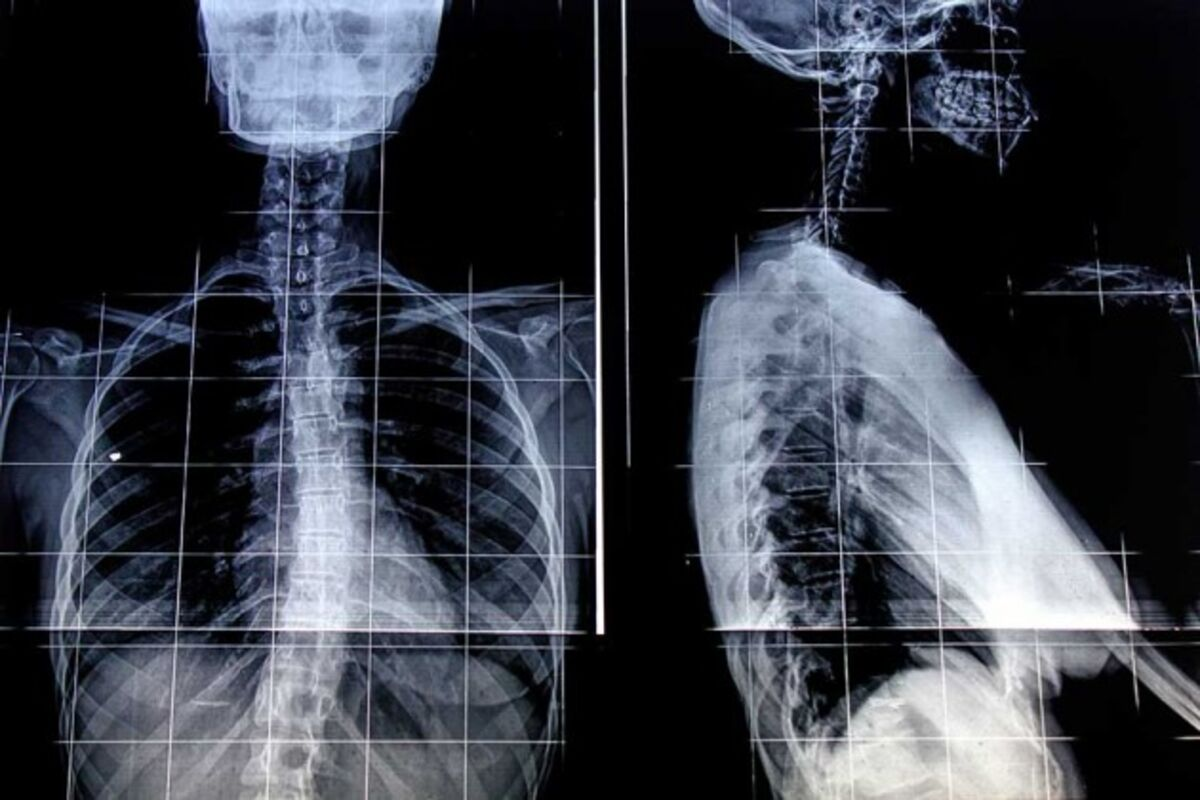
Learning to read a chest x-ray for pneumonia is very important. It can help doctors treat patients quickly and correctly. At Liv Hospital, we use the latest technology and skilled radiologists to find pneumonia accurately. We focus on our patients’ needs.Side-by-side comparison of an x ray of pneumonia vs normal lung image, highlighting key areas of infection.
Chest x-rays are the best way to find community-acquired pneumonia. They show both PA (posteroanterior) and lateral views. This helps doctors understand the lungs better and treat patients right.
Interpreting chest x-rays needs a deep understanding of PA and lateral views. We use this knowledge to give our patients the best care.
Key Takeaways
- Chest x-ray is a key tool for finding pneumonia.
- PA and lateral views are vital for a full check-up.
- Knowing the lung patterns is essential for correct diagnosis.
- Liv Hospital combines advanced imaging with skilled radiologists.
- Right diagnosis leads to quick and effective treatment.
The Importance of Chest X-Rays in Pneumonia Diagnosis

Chest X-rays are key in diagnosing pneumonia. They provide quick, important info about lung health. This makes them essential for spotting respiratory infections.
They help find out if someone has pneumonia and how bad it is. Chest X-rays also tell if it’s pneumonia or something else like bronchitis.
Gold Standard for Community-Acquired Pneumonia
Chest X-rays are top for diagnosing pneumonia caught outside hospitals. They show white spots or dark areas that mean fluid in the lungs. This is key for confirming pneumonia and knowing how serious it is.
For example, they can show lobar consolidation or interstitial patterns. These signs mean the lung is filled with infection or has inflammation.
|
Feature |
Normal Chest X-Ray |
Pneumonia Chest X-Ray |
|---|---|---|
|
Lung Fields |
Clear, without opacities |
Presence of infiltrates or consolidations |
|
Opacity |
No unusual opacity |
Visible areas of increased opacity |
|
Cardiac Silhouette |
Normal size and shape |
May be obscured by adjacent consolidation |
Advantages Over Other Imaging Modalities
Chest X-rays are quick, easy, and use less radiation than CT scans. They’re perfect for first checks on pneumonia.
They’re also easy to find, even in places with less access to tech. This makes them great for diagnosing pneumonia worldwide.
Role in Clinical Decision Making
What a chest X-ray shows is very important for doctors. It helps decide if someone needs antibiotics or to go to the hospital. For example, certain signs on the X-ray mean the infection is worse.
Doctors also use chest X-rays to see if pneumonia is getting better or worse. This helps them change treatment plans if needed.
Understanding Chest X-Ray Views

Chest X-rays are key for diagnosing pneumonia. Knowing how to read their different views is vital. A standard chest X-ray has both posteroanterior (PA) and lateral views. Each view gives unique info that helps in making a diagnosis.
Posteroanterior (PA) View Basics
The PA view is taken with the patient facing the X-ray detector. It shows the lung structure and heart well. It’s the main view for chest X-rays because it clearly shows the lungs and heart.
Key features visible on a PA view include:
- Lung fields and their clarity
- Cardiac silhouette and its size
- Diaphragmatic contours
- Bony structures such as ribs and clavicles
Lateral View Fundamentals
The lateral view is taken from the side, with the patient’s arms up. It’s key for finding lesions and checking areas not seen on the PA view. This includes the space behind the heart and sternum.
The lateral view helps in:
- Localizing lesions to specific lobes
- Assessing the extent of disease behind the heart or sternum
- Evaluating the spine and posterior ribs
When Additional Views Are Necessary
While PA and lateral views are standard, extra views might be needed sometimes. These include oblique, lordotic, or decubitus views. Each offers different insights into chest problems.
Additional views are useful in:
- Clarifying abnormalities seen on standard views
- Assessing pleural effusions or pneumothorax
- Evaluating the extent of lung disease
Understanding and interpreting PA and lateral chest X-ray views helps doctors make accurate diagnoses. This leads to better treatment plans for pneumonia patients.
Normal Chest X-Ray Anatomy
A normal chest X-ray is key for spotting problems. It’s important for doctors to know what’s normal. This helps them diagnose and treat patients better.
Key Anatomical Structures
Several important structures should show up on a normal chest X-ray. These include the lungs, heart, diaphragm, and bones in the chest. The lung fields should be clear, with blood vessel markings that fade towards the edges.
The cardiac silhouette should be clear and well-shaped. The heart’s size and shape can vary, but it shouldn’t block the lungs.
Normal Lung Fields Appearance
Normal lungs are clear and show blood vessel markings. These markings are more visible in the center and lower parts of the lungs.
Any dark spots or consolidation might mean illness, like pneumonia. But, it’s important to tell these apart from normal variations and other issues.
Cardiac Silhouette and Mediastinum
The cardiac silhouette outlines the heart on the X-ray. It should be clear and not too big. The mediastinum, which holds the heart and other important structures, should not be too wide or off-center.
|
Structure |
Normal Appearance |
|---|---|
|
Cardiac Silhouette |
Well-defined, not enlarged |
|
Mediastinum |
Central, not widened |
|
Lung Fields |
Clear, with visible vascular markings |
Diaphragm and Costophrenic Angles
The diaphragm should look smooth and curved. The costophrenic angles should be sharp. If these angles are not clear, it might mean fluid in the lungs.
“The diaphragm is a dome-shaped muscle that separates the chest cavity from the abdominal cavity. Its clear visualization is key for checking the lung bases and spotting issues like pneumonia or fluid in the lungs.”
Knowing the normal chest X-ray anatomy helps doctors spot problems. This knowledge is essential for reading chest X-rays correctly in medical practice.
X-Ray of Pneumonia vs Normal: Key Differences
Understanding the differences between a normal chest X-ray and one showing pneumonia is key. Pneumonia shows up as white spots in the lungs. These spots are caused by fluid or pus in the air sacs.
Density and Opacity Changes
Pneumonia makes the lung areas look whiter and more solid. This happens because fluid, bacteria, and debris build up in the air sacs. The white spots can be patchy, diffuse, or lobar, depending on the pneumonia type.
Vascular Marking Alterations
In pneumonia, the lung’s blood vessels become harder to see. Normally, these vessels show up clearly. But with pneumonia, the white spots make them less visible.
Air Bronchograms
An air bronchogram is a sign of pneumonia. It happens when the air in the bronchi stands out against the white alveoli. This is because the alveoli are filled with fluid.
Silhouette Sign
The silhouette sign shows when pneumonia makes the lung look like it’s touching nearby structures. This is because the pneumonia makes the lung’s edge blend with the diaphragm or heart. It’s a sign of consolidation.
Systematic Approach to Reading Chest X-Rays
Reading chest X-rays accurately is key. We suggest a structured method to catch all important details. This way, we can make sure our interpretations are correct.
The ABCDE Method
The ABCDE method is a popular way to read chest X-rays. It looks at the image in a set order: Airway, Bones, Cardiac silhouette, Diaphragm, and Everything else. This ensures we check the X-ray thoroughly.
Airway assessment looks for alignment and blockages. Bones are checked for fractures or other issues. The cardiac silhouette is evaluated for size and shape. The diaphragm is examined for any irregularities.
Technical Quality Assessment
Checking the X-ray’s quality is vital. We look at how the patient was positioned, how deep they breathed, and how clear the image is. A well-taken X-ray helps us make accurate diagnoses.
- Bad positioning can mess up our reading.
- Not breathing deeply enough can make the heart look bigger or the lungs more marked.
- Too much or too little X-ray can hide lung details.
Structured Reporting Technique
Clear reporting is important for doctors and radiologists to talk about patient results. We give a detailed report of what we found and what it means. This helps in managing the patient’s care better.
Using the ABCDE method, checking the X-ray’s quality, and clear reporting boosts our accuracy. This leads to better care for our patients.
Identifying Pneumonia on PA Chest X-Rays
PA chest X-rays are key in spotting pneumonia. It’s important to know the different signs. We look for specific changes that show pneumonia.
Lobar Consolidation Patterns
Lobar consolidation is a common sign of pneumonia. It makes a whole lung lobe look dark because of inflammation. This usually means bacterial pneumonia.
The affected lobe has clear boundaries. These match the lung’s anatomical lobes.
Interstitial Patterns
Interstitial patterns show pneumonia in the lung’s spaces. They look like net-like or nodular markings. These are often from viral or atypical bacterial pneumonias.
Spotting these patterns helps us tell pneumonia types apart.
Alveolar Patterns
Alveolar patterns show up as patchy or widespread dark spots on X-rays. They happen when alveoli fill with fluid. This can be from many kinds of pneumonia.
Common Distribution Patterns
Pneumonia often shows up in the lower lung parts, mainly in the back. The way pneumonia spreads on X-rays can hint at its cause. Some patterns are more common in certain types of pneumonia.
Here’s an image to help understand these patterns:
Knowing these patterns is key for correct diagnosis and treatment. By carefully looking at PA chest X-rays, we can figure out the pneumonia type and how bad it is. This helps us make better treatment choices.
- Lobar Consolidation: Often linked to bacterial pneumonia, affecting a whole lobe.
- Interstitial Patterns: Usually from viral or atypical bacterial pneumonias, showing net-like or nodular markings.
- Alveolar Patterns: Show as patchy or widespread dark spots, found in many pneumonia types.
By knowing these patterns and what they mean, doctors can make more accurate diagnoses. This helps them create better treatment plans for pneumonia patients.
Reading Lateral Chest X-Ray for Pneumonia
The lateral chest X-ray is key in spotting pneumonia, focusing on specific lung parts. The posteroanterior (PA) view gives a broad view, but the lateral view shows more detail. It uncovers areas hidden or overlapped in the PA view.
Posterior Lower Lobe Infiltrates
Pneumonia often shows up in the lower lobes, mainly in the back parts. The lateral view is vital for spotting these infiltrates. They can be missed on the PA view because of overlapping structures.
Looking at the lateral X-ray, we search for dark spots in the back lower lobes. These spots might mean pneumonia, if someone has a fever and cough too.
Retrocardiac Pneumonia
The space behind the heart, called retrocardiac, is hard to see on a PA view. The lateral X-ray gives a clear look at this area. It helps spot pneumonia hidden behind the heart.
Retrocardiac pneumonia shows up as a denser area behind the heart on the lateral view. This makes it easier to diagnose accurately.
Distinguishing Overlapping Structures
One big challenge in reading chest X-rays is telling apart overlapping structures. The lateral view helps sort out what’s what on the PA view.
By studying the lateral X-ray, we get a clearer picture of where and what the abnormalities are. This is super helpful in tricky cases where the PA view isn’t enough.
Localizing Pneumonia by Lobe
Knowing which lung lobe has pneumonia is key for treating it right. Pneumonia can hit any lung part. It’s important to know the signs for each part to diagnose it correctly.
Upper Lobe Pneumonia Characteristics
Upper lobe pneumonia has its own signs. Consolidation in these areas might point to Klebsiella pneumoniae or Mycobacterium tuberculosis. Cavitation in consolidation hints at a specific cause.
“The look of upper lobe pneumonia on X-rays can differ. But it often shows up in the upper lobe’s back part, seen better on lateral chest X-rays.”
Middle Lobe and Lingular Pneumonia
Pneumonia in the middle lobe or lingula is tricky because of where they are. The middle lobe is at risk for aspiration. Lingular pneumonia can be hard to spot on X-rays because of overlap with other structures.
Middle lobe pneumonia is often caused by Streptococcus pneumoniae or Haemophilus influenzae. Chest X-rays can show consolidation in the middle lobe, which might hide the right heart border.
Lower Lobe Pneumonia Features
Lower lobe pneumonia is common and can be caused by many pathogens. The lower lobes are more prone to aspiration when upright. Lower lobe consolidation can be hard to spot, often hidden by the diaphragm.
Lower lobe pneumonia might cause pleuritic chest pain and pain in the abdomen. This can look like an acute abdominal issue. Air bronchograms in the consolidation are a key X-ray sign.
Multi-lobar Involvement
Pneumonia can affect more than one lobe, known as multi-lobar pneumonia. This is often a sign of severe disease and a higher risk of complications. It’s seen with aggressive pathogens or in those with weakened immune systems.
Treating multi-lobar pneumonia needs quick and strong action. This usually means broad-spectrum antibiotics and supportive care. The outlook is less hopeful because of the widespread lung damage.
Differentiating Pneumonia from Other Conditions
It’s important to tell pneumonia apart from other lung issues for the right treatment. Many conditions can look like pneumonia on chest X-rays, making it hard to diagnose correctly. We’ll look at how to tell pneumonia from other similar-looking conditions on X-rays.
Pulmonary Edema vs Pneumonia
Pulmonary edema and pneumonia can both show up as opacities on chest X-rays. But they look different. Pulmonary edema shows up as bilateral, symmetrical opacities that are more perihilar and basal. Pneumonia, on the other hand, is more localized. Key differences include:
- Distribution: Pneumonia tends to be more localized, while pulmonary edema is often more diffuse.
- Clinical context: Patients with pulmonary edema often have underlying heart failure or other conditions that cause fluid overload.
|
Feature |
Pneumonia |
Pulmonary Edema |
|---|---|---|
|
Distribution |
Localized |
Bilateral, symmetrical |
|
Opacity Characteristics |
Consolidation, air bronchograms |
Diffuse, perihilar |
|
Clinical Context |
Infection symptoms |
Heart failure, fluid overload |
Atelectasis vs Pneumonia
Atelectasis, or lung collapse, can look like pneumonia on chest X-rays. But atelectasis shows volume loss on the affected side, unlike pneumonia. Distinguishing features include:
- Volume loss: Atelectasis is associated with a decrease in lung volume.
- Shift of structures: The mediastinum may shift towards the side of atelectasis.
“Atelectasis can be distinguished from pneumonia by the presence of volume loss and the shift of adjacent structures towards the affected area.” — Radiology Reference
Pleural Effusions and Their Relationship to Pneumonia
Pleural effusions can happen with pneumonia or on their own. On X-ray, a pleural effusion looks like a homogeneous opacity that layers on lateral decubitus views. Key points to consider:
- Layering: Pleural effusions layer on decubitus views, whereas consolidations do not.
- Associated findings: Look for other signs of pneumonia or alternative diagnoses.
Lung Masses and Tumors
Lung masses or tumors can sometimes be confused with pneumonia, but they have clear borders and don’t show air bronchograms like pneumonia does. Important distinctions include:
- Border characteristics: Masses have sharper borders compared to the ill-defined opacities of pneumonia.
- Clinical history: Patients with lung masses may have a history of malignancy or risk factors for cancer.
In conclusion, telling pneumonia apart from other conditions on chest X-rays needs careful analysis of the X-ray findings and the patient’s situation. By knowing the signs of different lung conditions, we can improve diagnosis and treatment.
Special Considerations in Pneumonia X-Ray Interpretation
Reading pneumonia x-rays needs a careful eye, more so with different patients. Age, immune health, and other health issues change how pneumonia looks on x-rays.
Pediatric Pneumonia Patterns
Kids with pneumonia show different signs on x-rays than adults. They often have markings around the lungs and spots of infection on both sides. A special kind of pneumonia that looks like a tumor is also common in children.
Key Features of Pediatric Pneumonia:
- Perihilar markings and bilateral infiltrates
- Round pneumonia
- Hyperinflation
Elderly Patient Considerations
For older patients, reading pneumonia x-rays is tricky. Their health issues and weaker lungs make symptoms less clear. Doctors must pay close attention to these patients.
Important Considerations:
- Underlying chronic conditions
- Decreased lung function
- Subtle presentation
Immunocompromised Host Patterns
People with weak immune systems, like those with HIV or on chemo, have unique pneumonia signs. Infections like Pneumocystis jirovecii pneumonia (PCP) have clear x-ray signs.
|
Condition |
Typical X-Ray Findings |
|---|---|
|
PCP |
Bilateral interstitial infiltrates |
|
Cytomegalovirus Pneumonia |
Diffuse reticular or nodular pattern |
|
Fungal Infections |
Nodular lesions, sometimes with cavitation |
COVID-19 Pneumonia Radiographic Features
COVID-19 pneumonia shows specific signs on x-rays. These include spots of infection that are mostly in the outer and bottom parts of the lungs. Chest x-rays are helping doctors diagnose COVID-19, but CT scans give more detailed pictures.
Key Radiographic Features of COVID-19 Pneumonia:
- Bilateral ground-glass opacities
- Peripheral and basal predominance
- Consolidations in severe cases
Common Pitfalls in Pneumonia X-Ray Interpretation
Clinicians need to be careful when reading chest X-rays for pneumonia. Several mistakes can lead to wrong diagnoses. It’s key to avoid these pitfalls for accurate readings.
Missed Pneumonias and Why They Occur
Missed pneumonias can happen for many reasons. These include early or subtle disease, technical issues, or mistakes by the observer. Subtle or early disease might not show up on the first X-ray. It’s important to look at symptoms and might need to take more images.
Technical problems, like bad image quality or wrong patient position, can hide pneumonia signs. Also, tiredness or lack of experience can cause observers to miss small details.
Over-interpretation of Normal Variants
Seeing normal things as disease can lead to wrong diagnoses. For example, normal vascular markings might look like infiltrates. Knowing what’s normal on a chest X-ray is vital to avoid this mistake.
Technical Factors Affecting Interpretation
How well the X-ray is taken and the patient’s position matter a lot. Badly lit or dark images can hide or look like disease. Also, if the X-ray is not taken right or if the patient didn’t breathe in enough, it can change how the lungs look.
Satisfaction of Search Errors
Satisfaction of search (SOS) errors happen when someone finds one thing wrong and stops looking. This can mean missing other important things, like a pleural effusion with pneumonia. It’s important to check the whole X-ray and think about the patient’s situation.
To avoid SOS errors, it’s important to look at the whole X-ray. Check for all abnormalities and think about the patient’s situation.
Conclusion
Diagnosing and treating pneumonia depends a lot on reading chest x-rays well. This article has shown how important chest x-rays are in diagnosing pneumonia. They give doctors the information they need to help patients.
Knowing how to read a chest x-ray for pneumonia is key. It helps doctors spot the differences between pneumonia and normal x-rays. They can also find where the pneumonia is in the lungs. By following a step-by-step approach and avoiding common mistakes, doctors can get better at diagnosing pneumonia.
Being good at reading chest x-rays for pneumonia is essential for top-notch healthcare. By learning the skills mentioned in this article, doctors can improve patient care. They can also support patients who need more advanced treatments.
FAQ
What is the role of chest x-rays in pneumonia diagnosis?
Chest x-rays are key in diagnosing pneumonia. They are fast and don’t hurt. They help check the heart, lungs, and nearby areas.
How do I differentiate between a normal chest x-ray and one showing pneumonia?
Pneumonia shows up as denser areas in the lungs. Look for changes in density and airways. Also, check for air bronchograms and silhouette signs.
What are the advantages of using chest x-rays over other imaging modalities for pneumonia diagnosis?
Chest x-rays are fast, easy, and use less radiation. They’re great for first checks of pneumonia.
How do I read a PA chest x-ray for pneumonia?
Look for patterns of lung consolidation on PA chest x-rays. Know the common patterns to diagnose pneumonia well.
What is the importance of the lateral view in pneumonia diagnosis?
The lateral view helps spot hidden areas. It’s key for seeing pneumonia in the back and lower parts of the lungs.
How can I localize pneumonia by lobe on a chest x-ray?
Know the signs of pneumonia in each lung lobe. This helps in accurate diagnosis and treatment.
What are some common pitfalls in pneumonia x-ray interpretation?
Don’t miss pneumonias or mistake normal findings for disease. Watch out for technical issues and over-reading.
Are there special considerations when interpreting pneumonia x-rays in different patient populations?
Yes, consider the age, health, and immune status of patients. This includes kids, the elderly, and those with weakened immune systems.
How can I differentiate pneumonia from other conditions that can mimic it on x-ray?
Know the differences between pneumonia and other lung issues. This helps in accurate diagnosis and treatment.
What is the ABCDE method in chest x-ray interpretation?
The ABCDE method is a way to read chest x-rays. It ensures all important details are seen and understood.
How do I assess the technical quality of a chest x-ray?
Check the patient’s position, breathing, and how well the x-ray shows details. This ensures the x-ray is good enough for diagnosis.
What is the significance of air bronchograms in pneumonia diagnosis?
Air bronchograms show alveolar consolidation. They are visible against the dark lung, indicating exudate in the air spaces.
References
National Center for Biotechnology Information. Evidence-Based Medical Guidance. Retrieved from https://www.ncbi.nlm.nih.gov/pmc/articles/PMC5922324/)



 Departments
 Related Videos
 Our Doctors
 News
News