Do you feel sudden nausea or vomiting after eating certain foods? At Liv Hospital, we know that food allergies are a big health issue. They can cause unexpected and uncomfortable stomach problems food allergies that cause vomiting.
About 15 million Americans have a food allergy. This means someone goes to the emergency room every three minutes because of it. Allergies can make you feel sick to your stomach in different ways. This includes the release of histamines and other chemicals that mess with your stomach.
It’s important to understand how allergies and nausea are connected. This knowledge helps manage symptoms and improve your life quality.
Key Takeaways
- Food allergies can trigger nausea and vomiting through various immune system responses.
- Approximately 15 million Americans suffer from food allergies, highlighting the significance of the issue.
- Accurate diagnosis and patient-centered care are key for managing food allergy symptoms.
- Histamine release is a major factor in stomach symptoms caused by food allergies.
- Understanding the link between allergies and nausea is essential for effective management.
The Growing Concern of Food Allergies
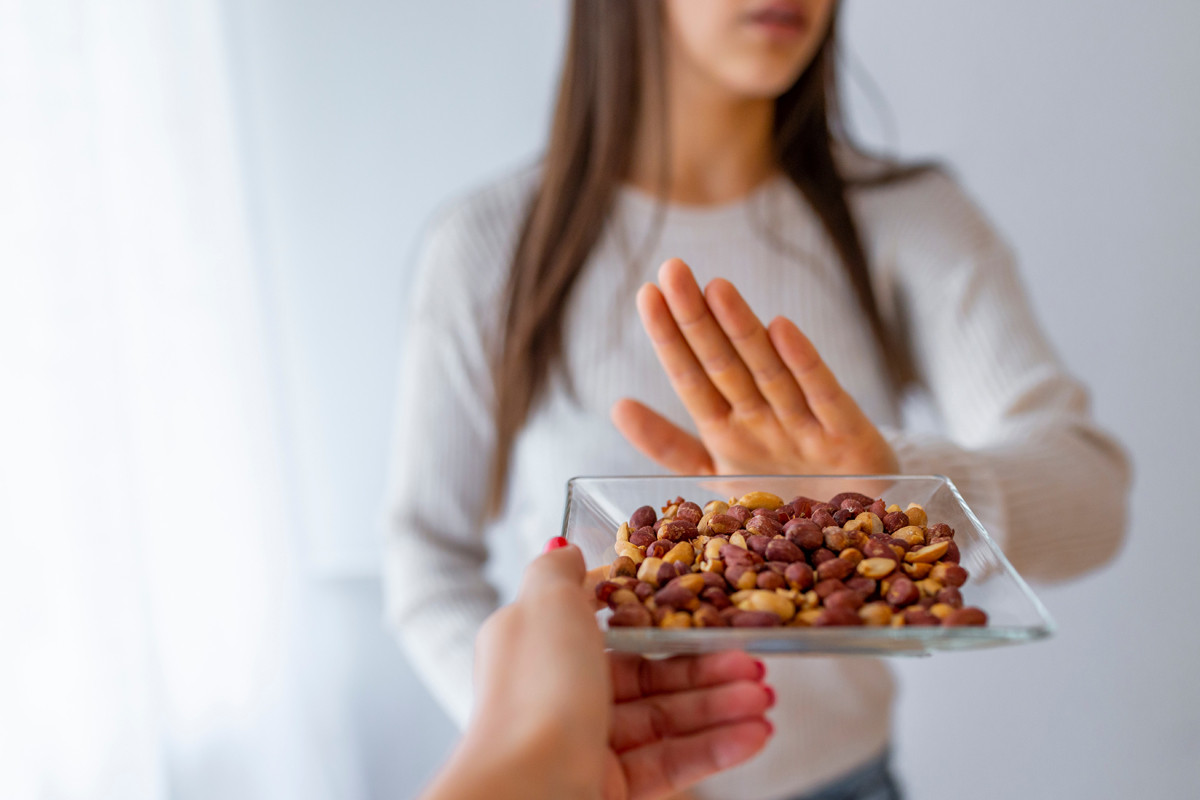
Food allergies have become a big worry for public health. We’re learning more about them and how they affect people’s lives. It’s clear they have a big impact on those who have them.
Prevalence Statistics in the United States
About 1 in 13 kids and 1 in 10 adults in the U.S. have food allergies. This means millions face the risk of serious allergic reactions every day. The numbers have been going up, making food allergies a bigger health issue.
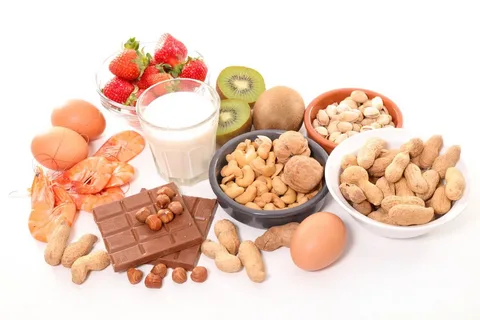
The statistics are alarming: Food allergies hit people of all ages, but kids are most at risk. Common allergens include peanuts, tree nuts, milk, eggs, fish, shellfish, wheat, and soy. Knowing these numbers shows us how big the problem is and why we need more research and awareness.
Rising Trends in Food Allergy Diagnoses
More people are being diagnosed with food allergies. This is due to changes in what we eat, doctors being more aware, and possibly environmental factors. So, more people are facing the challenges of food allergies than ever before. This calls for better ways to manage and support them.
The impact on healthcare systems is significant: With more cases, there’s a bigger need for allergy tests, treatments, and education. Doctors are working hard to keep up by improving how they diagnose and treat food allergies.
Impact on Quality of Life
Food allergies really change a person’s life. They have to always be careful about what they eat. For those with severe allergies, the fear of an allergic reaction is always there. This makes everyday things, like going out or traveling, much harder.
Food allergies also affect a person’s mind, causing stress and anxiety. It’s hard to choose what to eat without worrying about an allergic reaction. Having support from doctors, family, and friends is key to managing these challenges and living well.
How Food Allergies Affect Your Body

When we eat something we’re allergic to, our immune system kicks into high gear. It releases chemicals that can cause a variety of symptoms. This is why food allergies can affect our bodies in such a big way.
The Immune System Response
Our immune system sees an allergen as a threat and fights back. It makes IgE antibodies to attack the allergen. This starts a chain of events that leads to histamine release.
IgE antibodies are key in this fight. They recognize and bind to specific allergens, starting the allergic reaction.
Histamine Release and Its Effects
Histamine plays a big role in allergic reactions. It makes blood vessels expand, muscles contract, and mucous membranes get more open. This can cause symptoms like nausea, vomiting, diarrhea, and stomach cramps.
The release of histamine also affects the vagus nerve. This nerve is important in making us throw up. Knowing this helps us understand why some people vomit when they have a food allergy.
Timing of Allergic Reactions
Allergic reactions can happen fast, within minutes to hours after eating something we’re allergic to. How fast it happens depends on how much we eat and how sensitive we are.
|
Reaction Time |
Common Symptoms |
|---|---|
|
Within 15-30 minutes |
Nausea, vomiting, abdominal cramps |
|
Within 1-2 hours |
Hives, itching, swelling, diarrhea |
|
Within 2-4 hours |
Anaphylaxis (severe, life-threatening reaction) |
Knowing when and how allergic reactions happen is key to managing food allergies. It helps prevent serious problems.
Food Allergies That Cause Vomiting: The Digestive Connection
Food allergies and vomiting are linked through how our body reacts to certain foods. When we eat something we’re allergic to, our immune system sees it as a threat. This leads to an allergic reaction.
Why the Digestive System Reacts
The digestive system reacts to food allergies because of the immune system’s response. When we eat something we’re allergic to, our immune system releases chemicals. These chemicals cause blood vessels to widen and muscles to tighten.
This reaction causes inflammation in the digestive tract. Symptoms like nausea and vomiting follow. The severity of these symptoms can vary greatly from person to person.
The Vomiting Response as a Defense Mechanism
Vomiting is a defense mechanism when the body finds something harmful. In the case of food allergies, it’s the body’s way of getting rid of the allergen. This is often accompanied by other symptoms like stomach pain and diarrhea.
While vomiting can help by removing the allergen, it doesn’t solve the problem. Medical help is needed to manage the allergy and prevent further issues.
Severity Spectrum of Gastrointestinal Symptoms
Gastrointestinal symptoms from food allergies can range from mild to severe. On the milder side, people might feel nausea, vomiting, and stomach cramps. In more serious cases, food allergies can lead to anaphylaxis, a life-threatening condition.
Understanding the severity of symptoms is key to managing food allergies. We need to recognize the signs of an allergic reaction and know when to get medical help.
The Major Food Allergens
Food allergies are becoming more common. Knowing the main allergens is key to managing symptoms. Some foods are more likely to trigger allergic reactions. Being aware of these can help people take the right steps.
The “Big Eight” Allergens
The “Big Eight” allergens cause most food allergic reactions. These include:
- Milk: Milk allergy is common in infants and young children.
- Eggs: Egg allergy is common in kids, but many outgrow it by adulthood.
- Fish: Fish allergy can cause severe reactions in some.
- Shellfish: Shellfish allergy is more common in adults and can be severe.
- Peanuts: Peanut allergy is one of the most severe and often lasts a lifetime.
- Tree Nuts: Tree nut allergy can cause severe reactions and often goes with other allergies.
- Soy: Soy allergy is common in infants and can link to other food allergies.
- Wheat: Wheat allergy is different from celiac disease and can cause various symptoms.
These eight foods are behind about 90% of food allergic reactions in the U.S. Knowing about these common allergens is important for food labeling and safety.
Less Common Food Allergens
While the “Big Eight” are well-known, other foods can also trigger allergies. Some of these include:
- Sesame: Sesame allergy is now recognized as a major allergen.
- Other grains: Other grains can also cause allergic reactions in some people.
- Certain fruits and vegetables: Some fruits and vegetables can cause allergic reactions, often linked to oral allergy syndrome.
It’s important to know both common and less common allergens for effective allergy management.
Distinguishing Symptoms of Food Allergies
It’s important to know the different symptoms of food allergies. These symptoms can affect many parts of the body. Spotting them early helps in diagnosing and treating food allergies.
Gastrointestinal Symptoms
Gastrointestinal symptoms are common in food allergies. These include nausea and vomiting, stomach pain, diarrhea, and sometimes bloody stools. The severity of these symptoms varies from person to person.
Some people may only experience mild symptoms, while others face severe reactions. We’ll look into how the immune system’s response to certain foods causes these symptoms.
Non-Digestive Symptoms
Food allergies can also cause symptoms outside the digestive system. These include skin rashes or hives, itching, swelling, and respiratory problems like congestion. In some cases, they can even affect the heart, leading to low blood pressure.
It’s key to understand these non-digestive symptoms for a full diagnosis and treatment. We’ll explore how these symptoms relate to allergic reactions and why they’re important to identify.
Anaphylaxis: When Allergies Become Life-Threatening
Anaphylaxis is a severe allergic reaction that can be life-threatening. It happens quickly after exposure to an allergen. Symptoms include constricted airways, rapid heartbeat, dizziness, and a drop in blood pressure.
It’s vital to know the signs of anaphylaxis and get help right away if they happen. We’ll talk about how to be prepared for severe food allergies, including using epinephrine auto-injectors and emergency plans.
Can Seasonal Allergies Make You Throw Up?
Seasonal allergies can cause symptoms that might surprise you. They’re not just about breathing problems. They can also affect your stomach in unexpected ways.
The Postnasal Drip Connection
Seasonal allergies can make you feel nauseous through postnasal drip. Pollen in your nose leads to more mucus. This mucus can irritate your stomach, causing nausea and sometimes vomiting.
Medical Expert, an allergist, explains, “Postnasal drip from seasonal allergies can upset your stomach.”
“The link between seasonal allergies and stomach problems is often missed, but it’s very important for those feeling sick to their stomach.”
Comparing Food and Environmental Allergy Symptoms
Food allergies directly affect your stomach, while seasonal allergies come from breathing in allergens. Both can make you feel sick. The main difference is how they happen: food allergies act fast in your stomach, and seasonal allergies cause symptoms through histamine and postnasal drip.
|
Symptom |
Food Allergies |
Seasonal Allergies |
|---|---|---|
|
Nausea/Vomiting |
Common, often immediate |
Less common, usually through postnasal drip |
|
Respiratory Issues |
Rare, unless anaphylaxis occurs |
Common, including congestion and sneezing |
When to Suspect Seasonal Allergies as the Cause
If you’re feeling sick during peak pollen times, think about seasonal allergies. Look for signs like:
- Respiratory symptoms like congestion or sneezing
- Symptoms that get worse at certain times of the year
- A history of allergies or atopic conditions
Knowing how seasonal allergies affect your stomach can help you manage your health better. It’s important to seek the right treatment when needed.
Diagnosing Food Allergies
Learning how to spot food allergies can really help patients. Finding out what causes an allergy is a detailed process. It helps doctors pinpoint the exact allergen.
Medical History and Physical Examination
First, doctors take a close look at your medical history and do a physical check-up. They ask about your symptoms and what you ate before they happened. This helps figure out what might be causing the problem.
They might also look for signs like skin rashes or stomach issues. Getting your medical history right is key to finding the cause and what tests to do next.
Allergy Testing Options
There are different ways to test for food allergies. Here are a few:
- Skin Prick Tests: A small bit of the suspected allergen is put on your skin and pricked. Then, the skin is watched for a reaction.
- Blood Tests: These check the blood for IgE antibodies to specific foods. They’re good when skin tests can’t be done.
Both skin prick and blood tests give important clues about allergies. But, they’re not 100% accurate. They need to be looked at with your medical history in mind.
|
Test Type |
Description |
Usefulness |
|---|---|---|
|
Skin Prick Test |
Involves placing a small amount of allergen on the skin and pricking the skin. |
Quick results, useful for identifying immediate reactions. |
|
Blood Test |
Measures IgE antibodies in response to specific foods. |
Useful when skin tests are not possible, provides quantitative results. |
Food Challenge Tests
Food challenge tests are the best way to confirm a food allergy. You’re given more and more of the suspected food under close watch. This test is done in a safe place to handle any serious reactions.
These tests show if you really have an allergy and how much of the food you can handle. They’re great when other tests don’t give clear answers.
By using your medical history, physical check-up, and tests, doctors can accurately find and treat food allergies. This helps create a good plan for managing them.
Food Allergies vs. Food Intolerances
It’s important to know the difference between food allergies and intolerances. Both can make you feel bad after eating, but they affect your body in different ways. Knowing the difference helps you manage your symptoms better.
Key Differences in Mechanisms
A food allergy happens when your immune system reacts too strongly to a certain food. This reaction can lead to symptoms like hives and itching. On the other hand, food intolerance is about how your body digests food. For example, lactose intolerance happens when you can’t digest lactose properly, causing discomfort.
Food allergies can be very serious, even life-threatening. They can cause anaphylaxis, which needs quick medical help. Food intolerances are usually not as severe. They might make you feel bloated, gassy, or nauseous, but they don’t lead to anaphylaxis.
Symptom Comparison
Both allergies and intolerances can make you feel sick to your stomach. But, the symptoms are different in severity and type. Allergies can cause everything from mild hives to life-threatening anaphylaxis. Intolerances usually cause milder symptoms like bloating and diarrhea.
When symptoms start can also give clues. Allergic reactions often happen fast, within minutes or hours. Symptoms of intolerance might take longer to show up.
Common Food Intolerances That Cause Nausea
Some food intolerances can make you feel nauseous. Lactose intolerance happens when you don’t have enough lactase enzyme. Gluten intolerance, or non-celiac gluten sensitivity, can also cause nausea. Plus, some people get nauseous from certain food additives or compounds like histamine in fermented foods.
If you’re not sure if you have a food allergy or intolerance, it’s important to see a doctor. They can help figure out what’s causing your nausea and guide you on how to manage it.
Managing Allergic Nausea and Vomiting
Allergies can cause nausea and vomiting, which are hard to deal with. For those with severe food allergies, knowing how to handle these symptoms is key. It helps keep their quality of life good.
Immediate Relief Strategies
To ease allergic nausea and vomiting, several quick steps can help. These include:
- Staying hydrated by drinking plenty of fluids
- Avoiding solid foods until symptoms subside
- Resting in a comfortable position
- Using ginger or peppermint to soothe the stomach
Medications That Can Help
There are many medicines that can help with allergic nausea and vomiting. Antihistamines are often used to fight allergic reactions. Other options include:
|
Medication Type |
Use |
Examples |
|---|---|---|
|
Antihistamines |
Counteract allergic reactions |
Diphenhydramine, Loratadine |
|
Antiemetics |
Prevent nausea and vomiting |
Ondansetron, Metoclopramide |
|
Corticosteroids |
Reduce inflammation |
Prednisone |
Natural Remedies for Allergy-Induced Nausea
There are also natural ways to ease allergy-induced nausea. These include:
- Ginger supplements or ginger tea
- Peppermint oil or peppermint tea
- Acupressure bands
- Dietary adjustments, such as avoiding trigger foods
When to Use Antihistamines
Antihistamines are a first choice for treating allergies, including nausea and vomiting. They block histamine receptors, reducing allergic symptoms. It’s important to use them as directed and talk to a doctor if symptoms don’t get better or get worse.
By using these strategies, people can manage allergic nausea and vomiting better. This improves their overall health and well-being.
Living With Food Allergies
Living with food allergies means taking many precautions to stay safe. It can be tough, but with the right steps, you can live a healthy life.
Reading Food Labels
Reading food labels is key for those with food allergies. Always check the ingredient list for allergens. The FDA makes sure the top eight allergens are listed clearly.
- Always check the ingredient list for known allergens.
- Be aware of hidden sources of allergens, such as “natural flavors” or “spices.”
- Understand that labeling laws vary by country, so it’s essential to be vigilant when traveling.
Dining Out Safely
Eating out can be tricky with food allergies. But, there are ways to stay safe. Tell the server or chef about your allergy. Ask about how food is prepared and if there’s a chance of cross-contamination.
- Call ahead to inform the restaurant about our food allergy.
- Ask the server to confirm our allergy with the kitchen staff.
- Be cautious with buffets or shared dishes.
Cross-Contamination Awareness
Cross-contamination is a big risk for food allergy sufferers. It can happen during cooking or when storing food. We must be careful at home and when eating out.
Tips for avoiding cross-contamination:
- Use separate cooking utensils and pans for allergenic foods.
- Clean surfaces thoroughly after preparing allergenic foods.
- Store allergenic foods in sealed containers to prevent cross-contamination.
Emergency Preparedness
Even with precautions, accidents can happen. Being ready for emergencies is critical. Always carry an EpiPen or other epinephrine auto-injector if prescribed.
Having a plan for emergencies is also important. Know how to use epinephrine and when to get medical help.
Special Considerations for Children and Adults
Food allergies affect people of all ages, needing special care at different stages. Understanding how they impact various age groups is key.
Food Allergies in Children
Children are very sensitive to food allergies. These can greatly affect their life and growth. Early diagnosis and management are vital to avoid serious reactions.
Common allergens for kids include peanuts, tree nuts, milk, eggs, fish, shellfish, wheat, and soy. Managing these allergies means watching diet and environment closely.
|
Common Allergens |
Symptoms |
Management Strategies |
|---|---|---|
|
Peanuts, Tree Nuts |
Anaphylaxis, Hives |
Avoidance, EpiPen |
|
Milk, Eggs |
Gastrointestinal Issues |
Dietary Substitution |
Adult-Onset Food Allergies
Food allergies aren’t just for kids; adults can get them too. Adult-onset food allergies can start due to diet or environment changes.
Handling adult-onset food allergies needs a detailed plan. This includes getting a medical diagnosis and making dietary changes.
Pregnancy and Food Allergies
Pregnancy adds extra challenges for managing food allergies. Expectant mothers with food allergies must balance their health with their baby’s needs.
It’s important for pregnant women with food allergies to work with their healthcare providers. This helps manage their condition well.
Conclusion
Food allergies can really change someone’s life, causing everything from mild discomfort to serious reactions. We’ve looked at how food allergies can lead to nausea and vomiting. This happens when the body reacts to certain foods.
It’s key to manage food allergies well to avoid bad reactions. Knowing the common allergens and checking food labels is important. Also, avoiding cross-contamination is a must. For those dealing with allergies and nausea, knowing the signs and how to act can help a lot.
Can food allergies make you throw up? Yes, they can. It’s all about how your body reacts to certain foods. Taking steps to control your exposure can help prevent severe reactions. This way, you can feel better overall.
Handling food allergies right means getting a diagnosis, avoiding certain foods, and being ready for emergencies. By doing these things, we can lower the risks of food allergies. This improves life for those who have them.
FAQ
Can food allergies cause nausea and vomiting?
Yes, food allergies can cause nausea and vomiting. When the body sees a food as harmful, it reacts. This can lead to stomach problems like nausea and vomiting.
What are the most common food allergens that can cause vomiting?
The “Big Eight” foods, like peanuts and milk, often cause allergic reactions. These include vomiting. Other foods can also trigger symptoms.
Can seasonal allergies make you throw up?
Seasonal allergies can sometimes cause nausea and vomiting. This is usually because of postnasal drip irritating the stomach. But vomiting is more common with food allergies.
How do you manage allergic nausea and vomiting?
To manage symptoms, avoid the allergenic food. Use antihistamines or other medicines as directed. Natural remedies like ginger can also help. If symptoms are severe, see a doctor.
What is the difference between a food allergy and a food intolerance?
A food allergy is a serious immune reaction to a food. It can cause severe symptoms like anaphylaxis. Food intolerance is a milder reaction, often causing symptoms like bloating or nausea.
How are food allergies diagnosed?
Doctors use medical history, physical exams, and tests like skin prick tests to diagnose food allergies. Sometimes, a food challenge test is done under a doctor’s watch.
Can adults develop food allergies?
Yes, adults can develop food allergies, even to foods they’ve eaten before. Adult-onset allergies need the same careful management as childhood allergies.
How can individuals with food allergies dine out safely?
To eat out safely, tell restaurant staff about your allergies. Read food labels when you can. Be aware of cross-contamination risks. Choose restaurants with clear allergy policies.
Are there natural remedies for allergy-induced nausea?
Yes, ginger, peppermint, and vitamin B6 can help with nausea from allergies. But talk to a healthcare provider before trying new remedies, if you have a severe allergy.
When should antihistamines be used for allergic reactions?
Use antihistamines for mild to moderate symptoms like nausea and vomiting. But remember, they’re not a substitute for epinephrine in severe reactions like anaphylaxis.
References
National Center for Biotechnology Information. Food Allergies: Vomiting and Nausea. Retrieved from https://pmc.ncbi.nlm.nih.gov/articles/PMC8152468/