
Recent studies have found a strong link between what we eat and dementia risk. Medical Expert, a neuroscience consultant, says, “What you eat not only affects your waistline — it also shapes your brain’s future.” This shows how important it is to know how our food choices affect our brain health. What does the research say about foods linked to dementia? Read about 5 surprising scientific discoveries and improve your diet today.
We keep learning about how some foods affect our thinking and the risk of dementia. At Liv Hospital, we focus on helping patients understand how diet affects brain health. By looking at the latest research, we can learn how to protect our brains better.
Key Takeaways
- Certain dietary patterns are associated with an increased risk of dementia.
- Understanding the impact of daily food choices on brain health is important.
- Research shows a link between common foods and cognitive decline.
- A patient-centered approach can help in proactive brain protection.
- Liv Hospital emphasizes complete support for international patients.
The Connection Between Diet and Brain Health
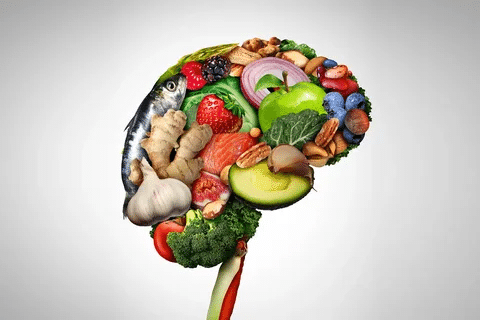
Studies show that our diet greatly affects our brain health. Certain foods can increase our risk of losing cognitive abilities. It’s clear that what we eat is key to keeping our brains sharp.
How Food Affects Cognitive Function
Food impacts our brain in many ways. Foods rich in nutrients help our brain stay healthy. On the other hand, eating too much processed food, sugar, and unhealthy fats can harm our brain cells. This can lead to a decline in cognitive function.
Key nutrients that support brain health include:
- Omega-3 fatty acids found in fatty fish
- Antioxidants abundant in fruits and vegetables
- Whole grains rich in fiber and B vitamins
- Lean proteins that support overall health
The Rise of Diet-Related Dementia Research
Recently, there’s been a lot of research on diet and dementia. A study in Nature Aging followed older adults for 15 years. It found that eating well can slow down dementia.
The implications are significant: Knowing how diet affects brain health could help prevent dementia. As we learn more about the right foods for our brain, we’re getting closer to new ways to keep our minds sharp.
Understanding Dementia: Types and Risk Factors

Nearly half of Americans will get dementia after 55, making it important to know about it. Dementia is not one disease but a group of symptoms like memory loss and confusion. Knowing about dementia helps in preventing and managing it, allowing people to make better health choices.
Common Forms of Dementia
Dementia includes many conditions, with Alzheimer’s disease being the most common, making up 60-80% of cases. Other types are vascular dementia, Lewy body dementia, and frontotemporal dementia. Each type has its own signs and risk factors.
Vascular dementia is linked to stroke or small vessel disease. Lewy body dementia is marked by abnormal brain proteins. Knowing these differences helps in creating better prevention and treatment plans.
Modifiable vs. Non-Modifiable Risk Factors
Risk factors for dementia are divided into two groups: modifiable and non-modifiable. Non-modifiable factors are age, genetics, and family history. While we can’t change these, knowing them helps us focus on other areas.
Modifiable factors include lifestyle, diet, physical activity, and health conditions like diabetes and high blood pressure. Studies show that changing these can lower dementia risk. Eating well, staying active, and managing health conditions can help.
By learning about dementia types and risk factors, people can make better health choices. This could lower their chance of getting dementia.
Recent Research on Foods Linked to Dementia
Research is showing a clear link between food choices and dementia risk. Studies are now focusing on certain diets and foods that might lead to dementia.
The 2024 Systematic Review Findings
In 2024, a big systematic review shed light on diet and dementia. It looked at many studies and found that eating too much of ultra-processed foods raises dementia risk by 44%.
This review stressed how important our food choices are. It said knowing how certain foods affect our brains is key to preventing dementia.
The Framingham Heart Study Insights
The Framingham Heart Study has been tracking heart health for years. It has also given us insights into diet and brain health. Recent findings from this study show how different foods can impact dementia risk.
The study found that certain nutrients and foods affect our brain health. These findings add to what we learned from the systematic review. Together, they give us a better understanding of how diet affects dementia.
|
Study |
Key Findings |
Implications |
|---|---|---|
|
2024 Systematic Review |
44% increased dementia risk with high ultra-processed food consumption |
Dietary choices significantly impact dementia risk |
|
Framingham Heart Study |
Specific nutrients and food groups affect cognitive health |
Understanding dietary patterns is key to preventing dementia |
These studies highlight the need for smart food choices to lower dementia risk. By knowing which foods increase risk, we can make better diet choices.
Food #1: Ultra-Processed Foods and Dementia Risk
Recent studies show a link between ultra-processed foods and dementia risk. It’s important to understand these foods and their impact.
What Qualifies as “Ultra-Processed”
Ultra-processed foods are made with many ingredients. They include added sugars, refined starches, and unhealthy fats. These foods are tasty and easy to eat, but not very nutritious. Examples are packaged snacks, sugary drinks, and ready-to-eat meals.
Key characteristics of ultra-processed foods:
- Multiple ingredients
- Presence of added sugars, refined starches, and unhealthy fats
- Extensive industrial processing
- Low nutritional value
The 44% Increased Risk: Breaking Down the Data
Eating ultra-processed foods raises dementia risk by 44%. This shows how diet affects brain health. The more of these foods you eat, the higher your dementia risk.
This research is very important. It tells us to think about what we eat.
How Americans Consume Over Half Their Calories from These Foods
Americans eat over half their calories from ultra-processed foods. This is bad for health and brain function. It shows we often choose convenience over healthy food.
Key statistics on ultra-processed food consumption in America:
- Over 50% of daily calories come from ultra-processed foods
- High consumption rates are linked to increased dementia risk
- Dietary patterns favoring convenience foods are prevalent
Knowing the risks of ultra-processed foods helps us make better food choices. By understanding their link to dementia, we can protect our brains.
Food #2: Processed Red Meat and Cognitive Decline
There’s a growing link between processed red meat and brain health. As we look into what foods might lead to dementia, processed red meat stands out as a big worry.
Types of Processed Meats to Avoid
Processed red meats are common in many diets. They include:
- Bacon
- Sausages
- Hot dogs
- Processed deli meats
These foods are often full of sodium, preservatives, and saturated fats. These can harm your heart and brain.
Research on Quarter-Serving Daily Consumption
Many studies have looked into how much processed red meat is safe. They found that eating a quarter serving a day can raise dementia risk. This shows we should eat these foods in small amounts.
“The findings from our research add to the growing body of evidence that links processed red meat consumption to increased risk of dementia.”
Dr. [Researcher’s Name], Lead Researcher
Benefits of Replacing with Nuts and Legumes
There are better food choices than processed red meat. Nuts and legumes are full of good stuff for your brain.
|
Nutrient |
Nuts |
Legumes |
|---|---|---|
|
Protein |
High |
High |
|
Fiber |
Moderate |
High |
|
Healthy Fats |
High |
Low |
Switching to nuts and legumes can give you important nutrients. It also lowers the chance of brain decline. Making smart food choices can help keep your brain healthy.
Food #3: Products High in Added Sugars
Research shows that added sugars harm our brain health. Eating too much sugar can cause serious health problems. This includes bad effects on our brain function.
Sugar’s Detrimental Impact on Brain Function
Studies link high sugar intake to brain inflammation. This can hurt our thinking skills and lead to dementia. Inflammation plays a big role in brain decline, and sugar diets make it worse.
Common Sources of Hidden Sugars
Added sugars are everywhere in our diets, hidden in many foods. They are found in:
- Processed snacks
- Sweetened beverages
- Baked goods
- Many breakfast cereals
Knowing where these sugars hide is key to cutting down on sugar.
Research Linking Sugar Consumption to Cognitive Decline
Many studies have looked at sugar’s effect on our brains. One study found eating a lot of sugar raises dementia risk. This shows we need to change our diets to keep our brains healthy.
|
Study |
Findings |
Implications |
|---|---|---|
|
2024 Systematic Review |
High sugar intake linked to increased dementia risk |
Dietary adjustments necessary to mitigate risk |
|
Framingham Heart Study |
Sugar consumption associated with cognitive decline |
Reducing sugar intake may help preserve cognitive function |
By knowing how added sugars affect our brains, we can make better food choices. This helps protect our brain health and lowers dementia risk.
Food #4: Refined Carbohydrates and Brain Health
Refined carbohydrates are a big deal when it comes to foods that might lead to dementia. You find them in white bread, pasta, and baked goods. These foods are common in many diets but can also cause health problems.
How Refined Carbs Impact Blood Sugar and Inflammation
Refined carbs make blood sugar levels jump up fast because of their high glycemic index. This jump causes an insulin rush, which can lead to inflammation. Long-term inflammation is bad for the brain and might make thinking skills decline.
Key effects of refined carbs on the body include:
- Increased blood sugar levels
- Insulin resistance
- Chronic inflammation
White Bread, Pasta, and Other Common Culprits
White bread, pasta, pastries, and sugary snacks are full of refined carbs. People like them because they taste good and are easy to eat. But they don’t have the nutrients we need. Eating them a lot can make our diets unbalanced and increase the risk of brain problems.
The Research on Glycemic Load and Dementia
Studies have found that eating foods with a high glycemic load raises the risk of dementia. The glycemic load shows how much a food will raise blood sugar. Foods with a high glycemic load, like refined carbs, can harm blood vessels and cause brain inflammation, which increases dementia risk.
Knowing how refined carbs affect brain health helps us make better food choices. Simple steps, like picking whole grains over refined ones, can greatly improve our health and brain function.
Food #5: High-Sodium Products
The link between high-sodium foods and dementia is a big topic in nutrition. It shows how important it is to know how sodium affects our health.
Salt’s Effect on Vascular Health and the Brain
Too much sodium can harm our blood vessels. This can lead to high blood pressure, which damages blood vessels over time. When blood vessels in the brain get damaged, it can hurt our thinking skills and raise the chance of dementia. Vascular health is closely linked to brain health, and keeping blood vessels healthy is key to avoiding cognitive decline.
Hidden Sources of Sodium in the American Diet
Sodium is everywhere in our food, often in places we don’t expect. While processed meats are known for their sodium, other foods are less obvious. Canned soups, frozen meals, and certain bread products can also have a lot of sodium. Most Americans eat more sodium than they should, without even knowing it. Knowing where sodium hides is the first step to controlling how much we eat.
Studies Connecting High-Sodium Diets to Dementia Risk
Many studies have looked into how high-sodium diets affect dementia risk. They show that eating too much sodium can hurt our thinking skills and increase dementia risk. For example, a study found that people who ate a lot of sodium were more likely to get dementia. Reducing sodium intake is a simple way to lower this risk.
To cut down on sodium from high-sodium products, it’s smart to check food labels, pick low-sodium choices, and eat fewer processed foods. Making these changes can greatly lower sodium intake and help improve overall health.
The American Diet’s Contribution to Rising Dementia Rates
Dementia rates are going up, and research shows the American diet is a big reason why. The diet is full of processed and unhealthy foods. These foods are linked to health problems, including a higher risk of dementia.
Analysis of Standard American Dietary Patterns
The typical American diet is loaded with ultra-processed foods, added sugars, and saturated fats. These foods can cause obesity and diabetes. They also harm brain health. Eating too much of these foods can make our brains decline and raise dementia risk.
There’s a big change in how we eat, with more convenience foods. This change comes from our fast lives. We often choose quick, unhealthy meals instead of better options.
Cultural and Economic Factors Influencing Food Choices
Culture and money shape what we eat. In the U.S., what food is available and affordable affects our choices. Highly processed foods are often cheaper and easier to find than healthy foods.
Money can make it hard to eat well, worse in poor areas. This makes unhealthy eating more common. It raises the risk of dementia and other health problems.
To fight rising dementia rates, we need to change our eating habits. Teaching people about healthy eating and making nutritious foods more available can help. This way, we can lower dementia cases and improve health for everyone.
Brain-Protective Diets as Alternatives
Many people look for ways to avoid dementia. They turn to brain-protective diets as a better choice than usual eating habits. These diets include lots of veggies, fruits, and healthy fats, which are good for the brain.
We’ll look at two diets that help keep the brain healthy: the Mediterranean diet and the MIND diet. Both have been studied for their benefits in keeping the mind sharp and reducing dementia risk.
The Mediterranean Diet and Cognitive Health
The Mediterranean diet is known for its heart and brain benefits. It’s full of fruits, veggies, whole grains, and healthy fats like olive oil. It also has some dairy, fish, and poultry, but less red meat and sweets.
Studies show that following this diet can lower the risk of brain decline and dementia. Its focus on plants, healthy fats, and lean proteins helps protect the brain.
“Adherence to the Mediterranean diet has been linked to a reduced risk of cognitive decline and Alzheimer’s disease, highlighting its brain-protective dietary pattern.”
MIND Diet: Designed for Brain Health
The MIND diet is made to boost brain health. It combines the Mediterranean diet with the DASH diet, focusing on foods good for the brain.
The MIND diet pushes for more leafy greens, berries, nuts, and fatty fish. These foods are full of nutrients that help the brain. It also limits foods bad for the brain, like saturated fats and sugars.
- Leafy green vegetables
- Berries
- Nuts
- Fatty fish
Key Nutrients That Support Cognitive Function
Both diets are packed with nutrients that help the brain. They have omega-3s in fish, antioxidants in berries and greens, and healthy fats in nuts and olive oil.
Omega-3s are key for brain health, supporting brain cells. Antioxidants protect the brain from damage that can lead to cognitive decline.
|
Nutrient |
Food Sources |
Benefit |
|---|---|---|
|
Omega-3 fatty acids |
Fatty fish, nuts, seeds |
Supports brain cell structure and function |
|
Antioxidants |
Berries, leafy greens, other fruits and vegetables |
Protects against oxidative stress |
|
Healthy fats |
Olive oil, nuts, avocados |
Supports overall brain health |
Adding these diets to your life can help keep your brain healthy and lower dementia risk. We suggest trying the Mediterranean and MIND diets as better choices than usual diets.
Practical Steps to Reduce Dementia Risk Through Diet
Making dietary changes can help protect our brain health. By choosing the right foods, we can lower dementia risk. This is a proactive step towards a healthier mind.
Reading Food Labels Effectively
Start by reading food labels well. Look for added sugars, sodium, and unhealthy fats in the ingredients. Knowing the nutrition facts helps us make better food choices.
When checking labels, choose products with:
- Less added sugars
- Under 200mg of sodium per serving
- Fewer ingredients, meaning less processing
Simple Food Swaps for Brain Health
Simple food swaps can greatly improve our diet. Switching processed red meats for nuts and legumes helps our brain and heart health.
|
Original Food |
Healthier Alternative |
Benefit |
|---|---|---|
|
Processed red meat |
Nuts and legumes |
Reduces dementia risk, improves heart health |
|
Refined white bread |
Whole grain bread |
Lower glycemic index, more fiber |
|
Sugary snacks |
Fruits and vegetables |
Less added sugar, more nutrients |
Meal Planning Strategies
Good meal planning is key for a brain-healthy diet. Start by planning meals around whole foods like veggies, fruits, whole grains, and lean proteins. A colorful plate means more nutrients.
Here are some meal planning tips:
- Create a weekly meal calendar
- Make a grocery list from your meal plan
- Shop for whole foods and ingredients
- Prepare meals in advance when you can
By following these steps, we can make big changes in our diet. These changes support brain health and may lower dementia risk.
Conclusion: Making Informed Dietary Choices for Long-Term Brain Health
We’ve looked at how diet affects dementia risk, focusing on five foods that might harm our brains. Knowing how ultra-processed foods, processed meats, sugary products, refined carbs, and high-sodium foods impact brain health helps us make better food choices. These choices are key to keeping our brains healthy for the long term.
Eating whole foods, fruits, veggies, and healthy fats is vital for our brain health. Following diets like the Mediterranean or MIND Diet can help protect our brains. These diets are packed with nutrients that support brain function and lower dementia risk.
Choosing the right foods is essential for our brain’s health. By picking nutrient-rich foods, we can lower our dementia risk and improve our overall health. As we learn more about diet and brain health, it’s clear that a balanced diet is critical for keeping our brains sharp and healthy.
FAQ
What are the common foods linked to dementia?
Foods like ultra-processed items, processed red meat, and products with added sugars are linked to dementia. Refined carbs and high-sodium foods also raise the risk.
How do ultra-processed foods affect dementia risk?
Eating ultra-processed foods can increase dementia risk by 44%. These foods lack nutrients and are high in unhealthy ingredients, harming brain health.
What are some examples of ultra-processed foods?
Examples include packaged snacks, frozen meals, and sugary drinks. They often contain unhealthy fats, added sugars, and refined starches.
Can replacing processed red meat with other foods reduce dementia risk?
Yes, eating nuts and legumes instead of processed red meat can lower dementia risk. These foods support brain health with healthy fats, protein, and fiber.
How does sugar consumption impact brain health?
High sugar intake can lead to cognitive decline and dementia risk. Cutting down on sugar helps protect brain health and supports cognitive function.
What are some common sources of hidden sugars in the diet?
Hidden sugars are found in sugary drinks, baked goods, and processed snacks. Knowing these sources helps make choices to reduce sugar intake.
How do refined carbohydrates affect brain health?
Refined carbs like white bread and pasta cause blood sugar spikes and inflammation. This can lead to cognitive decline and dementia risk.
What is the impact of high-sodium diets on dementia risk?
High-sodium diets increase dementia risk. Excessive salt harms vascular health and the brain. Lowering sodium intake can reduce this risk.
Are there dietary patterns that can help protect against dementia?
Yes, diets like the Mediterranean and MIND diets support brain health and lower dementia risk. They focus on whole, nutrient-rich foods.
How can individuals make informed dietary choices to support brain health?
Understanding food links to dementia risk helps make better choices. Limit ultra-processed foods, read labels, and plan meals that support brain health.
What are some practical steps to reduce dementia risk through diet?
Practical steps include reading labels, making food swaps, and planning meals with whole foods. These actions support cognitive health and lower dementia risk.
What are the key nutrients that support cognitive function?
Key nutrients include healthy fats, protein, fiber, and essential vitamins and minerals. Adding these to your diet supports brain health and cognitive function.
References
Government Health Resource. Dietary Links to Dementia Risk: Research Findings. Retrieved from https://jamanetwork.com/journals/jama/fullarticle/2819567