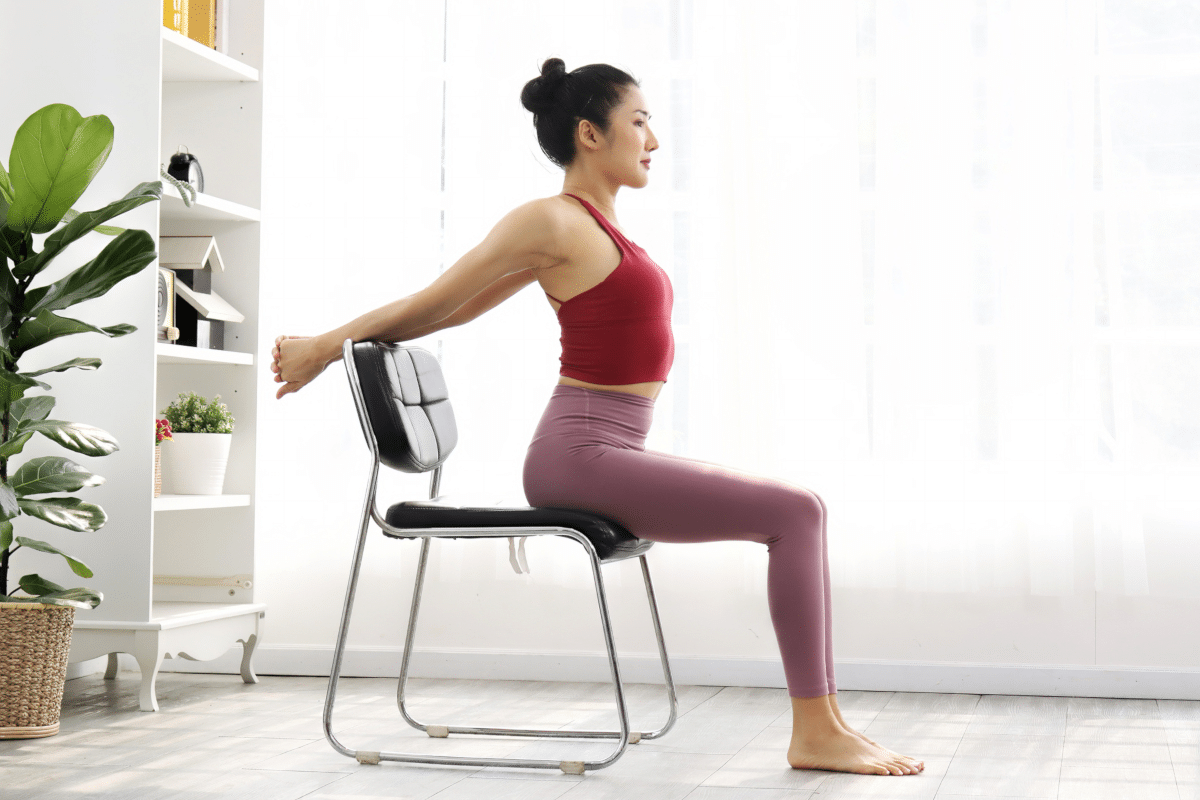
About 36 percent of seniors aged 65 and older face daily mobility issues. Chair exercises are a proven, easy way to build strength and balance. They help improve life quality from home free printable chair exercises for seniors.
Studies show that chair-based exercises help older adults in many ways. They improve balance, walking speed, and grip strength. This guide offers 15 researched seated exercises. They help seniors stay independent and achieve health gains safely and confidently.
Key Takeaways
- Chair exercises can improve balance and reduce the risk of falls.
- Seated exercises are accessible and can be done from the comfort of home.
- Regular practice can lead to improved physical function and independence.
- These exercises are designed to be safe and effective for older adults.
- Printable exercises provide a convenient way to follow along and stay motivated.
The Benefits of Chair Exercises for Seniors
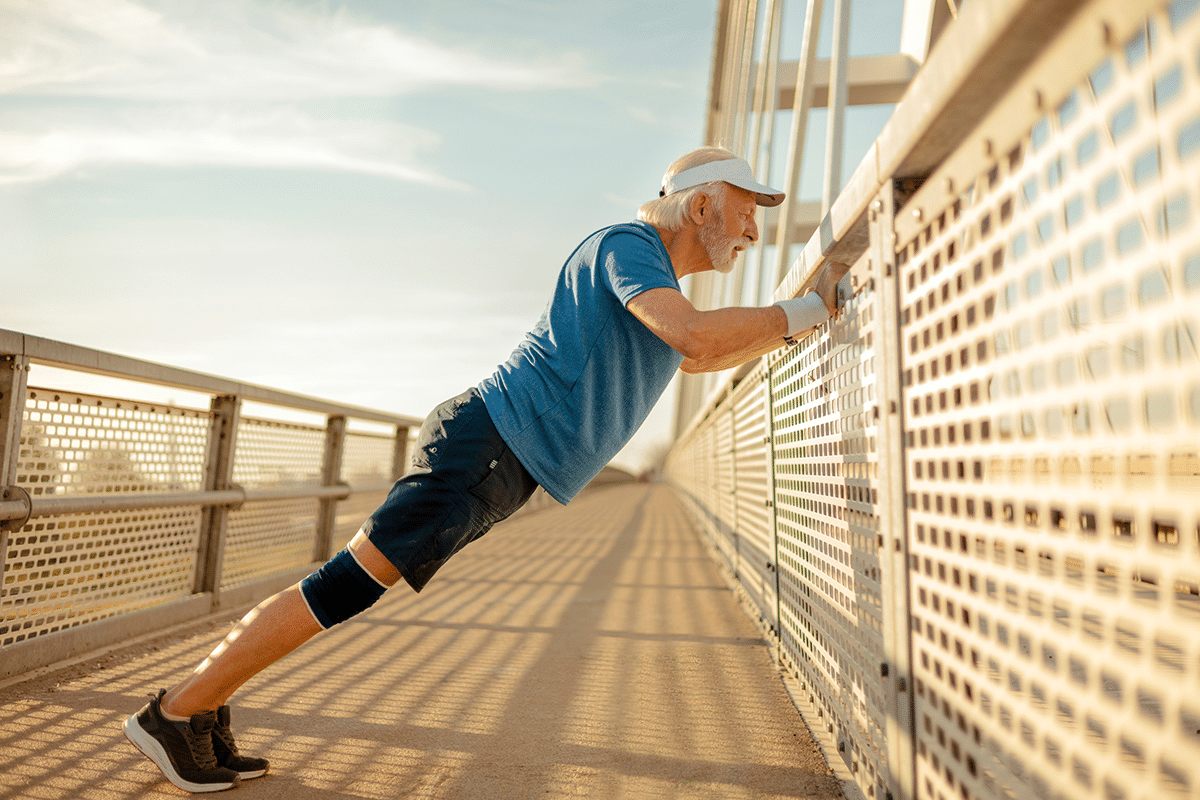
Chair exercises are great for older adults. They improve fitness and mental health. These exercises are easy to do and can be adjusted for seniors.
They help with balance, strength, and flexibility. These benefits are key for staying independent and happy as we age.
Improving Balance and Mobility
Chair exercises boost balance and mobility in seniors. They strengthen muscles and improve flexibility. This reduces the chance of falls and injuries.
Simple moves like seated leg lifts and ankle rotations help a lot.
Enhancing Strength and Flexibility
Chair exercises make daily tasks easier. They strengthen muscles and improve flexibility. This is thanks to exercises like seated arm raises and chair tricep extensions.
Seated marching and chair knee extensions also help the lower body.
Boosting Mental Health and Cognitive Function
Chair exercises are good for the mind too. They can lower depression and anxiety. They also improve mood and slow down brain decline.
Research shows seniors gain a lot from chair exercises. Here are some key findings:
|
Benefit |
Description |
Outcome |
|---|---|---|
|
Improved Balance |
Reduced risk of falls through strengthened muscles |
Enhanced mobility and independence |
|
Increased Strength |
Better performance in daily activities |
Improved overall health and functionality |
|
Better Mental Health |
Reduced symptoms of depression and anxiety |
Improved mood and cognitive function |
Safety Guidelines and Preparation
Before starting chair exercises, it’s important to know the safety rules. These exercises are great for seniors, helping with balance, strength, and flexibility. But, they must be done safely and correctly.
Choosing the Right Chair
First, pick a good chair for exercises. The chair should be strong and stable, with a wide base to prevent tipping. It’s best to use a chair without arms for more movement, but this depends on your needs and the exercises.
Key features of a safe chair for exercises include:
- A sturdy frame that won’t tip or move during exercises
- A seat height that allows your feet to be flat on the floor or on a footrest, with knees at or below hip level
- A backrest for support, for leaning back or twisting
Consulting Healthcare Providers
Always talk to healthcare providers before starting any new exercise, like chair exercises. They can help with safe exercises, how hard to do them, and any special care you might need.
Discussing the following with your healthcare provider can be helpful:
- Any health concerns or chronic conditions you have
- Medications you’re currently taking
- Previous injuries or surgeries that might impact your ability to exercise
Essential Warm-Up Techniques
Warming up before chair exercises is key. It gets your muscles and heart ready for activity. Simple warm-ups include gentle stretching, seated marching, or arm circles.
Effective warm-up tips:
- Start with gentle movements and gradually increase intensity
- Focus on the areas you’ll be exercising
- Hold stretches for a few seconds to improve flexibility
Upper Body Free Printable Chair Exercises for Seniors
Adding upper body chair exercises to your daily routine can keep seniors active and independent. These exercises are easy, safe, and work well to boost health.
Seated Shoulder Rolls
Seated shoulder rolls ease tension and boost shoulder flexibility. Sit with feet flat or on a footrest, back straight. Roll your shoulders forward and backward in a circle. Do this 10-15 times.
Arm Raises and Circles
Arm raises strengthen your arms and shoulders. Lift one arm straight out to the side until it hits shoulder height, then lower it. Do the same on the other side. For circles, hold arms straight out and make small circles with your hands. Start small and get bigger.
Seated Chest Stretch
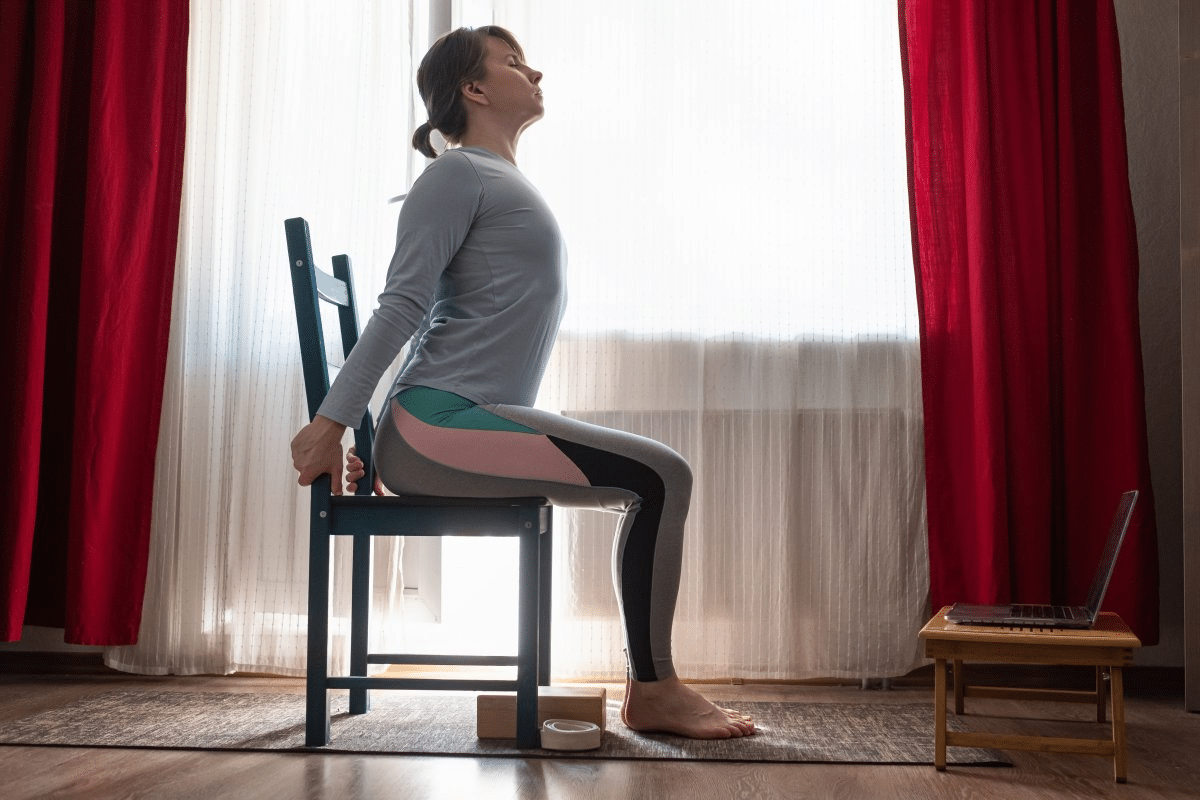
The seated chest stretch boosts chest and shoulder flexibility. Sit with feet flat, then put hands behind you on the armrests. Lean back gently, stretching your chest. Hold for 15-30 seconds, breathing deeply.
Chair Tricep Extensions
Chair tricep extensions strengthen the triceps. Hold a light weight or water bottle in one hand, arm bent behind you. Straighten your arm, then lower it back down. Repeat on the other side. Do 10-15 reps on each arm.
These exercises are great for physical health and overall well-being. Regular practice boosts mobility, strength, and flexibility. This makes daily tasks easier for seniors.
Lower Body Chair Exercises
Chair exercises for the lower body can boost balance and flexibility in older adults. They are safe, effective, and simple to add to your daily routine.
Seated Leg Lifts
Seated leg lifts strengthen your leg muscles. Sit in your chair with feet on the floor. Lift one leg straight up, hold for a few seconds, then lower it. Do the same with the other leg. Keep good posture and avoid swinging your legs.
Ankle Rotations and Foot Flexes
Ankle rotations and foot flexes boost flexibility and reduce stiffness. Lift your feet a bit off the floor. Rotate your ankles in circles, first one way and then the other. You can also flex your feet by pulling your toes back and then pointing them away. These movements can help prevent foot and ankle injuries.
Seated Marching
Seated marching improves circulation and strengthens your legs. Sit and lift your legs off the ground one at a time, like marching. Keep your knees bent and feet flexed. Marching in place while seated also boosts heart health.
Chair Knee Extensions
Chair knee extensions work the quadriceps, improving knee stability. Sit with feet flat and lift one leg straight out in front. Hold, then lower it back down. Repeat with the other leg. Do this exercise slowly to avoid knee strain.
Adding these lower body chair exercises to your daily routine can improve mobility, strength, and health. Start slow and gradually increase the intensity as you get more comfortable.
Core Strengthening and Flexibility Exercises
Seniors can greatly benefit from doing core exercises every day. These exercises help improve balance, stability, and physical function. They can be done while sitting in a chair, making them safe and easy for seniors.
Seated Side Bends
Seated side bends work the obliques, boosting flexibility and strength. Sit with your feet flat on the floor or on a footrest, keeping your back straight. Slowly bend to one side, bringing your hand down towards the floor, and then return to the starting position. Repeat on the other side. This exercise helps in improving flexibility and reducing the risk of falls.
Chair Seated Twists
Chair seated twists engage the core muscles effectively. Sit with your feet flat on the floor and your knees bent. Twist your torso to one side, keeping your feet and hips facing forward. Hold for a few seconds and then twist to the other side. This exercise improves rotational flexibility and strengthens the obliques.
Seated Pelvic Tilts
Seated pelvic tilts strengthen the lower back and improve flexibility. Sit with your feet flat on the floor and your back straight. Tilt your pelvis upwards and then backwards, repeating the motion. This exercise can help alleviate lower back pain and improve posture.
Adding these core exercises to your daily routine can greatly improve a senior’s fitness and well-being. Start slowly and gradually increase the intensity and frequency as you get more comfortable.
Balance and Coordination Chair Exercises
Chair exercises can help seniors improve balance and coordination. This can lower the risk of falls. These exercises make daily tasks safer and easier.
Seated Weight Shifts
Seated weight shifts are a great way to boost balance. Sit in a strong chair with your feet on the floor. Slowly move your weight from side to side, keeping your back straight. Do this 10 times on each side.
It’s important to do it right to avoid back pain or losing balance. Make sure the chair is stable. Having someone nearby can be helpful.
Chair-Supported Standing Balance
These exercises help seniors feel more confident and strong while standing. Stand behind a strong chair and hold it for support. Try lifting your feet a bit or stand on one foot if you can. Stay in the position for a few seconds before switching feet.
Seated Toe Taps
Seated toe taps are good for balance and coordination. Sit up straight in a chair and lift one foot off the floor. Tap your toe on the ground in front of you, then put it back down. Do the same with the other foot.
These exercises not only improve balance but also keep you flexible and mobile. Doing them regularly can greatly improve your physical stability.
Adding these exercises to your daily routine can greatly reduce fall risks. It can also improve your overall quality of life.
Creating an Effective Chair Exercise Routine
Creating a regular chair exercise routine is key for seniors to stay healthy and independent. It boosts balance, strength, and flexibility. These are vital for everyday tasks.
15-Minute Daily Routine
A 15-minute daily routine is great for seniors with little time or just starting. It should mix upper body, lower body, and core exercises.
- Seated shoulder rolls and arm raises (5 minutes)
- Seated leg lifts and ankle rotations (5 minutes)
- Seated pelvic tilts and side bends (5 minutes)
30-Minute Comprehensive Workout
For those with more time, a 30-minute workout is more detailed. It includes:
|
Exercise |
Duration |
Repetitions |
|---|---|---|
|
Seated marching |
5 minutes |
30 repetitions |
|
Chair tricep extensions |
5 minutes |
20 repetitions |
|
Seated twists |
5 minutes |
25 repetitions |
|
Seated toe taps |
5 minutes |
30 repetitions |
|
Seated weight shifts |
5 minutes |
20 repetitions |
|
Chair-supported standing balance |
5 minutes |
As needed |
Tracking Progress and Setting Goals
Keeping track of progress and setting goals is vital for staying motivated. Seniors can use a log to note their exercises, the date, and any challenges.
By following these tips and adjusting the routine to fit their needs, seniors can greatly improve their health and well-being.
How to Use Our Free Printable Chair Exercise Guide
Our free printable chair exercise guide is easy to use. It’s made for seniors to boost their fitness and move better with simple chair exercises.
Downloading and Printing Instructions
To start, download our chair exercise guide from our website. Click the download link and save the PDF on your computer. Print it on good-quality paper for lasting use.
Make sure your printer is set right for clear prints. You might also save a digital copy on your tablet or phone for easy access.
Understanding Exercise Cards and Diagrams
The chair exercise guide has exercise cards with diagrams and instructions. Each card shows a different exercise with clear illustrations. The text explains how to do the exercise safely.
Take time to look over each card. Learn what each exercise does for senior fitness. If you’re unsure, talk to a doctor or fitness expert.
Tips for Maintaining Consistency
Sticking to our chair exercise guide is important. Here are tips to help you exercise regularly:
- Set a regular time for chair exercises to make it a habit.
- Start with a few exercises and add more as you get better.
- Keep your guide where you can easily find it, like near your chair.
- Exercise with a friend or family member for extra motivation.
By following these steps and tips, you can use our free printable chair exercise guide to improve your senior fitness. Remember, being consistent and patient is key to reaching your fitness goals.
Conclusion
Chair exercises are a great way for seniors to stay active and healthy. They help keep the body strong and the mind sharp. By doing these exercises every day, older adults can really improve their life quality.
These exercises do more than just keep the body moving. They also help with balance, mental health, and thinking skills. Regularly doing these exercises helps seniors stay independent and active.
There are many exercises for older adults that are safe and work well. Starting a chair exercise routine is a smart health choice. It helps prevent falls and other health problems that come with age.
To see the best results, seniors should stick to their exercise plan. They can use the free printable guide to keep track of their progress. This helps them stay motivated and on track.
FAQ
What are the benefits of chair exercises for seniors?
Chair exercises help seniors stay balanced and move better. They also build strength and flexibility. Plus, they can improve mental health and keep the mind sharp.
How do I choose the right chair for chair exercises?
Pick a chair that’s strong and stable. It should have a wide base and no arms. Or, choose a chair with arms if you need support. Make sure the chair sits on a surface that won’t slip.
Are chair exercises safe for seniors with health conditions?
Always talk to your doctor before starting any new exercise. This is very important if you have health issues. They can make sure the exercises are safe for you.
How often should I do chair exercises?
Try to do chair exercises 2-3 times a week. Aim for 15-30 minutes each time. Doing them regularly will help you get better.
Can chair exercises help with balance and coordination?
Yes, they can. Exercises like seated weight shifts and seated toe taps can improve balance and coordination.
How do I track my progress with chair exercises?
Keep a workout log or use a mobile app. This will help you track your exercises and progress. It’s a good way to see how far you’ve come and set new goals.
Can I modify chair exercises to suit my fitness level?
Yes, you can. Many exercises can be made easier by doing fewer reps or sets. You can also use lighter weights.
How do I use the free printable chair exercise guide?
First, download and print the guide. Then, follow the instructions on the cards and diagrams. Use it to help you stay on track with your exercises and see how you’re doing.
Are chair exercises suitable for seniors with mobility issues?
Yes, they are. Chair exercises are great for seniors with mobility problems. They can be done while sitting and help improve strength, flexibility, and balance.
Reference
National Center for Biotechnology Information. Chair Exercises Improve Strength and Balance for Seniors. Retrieved from https://pmc.ncbi.nlm.nih.gov/articles/PMC4039312/