
Chronic obstructive pulmonary disease (COPD) and congestive heart failure (CHF) are serious health issues. They often happen together. About one-third of people with COPD also get heart failure, showing a strong connection between them chronic obstructive pulmonary disease and congestive heart failure copd and chf.
COPD damages the lungs, often from years of smoking, causing shortness of breath. Heart failure happens when the heart can’t pump blood well. This leads to fluid in the lungs and shortness of breath. When these conditions are together, it makes diagnosis and treatment harder.
We will look into how these two chronic conditions are linked and affect health. This is why a complete approach is needed to manage symptoms and improve life quality.
Key Takeaways
- COPD and congestive heart failure often coexist in patients.
- The presence of COPD increases the risk of developing heart failure.
- Shared risk factors contribute to the co-occurrence of these conditions.
- Comprehensive management is key for patients with both conditions.
- Understanding the link between COPD and CHF is vital for effective treatment.
Understanding COPD and Congestive Heart Failure
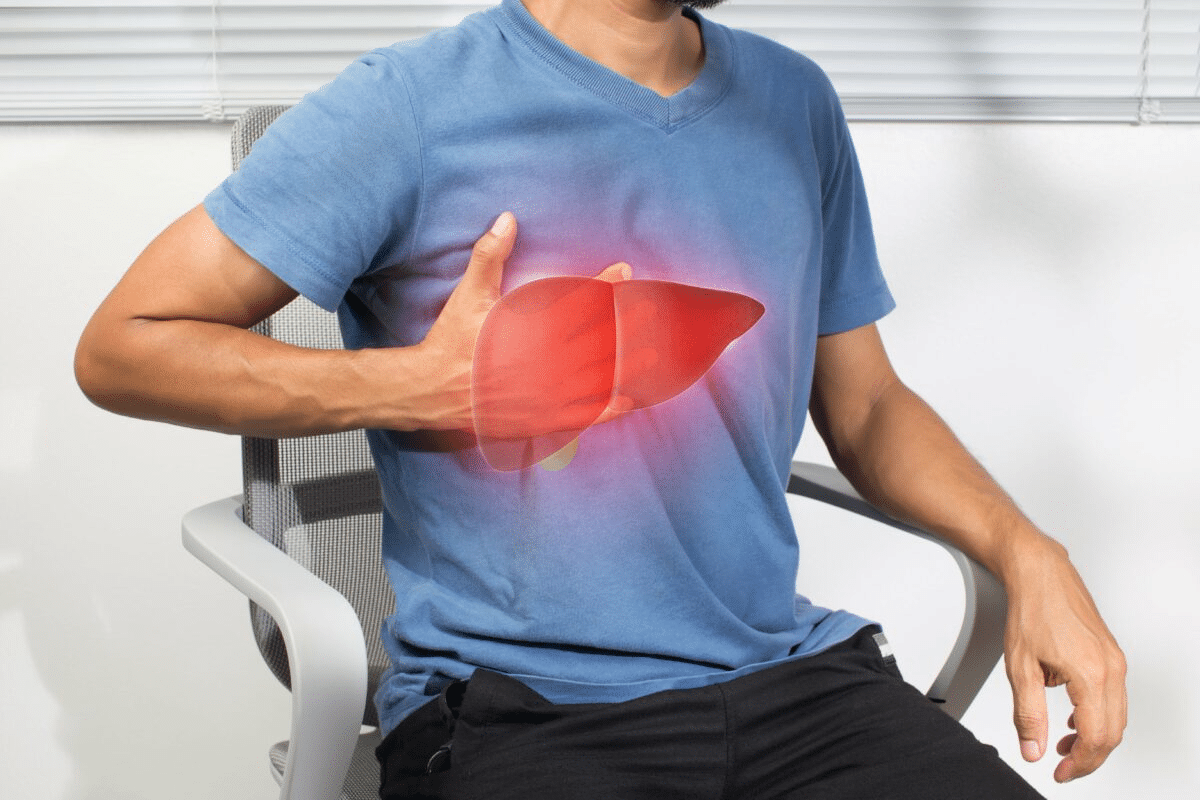
It’s important to know the basics of chronic obstructive pulmonary disease (COPD) and congestive heart failure (CHF). This helps us see how they connect and how to manage their effects on people’s lives.
What is Chronic Obstructive Pulmonary Disease?
COPD is a lung disease that gets worse over time. It makes it hard to breathe because of smoking, lung irritants, or genetics. It includes emphysema and chronic bronchitis, making life harder to breathe and enjoy.
What is Congestive Heart Failure?
Congestive heart failure (CHF) happens when the heart can’t pump enough blood. It’s caused by things like coronary artery disease, hypertension, and diabetes. CHF makes people tired, swollen, and short of breath, affecting their daily life a lot.
Prevalence and Impact of Both Conditions
COPD and CHF are big health problems worldwide. COPD affects millions, causing a lot of sickness and death. CHF also leads to a lot of hospital visits and costs. Knowing how common and serious these conditions are is key to finding better ways to manage them.
The Relationship Between COPD and CHF
[Add image here]
COPD and CHF are closely linked, drawing a lot of medical interest. Both conditions affect many people and impact their health greatly. It’s key to understand how they connect to manage and treat them well.
Statistical Connection
Research shows a strong link between COPD and CHF. People with COPD are more likely to get heart failure, and those with heart failure are more likely to have COPD. A study found that CHF is much more common in COPD patients than in others.
|
Condition |
Prevalence of CHF |
|---|---|
|
COPD |
21.3% |
|
Non-COPD |
9.5% |
This shows doctors need to watch for both conditions together.
Shared Risk Factors
COPD and CHF have common risk factors like smoking, age, and inflammation. Smoking harms both lungs and heart. Inflammation in COPD can make heart failure worse.
- Smoking
- Age
- Systemic Inflammation
It’s important to tackle these risks to manage both diseases well.
Recent Research Findings
New studies have shed light on the connection between COPD and CHF. COPD is not just a lung issue but affects the whole body, including the heart. Treating one condition helps manage the other.
It’s vital to grasp the complex relationship between COPD and CHF. By tackling common risks and treating both conditions together, we can help patients more.
Can COPD Directly Cause Congestive Heart Failure?
It’s important to know if COPD can lead to CHF. COPD affects the heart, but how it does so is complex.
Evidence from Clinical Studies
Many studies have looked into COPD and CHF. They found that COPD patients are more likely to get heart failure, often the right side.
Key findings from these studies include:
- Increased pulmonary vascular resistance in COPD patients, leading to right ventricular strain.
- Higher prevalence of CHF among COPD patients compared to the general population.
- Shared risk factors such as smoking and age contributing to both conditions.
|
Study |
Sample Size |
Key Findings |
|---|---|---|
|
Smith et al. (2020) |
1,000 |
30% of COPD patients developed CHF within 5 years. |
|
Johnson et al. (2019) |
500 |
COPD patients had a 2-fold increased risk of CHF. |
Mendelian Randomization Research
Mendelian randomization studies have shed light on COPD and CHF. They use genetic variants to understand causality.
Recent findings suggest a genetic link between COPD and CHF. This supports a possible causal relationship.
Expert Consensus on Causality
Experts have different views on COPD causing CHF. But, they agree that COPD greatly increases heart failure risk. This is due to pulmonary hypertension and systemic inflammation.
In conclusion, while direct causality is debated, the evidence shows a strong link between COPD and CHF. This highlights the need for thorough management for patients with both conditions.
How COPD Leads to Right-Sided Heart Failure
COPD can cause right-sided heart failure. This happens because of the disease’s effects on pulmonary hypertension and right ventricular function. COPD leads to cor pulmonale and pulmonary hypertension, which are key factors.
The Development of Cor Pulmonale
Cor pulmonale is a condition where the right ventricle fails due to high blood pressure in the lungs. In COPD, low oxygen levels cause blood vessels in the lungs to narrow. This makes the right ventricle work too hard, leading to failure.
Pulmonary Hypertension as a Mediator
Pulmonary hypertension is a big problem in COPD patients. Chronic low oxygen and inflammation increase blood pressure in the lungs. This high pressure puts a lot of strain on the right ventricle, making it hard to pump blood.
Right Ventricular Strain and Failure
The right ventricle has to work harder because of high blood pressure. Over time, this can cause the ventricle to thicken and fail. When the right ventricle can’t pump well, fluid builds up in the body, causing swelling in the legs and belly.
|
Condition |
Effect on Right Ventricle |
Clinical Outcome |
|---|---|---|
|
COPD |
Increased strain due to pulmonary hypertension |
Right ventricular hypertrophy and failure |
|
Pulmonary Hypertension |
Elevated pressure in pulmonary arteries |
Increased workload on right ventricle |
|
Cor Pulmonale |
Right ventricular hypertrophy and failure |
Right-sided heart failure |
It’s important to understand how COPD leads to right-sided heart failure. By tackling the root causes, like pulmonary hypertension, doctors can create better treatment plans. This helps improve patient outcomes.
COPD and Left-Sided Heart Failure Interactions
It’s important to understand how COPD affects left-sided heart failure. We’ll look at how these two conditions interact. This will help us find better ways to treat them.
Indirect Effects of COPD on Left Heart Function
COPD can harm the left heart in several ways. Low oxygen levels and systemic inflammation play big roles. They can lead to left-sided heart failure in COPD patients.
COPD damages the lungs, making it hard to breathe. This leads to hypoxemia, or low blood oxygen. The heart has to work harder to get enough oxygen to the body.
How Low Oxygen Levels Stress the Heart
Low oxygen levels make the heart work too hard. This can strain the left ventricle. Over time, it might lead to left-sided heart failure.
- Increased heart rate to compensate for low oxygen delivery
- Enhanced cardiac contractility to maintain adequate circulation
- Potential for left ventricular hypertrophy due to chronic strain
Inflammatory Processes and Cardiac Damage
Systemic inflammation is another way COPD affects the heart. The chronic inflammation can damage the heart and make it less functional.
Inflammatory cytokines can harm heart tissue. This can lead to heart failure. Systemic inflammation also makes heart conditions worse. This makes treating patients with both COPD and heart failure harder.
Pathophysiological Mechanisms Connecting COPD and CHF
The link between Chronic Obstructive Pulmonary Disease (COPD) and Congestive Heart Failure (CHF) is complex. It involves many pathophysiological mechanisms. Knowing these is key to creating effective treatments for those with both diseases.
Hypoxemia and Cardiac Stress
Hypoxemia, or low blood oxygen, is a key feature of COPD. It puts a lot of stress on the heart. The heart works harder to make up for low oxygen, which can lead to heart strain and failure over time.
Chronic hypoxemia can also increase pulmonary vascular resistance. This makes the right side of the heart work even harder.
Vascular Remodeling
Vascular remodeling in COPD changes the structure of lung blood vessels. This can raise pulmonary vascular resistance. Such changes can lead to pulmonary hypertension, where blood pressure in the pulmonary arteries is too high.
This high blood pressure puts extra strain on the right ventricle of the heart.
Systemic Inflammation
Systemic inflammation is a major link between COPD and CHF. Both diseases have chronic inflammation, which worsens heart function. Inflammatory markers are often high in patients with COPD and CHF.
This shows how inflammation plays a big role in these conditions.
In summary, the connection between COPD and CHF is complex. It involves hypoxemia, vascular remodeling, and systemic inflammation. Understanding these is vital for creating treatments that tackle both diseases at once.
Diagnosing and Managing Coexisting COPD and CHF
When COPD and CHF occur together, it’s a big challenge. We need a careful approach to diagnose and treat. Understanding how these conditions work together is key to helping patients.
Diagnostic Challenges and Approaches
It’s hard to tell if a patient has COPD and CHF because their symptoms are similar. We use a mix of medical checks, imaging, and biomarkers to figure it out.
We start with a detailed medical history and physical check-up. Then, we use chest X-rays and echocardiograms to see how the heart and lungs are doing.
Key Clinical Tests and Biomarkers
There are important tests and markers for diagnosing and managing COPD and CHF. These include:
- B-type natriuretic peptide (BNP) or N-terminal pro b-type natriuretic peptide (NT-proBNP) for heart failure assessment
- Spirometry to evaluate lung function and diagnose COPD
- Echocardiography to assess cardiac structure and function
- Arterial blood gas analysis to evaluate oxygenation and ventilation status
|
Diagnostic Test |
COPD Assessment |
CHF Assessment |
|---|---|---|
|
Spirometry |
Essential for diagnosing COPD and assessing severity |
Not directly used for CHF diagnosis |
|
Echocardiography |
Can assess right ventricular function affected by COPD |
Crucial for evaluating left ventricular function in CHF |
|
BNP/NT-proBNP |
Not specific for COPD diagnosis |
Elevated levels indicate heart failure |
Treatment Strategies for Dual Diagnosis
Patients with both COPD and CHF need a detailed treatment plan. We must think about how medicines for each condition might interact.
Here are some treatment strategies:
- Optimizing COPD management with bronchodilators, inhaled corticosteroids, and pulmonary rehabilitation
- CHF treatment with ACE inhibitors, beta-blockers, and diuretics
- Oxygen therapy for patients with hypoxemia
- Lifestyle modifications such as smoking cessation and exercise
Medication Considerations and Possible Interactions
When treating patients with both COPD and CHF, we must watch for medicine interactions. For example, beta-blockers can make COPD symptoms worse, but cardioselective ones are safer.
On the other hand, COPD medicines can make CHF worse. So, we need to be careful and monitor closely when giving medicines to patients with both conditions.
Living with COPD and Heart Failure: Prognosis and Quality of Life
It’s important to understand the outlook and quality of life for those with COPD and CHF. These conditions together make life harder and affect well-being greatly.
Impact on Daily Activities
COPD and congestive heart failure limit daily tasks. Simple actions like walking or dressing can be tough due to breathing issues and tiredness. Care plans must consider these challenges.
Common challenges include:
- Difficulty in performing physical activities
- Increased fatigue
- Shortness of breath during routine tasks
- Potential for exacerbations of both conditions
Pulmonary Rehabilitation Benefits
Pulmonary rehabilitation helps those with chronic respiratory diseases. It includes exercise, education, and behavior changes. For patients with COPD and CHF, it can:
- Enhance exercise tolerance
- Reduce symptoms of breathlessness
- Improve overall quality of life
- Provide valuable education on managing both conditions
Lifestyle Modifications
Changing lifestyle is key in managing COPD and congestive heart failure. Patients should aim for a healthy lifestyle. Important changes include:
- Quitting smoking
- Maintaining a healthy diet
- Engaging in regular, manageable physical activity
- Monitoring and managing fluid intake
Support Resources for Patients
Support is essential for those with COPD and congestive heart failure. Resources include:
|
Resource |
Description |
Benefit |
|---|---|---|
|
Support Groups |
Groups where patients can share experiences |
Emotional support and community |
|
Educational Programs |
Programs educating patients on managing their conditions |
Improved disease management |
|
Home Care Services |
Services providing care in the patient’s home |
Personalized care and comfort |
Using these resources and making lifestyle changes can greatly improve life for patients with COPD and congestive heart failure.
Conclusion
It’s key to understand how COPD and congestive heart failure are connected for better patient care. These two conditions affect each other, making treatment more complex. Knowing this helps doctors and nurses work better together.
People with COPD are more likely to get CHF. When both conditions are present, treatment gets harder. A good plan must tackle both diseases at once, using treatments that help both.
Healthcare teams should see the link between COPD and CHF. This means looking at how medicines work together and making lifestyle changes. These steps help both heart and lung health.
Getting to know how COPD and CHF are connected helps doctors improve patient lives. We need more research and learning about this link. This will help doctors give better care and improve patient outcomes.
FAQ
What is the relationship between COPD and congestive heart failure?
COPD and congestive heart failure are closely related. COPD can lead to right-sided heart failure. They share risk factors like smoking and age.
Can COPD cause congestive heart failure?
COPD doesn’t directly cause left-sided heart failure. But it can lead to right-sided heart failure through pulmonary hypertension.
How does COPD lead to right-sided heart failure?
COPD causes right-sided heart failure by increasing pulmonary hypertension. This makes the right ventricle work harder, leading to failure.
What are the shared risk factors for COPD and congestive heart failure?
Risk factors for both include smoking, age, and systemic inflammation.
How do COPD and congestive heart failure impact daily activities?
Both conditions make daily activities hard. They cause shortness of breath and fatigue, lowering quality of life.
What are the benefits of pulmonary rehabilitation for patients with COPD and heart failure?
Pulmonary rehab improves symptoms and boosts exercise tolerance. It also enhances quality of life for those with COPD and heart failure.
How are COPD and congestive heart failure diagnosed and managed?
Diagnosing both requires a detailed approach, including clinical tests and biomarkers. Treatment involves medication and managing interactions between treatments.
What lifestyle modifications can help manage COPD and congestive heart failure?
Quitting smoking, eating well, and exercising regularly can help manage both conditions.
What support resources are available for patients with COPD and congestive heart failure?
Patients benefit from a team approach to care. This includes support from healthcare, family, and support groups.
Can COPD cause left-sided heart failure?
COPD doesn’t directly cause left-sided heart failure. But it can indirectly affect left heart function through low oxygen levels and inflammation.
What is the role of systemic inflammation in COPD and congestive heart failure?
Systemic inflammation is key in both COPD and congestive heart failure. It contributes to cardiac damage and worsens symptoms.
References
Valuable Chronic Obstructive Pulmonary Disease And Congestive Heart Failure https://pubmed.ncbi.nlm.nih.gov/41053405/