Did you know the secret to great health might be in your local grocery store? Fruits and vegetables full of vitamins and minerals are nature’s best helpers. They fight chronic diseases and boost your immune system.Find the healthiest vitamins in food. This essential guide lists the top 10 fruits, vegetables, and sources for your diet.
At Liv Hospital, we guide patients with the latest nutritional advice. We help you find the best vitamin-rich foods to improve your health. Eating a mix of healthy foods, like fruits, veggies, nuts, seeds, and lean proteins, supports your overall health.
We stress the importance of a balanced diet for good health. We show how fruits and veggies are key sources of important nutrients.
Key Takeaways
- Eating a variety of fruits and vegetables is key for good health.
- Vitamins and minerals are vital in fighting chronic diseases.
- A balanced diet with nutrient-rich foods boosts your immune system.
- Fruits and veggies are full of essential nutrients.
- Adding vitamin-rich foods to your diet can change your health for the better.
- Nuts, seeds, and lean proteins are also good for your health.
The Vital Role of Vitamins and Minerals in Optimal Health
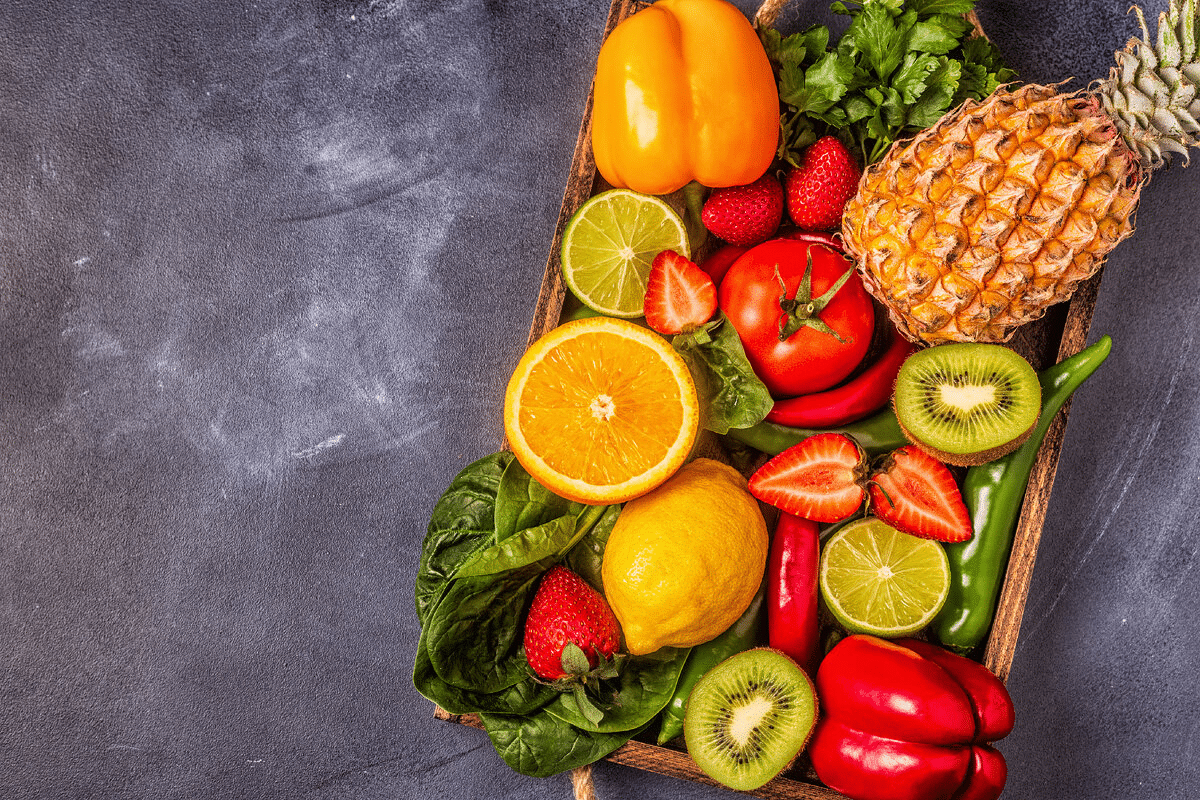
Vitamins and minerals are key for good health. They help our bodies work right, from making energy to fighting off sickness.
How Micronutrients Support Essential Bodily Functions
Micronutrients play a big part in our body’s functions. For example, vitamin B12 helps make red blood cells. And calcium is vital for strong bones. Eating foods full of vitamins and minerals keeps our bodies in top shape.
Disease Prevention Benefits of Vitamin-Rich Diets
Eating lots of fruits and veggies can lower disease risk. This includes heart disease, cancer, obesity, and diabetes. Foods rich in vitamins offer antioxidants and anti-inflammatory effects. Adding vitamin-rich foods to our meals can greatly lower disease risk.
Recommended Daily Intake Guidelines
Knowing how much vitamins and minerals we need is important. The amount depends on age, sex, and health. For instance, adults need 60-90 mg of vitamin C every day. Pregnant women need even more. Talking to a doctor or nutritionist can help figure out what we need.
Understanding the Healthiest Vitamins and Their Food Sources
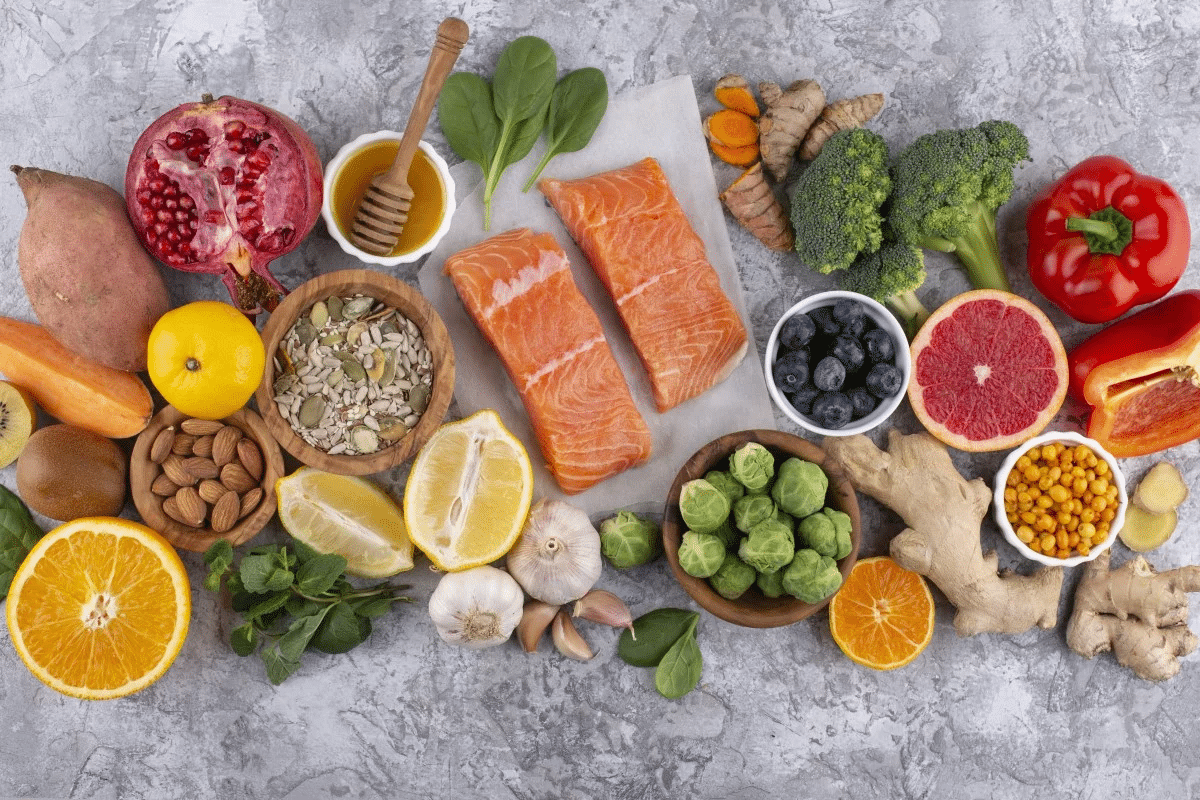
To stay healthy, knowing the vitamins we need and where to find them is key. Vitamins are split into two groups: fat-soluble and water-soluble. Each group has its own roles and food sources.
Fat-Soluble Vitamins (A, D, E, K) and Where to Find Them
Fat-soluble vitamins are stored in fatty tissues and the liver. They help with vision, immune function, and bone health.
Vitamin A is important for vision, immune function, and skin health. You can find it in sweet potatoes, carrots, and dark leafy greens like kale and
Vitamin D is key for bone health and immune function. You can get it from fatty fish like salmon, fortified dairy, and sunlight.
Vitamin E protects cells from damage. Nuts and seeds, such as almonds and sunflower seeds, are full of Vitamin E.
Vitamin K helps with blood clotting and bone health. Spinach, kale, and broccoli are great sources of Vitamin K.
|
Vitamin |
Function |
Food Sources |
|---|---|---|
|
Vitamin A |
Vision, immune function, skin health |
Sweet potatoes, carrots, kale, spinach |
|
Vitamin D |
Bone health, immune function |
Salmon, fortified dairy products, sunlight |
|
Vitamin E |
Antioxidant, cell protection |
Almonds, sunflower seeds |
|
Vitamin K |
Blood clotting, bone health |
Spinach, kale, broccoli |
Water-Soluble Vitamins (B Complex, C) and Their Benefits
Water-soluble vitamins need to be eaten often because they’re not stored in the body. They help with energy, nerve function, and heart health.
B Vitamins are important for energy, nerve function, and heart health. You can find them in whole grains, lean meats, and legumes.
Vitamin C is essential for the immune system, skin health, and iron absorption. Citrus fruits, strawberries, and bell peppers are rich in Vitamin C.
Signs of Common Vitamin Deficiencies
Knowing the signs of vitamin deficiencies is important for early treatment. Common signs include fatigue, weak immune function, and skin issues.
A lack of Vitamin C can cause scurvy, with symptoms like fatigue, swollen gums, and joint pain. Vitamin B12 deficiency can lead to fatigue, weakness, and neurological problems.
|
Vitamin Deficiency |
Common Signs |
Food Sources to Address Deficiency |
|---|---|---|
|
Vitamin C |
Fatigue, swollen gums, joint pain |
Citrus fruits, strawberries, bell peppers |
|
Vitamin B12 |
Fatigue, weakness, neurological changes |
Lean meats, fish, dairy products |
Leafy Green Vegetables: Vitamin and Mineral Powerhouses
Leafy green vegetables are packed with vitamins and minerals. They are essential for our bodies, helping with energy and keeping us healthy. Let’s look at some of the most nutritious leafy greens.
Spinach: Iron, Folate, and Vitamins A, C, and K
Spinach is a top choice for leafy greens. It’s full of iron, folate, and vitamins A, C, and K. Iron helps make healthy red blood cells, and folate aids in cell growth. Vitamins A, C, and K boost our immune system, skin, and bones. You can add spinach to salads, smoothies, or sauté it as a side.
Kale: The Nutritional Superstar with Cancer-Fighting Properties
Kale is known for its nutritional value. It’s loaded with vitamins A, C, and K, and minerals like calcium and potassium. Kale’s antioxidants may fight cancer. Enjoy kale raw in salads, cooked in soups, or blended into smoothies.
Collard Greens and Swiss Chard: Calcium and Magnesium Champions
Collard greens and Swiss chard are also great for nutrition. They’re full of calcium and magnesium, important for strong bones and muscles. Cook them like kale and spinach to add variety to your meals.
Including leafy greens in your diet has many benefits:
- Increases vitamin and mineral intake
- Supports healthy bones and immune system
- Offers antioxidants that fight chronic diseases
Eating a variety of leafy greens can greatly improve your health and well-being.
Citrus Fruits: Nature’s Vitamin C Champions
Citrus fruits are known for their high vitamin C levels. Vitamin C is key for a strong immune system. These fruits are among the best sources of this important vitamin.
Oranges and Grapefruits: Immune System Boosters
Oranges and grapefruits are tasty and full of vitamin C. This vitamin is vital for our immune health. Eating them often can fight off infections and keep us healthy. Oranges and grapefruits are great for boosting our immune system.
Lemons and Limes: Antioxidant Properties and Culinary Uses
Lemons and limes are also high in vitamin C. They add flavor and nutrition to many dishes. Their antioxidants protect our cells. Lemons and limes are versatile and loved worldwide.
Vitamin C’s Role in Collagen Production and Iron Absorption
Vitamin C is needed for making collagen. Collagen is important for our skin, bones, and connective tissue. It also helps our body absorb iron, which is good for our red blood cells. Eating citrus fruits boosts collagen and iron absorption, helping our health.
Eating citrus fruits is a smart way to get more vitamin C. They offer many health benefits and are great in cooking. Citrus fruits are a key part of a healthy diet.
Cruciferous Vegetables: Nutrient-Dense Disease Fighters
Cruciferous vegetables are key to a healthy diet. They are packed with vitamins, minerals, and nutrients. These help keep you healthy and fight off diseases.
Broccoli: Vitamin C, K, and Cancer-Preventing Compounds
Broccoli is famous for its health benefits. It’s full of vitamins C and K. It also has compounds that may prevent cancer. Broccoli is a great choice for a healthy diet, boosting your immune system and possibly lowering cancer risk.
Cauliflower: Low-Calorie Source of B Vitamins and Choline
Cauliflower is a low-calorie veggie with lots of nutrients. It’s rich in B vitamins and choline, good for your brain and metabolism. Cauliflower is easy to add to many dishes, making it a smart way to get more nutrients.
Brussels Sprouts: Vitamin K and Glucosinolates for Cellular Health
Brussels sprouts are small but full of nutrients. They’re packed with vitamin K and glucosinolates. These help keep your cells healthy and may lower inflammation and improve heart health. Brussels sprouts are a great choice for a nutritious diet.
Cruciferous vegetables are rich in important nutrients. These include:
- Vitamin C: Important for immune function
- Vitamin K: Essential for blood clotting and bone health
- Glucosinolates: Compounds with cancer-preventing properties
- B Vitamins: Crucial for energy production and metabolic processes
Eating cruciferous vegetables can greatly improve your health. They are full of nutrients and may help prevent chronic diseases. Adding them to your meals is a smart move for your health.
Berries and Colorful Fruits: Antioxidant-Rich Vitamin Sources
Fruits with bright colors are full of vitamins and minerals. Berries and colorful fruits are not only pretty but also packed with nutrients. They offer many health benefits. Let’s look at some of these fruits and their nutritional values.
Blueberries and Strawberries: Vitamin C and Brain-Boosting Anthocyanins
Blueberries and strawberries are among the most antioxidant-rich fruits. They are loaded with vitamin C and anthocyanins. These have been shown to boost brain health. Eating these fruits can help your brain and provide vitamin C naturally.
Papaya and Guava: Tropical Fruits Packed with Vitamins A and C
Papaya and guava are tropical fruits rich in vitamins A and C. These vitamins are key for healthy skin, a strong immune system, and good eye health. Their antioxidants can also fight chronic diseases.
Avocados: Healthy Fats, Vitamin E, and Potassium
Avocados are often seen as vegetables but are actually fruits. They offer healthy fats, vitamin E, and potassium. These nutrients are good for the heart, help you feel full, and are vital for the body. Avocados are easy to add to many dishes.
Root Vegetables and Squashes: Beta-Carotene Powerhouses
Root vegetables and squashes are packed with nutrients like beta-carotene. They add flavor to our meals and boost our health. Let’s look at some key ones and their health benefits.
Carrots and Sweet Potatoes: Vitamin A Precursors for Eye Health
Carrots and sweet potatoes are full of beta-carotene, a vitamin A precursor. Vitamin A is key for healthy vision, immune function, and skin. Eating foods rich in beta-carotene can lower the risk of eye diseases.
“A diet rich in fruits and vegetables, like carrots and sweet potatoes, can lower chronic disease risk,” say nutrition experts.
Butternut and Acorn Squash: B Vitamins and Fiber
Butternut and acorn squash are tasty and nutritious. They’re full of B vitamins and fiber. Fiber helps with digestion and blood sugar. B vitamins boost energy and can prevent birth defects.
- Butternut squash has vitamin B6 for brain and blood cell health.
- Acorn squash is rich in magnesium for muscles, nerves, and bones.
Beets: Folate, Manganese, and Natural Nitrates
Beets are rich in folate, manganese, and nitrates. Folate is vital for cell growth and red blood cells. Manganese supports bones and metabolism. Nitrates can lower blood pressure and improve exercise.
Adding these veggies to your meals is easy. Roast, boil, or sauté them for various dishes. This way, you get their nutritional benefits and support your health.
Nuts, Seeds, and Legumes: Plant-Based Vitamin Treasures
Nuts, seeds, and legumes are packed with vitamins and minerals. They also offer plant-based protein, making them great for a balanced diet. Let’s look at the nutritional benefits of these foods, focusing on their vitamin and mineral content.
Almonds and Sunflower Seeds: Vitamin E for Skin Health
Almonds and sunflower seeds are rich in vitamin E. This vitamin is key for skin health. It fights off cell damage from free radicals. Eating foods high in vitamin E can help keep your skin healthy and may lower the risk of skin problems.
Lentils and Beans: B Vitamins and Plant-Based Protein
Lentils and beans are full of plant-based protein and B vitamins like folate, thiamine, and iron. These nutrients are vital for energy, nerve function, and heart health. Adding lentils and beans to your meals can boost your overall health and well-being.
Chia and Flax Seeds: Omega-3s and Micronutrients
Chia and flax seeds are loaded with omega-3 fatty acids and micronutrients. They’re good for heart health and provide essential fatty acids. They also have fiber, which is great for your digestive system.
|
Food |
Key Nutrients |
Health Benefits |
|---|---|---|
|
Almonds |
Vitamin E, Magnesium |
Skin health, Antioxidant properties |
|
Sunflower Seeds |
Vitamin E, Selenium |
Antioxidant properties, Immune support |
|
Lentils |
B Vitamins, Iron |
Energy production, Heart health |
|
Chia Seeds |
Omega-3s, Fiber |
Heart health, Digestive health |
|
Flax Seeds |
Omega-3s, Fiber |
Heart health, Digestive health |
In conclusion, nuts, seeds, and legumes are true vitamin treasures. They offer many health benefits, from skin health to heart health and energy. Adding these foods to your diet can greatly improve your overall health and well-being.
Conclusion: Building a Balanced Diet Rich in Essential Vitamins
We’ve looked at many foods rich in vitamins that can boost our health. A balanced diet with fruits, veggies, nuts, seeds, and whole foods gives us all the vitamins and minerals we need.
Eating a variety of foods is key. Citrus fruits are full of vitamin C. Leafy greens have vitamins A, C, and K. Nuts and seeds are packed with vitamin E. This helps keep us healthy and lowers disease risk.
Adding vitamin-rich fruits and veggies like berries, cruciferous, and root veggies to our meals is smart. They give us important nutrients and antioxidants. Making smart food choices helps us stay healthy and happy.
By focusing on vitamins and minerals in our food, we can greatly improve our health. Eating a variety of fruits and veggies, and choosing vitamin-rich foods, makes a big difference.
FAQ
What are the best sources of vitamins and minerals?
Eating a variety of whole foods is key. Include fruits, vegetables, nuts, seeds, and legumes. They are packed with vitamins and minerals.
How do I ensure I’m getting enough vitamins and minerals in my diet?
Eat a variety of colorful foods. Add leafy greens and whole grains to your meals. This way, you get a wide range of vitamins and minerals.
What are some examples of vitamin-rich foods?
Oranges and grapefruits are full of vitamin C. Spinach and kale are great for vitamins A, C, and K.
Can I get all the necessary vitamins and minerals from food alone?
A balanced diet usually covers most vitamins and minerals. But, some people might need supplements due to health needs or dietary restrictions.
What are the benefits of consuming foods rich in vitamins and minerals?
Eating foods rich in vitamins and minerals supports your body. It helps prevent diseases and lowers the risk of chronic conditions.
How do vitamins and minerals support immune function?
Vitamins like C in citrus fruits are key for immune health. They help keep your body strong and healthy.
Are there any specific vitamins or minerals that are commonly deficient in people’s diets?
Yes, many lack vitamin D, iron, and calcium. A balanced diet and supplements can help fill these gaps.
Can a diet rich in vitamins and minerals help prevent chronic diseases?
Absolutely. A diet full of vitamins and minerals can lower the risk of heart disease, diabetes, and some cancers.
How do I identify signs of vitamin deficiencies?
Look out for fatigue, skin issues, or weak immune function. If you notice these, talk to a healthcare professional.
What are some good sources of fat-soluble vitamins?
Foods high in healthy fats are great. Nuts, seeds, and avocados are full of vitamins A, D, E, and K.
How can I incorporate more vitamin-rich foods into my diet?
Try new recipes and explore different cuisines. Adding a variety of whole foods to your meals is a good start.
References
National Center for Biotechnology Information. Evidence-Based Medical Guidance. Retrieved from https://www.ncbi.nlm.nih.gov/pmc/articles/PMC3649719/
National Center for Biotechnology Information. Evidence-Based Medical Guidance. Retrieved from https://www.ncbi.nlm.nih.gov/books/NBK545442/