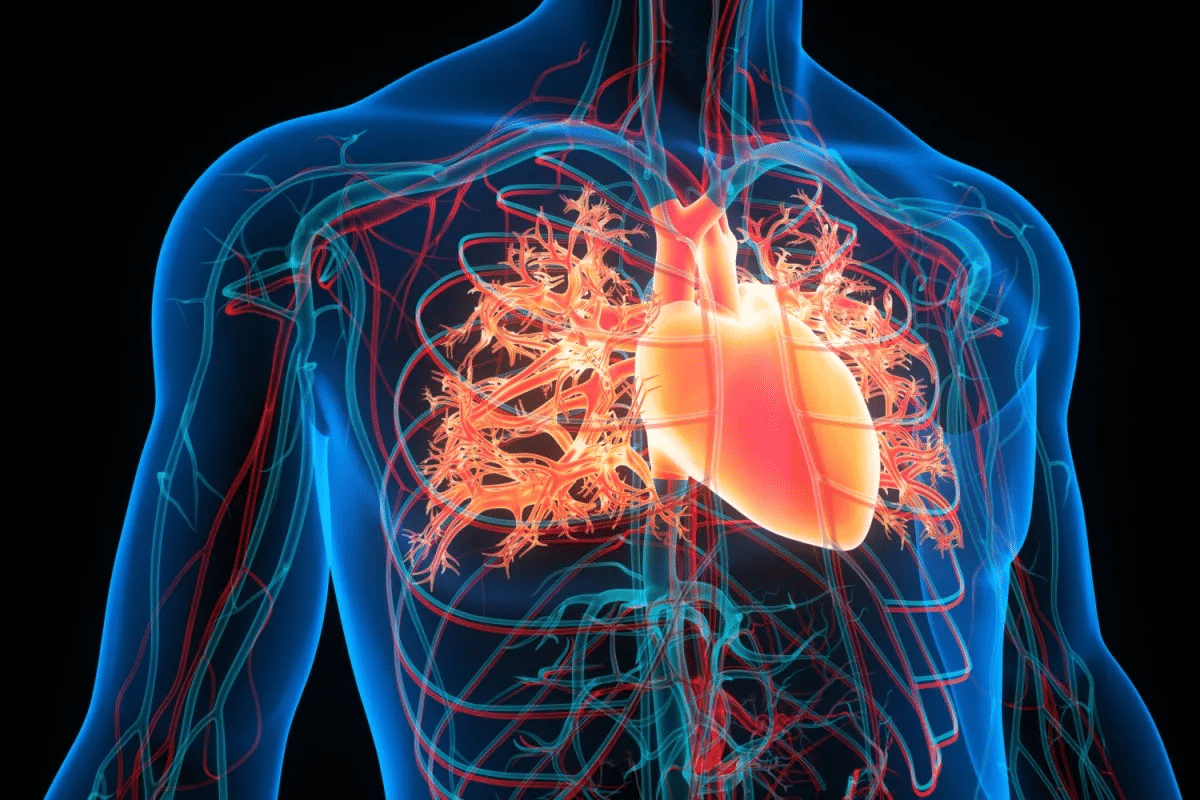
As we get older, our heart’s performance changes. Maintaining a healthy cardiovascular age is key for a long, disease-free life. At Liv Hospital, we focus on preventive health to help you heart pumping capacity by age.
Your actual age doesn’t always show your heart’s health. Your cardiovascular age depends on your lifestyle, stress, and health. We’ll show you how to improve your heart health through lifestyle changes.
Key Takeaways
- Understanding the difference between chronological and cardiovascular age.
- Lifestyle changes can significantly improve cardiovascular health.
- Stress levels and health conditions impact cardiovascular age.
- Preventive healthcare is vital for heart health.
- Liv Hospital is dedicated to top-notch medical care.
Understanding Cardiovascular Age

Cardiovascular age shows how well our heart and blood vessels are doing. It gives a clearer picture of our health than just our age.
What Is Cardiovascular Age?
Cardiovascular age is how old our heart and blood vessels are, compared to our real age. It looks at how well our heart and blood vessels work.
For example, a 40-year-old might have a heart age of 50 if they have high blood pressure or smoke. But, someone the same age with a heart age of 30 might be healthier because they exercise and eat well.
Cardiovascular Age vs. Chronological Age
Chronological age is just how many years we’ve lived. But, cardiovascular age shows how healthy our heart and blood vessels are. These ages can be very different because of our lifestyle and health.
Key differences include:
- Lifestyle factors such as diet, exercise, and smoking
- Presence of health conditions like hypertension or diabetes
- Genetic predispositions to heart disease
|
Factor |
Chronological Age |
Cardiovascular Age |
|---|---|---|
|
Definition |
Number of years lived |
Health of heart and blood vessels |
|
Influenced by |
Calendar years |
Lifestyle, health conditions, genetics |
|
Implications |
General health expectations |
Risk of heart disease, overall health |
Why Your Heart’s Age Matters More Than Your Calendar Age
Knowing our cardiovascular age is key because it shows our risk for heart disease. It helps us take steps to keep our heart healthy.
For example, if your heart age is higher than your real age, you might need to:
- Move more
- Eat healthier
- Manage stress better
By making these changes, we can lower our heart disease risk. Understanding and managing our cardiovascular age helps us live better.
Heart Pumping Capacity by Age: What to Expect

It’s important to know how our heart’s pumping power changes with age. As we get older, our heart’s ability to pump blood changes. This affects our overall health.
Peak Capacity in Young Adults
Young adults, aged 20 to 30, have the strongest heart pumping power. Their heart can pump up to four times its normal amount. This is because their heart is strong and healthy, thanks to regular exercise and a good lifestyle.
Gradual Decline Through Middle Age
When people reach middle age, around 40 to 60, their heart’s pumping power starts to go down. This happens because they might not be as active, gain weight, and experience age-related heart changes. But, staying healthy can slow down this decline.
Changes in Senior Years
For those over 70, the heart changes even more. The heart muscle gets stiffer, and the valves thicken. This makes the heart pump less efficiently. Knowing about these changes helps manage heart health in older age.
|
Age Group |
Heart Pumping Capacity |
Key Characteristics |
|---|---|---|
|
20-30 |
Peak capacity, up to 4 times resting capacity |
Strong cardiovascular system, high physical adaptability |
|
40-60 |
Gradual decline |
Decreased physical activity, possible weight gain, age-related changes |
|
70+ |
Reduced efficiency |
Stiffer heart muscle, thickened valves, lower cardiac output |
Knowing about heart changes with age helps us keep our heart healthy all our lives.
The Aging Heart: Physiological Changes
Cardiovascular aging brings several key changes that affect heart health. As we get older, the heart changes in ways that can reduce its efficiency. These changes impact how well the heart pumps and its overall function.
Structural Changes in Heart Tissue
The heart’s structure changes with age, including heart tissue changes. The heart walls grow larger and thicker, mainly in the left ventricle. This thickening can reduce chamber size, making it harder for the heart to fill with blood between beats.
Thickening of the Left Ventricle Wall
The left ventricle wall gets thicker with age due to bigger cardiac myocytes. This hypertrophic response helps with increased vascular stiffness and hypertension in older adults. But, it can also cause diastolic dysfunction, where the heart struggles to relax and fill during diastole.
Impact on Blood Volume and Pumping Efficiency
Aging affects the heart’s ability to pump blood efficiently and manage blood volume. We see a decline in maximum heart rate and cardiac output with age. This is due to changes in the heart’s structure and the autonomic nervous system’s control over heart function. This reduction in pumping efficiency can impact overall cardiovascular health and exercise tolerance.
Understanding these changes is key to maintaining heart health as we age. By recognizing the impacts of aging on the heart, we can take proactive steps to mitigate issues and preserve our cardiovascular well-being.
Key Indicators of Heart Health
Knowing the key signs of heart health is key to keeping our heart system in top shape as we get older. As we age, our body changes in ways that can affect our heart. By watching these signs, we can spot problems early and take steps to keep our heart healthy.
Understanding Ejection Fraction Measurements
Ejection fraction (EF) is a key heart health measure. It shows how much blood the left ventricle pumps out with each beat. A normal EF is between 55% and 70%. If it’s below 55%, it might mean the heart isn’t working as well, possibly due to heart failure.
Our EF can change with age for many reasons, like lifestyle, genes, or heart diseases. Knowing our EF is important for diagnosing and treating heart problems.
Resting Heart Rate and Age-Related Changes
Resting heart rate (RHR) is another key sign of heart health. It’s the heartbeats per minute when we’re not moving. For adults, a normal RHR is 60 to 100 beats per minute. A lower RHR usually means a more efficient heart and better fitness.
Our RHR changes as we age. Athletes or very fit people often have a lower RHR. But a higher RHR might mean we’re stressed, tired, or have health problems. Watching how our RHR changes can tell us a lot about our heart health and fitness.
Blood Pressure Targets by Decade
Blood pressure is another important sign that changes with age. It’s a big indicator of heart health. For most adults, a normal blood pressure is below 120/80 mmHg.
As we get older, our blood vessels can get stiffer, leading to higher blood pressure. The American Heart Association sets different blood pressure goals for different ages and health conditions. Keeping blood pressure in check is key to avoiding heart diseases and keeping our heart healthy.
The Role of Inflammation in Heart Aging
Chronic inflammation, or ‘inflammaging,’ is a major factor in heart aging. As we get older, our bodies change in ways that increase inflammation. This affects our heart health. It’s important to understand this to keep our hearts healthy as we age.
What Is “Inflammaging”?
“Inflammaging” is a long-term, low-grade inflammation that happens with age. It’s marked by high levels of inflammatory markers in the blood. This can cause age-related diseases, including heart disease. Lifestyle, genetics, and environment also play a role.
Studies link inflammaging to the decline of body functions, including the heart. It’s a complex issue involving many cells and molecules. Studying it is key to understanding age-related heart diseases.
How Chronic Inflammation Affects Arterial Stiffness
Chronic inflammation makes arteries less flexible and less able to handle blood pressure changes. This is due to inflammation damaging the artery walls. It leads to less elastin and more collagen, making arteries stiffer.
Arterial stiffness is a sign of increased heart disease risk. It’s linked to higher risks of heart disease, stroke, and death. Inflammation affects the blood vessels, smooth muscle cells, and the matrix around them.
Endothelial Dysfunction and Its Consequences
The endothelium, a thin layer of cells in blood vessels, is vital for blood flow and immune responses. Endothelial dysfunction means less nitric oxide and more vasoconstrictors. It’s an early sign of heart disease.
Inflammation causes endothelial dysfunction by increasing oxidative stress and lowering nitric oxide levels. This makes blood vessels less flexible, raises blood pressure, and leads to more inflammation. All these factors worsen atherosclerosis and other heart diseases.
Assessing Your Current Cardiovascular Age
Knowing your cardiovascular age is key to a healthy heart. It shows how well your heart works compared to your age. This knowledge helps spot heart health risks early.
Professional Assessment Methods
To find out your cardiovascular age, see a healthcare expert. They use several methods, like:
- Looking at your medical history for heart health clues.
- Doing physical checks, like blood pressure and heart rate tests.
- Running tests like ECGs or echocardiograms to see how your heart works.
These steps give a full picture of your heart health and where you can get better.
At-Home Tests and Online Calculators
There are also tests you can do at home and online tools to guess your cardiovascular age. They look at things like:
- Your age and gender.
- Your blood pressure and cholesterol.
- Your lifestyle, like smoking and exercise.
These tools aren’t as precise as doctor visits but can hint at your heart health. They push you to make healthier choices.
Warning Signs of Premature Heart Aging
Knowing the signs of early heart aging is important. Look out for:
- High blood pressure or hypertension.
- High cholesterol levels.
- A family history of heart disease.
- Symptoms like chest pain, shortness of breath, or dizziness.
Spotting these signs early lets you act fast to protect your heart.
By using doctor visits, home tests, and knowing warning signs, you can understand your cardiovascular age. This knowledge helps you work on making your heart healthier.
Nutrition Strategies to Lower Cardiovascular Age
Eating the right foods can make your heart younger. A balanced diet is key for a healthy heart. Some diets are better than others for heart health.
Heart-Healthy Dietary Patterns
The Mediterranean diet is great for your heart. It includes lots of:
- Fruits and vegetables
- Whole grains
- Healthy fats, like olive oil
- Lean proteins, like fish and poultry
This diet lowers heart disease risk and boosts heart health. Eating whole foods keeps blood vessels healthy and supports the heart.
Key Nutrients for Cardiovascular Function
Some nutrients are vital for heart health. These are:
- Omega-3 fatty acids, in fatty fish, reduce inflammation and improve heart health
- Potassium, in fruits and veggies, lowers blood pressure
- Fiber, in whole grains and legumes, manages cholesterol
- Antioxidants, in many fruits and veggies, fight oxidative stress
Eating these nutrients supports heart health and can make your heart age younger.
Foods to Limit or Avoid
Knowing what not to eat is just as important. Avoid foods high in:
- Saturated and trans fats
- Sodium
- Added sugars
These can harm your heart. Cutting down on them helps keep blood pressure and cholesterol in check, making your heart age younger.
By choosing a heart-healthy diet and watching what you eat, you can greatly improve your heart health. This can also lower your cardiovascular age.
Exercise Protocols for a Younger Heart
To keep your heart healthy, it’s key to choose the right exercises for your age. Regular physical activity is vital for heart health. It can make your heart feel younger.
“Exercise is medicine for the heart,” and there’s a perfect workout for everyone. It’s all about finding what works best for you.
Aerobic Exercise Recommendations by Age Group
Aerobic exercise is essential for a healthy heart. Young adults (20-30 years) should try high-intensity interval training (HIIT). It’s very effective.
As we get older (40-60 years), we should do moderate-intensity continuous training (MICT). This means steady activity, not too hard. Seniors (70+ years) should do low-impact aerobics like walking, swimming, or cycling.
Adults need at least 150 minutes of aerobic exercise each week. This can be 30 minutes a day, five days a week. Fun activities like dancing or jogging can make it easier to stick with.
Strength Training Benefits for Heart Health
Strength training is also important. It builds muscle and boosts heart health. It’s good for all ages to do strength training two days a week.
Strength training offers many benefits:
- Increased muscle mass
- Improved bone density
- Enhanced metabolic rate
- Better insulin sensitivity
Examples of strength training include lifting weights, using resistance bands, and doing body-weight exercises like push-ups and squats.
Finding Your Optimal Exercise Intensity
Finding the right exercise intensity is important. It helps you get the most health benefits without getting hurt. A simple way to check is the “talk test”: you should be able to talk but not sing during moderate exercise.
“The right intensity of exercise is one that challenges you but is sustainable over time. It’s about finding a balance that keeps you engaged and motivated.”
Heart rate monitors or fitness trackers can also help you stay at the right intensity. The American Heart Association says exercising at a moderate to vigorous level is best for your heart.
Lifestyle Modifications That Reduce Cardiovascular Age
Living a heart-healthy lifestyle is more than just diet and exercise. It also includes managing stress, getting quality sleep, and avoiding bad habits. These changes can greatly improve our heart health and lower our cardiovascular age.
Stress Management Techniques
Stress can harm our heart health and increase disease risk. Using stress management techniques is key to reducing this risk. Activities like meditation, deep breathing, and yoga can help lower blood pressure and heart rate.
Doing things that make us happy and relaxed is also important. It’s vital to find what works for each person and make it a part of their daily life.
Sleep Quality and Heart Health
Good sleep is essential for heart health. Bad sleep can cause inflammation, high blood pressure, and heart disease risk. To sleep better, keep a regular sleep schedule, make your bedroom sleep-friendly, and avoid activities that excite you before bed.
Practices like mindfulness can also help you sleep better. Better sleep means a healthier heart and lower cardiovascular age.
Habits to Eliminate for Better Heart Function
Some habits can really hurt our heart health and age. Smoking damages blood vessels and raises blood pressure. Quitting smoking can greatly improve heart health and lower cardiovascular age.
Drinking too much alcohol is also bad for the heart. Drinking less can prevent high blood pressure and heart failure. Also, avoiding secondhand smoke and vaping can help our heart function better.
By changing our lifestyle—managing stress, sleeping better, and avoiding bad habits—we can make big improvements in our heart health. This can help us feel younger and healthier.
Conclusion: Creating Your Heart Health Action Plan
We’ve looked into how cardiovascular age affects our health. Knowing how our bodies change with age helps us keep our heart healthy.
To better your cardiovascular age, you need to eat right, exercise, and change your lifestyle. Making smart choices can greatly improve your heart health and lower heart disease risk.
First, find out your current cardiovascular age and see where you can get better. It’s smart to talk to a doctor to make a plan that’s just right for you.
Start with a diet that’s good for your heart, exercise regularly, and manage stress. These steps can help you control your heart health and improve your cardiovascular age.
Keeping your heart healthy is a big job, but it’s worth it. By being proactive, you can live a longer, more energetic life. We’re here to help you every step of the way.
FAQ
What is cardiovascular age, and how is it different from my actual age?
Cardiovascular age is about how well your heart and blood vessels work. It’s not the same as your real age. It depends on your heart’s strength, blood pressure, and overall health.
How does heart pumping capacity change with age?
When you’re young, your heart pumps blood very well. But as you get older, it doesn’t pump as efficiently. This change can lead to different heart issues.
What are the key indicators of heart health, and how do they change with age?
Heart health is shown by how well your heart pumps, your heart rate, and blood pressure. These signs can change as you get older. Knowing what’s normal helps you understand your heart’s health.
What is “inflammaging,” and how does it affect the cardiovascular system?
“Inflammaging” is long-term inflammation that happens as we age. It makes blood vessels stiff and can harm the heart. This increases the risk of heart disease.
How can I assess my current cardiovascular age?
You can check your cardiovascular age with a doctor’s test or online tools. Look out for signs like high blood pressure or trouble breathing.
What nutrition strategies can help lower my cardiovascular age?
Eating well is key. Focus on fruits, veggies, whole grains, and lean meats. Avoid foods high in bad fats, salt, and sugar.
How does exercise impact heart health, and what types of exercise are recommended?
Exercise is great for your heart. Do aerobic and strength training exercises regularly. Choose activities that fit your age and fitness level.
What lifestyle modifications can help reduce cardiovascular age?
A healthy diet and exercise are important. Also, manage stress, sleep well, and avoid bad habits like smoking. These steps help your heart stay healthy.
Can I improve my cardiovascular age, and if so, how?
Yes, you can. Live a healthy lifestyle with a good diet, exercise, stress control, and enough sleep. These changes can lower your heart disease risk.
Why does heart rate decrease with age?
Heart rate drops with age for many reasons. Changes in the heart and less fitness play a part. Knowing what’s normal helps you see how your heart is doing.
Does your heart get bigger as you age?
Your heart can change with age. The left ventricle wall might thicken, affecting pumping. While it may not grow, its function can change.
Reference
Government Health Resource. Cardiovascular Age: Improving Heart Health and Preventive Strategies. Retrieved from https://archive.cdc.gov/www_cdc_gov/media/releases/2015/p0901-heart-age.html



 Departments
 Related Videos
 Our Doctors
 News
News