
How Accurate Are Skin Prick Tests for Food Allergies?
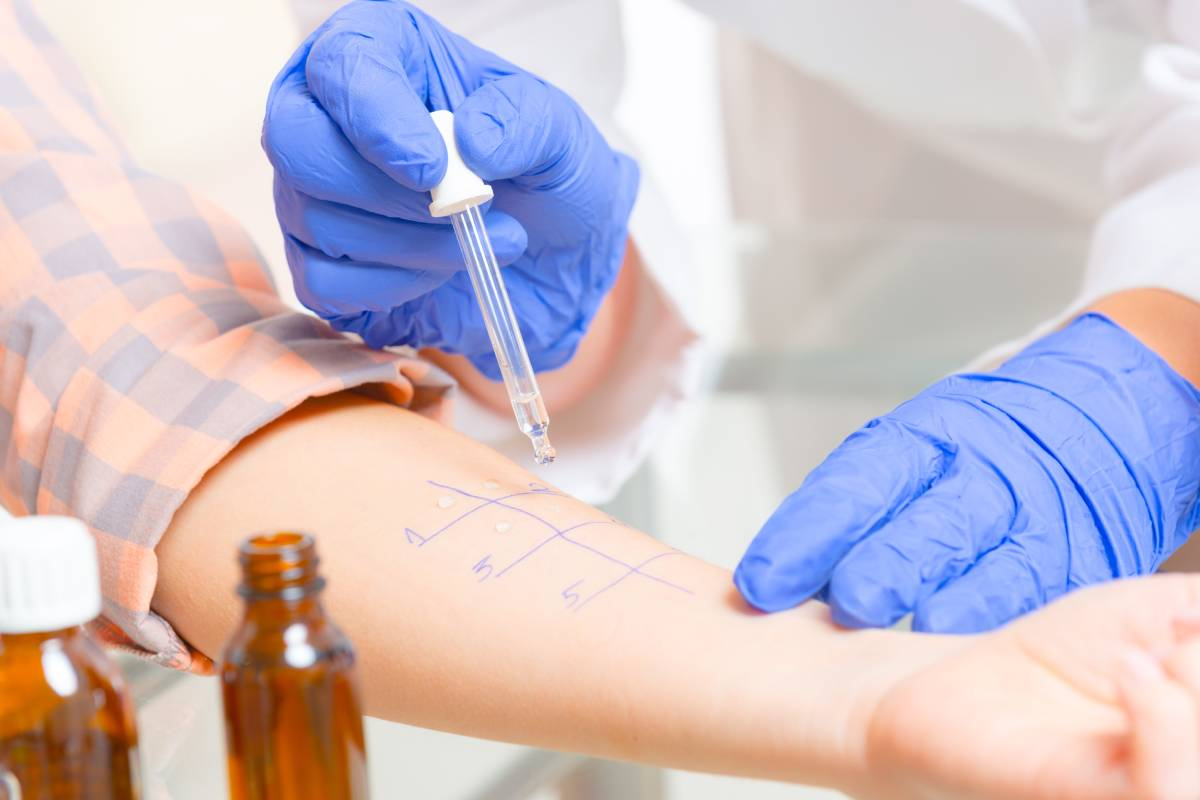
Getting a food allergy diagnosis right is key for good treatment and safety. At Liv Hospital, we use state-of-the-art diagnostic methods, like skin prick tests, to find food allergies. These tests are popular because they’re affordable, quick, and easy to do.
But, it’s important to know the accuracy and limits of skin prick tests. Studies show these tests are 84% sensitive and 86% specific for peanut allergy at a 4mm cut-off. They also work well for fresh cow’s milk and raw egg allergies, showing they’re reliable for some food allergies.
Even with their benefits, skin prick tests have their downsides. The quality of the allergen and how a person reacts can change the test’s accuracy. So, doctors must look at test results closely and might use other tests too.
Key Takeaways
- Skin prick tests are a common tool for diagnosing food allergies, giving quick and fairly accurate results.
- The accuracy of skin prick tests can change based on the food allergen being tested.
- Recent studies show high sensitivity and specificity for some food allergies, like peanut allergy.
- Knowing the limits of skin prick tests is key for accurate diagnosis and effective treatment.
- Doctors must carefully interpret test results, considering individual factors and might use other tests too.
Understanding Skin Prick Tests for Food Allergies
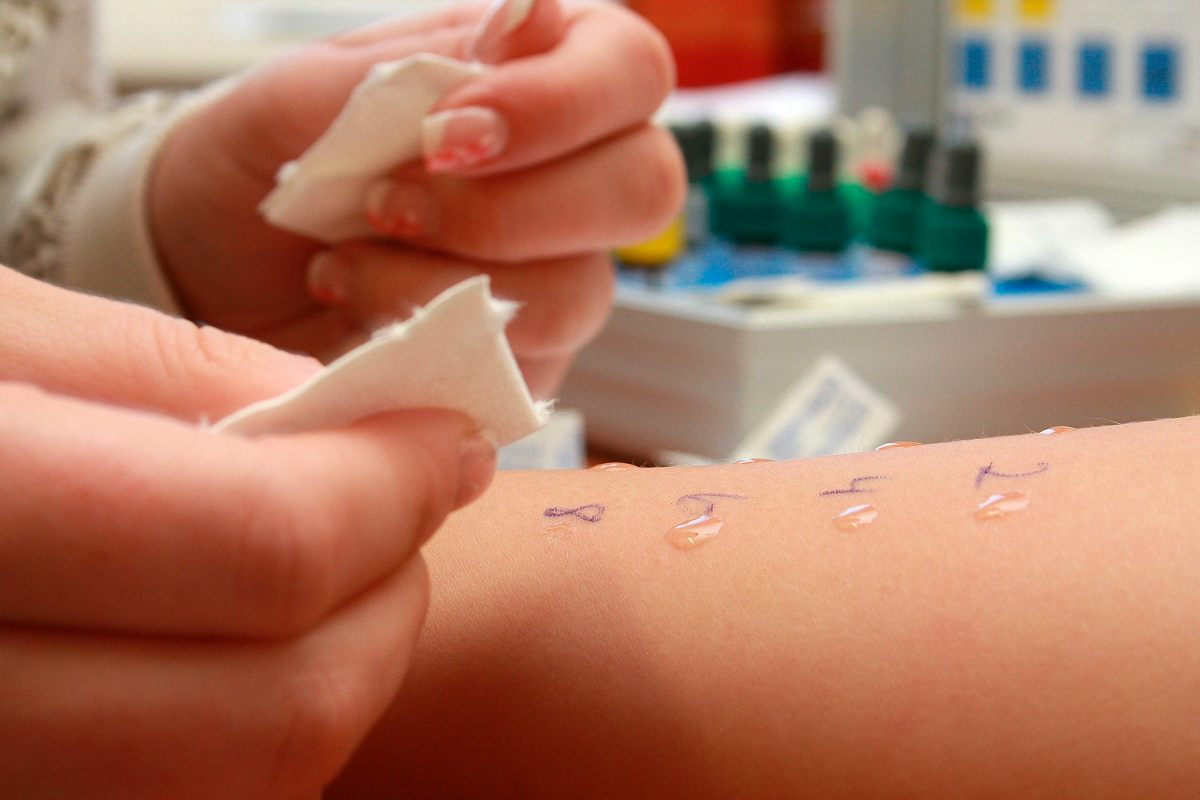
The skin prick test is a key tool for finding food allergies. It shows how the body reacts to different allergens. This test is vital for diagnosing food allergies and managing them.
What Is a Skin Prick Test?
A skin prick test is quick and doesn’t hurt much. It involves putting a small amount of suspected allergen on the skin. Then, the skin is pricked to let the allergen in.
This test helps figure out if you’re allergic to certain foods.
How Skin Prick Tests Are Performed
First, the skin is cleaned before the test. Then, a drop of the suspected allergen is placed on it. A lancet is used to prick the skin, letting the allergen in.
The test is done on the forearm or back because these areas are sensitive. This makes it easier to see the reaction. You can test many allergens at once by placing them far apart.
What the Results Look Like
If you’re allergic, a red, itchy bump will show up within 15-20 minutes. The size of this bump is measured. A bigger bump means a stronger reaction.
A wheal and flare reaction shows an IgE-mediated food allergy. Doctors use these results to plan how to manage the allergy.
The Science Behind Skin Prick Tests
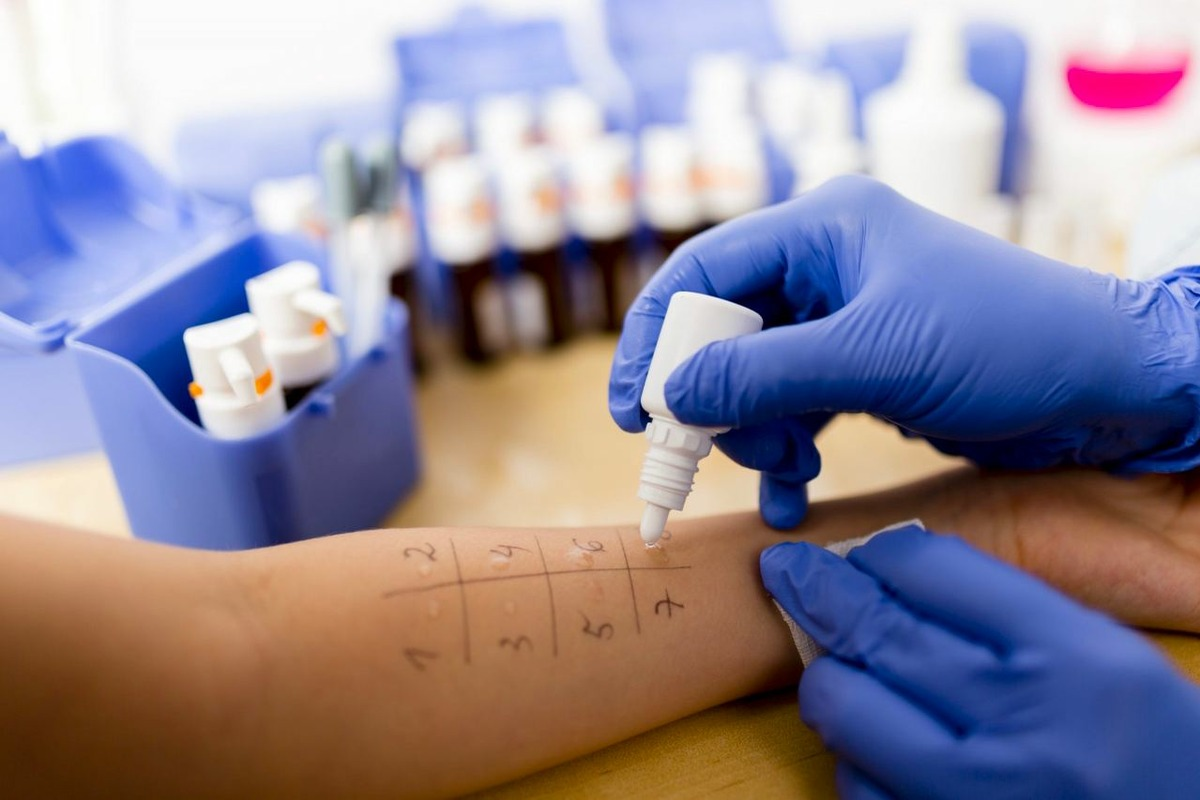
Skin prick tests are effective in finding food allergies because of how they work. They look for IgE antibodies against certain allergens. These antibodies cause allergic reactions.
IgE-Mediated Allergic Reactions
Allergic reactions happen when the body sees a harmless substance as a threat. It makes IgE antibodies to fight it. These antibodies bind to mast cells, leading to histamine release when they meet the allergen.
This histamine release causes symptoms, from mild to severe. IgE-mediated allergic reactions are common and what skin prick tests aim to detect.
How Skin Prick Tests Detect Allergens
Skin prick tests use a lancet to apply a small allergen amount to the skin. If you’re allergic, your immune system will react. This reaction shows as a wheal and flare on your skin.
- The wheal is a raised, red area showing the immediate reaction.
- The flare is the redness around the wheal, from increased blood flow.
The size of these signs can tell us how severe the allergy is.
Interpreting Wheal and Flare Responses
Understanding skin prick test results needs careful look at the wheal and flare. A bigger wheal means a stronger reaction. But, the reaction size can change based on the testing extract and skin sensitivity.
Doctors must think about these things when reading test results. This helps in making the right diagnosis and treatment plan.
Statistical Measures of Skin Prick Test Accuracy
Statistical measures are key in checking how accurate skin prick tests are for food allergies. We must look into the stats that help us understand these tests.
Understanding Sensitivity and Specificity
Sensitivity and specificity are important stats for testing accuracy. Sensitivity shows how well a test finds those with an allergy. Specificity shows how well it finds those without an allergy.
Studies show skin prick tests are very good at finding some common food allergies. For example, they’re about 90% accurate for peanut allergies. This means most people with a peanut allergy will test positive.
Positive and Negative Predictive Values
Positive predictive value (PPV) and negative predictive value (NPV) are also key. PPV tells us the chance a positive test means you really have an allergy. NPV tells us the chance a negative test means you don’t have an allergy.
The PPV and NPV can change based on how common an allergy is. For example, a positive test for peanuts might be more reliable than for rarer allergens.
Current Accuracy Rates for Common Food Allergens
Recent studies have looked at how accurate skin prick tests are for common food allergies. They found high accuracy rates for diagnosing peanut, fresh cow’s milk, and raw egg allergies.
- Peanut allergy: Sensitivity around 90%, Specificity around 95%
- Fresh cow’s milk allergy: Sensitivity around 85%, Specificity around 90%
- Raw egg allergy: Sensitivity around 80%, Specificity around 90%
These stats show skin prick tests are useful for diagnosing some food allergies. But, their accuracy can change based on the allergen and other factors.
Accuracy Rates for Specific Food Allergens
Skin prick tests show different accuracy levels for various food allergies. Knowing these differences helps doctors and patients make better choices about testing and treatment.
Peanut Allergy Testing
Peanut allergy is very common and serious. Skin prick tests for peanut allergy are usually very accurate, with results over 90% sensitive. But, they can sometimes give false positives.
Clinical studies show that a wheal diameter of 8 mm or more is a strong sign of a true peanut allergy. This means doctors must look at both test results and patient history when diagnosing.
Milk Allergy Testing
Milk allergy is common in babies and young kids. Skin prick tests for milk allergy are mostly accurate, with sensitivity around 80-90%. But, they can sometimes lead to overdiagnosis if not interpreted correctly.
It’s key to tell milk allergy apart from lactose intolerance. A detailed clinical check along with skin prick test results helps in making a precise diagnosis.
Egg Allergy Testing
Egg allergy is a big worry for kids. Skin prick tests for egg allergy have mixed results, with sensitivity between 70% and over 90%. The size of the wheal can also give clues, with bigger reactions more likely to be true allergies.
Component-resolved diagnostics can help improve egg allergy diagnosis. They are useful when test results and history don’t match up clearly.
Other Common Food Allergens
Other common food allergens include wheat, soy, fish, and shellfish. The accuracy of skin prick tests varies for these. For example, tests for fish and shellfish allergies are usually very sensitive. But, tests for wheat and soy might have lower specificity.
Healthcare providers need to know these differences. They should interpret test results with the patient’s history and other diagnostic findings in mind.
The Problem of False Positives in Skin Prick Tests
False positives in skin prick tests are a big worry. About 50-60% of positive results might be wrong. This means many people might be wrongly told they have a food allergy.
A false positive allergy test happens when a test shows an allergy to a food, but there’s no real allergy. This can cause people to avoid foods they don’t need to and feel anxious.
Why 50-60% of Positive Results May Be False
There are a few reasons why so many test results are false positives. IgE antibodies reacting to proteins that aren’t fully digested and cross-reactions between foods are big factors. Skin that’s too sensitive and dermographism also play a part.
A leading allergist said, “The high sensitivity of skin prick tests can sometimes be a double-edged sword, leading to false positives that require further evaluation.” This shows how important it is to carefully look at test results.
Clinical Implications of False Positives
The clinical implications of false positives are serious. Being wrongly told you have a food allergy can mean avoiding foods you don’t need to. This can lead to not getting enough nutrients. It can also delay finding the real allergy or condition.
- Unnecessary dietary restrictions
- Potential for nutritional deficiencies
- Delay in diagnosis of actual allergy or condition
Psychological Impact on Patients
The psychological impact of false positives is big. People who think they have a food allergy because of a false positive might feel very anxious and stressed. This can really affect their life and how they feel overall.
“Receiving a diagnosis of a food allergy can be life-changing, but when it’s based on a false positive test result, it can lead to unnecessary fear and lifestyle adjustments.” Expert in Allergy Care
In conclusion, skin prick tests are useful for finding allergies, but we must deal with false positives carefully. Understanding why they happen and their effects helps doctors support their patients better.
Factors Affecting Skin Prick Test Accuracy
Many things can affect how well skin prick tests work for diagnosing food allergies. Knowing these factors helps us understand test results better.
Quality and Potency of Testing Extracts
The quality and strength of the allergen extracts used in skin prick tests matter a lot. Extracts that are not fresh or are of poor quality can give false-negative results. On the other hand, extracts that are too strong might cause false-positive reactions. It’s important to use extracts that are standardized and kept in good condition to get accurate results.
Some food allergens, like those in fresh fruits and vegetables, can break down quickly. This can make the test less accurate if not handled right.
Patient Factors (Age, Skin Condition, Medications)
Things about the patient can also affect the test’s accuracy. For example, skin conditions like eczema or dermatitis can make the skin react differently, leading to wrong results. Also, some medicines, like antihistamines and certain antidepressants, can make the skin not react to allergens, giving false-negative results.
The age of the patient is another important factor. Babies and very young kids might react differently to the test than adults, which can change the results.
Technician Skill and Testing Technique
The skill and method of the healthcare professional doing the test are key to its accuracy. Proper technique is important to make sure the allergen is put into the skin right and the reaction is measured correctly. If the technique is not the same, the results can be different.
It’s important for technicians to be well-trained and have experience. This helps reduce mistakes and makes sure the test is done the same way for everyone.
Interpretation Criteria and Cut-off Values
The rules used to understand skin prick test results, including the cut-off values for a positive result, are very important. Standardized criteria help make sure the results are consistent everywhere. The size of the wheal and flare response is usually used to see if there’s an allergic reaction and how severe it is.
It’s also key to know what a negative test result means. A negative result usually means there’s no big wheal and flare response. But, it’s always important to check the patient’s history and symptoms to confirm the diagnosis.
Why False Positives Occur in Skin Prick Tests
It’s important to know why skin prick tests sometimes show false positives. These false positives can make people avoid foods they don’t need to, affecting their health and diet. We’ll look at what causes these false positives.
Detection of IgE Against Undigested Proteins
One reason for false positives is IgE antibodies reacting to proteins not usually linked to allergies. These proteins might be broken down in the stomach, making them safe. But, the skin prick test might show a reaction, leading to a false positive.
A study showed some people tested positive for fruit allergies due to IgE against undigested proteins. Yet, many were okay with eating those fruits. This shows how tricky it can be to understand skin prick test results.
Cross-Reactivity Between Related Food Families
Cross-reactivity is another reason for false positives. IgE antibodies can react to similar proteins in different foods. This means someone might test positive for foods they’re not actually allergic to.
For example, people allergic to birch pollen might also test positive for apples or carrots. But, this doesn’t mean they’re allergic to these foods. It’s key to understand cross-reactivity to correctly read skin prick test results.
|
Food Family |
Common Cross-Reactive Foods |
|---|---|
|
Rosaceae (e.g., apples, pears) |
Other fruits like cherries, plums |
|
Brassicaceae (e.g., broccoli, cauliflower) |
Other cruciferous vegetables |
Skin Hyperreactivity and Dermographism
Skin hyperreactivity and dermographism can also cause false positives. People with very reactive skin might have exaggerated reactions to the test. These reactions don’t always mean they have a real allergy.
“Dermographism, a condition where the skin reacts to minor scratches or stimuli, can significantly impact the interpretation of skin prick tests, leading to false positives.”
Healthcare providers need to consider these factors when looking at skin prick test results. Knowing why false positives happen helps us give better care and make more accurate diagnoses.
Comparing Skin Prick Tests to Other Allergy Testing Methods
There are many ways to test for food allergies. Skin prick tests are common because they’re quick and easy. But, blood tests, oral food challenges, component resolved diagnostics, and patch testing also have their uses.
It’s important for doctors to know the differences. This helps them pick the best test for each patient. This ensures the right diagnosis and treatment plan.
Blood Tests (Specific IgE Testing)
Blood tests, like those for IgE antibodies, are a good alternative to skin prick tests. They’re helpful when skin tests aren’t possible.
- Advantages: They work for people with skin problems or who can’t stop certain medicines.
- Limitations: They might cost more and take longer to get results.
Oral Food Challenges
Oral food challenges are the most reliable way to test for food allergies. Patients eat small amounts of the suspected food under doctor’s watch.
Key aspects: They show how the patient reacts to the food, helping confirm or rule out an allergy.
Component Resolved Diagnostics
Component resolved diagnostics test for specific proteins in an allergen. This helps tell if a reaction is real or just similar.
For example, it can tell if a peanut allergy is serious or not. It looks at specific proteins in peanuts.
Patch Testing
Patch testing is mainly for contact dermatitis and other delayed reactions. It’s not for immediate IgE food allergies. But, it can help with some non-IgE food allergies.
In summary, skin prick tests are useful, but other methods have their own benefits. They can be used alone or with skin prick tests, depending on the situation. Knowing the strengths and weaknesses of each helps doctors make better choices for their patients.
Best Practices for Improving Skin Prick Test Accuracy
To get accurate results from skin prick tests, we need a detailed plan. Healthcare experts must focus on several important steps.
Standardized Testing Protocols
Using standardized testing protocols is key. This means all tests are done the same way. It helps us get consistent results by using the same allergen extracts and following set guidelines.
Proper Patient Preparation
Proper patient preparation is essential. Patients should not take certain medicines before the test. Also, the skin area should be clean and ready for the test.
Using Fresh Foods vs. Commercial Extracts
Choosing between fresh foods and commercial extracts affects the test’s accuracy. Fresh foods might be better for some allergens, but commercial extracts are more convenient and consistent. We need to weigh the pros and cons of each.
Combining Multiple Testing Methods
Using multiple testing methods can also help. This could mean combining skin prick tests with blood tests or oral challenges. Mixing results from different tests gives a clearer picture of a patient’s allergies.
By following these best practices, we can make skin prick tests more accurate. This leads to better diagnoses for those with food allergies.
When to Trust (and Question) Your Skin Prick Test Results
How reliable are skin prick test results? It depends on several important factors. Healthcare professionals need to know when to trust and question these results to accurately diagnose food allergies.
Correlation with Clinical History
One key factor is matching test results with the patient’s medical history. A positive test is more likely to be accurate if it matches the patient’s symptoms and past health issues. For example, if someone has always reacted badly to peanuts and tests positive, it’s probably a real allergy.
But, if a test is positive and there are no symptoms or history, it might need more checking. As Medical Expert, a renowned allergist, notes, “The clinical history is key. It’s not just about the test result; it’s about whether it fits with the patient’s overall health.”
Size of Reaction and Probability of True Allergy
The size of the reaction in a skin prick test can also tell us something. A bigger reaction usually means a higher chance of a real allergy. But, this isn’t always true because many things can affect the test results.
- A larger wheal size typically indicates a higher probability of true allergy.
- The quality of the testing extract can affect the reaction size.
- Patient factors, such as skin condition, can also influence the reaction.
When Additional Testing Is Recommended
Sometimes, more tests are needed to confirm or rule out a food allergy. This might include blood tests, oral food challenges, or other specific tests. For instance, if a test is positive but there’s no history of allergy, more tests can help figure out the diagnosis.
As research has shown, using different tests together can make diagnosis more accurate. “Combining tests gives a clearer picture of a patient’s allergy,” says Medical Expert, a leading expert in food allergies.
Working with an Allergist to Interpret Results
Interpreting skin prick test results is complex and needs an allergist’s expertise. An allergist looks at the patient’s whole situation, including their medical history, symptoms, and test results. They decide if a positive result means a real allergy or if more tests are needed.
“The role of the allergist is not just to interpret test results but to integrate them into the patient’s overall clinical context. This requires a deep understanding of both the testing methods and the patient’s specific situation.” — Medical Expert, Allergist and Immunologist
By working with an allergist and considering all factors, patients can get a correct diagnosis and the right treatment for their food allergies.
Conclusion: The Role of Skin Prick Tests in Food Allergy Diagnosis
We’ve looked into how skin prick tests help find food allergies. They are very important but have some limits. These tests give quick results and help doctors find out what might cause an allergic reaction.
The results of these tests can be affected by a few things. This includes the quality of the testing extracts, the patient’s health, and the skill of the technician. Knowing these can help doctors understand the results better and make good choices for their patients.
Using skin prick tests along with other tests like blood tests and oral food challenges can make diagnosing food allergies more accurate. This way, doctors can create better treatment plans. This helps patients manage their allergies better.
In short, skin prick tests are key in diagnosing food allergies. But, doctors must look at the whole picture, including the patient’s history and other test results. This ensures patients get the right diagnosis and treatment, leading to a better life.
FAQ
What is a skin prick test, and how is it performed?
A skin prick test is a quick way to find out if you’re allergic to something. It works by putting a tiny bit of the suspected allergen on your skin. Then, the skin is pricked to let the allergen in.
How accurate are skin prick tests for diagnosing food allergies?
The accuracy of skin prick tests can change based on a few things. These include the quality of the testing extracts, how the patient reacts, and the technician’s skill.
What is the difference between sensitivity and specificity in skin prick tests?
Sensitivity means the test can spot people with allergies correctly. Specificity means it can also spot those without allergies correctly.
Why do false positives occur in skin prick tests?
False positives happen for a few reasons. They can be due to IgE reacting with proteins that aren’t fully digested. Or because of cross-reactivity between foods. Skin hyperreactivity also plays a part.
How can I improve the accuracy of my skin prick test results?
To get better results, use standard testing methods. Make sure the patient is prepared properly. Also, combining different testing methods can help.
What are the clinical implications of false positive skin prick test results?
False positives can cause people to avoid foods they don’t need to. It can also make them anxious. So, it’s important to understand test results carefully.
How do skin prick tests compare to other allergy testing methods?
Skin prick tests are just one way to find allergies. There are blood tests, oral challenges, and more. Each has its own strengths and weaknesses.
When should I trust or question my skin prick test results?
It’s key to match test results with your medical history. Also, look at how big the reaction is. This helps figure out if you really have an allergy.
What does a negative allergy test look like?
A negative test shows no big reaction on the skin. This means you’re likely not allergic to the tested substance.
Are allergy scratch tests accurate?
Allergy scratch tests can be accurate if done right. They should be seen alongside your medical history and other tests.
How accurate is allergy skin testing?
The accuracy of skin testing, like skin prick tests, depends on a few things. These include the quality of the testing extracts and the technician’s skill. It can vary for different allergens.
References
National Center for Biotechnology Information. Skin Prick Test Accuracy in Diagnosing Food Allergies. Retrieved from https://pubmed.ncbi.nlm.nih.gov/9360758/



 Departments
 Related Videos
 Our Doctors
 News
News