
Asthma is a long-term condition that affects many people around the world. If you often cough, wheeze, feel short of breath, or have tightness in your chest, you might wonder if you have asthma.how can i tell if i have asthmaHow Can You Tell If You Have a Deviated Septum
At Liv Hospital, we know it’s hard to tell if you have asthma or not. It’s important to know the signs and symptoms of asthma to catch it early. While asthma can’t be cured, its symptoms can be managed with the right treatment.
Key Takeaways
- Asthma is a chronic condition that requires ongoing management.
- Common symptoms include coughing, wheezing, shortness of breath, and chest tightness.
- Understanding your symptoms is key to managing asthma well.
- It’s vital to work with your doctor to track your symptoms and adjust your treatment as needed.
- Asthma treatment can help control symptoms and improve your quality of life.
Understanding Asthma: A Common Respiratory Condition

It’s important to understand asthma to manage its symptoms and improve life quality. Asthma makes breathing hard by narrowing airways and producing extra mucus. This can cause coughing, wheezing, and shortness of breath.
What Happens in Your Airways During Asthma
When asthma strikes, airways get inflamed and narrow. This makes breathing tough. The airways also produce more mucus, blocking air even more. Over time, the airway walls can thicken, making them more sensitive to triggers.
Asthma symptoms vary a lot from person to person. Some people have mild symptoms, while others face severe ones. These symptoms can really affect daily life.
The Chronic Nature of Asthma
Asthma is a chronic respiratory condition. It’s ongoing and needs long-term care. In the U.S., about 28 million people have asthma, or about 1 in 12.
Managing asthma well means knowing what triggers it, watching symptoms, and using medicine as told. By doing this, people with asthma can live active lives with fewer symptoms.
The Global and National Impact of Asthma
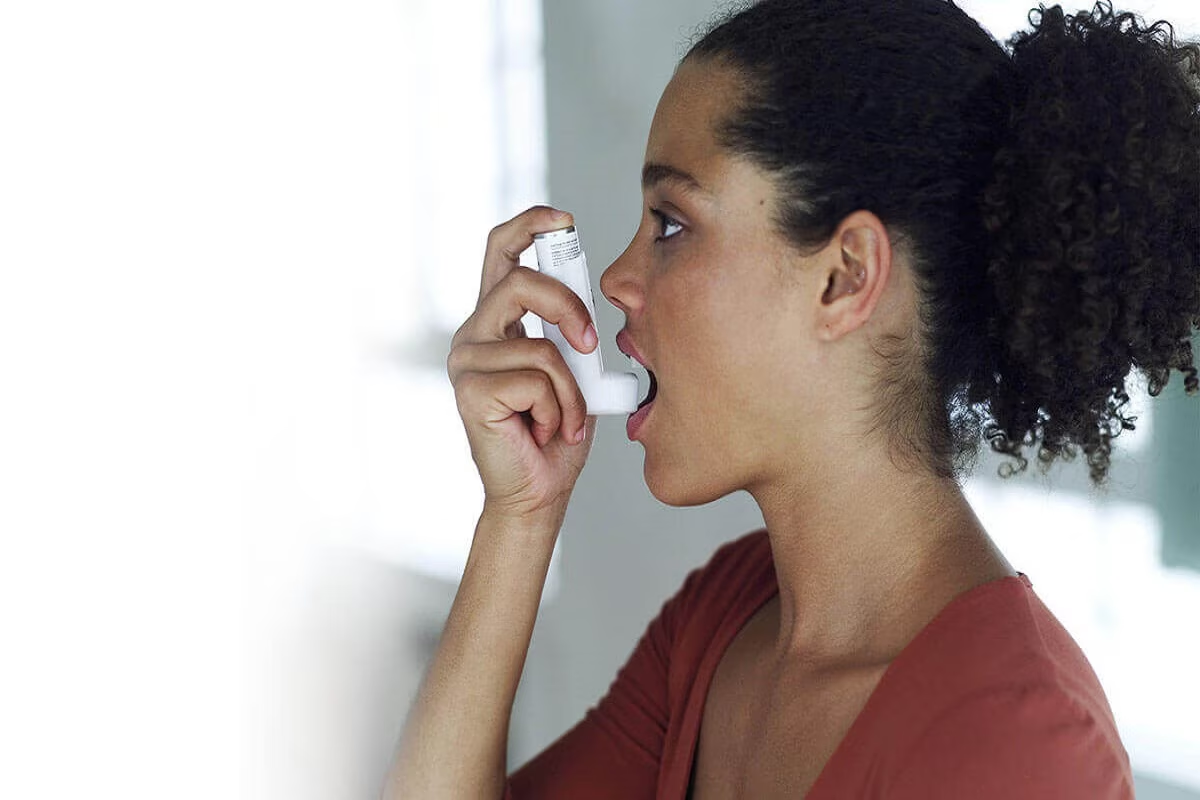
Asthma has a big impact on public health worldwide. It affects people of all ages. This makes it a big concern for healthcare systems everywhere.
Asthma Statistics in the United States
In the United States, asthma is a big problem. About 25 million Americans have it. That’s about 1 in 13 people.
Asthma not only affects people’s lives but also costs a lot. It leads to high healthcare costs and lost work time. Different groups face more challenges due to where they live and their income.
Worldwide Prevalence and Mortality
Globally, asthma affects 262 million people. It caused 455,000 deaths, says the World Health Organization. These numbers show how big a problem asthma is worldwide.
The rates of asthma and deaths vary by region. Things like air pollution, healthcare access, and money matters play big roles. We need to think about these when we tackle asthma globally.
Gender Differences in Asthma Rates
Studies show that asthma affects women more than men. Women are about 44% more likely to have it. Hormones, airway size, and lifestyle might explain this difference.
Knowing about these differences helps us create better treatments and plans. It’s key for helping people with asthma.
Common Asthma Symptoms to Watch For
Knowing the signs of asthma is key to getting the right treatment. Asthma can show different symptoms in different people.
Persistent Coughing
A persistent cough is a big sign of asthma. This cough might be dry or bring up mucus. It often gets worse at night or early in the morning, making it hard to sleep.
Key characteristics of an asthma-related cough include:
- Occurring or worsening at night
- Triggered or exacerbated by allergens, cold air, or during/after exercise
- Persisting over time, not resolving with over-the-counter cough medicines
Wheezing Sounds When Breathing
Wheezing is a high-pitched sound when you breathe out. It’s a common asthma symptom because of airway narrowing.
Shortness of Breath
Shortness of breath, or dyspnea, is a critical asthma symptom. It can be mild or severe and often comes with wheezing or coughing.
Chest Tightness and Pain
Chest tightness or pain is alarming. It feels like pressure or discomfort in the chest. This symptom is linked to airway inflammation and constriction.
|
Symptom |
Description |
Common Triggers |
|---|---|---|
|
Persistent Coughing |
Dry or productive cough, often worse at night |
Allergens, cold air, exercise |
|
Wheezing |
High-pitched whistling sound during breathing |
Air pollution, respiratory infections |
|
Shortness of Breath |
Feeling of not being able to catch breath |
Exercise, allergens, weather changes |
|
Chest Tightness/Pain |
Feeling of pressure or discomfort in the chest |
Air pollution, stress, respiratory infections |
It’s important to know these asthma symptoms for early detection and treatment. If you have any of these symptoms often, see a doctor.
How Can I Tell If I Have Asthma? Key Indicators
To figure out if you have asthma, it’s important to know the key signs. Asthma symptoms can differ from person to person. But, there are common signs that doctors look for.
Symptom Patterns and Frequency
Asthma symptoms often follow certain patterns. You might experience wheezing, coughing, shortness of breath, and chest tightness. How often these symptoms happen is key to diagnosing asthma.
- Intermittent Symptoms: Symptoms occur less than once a week, and nighttime symptoms occur less than twice a month.
- Mild Persistent Symptoms: Symptoms occur more than once a week but less than once a day.
- Moderate Persistent Symptoms: Symptoms occur daily, and nighttime symptoms occur more than once a week.
- Severe Persistent Symptoms: Symptoms occur throughout the day on most days.
Timing of Symptoms (Night vs. Day)
The timing of asthma symptoms can give clues. Symptoms that get worse at night or with certain activities might mean you have asthma.
Nighttime Symptoms: Asthma symptoms often get worse at night. This can be due to allergens, cooler air, or lying down, which can make mucus build up in the airways.
Activity-Related Breathing Problems
Asthma symptoms can get worse with physical activity. It’s important to notice how your breathing changes with exercise or other activities.
- Exercise-Induced Symptoms: Coughing or wheezing during or after exercise.
- Shortness of Breath: Feeling winded even when doing mild activities.
- Chest Tightness: Feeling a tight or constricted chest during activities.
By knowing these key signs—symptom patterns, timing, and how breathing changes with activity—you can tell if you might have asthma. Then, talk to a healthcare professional for a proper diagnosis.
Recognizing an Asthma Attack: Warning Signs
It’s vital to know the difference between regular asthma symptoms and an attack. An asthma attack is when the airway muscles tighten and inflammation increases. This makes it hard to breathe.
Difference Between Regular Symptoms and an Attack
Regular asthma symptoms include coughing, wheezing, and shortness of breath. But during an attack, these symptoms get much worse. It’s important to remember that an asthma attack is not just a bad flare-up. It’s a serious condition that can be life-threatening.
Key differences include:
- Severity: Symptoms are much more severe during an attack.
- Duration: Symptoms persist or worsen over time, despite using a quick-relief inhaler.
- Impact on daily activities: An asthma attack can limit your ability to perform even minimal physical activities due to severe shortness of breath.
Emergency Warning Signs
It’s critical to recognize the warning signs of an asthma attack. Some signs of a severe attack include:
- Rapid worsening of shortness of breath or wheezing.
- No improvement even after using a quick-relief inhaler.
- Shortness of breath during minimal physical activity.
- Blue or gray lips or fingers.
- Severe chest tightness or pain.
When to Seek Immediate Medical Help
If you or someone else is experiencing any of the emergency warning signs, seek immediate medical help. Waiting too long can lead to serious problems, like respiratory failure.
|
Symptom |
Action |
|---|---|
|
Severe shortness of breath or wheezing |
Use quick-relief inhaler and seek medical help if no improvement |
|
Blue or gray lips or fingers |
Call emergency services immediately |
|
Chest tightness or pain |
Seek medical help immediately |
Understanding the warning signs of an asthma attack and knowing when to seek medical help can greatly improve outcomes. Always talk to a healthcare professional for personalized advice and treatment.
Common Asthma Triggers to Be Aware Of
Asthma triggers can make symptoms worse. Knowing what triggers them is key to managing asthma.
Environmental Allergens
Environmental allergens often cause asthma symptoms. These include:
- Pollen: Pollen from trees, grasses, and weeds can trigger asthma symptoms.
- Dust Mites: Tiny insects that live in household dust can cause allergic reactions.
- Pet Dander: Proteins in the skin, saliva, and urine of pets can become airborne and trigger asthma.
- Mold: Fungi that grow in damp environments can release spores that aggravate asthma.
Respiratory Infections
Respiratory infections, like the common cold or flu, can trigger asthma symptoms. These infections can irritate the airways, making them more susceptible to asthma attacks.
Air Pollution and Irritants
Air pollution and irritants can significantly affect asthma sufferers. Common irritants include:
- Smoke: Tobacco smoke and smoke from fires can irritate the airways.
- Chemical Fumes: Strong odors and fumes from chemicals can trigger asthma symptoms.
- Air Pollution: Pollutants from vehicles and industrial activities can exacerbate asthma.
Weather Changes and Temperature Fluctuations
Changes in weather and temperature can also trigger asthma symptoms. For example:
- Cold Air: Cold, dry air can irritate the airways.
- High Humidity: High humidity can lead to mold growth, which can trigger asthma.
- Thunderstorms: Thunderstorms can stir up pollen and mold, exacerbating asthma symptoms.
By understanding and avoiding these common asthma triggers, individuals can better manage their condition and reduce the frequency of asthma attacks.
Special Types of Asthma and Their Unique Symptoms
Asthma is not just one condition; it’s many types with different triggers and symptoms. Knowing these differences is key to managing and treating asthma well.
Exercise-Induced Asthma
Exercise-induced asthma happens when physical activity sets off asthma symptoms. It’s often worse in cold, dry air. Symptoms include coughing, wheezing, and shortness of breath during or after exercise.
Key characteristic: Symptoms are triggered by physical exertion.
Occupational Asthma
Occupational asthma is caused by inhaling certain substances at work. Common irritants are dust, chemicals, and particles from industrial processes. Symptoms can develop over time with repeated exposure.
Allergic Asthma
Allergic asthma is triggered by allergens like pollen, pet dander, or mold. When someone with allergic asthma inhales an allergen, their airways react, causing asthma symptoms.
Key characteristic: Symptoms are triggered by allergic reactions.
Nocturnal Asthma
Nocturnal asthma gets worse at night. It can be due to allergens in bedding, changes in body temperature, or lying down, which can affect breathing.
Key characteristic: Symptoms worsen during nighttime.
|
Type of Asthma |
Common Triggers |
Key Symptoms |
|---|---|---|
|
Exercise-Induced Asthma |
Physical exertion, cold air |
Coughing, wheezing, shortness of breath during exercise |
|
Occupational Asthma |
Workplace irritants (dust, chemicals) |
Coughing, wheezing, chest tightness at work |
|
Allergic Asthma |
Pollen, pet dander, mold |
Symptoms worsen with exposure to allergens |
|
Nocturnal Asthma |
Nighttime allergens, body position |
Symptoms worsen at night |
Asthma vs. Other Respiratory Conditions
It’s important to tell asthma apart from other lung diseases. This is because asthma can look like other conditions, making it hard to diagnose. Diseases like COPD, emphysema, bronchitis, and vocal cord dysfunction can have similar symptoms to asthma.
Knowing the differences between these conditions is key to proper treatment. We will look at what makes each condition unique and how they differ from asthma.
COPD and Emphysema
COPD and emphysema are often talked about together. Emphysema is a type of COPD. COPD makes it hard to breathe and is not fully reversible. Emphysema damages the alveoli, making it hard for the lungs to exchange oxygen and carbon dioxide.
Asthma and COPD are different. Asthma can cause wheezing and shortness of breath. COPD symptoms include a persistent cough and mucus production.
Key differences between Asthma and COPD:
|
Characteristics |
Asthma |
COPD |
|---|---|---|
|
Reversibility |
Reversible with treatment |
Not fully reversible |
|
Primary Cause |
Allergens, genetic predisposition |
Long-term exposure to irritants (e.g., cigarette smoke) |
|
Symptoms |
Wheezing, shortness of breath, coughing |
Persistent cough, mucus production, shortness of breath |
Bronchitis
Bronchitis is inflammation of the bronchial tubes, causing coughing and mucus. It can be acute or chronic. Acute bronchitis is often caused by viruses, while chronic bronchitis is linked to long-term exposure to irritants, like COPD.
Asthma and bronchitis share symptoms like coughing. But bronchitis focuses on inflammation of the bronchial tubes. Asthma involves more widespread airway hyperreactivity.
“Accurate diagnosis is key because treatments for bronchitis and asthma, while sometimes similar, have different focuses.”
Medical Expert, Pulmonologist
Vocal Cord Dysfunction
Vocal cord dysfunction (VCD) affects how the vocal cords work, causing symptoms like wheezing and shortness of breath. It’s often linked to difficulty breathing in.
VCD doesn’t respond to asthma medications. Its diagnosis requires tests like laryngoscopy.
Anxiety-Related Breathing Issues
Anxiety can cause breathing problems, sometimes making it seem like asthma. Hyperventilation syndrome, linked to anxiety, can cause symptoms like lightheadedness and tingling in the fingers.
Telling asthma from anxiety-related breathing issues is important. Asthma needs medication to control airway inflammation. Anxiety-related issues might be managed with strategies to reduce anxiety.
Getting the right diagnosis is essential for managing respiratory conditions. Understanding the differences between asthma and other lung diseases helps healthcare providers give better treatments. This improves patient outcomes.
Diagnostic Process: What to Expect at the Doctor
Getting a correct asthma diagnosis is key to managing it well. At your doctor’s visit, they will lead you through a detailed process. This helps figure out if you have asthma.
Medical History and Physical Examination
The first step is a detailed medical history and physical check-up. Your doctor will talk about your symptoms and when they happen. They’ll also ask about your health history, like allergies or other breathing issues.
During the physical check-up, your doctor will listen to your breathing with a stethoscope. They might hear wheezing or other unusual sounds that suggest asthma.
Lung Function Tests
Lung function tests are vital for diagnosing asthma. The main test is spirometry, which checks how much air you can breathe in and out. It also looks at how fast you can do this, showing any blockages in your airways.
The peak flow test is another important test. It measures your fastest exhale. This test helps track your lung health and spot any changes.
Allergy Testing
If your doctor thinks allergies might be causing your asthma, they might suggest allergy tests. These can include skin prick tests or blood tests to find out what allergens you’re reacting to.
“Understanding your allergic triggers is key to managing asthma effectively.” – Asthma Expert
Other Diagnostic Procedures
In some cases, more tests might be needed to check for other conditions or to better understand your lung function. These could include chest X-rays or methacholine challenge tests. These tests help confirm if you have asthma.
By looking at all these test results, your doctor can give you a clear diagnosis. They’ll then create a treatment plan that fits your specific needs.
Risk Factors That Increase Your Chances of Asthma
Several factors can up your chances of getting asthma. These include family history and environmental exposures. Knowing these risk factors is key for early detection and prevention.
Family History and Genetics
Having asthma or allergies in your family raises your risk. Genetic predisposition is a big factor, if your parents have asthma.
Studies show that certain genes can make your airways more sensitive. This makes you more likely to have asthma symptoms.
Environmental Exposures
Being around certain environmental factors can trigger asthma or raise your risk. Some of these include:
- Secondhand smoke
- Air pollution
- Exposure to allergens like dust mites, pet dander, and pollen
- Occupational exposures to chemicals or dust
Pre-Existing Allergic Conditions
People with allergies like allergic rhinitis or atopic dermatitis are more likely to get asthma. These conditions often share common factors with asthma, like a tendency to react allergically.
Age and Gender Considerations
Asthma can start at any age, but often begins in childhood. Boys are more likely to get asthma as kids, while women tend to get it as adults. Hormonal changes during puberty, menstruation, or menopause can affect asthma symptoms and how common it is.
|
Risk Factor |
Description |
Impact on Asthma Risk |
|---|---|---|
|
Family History |
Having relatives with asthma or allergies |
Increases risk significantly |
|
Environmental Exposures |
Exposure to secondhand smoke, air pollution, allergens |
Triggers asthma or increases risk |
|
Pre-Existing Allergic Conditions |
Conditions like allergic rhinitis or atopic dermatitis |
Increases likelihood of developing asthma |
|
Age and Gender |
Age and gender differences in asthma prevalence |
Affects risk at different life stages |
Managing Suspected Asthma Before Diagnosis
Managing suspected asthma before a diagnosis needs careful attention to your symptoms and environment. It’s important to see a healthcare professional for a correct diagnosis. But, there are steps you can take to manage your symptoms in the meantime.
Tracking Your Symptoms
Keeping a symptom journal is very helpful. Record the frequency, severity, and timing of your symptoms, and any factors that trigger or relieve them. This info is very useful when you talk to your doctor.
- Note the time of day and any activities you’ve been doing before symptoms occur.
- Record any medications or treatments you’ve tried and their effects.
- Include any other health changes or symptoms you’re experiencing.
Avoiding Potencial Triggers
If you think you have asthma, identifying and avoiding triggers can help manage your symptoms. Common triggers include allergens like dust mites, pet dander, and pollen. Also, irritants such as smoke and strong odors can be triggers.
Steps to avoid triggers:
- Use allergen-proof bedding to reduce exposure to dust mites.
- Avoid smoking and secondhand smoke.
- Keep pets out of your bedroom to minimize pet dander.
- Monitor local air quality reports and stay indoors when pollution levels are high.
When to Call Your Doctor vs. When to Go to the ER
Knowing when to seek medical help is key. If you’re experiencing mild symptoms, make an appointment with your doctor. They can help figure out the next steps.
But, if you have severe symptoms like trouble breathing, chest pain, or severe wheezing, seek immediate medical attention at an emergency room.
- Severe shortness of breath or rapid breathing.
- Blue or purple tint to lips or fingernails.
- Confusion or difficulty speaking.
By tracking your symptoms, avoiding triggers, and knowing when to seek medical help, you can better manage suspected asthma before getting a formal diagnosis.
Conclusion: Next Steps If You Suspect Asthma
If you think you might have asthma, it’s important to take action. Recognizing symptoms is the first step. Getting medical help early can greatly improve your life.
Start by keeping a record of your symptoms. Also, try to avoid things that might make them worse. Then, make an appointment with your doctor. It’s key to work with your doctor to find the right treatment for you.
By following these steps, you can learn more about your condition. You can also create a plan to control your symptoms and prevent attacks. Getting medical help is a big step towards a healthier life.
FAQ
How do I know if I have asthma?
Asthma makes your airways narrow, causing wheezing, coughing, and shortness of breath. If these symptoms happen when you do certain activities or are in certain places, you might have asthma. See a doctor for a proper check-up.
What are the common symptoms of asthma?
Symptoms of asthma include coughing, wheezing, and feeling short of breath. You might also feel tightness or pain in your chest. These symptoms can get worse or better based on what you’re doing or where you are.
How can I tell if my symptoms are related to asthma?
Look for patterns in your symptoms. Asthma symptoms can be linked to specific activities or places. Keeping a journal of your symptoms can help you notice these patterns and talk to your doctor about them.
What’s the difference between regular asthma symptoms and an asthma attack?
Regular symptoms can be managed with medication and lifestyle changes. But an asthma attack is a serious worsening of symptoms that needs quick treatment. Signs of an attack include severe wheezing, hard breathing, and a fast heartbeat.
What are common asthma triggers?
Common triggers include dust mites, pollen, and pet dander. Also, respiratory infections, air pollution, and tobacco smoke can trigger asthma. Weather changes and temperature shifts can also cause symptoms.
How is asthma diagnosed?
Diagnosing asthma involves a detailed approach. This includes a medical history, physical exam, lung function tests, and sometimes allergy tests. Your doctor might also suggest other tests to rule out other conditions.
What are the risk factors for developing asthma?
Risk factors include a family history of asthma or allergies. Environmental exposures, pre-existing allergies, and certain demographics like age and gender also play a role.
How can I manage suspected asthma before a formal diagnosis?
If you think you have asthma, start tracking your symptoms and identifying triggers. Avoiding these and living a healthy lifestyle can help. Knowing when to seek medical help is also important, like during an attack or if symptoms get worse.
Can asthma be confused with other respiratory conditions?
Yes, asthma can be mistaken for conditions like COPD, emphysema, bronchitis, or vocal cord dysfunction. Getting a correct diagnosis from a healthcare professional is key to finding the right treatment.
What types of asthma are there?
There are several types, including exercise-induced asthma, occupational asthma, allergic asthma, and nocturnal asthma. Each type has its own symptoms and triggers. Knowing your type can help guide your treatment.
How do I know if I should see a doctor for asthma?
If you have persistent or severe respiratory symptoms, or are unsure about your symptoms, see a doctor. Early diagnosis and treatment can greatly improve managing your asthma and your quality of life.
References
World Health Organization. Evidence-Based Medical Guidance. Retrieved from
https://www.who.int/news-room/fact-sheets/detail/asthma