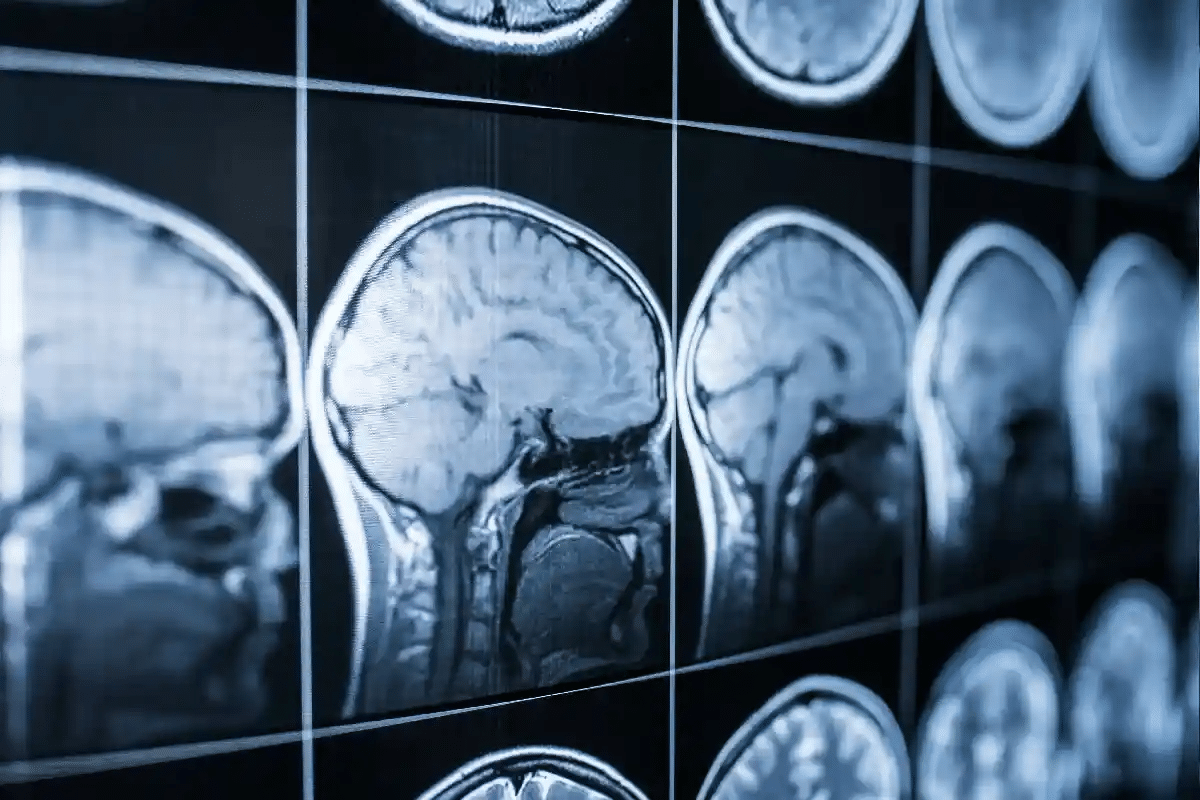
Brain damage shows up in many ways, like physical, mental, and emotional signs. These need a doctor’s check-up. The Brain Injury Association of America says about 2.6 million people in the U.S. get brain injuries each year.
At Liv Hospital, we know how important it is to find brain damage early and get expert help. Our team works together to give the best care to those with brain damage.
It’s key to know the signs of brain damage to get help fast. In this article, we’ll show you the main signs. This will help you see if you or someone you care about might have brain damage.
Key Takeaways
- Understanding the signs of brain damage is vital for timely medical intervention.
- Brain damage can result from traumatic brain injuries (TBIs) or acquired brain injuries.
- Early detection and expert neurological assessment significantly impact patient outcomes.
- A multidisciplinary team is essential for providing comprehensive care for brain damage.
- Recognizing key signs and symptoms is critical for diagnosis and recovery.
Understanding Brain Damage and Its Impact
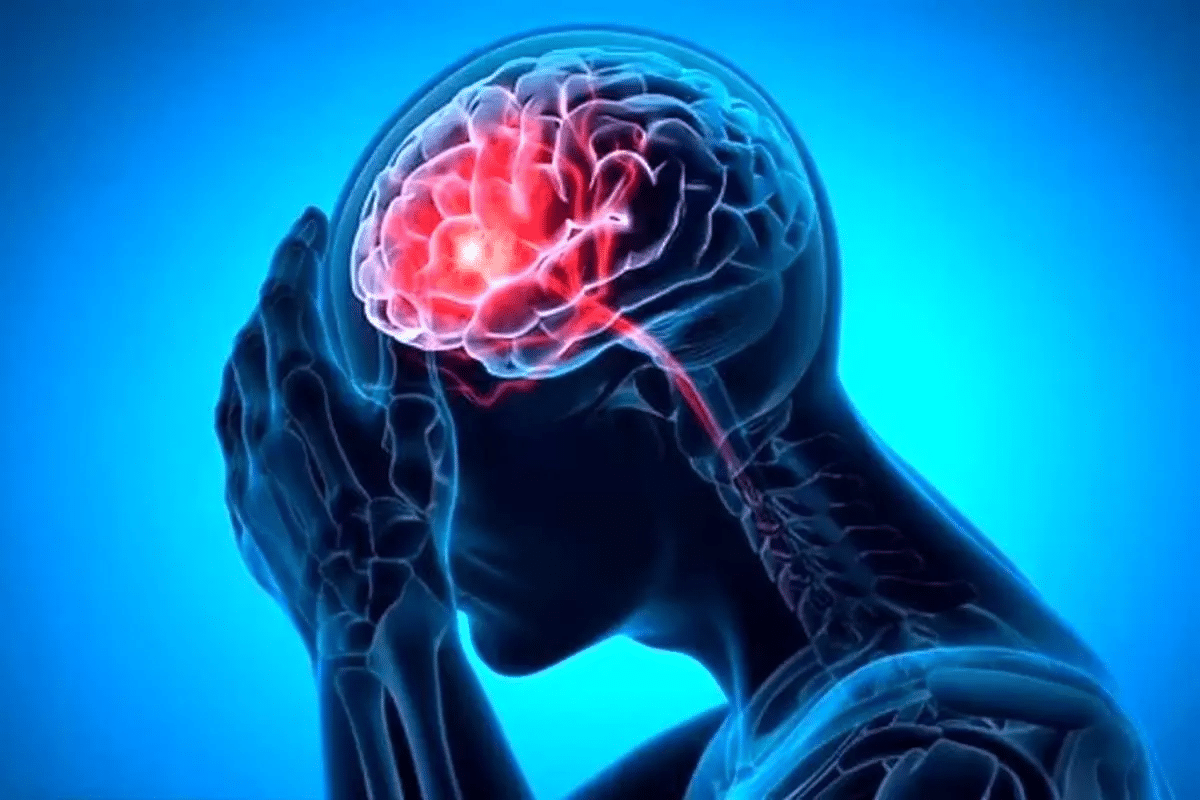
Brain damage can come from injuries or other causes. It affects a person’s thinking, feelings, and body. This can change their life a lot.
It’s important to know about brain damage. We’ll look at the different types and how they affect people.
What Constitutes Brain Damage
Brain damage means brain cells are hurt or destroyed. This can lead to problems with thinking, feeling, and moving. It can happen from outside forces or internal issues.
Traumatic Brain Injuries (TBIs) come from outside, like a head injury. This can happen in accidents or sports. Acquired Brain Injuries happen inside the brain, like from a tumor or illness.
The Prevalence and Statistics
Brain damage is more common than you might think. It affects millions worldwide. The CDC says TBIs lead to many emergency visits, hospital stays, and deaths each year.
|
Type of Brain Injury |
Estimated Annual Cases |
Common Causes |
|---|---|---|
|
Traumatic Brain Injury |
2.8 million (in the U.S.) |
Falls, motor vehicle crashes, sports injuries |
|
Acquired Brain Injury |
Varies widely |
Tumors, infections, neurological illnesses |
Types of Brain Injuries
Knowing about brain injuries is key for treatment. There are two main types: Traumatic and Acquired Brain Injuries.
- Traumatic Brain Injuries can be mild or severe, depending on the injury.
- Acquired Brain Injuries come from inside, like strokes or tumors, and can cause a lot of damage.
Each injury type has its own challenges. They need different treatments and help to recover.
Common Causes of Brain Damage
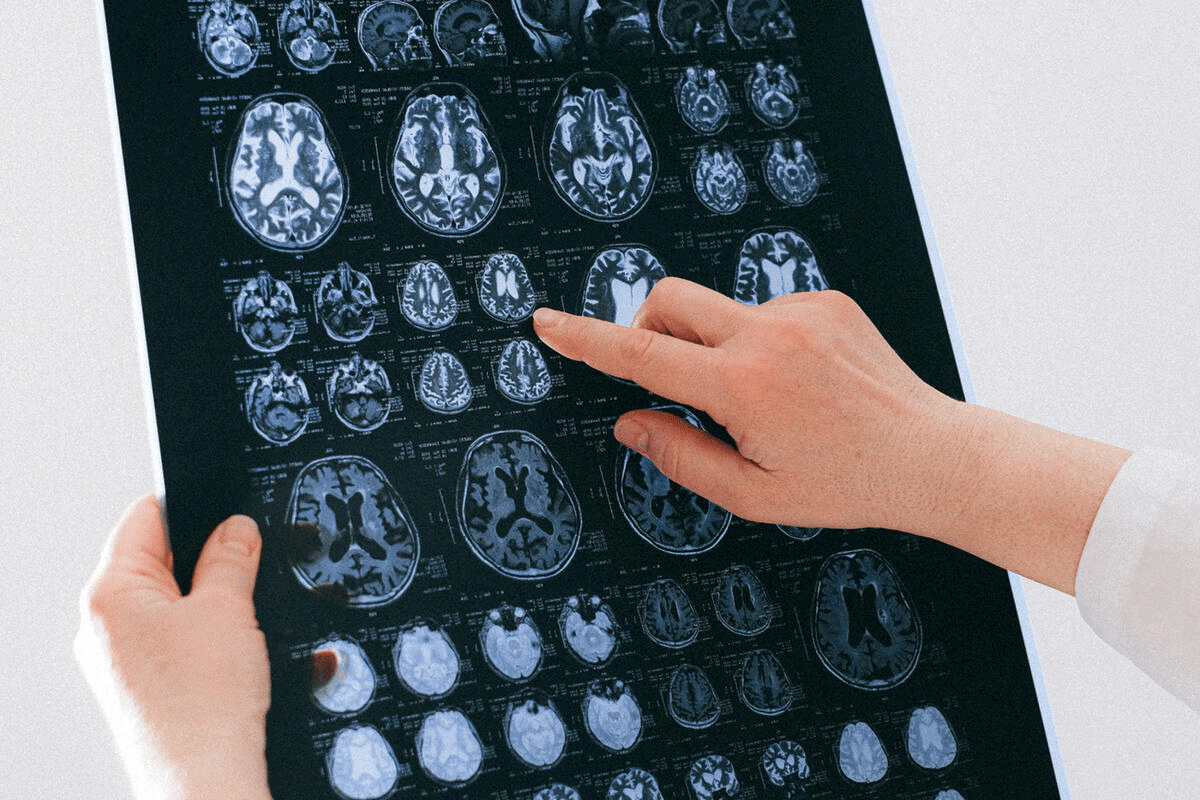
It’s important to know what causes brain damage to prevent it and treat it well. Brain damage can come from many things. Knowing these causes helps us avoid risks and get help fast.
Traumatic Brain Injuries (TBIs)
Traumatic Brain Injuries (TBIs) are a big reason for brain damage. They happen from things like falls, car accidents, or being hit. TBIs can be mild or very serious, based on how hard the impact was. People over 65 are most likely to get hurt badly from a TBI, with falls being the main cause for the young and old.
Non-Traumatic Causes
Other reasons for brain damage include infections, tumors, and problems with blood vessels like stroke. These can harm brain tissue a lot. Infections like meningitis and encephalitis hit the brain straight on. Tumors take up space and press on other brain areas.
Risk Factors That Increase Vulnerability
Some things make us more likely to get brain damage. Getting older makes us more at risk for TBIs and other brain problems. Having health issues like vascular diseases also raises the risk. Lifestyle choices and what we’re exposed to can also make us more vulnerable.
Knowing these causes and risks helps us lower our chance of brain damage. It also tells us when to get medical help if we start to feel bad.
Physical Signs That May Indicate Brain Damage
It’s important to know the physical signs of brain damage for diagnosis and treatment. Brain damage can show in many ways, affecting daily life and quality of life.
Persistent Headaches and Pain Patterns
Persistent headaches are a common sign of brain damage. These headaches can be different in how bad they are and how often they happen. They often come from the brain’s reaction to injury or swelling.
Characteristics of Headaches:
|
Characteristic |
Description |
|---|---|
|
Location |
Headaches can be localized or generalized, depending on the area of brain damage. |
|
Intensity |
Ranges from mild to severe, often described as sharp, dull, or throbbing. |
|
Frequency |
Can be constant or intermittent, sometimes triggered by specific activities or positions. |
Balance and Coordination Issues
Balance and coordination problems can also show brain damage. These issues happen when the brain’s motor control parts are affected.
These problems can look like:
- Unsteady gait
- Frequent falls
- Clumsiness
- Difficulty with fine motor tasks
Vision and Hearing Disturbances
Vision and hearing problems are key signs of brain damage. They can include blurred vision, double vision, or loss of peripheral vision. Hearing issues like ringing in the ears (tinnitus) or sound sensitivity are also signs.
These problems happen because brain damage affects the brain parts that handle vision and hearing.
Sleep Disruptions
Sleep problems are a common but often missed sign of brain damage. People might have trouble sleeping, sleep too much, or have irregular sleep patterns. This is because the brain can’t regulate sleep-wake cycles well.
It’s important to deal with sleep issues. They can make other symptoms worse and affect recovery and well-being.
Cognitive Symptoms of Brain Damage
Brain damage can cause many cognitive symptoms. These symptoms can make daily life harder and lower quality of life. They can affect memory, concentration, decision-making, and how fast we process information.
Memory Problems and Forgetfulness
Memory issues are a common sign of brain damage. It’s hard to remember recent things, learn new stuff, or recall names and words. Memory loss can be really frustrating and affect daily life. It’s important to get checked by a doctor.
Difficulty Concentrating or Focusing
Brain damage can make it hard to focus. People might have trouble keeping their attention during talks, reading, or when doing tasks that need a lot of mental effort. This can hurt productivity and how well you think.
Impaired Decision-Making
Brain damage can also mess with decision-making. People might have trouble making good choices, weighing options, or understanding the outcomes of their decisions. This can impact both personal and work life, and they might need help and guidance.
Processing Speed Changes
Processing speed changes are also common. People might take longer to do tasks, understand things, or react to things. How much this slows down can vary, depending on the brain damage.
It’s key to recognize these symptoms to get the right medical care. There are ways to manage and maybe even improve brain function. Every person’s experience with brain damage is different. A detailed check-up by doctors is vital to figure out the best steps.
Emotional and Behavioral Changes
Brain damage can cause more than just physical symptoms. It often leads to big emotional and behavioral changes. These changes can be hard for the person and their loved ones. It’s important to understand and help with these changes.
Mood Swings and Irritability
One common change is mood swings and being easily irritated. People might get angry or upset without a clear reason. This is because their brain has trouble controlling their emotions.
Key indicators include:
- Rapid mood changes
- Increased sensitivity to stress
- Unexplained irritability or anger
Depression and Anxiety
Brain damage can also cause depression and anxiety. These can come from knowing about the condition and the changes it brings. Or from how the injury affects mood control.
Symptoms to watch for include:
- Persistent feelings of sadness or hopelessness
- Loss of interest in activities they once enjoyed
- Excessive worry or fear
Personality Alterations
In some cases, brain damage can change a person’s personality. They might become more passive or aggressive. Knowing this can help loved ones support them better.
Notable changes may include:
- Becoming more withdrawn or isolated
- Displaying uncharacteristic aggression or impulsivity
- Showing a lack of interest in social interactions
Social Behavior Changes
Brain damage can also affect how someone acts socially. They might have trouble keeping relationships or acting right around others. This is because of emotional, behavioral, and cognitive changes.
Examples of social behavior changes include:
- Becoming overly dependent on others
- Exhibiting socially inappropriate behavior
- Having difficulty understanding social cues
Seeing these changes is the first step to helping and getting professional help. By understanding the challenges of brain damage, we can better support those recovering.
How Can You Tell If You Have Brain Damage: Self-Assessment Guidelines
Self-assessment is a powerful tool for spotting brain damage and figuring out what to do next. If we get a head injury or notice odd symptoms, we might worry. Knowing the signs and tracking our symptoms helps us decide if we need medical help.
Recognizing Immediate vs. Delayed Symptoms
Symptoms of brain damage, like those from a mild Traumatic Brain Injury (TBI) or concussion, can show up right away or later. It’s key to know both immediate and delayed symptoms to understand our situation well.
- Immediate Symptoms: These can include confusion, disorientation, headache, dizziness, or loss of consciousness.
- Delayed Symptoms: These might involve mood changes, trouble concentrating, sleep issues, or irritability.
Tracking Symptom Patterns
Watching how our symptoms change over time gives us important clues. By noting when symptoms show up, get worse, or get better, we can link them to our activities or the injury.
Using Symptom Diaries
Keeping a symptom diary is a smart way to track our symptoms. By jotting down the date, time, and details of our symptoms, along with any factors that affect them, we can keep a detailed record. This is super helpful when talking to doctors.
When Self-Assessment Is Not Enough
While self-assessment is useful, it has its limits. If we’re not sure about our symptoms’ severity or if they get worse, we should see a doctor. Symptoms like severe headache, confusion, or trouble speaking need quick medical help.
By being proactive and informed, we can start understanding our condition and getting the help we need.
Mild vs. Severe Brain Damage: Understanding the Spectrum
It’s important to know the range of brain damage to understand how severe it is. Brain damage can happen from many causes like injuries, infections, or lack of oxygen. The severity affects symptoms, treatment, and how well you can recover.
Concussions and Mild TBI Symptoms
Mild Traumatic Brain Injury (TBI), or concussion, is the most common type, making up over 75% of all TBIs. Symptoms of mild TBI include:
- Confusion or disorientation
- Dizziness or balance problems
- Headache
- Memory problems or difficulty concentrating
Even mild cases can really affect your daily life and thinking. It’s key to spot these symptoms early for the best care and recovery.
Moderate Brain Injury Indicators
Moderate brain injuries have more serious symptoms that can really change your life. Signs include:
|
Symptom |
Description |
|---|---|
|
Prolonged Loss of Consciousness |
Being unconscious for several minutes to hours |
|
Cognitive Issues |
Difficulty with memory, attention, and processing information |
|
Emotional Changes |
Mood swings, irritability, and depression |
Moderate brain injuries need detailed medical check-ups and treatment to lessen long-term effects.
Severe Brain Damage Warning Signs
Severe brain damage has intense symptoms that can greatly change your life. Warning signs are:
- Extended periods of unconsciousness (coma)
- Significant cognitive impairments, including memory loss and difficulty with problem-solving
- Profound emotional and behavioral changes
Spotting these signs is vital for getting quick medical help and the best chance for recovery.
Dealing with brain damage can be tough. Knowing the signs and symptoms of mild, moderate, and severe brain injuries helps get the right medical care. This makes recovery easier.
When to Seek Immediate Medical Attention
Brain damage can show up in many ways. It’s important to know when to get help fast. Some symptoms mean you need to see a doctor right away to avoid more harm.
Emergency Warning Signs
There are clear danger signs that mean you need to go to the hospital fast. These include:
- Severe Headache: A sudden, severe headache can be a sign of a serious condition.
- Weakness or Numbness: Sudden weakness or numbness, on one side of the body, can indicate a serious brain injury.
- Convulsions or Seizures: Any seizure or convulsion after brain damage is a medical emergency.
- Loss of Consciousness: If a person loses consciousness, even briefly, it’s vital to seek immediate medical help.
The Critical First 24-48 Hours
The first 24-48 hours after brain damage are very important. The risk of more injury or problems is high. It’s key to watch for these symptoms:
- Increasing confusion or agitation
- Deteriorating level of consciousness
- Repeated vomiting
- Slurred speech or difficulty speaking
Symptoms That Should Never Be Ignored
Some symptoms after brain damage should never be ignored. These include:
|
Symptom |
Description |
|---|---|
|
Confusion or Disorientation |
If a person becomes increasingly confused or disoriented, it may indicate a serious issue. |
|
Difficulty Speaking or Swallowing |
Slurred speech, difficulty finding the right words, or trouble swallowing are all red flags. |
|
Vision Changes |
Blurred vision, double vision, or loss of vision in one or both eyes require immediate attention. |
Knowing these critical signs and when to get medical help can greatly improve outcomes for those with brain damage. If unsure, it’s always better to be safe and seek medical attention.
Diagnostic Procedures for Brain Damage
Diagnosing brain damage is complex and involves many tests. When someone shows signs of brain damage, doctors use a detailed plan to figure out the extent and type of injury.
Initial Medical Evaluation
The first step is a thorough check-up to see how the patient is doing. This includes looking at their medical history, doing a physical exam, and checking their brain function.
Neurological Examinations
These exams check how well the nervous system works. They look at thinking skills, movement, and senses. They help doctors find out where and how bad the brain damage is.
Brain Imaging Techniques
CT scans and MRI scans are key for spotting brain damage. They let doctors see the brain’s layout and find any problems like bleeding or tumors.
Cognitive and Neuropsychological Testing
These tests check how well the brain handles tasks like memory and solving problems. They help doctors understand how brain damage affects daily life and guide treatment plans.
Here’s a quick look at how doctors diagnose brain damage:
|
Diagnostic Procedure |
Description |
Purpose |
|---|---|---|
|
Initial Medical Evaluation |
Thorough medical history and physical examination |
Assess overall condition and identify immediate needs |
|
Neurological Examinations |
Assessment of cognitive, motor, and sensory functions |
Identify areas of brain damage and determine severity |
|
Brain Imaging Techniques |
CT scans and MRI scans |
Visualize brain structure and identify abnormalities |
|
Cognitive and Neuropsychological Testing |
Assessment of cognitive function and daily functioning |
Guide rehabilitation efforts and assess impact on daily life |
Conclusion: Living With and Managing Brain Damage
Living with brain damage can be tough, but it’s possible to regain independence and improve life quality. A good care plan is key. It should cover physical, cognitive, and emotional needs.
Rehabilitation is vital for recovery. It helps people regain lost functions and adjust to changes. A well-planned rehabilitation program can greatly improve outcomes.
Every person’s experience with brain damage is different. It’s important to offer support that fits their needs. By providing access to care and rehabilitation, we help people manage their condition well. This way, they can live fulfilling lives.
FAQ
How can I tell if I have brain damage?
Brain damage shows up in many ways. Look out for headaches, trouble balancing, memory loss, mood swings, or other changes. If you notice these, see a doctor right away.
What are the common causes of brain damage?
Brain damage can come from accidents, like falls or car crashes, or from sports injuries. It can also happen from infections, tumors, or certain diseases. Knowing how you got it helps doctors treat you better.
Can you have a concussion without knowing it?
Yes, you might not know you have a concussion right away. Some people don’t show symptoms at first, or they might be very mild. If you hit your head, watch for signs later and see a doctor if you notice anything odd.
What are the signs of brain damage?
Signs include headaches, trouble balancing, vision or hearing problems, and sleep issues. You might also have memory problems, trouble focusing, or make bad decisions. Mood swings, feeling irritable, depressed, or anxious are other signs.
How do you know if you have head trauma?
Look for severe headaches, dizziness, confusion, or losing consciousness after a head injury. Even small injuries can be serious. If your symptoms get worse or you’re worried, go to the doctor right away.
Do I have a brain injury?
If you think you might have a brain injury, check your symptoms and see a doctor. They can do tests to find out if you have an injury and how bad it is.
What are the diagnostic procedures for brain damage?
Doctors use medical checks, brain scans, and tests to find brain damage. These help figure out what’s wrong and how to treat it. This way, they can make a plan for your recovery.
Can minor brain damage be treated?
Yes, minor brain damage, like from a mild concussion, can be treated. Rest, watching yourself, and rehab are often used. But, always follow your doctor’s advice to recover well and avoid lasting problems.
How to know if you have brain damage after a fall?
After a fall, watch for headaches, dizziness, confusion, or nausea. If you have these or lost consciousness, get medical help. A doctor can check if you need more tests.
What should I do if I suspect I have brain damage?
If you think you might have brain damage, see a doctor for a check-up. Keep track of your symptoms and tell the doctor about your medical history and any injuries you’ve had.
Reference
National Center for Biotechnology Information. Evidence-Based Medical Guidance. Retrieved from https://www.ncbi.nlm.nih.gov/pmc/articles/PMC10242431/