
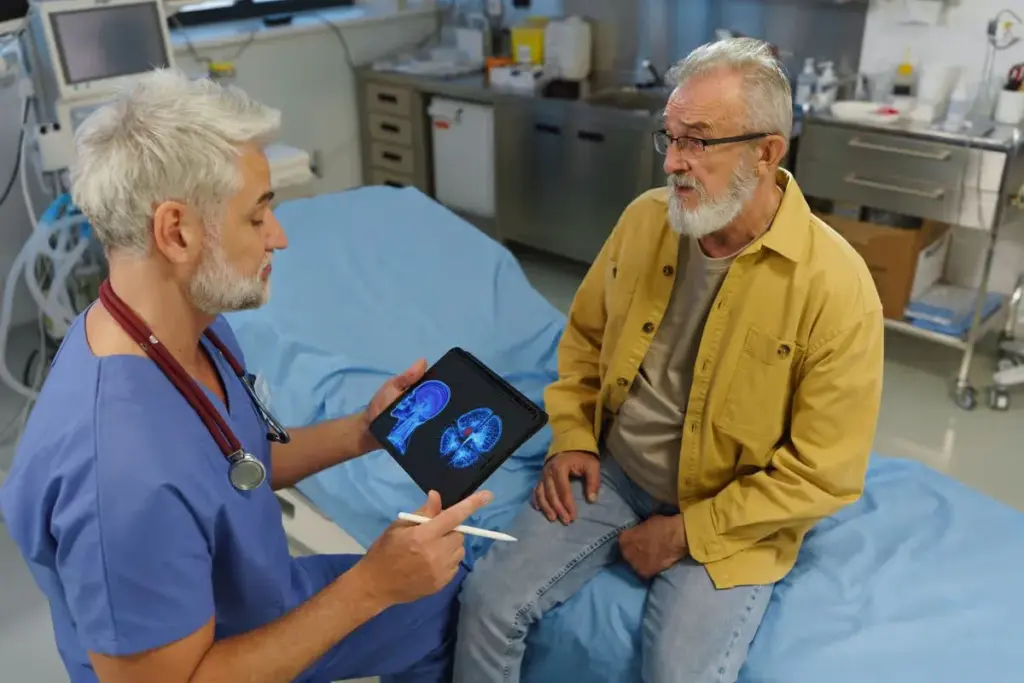
Understanding dementia and how it’s diagnosed is key for families worried about their elderly loved ones. Dementia is a condition where a person’s thinking and memory skills get worse over time.
Doctors use a detailed process to figure out if someone has dementia. They look at the person’s medical history, do neurological exams, and check their thinking and daily skills. They also use brain scans and blood tests.
Liv Hospital offers top-notch dementia evaluation for the elderly. They use teams of experts and the latest research to make sure they get it right.
Key Takeaways
- Comprehensive diagnostic approach is used to diagnose dementia.
- Multiple assessment methods are employed, including medical history review and brain imaging.
- Liv Hospital uses international standards for dementia evaluation.
- Multidisciplinary teams ensure accurate diagnoses.
- Early diagnosis is key for treatment and care.
Understanding Dementia in Elderly Patients
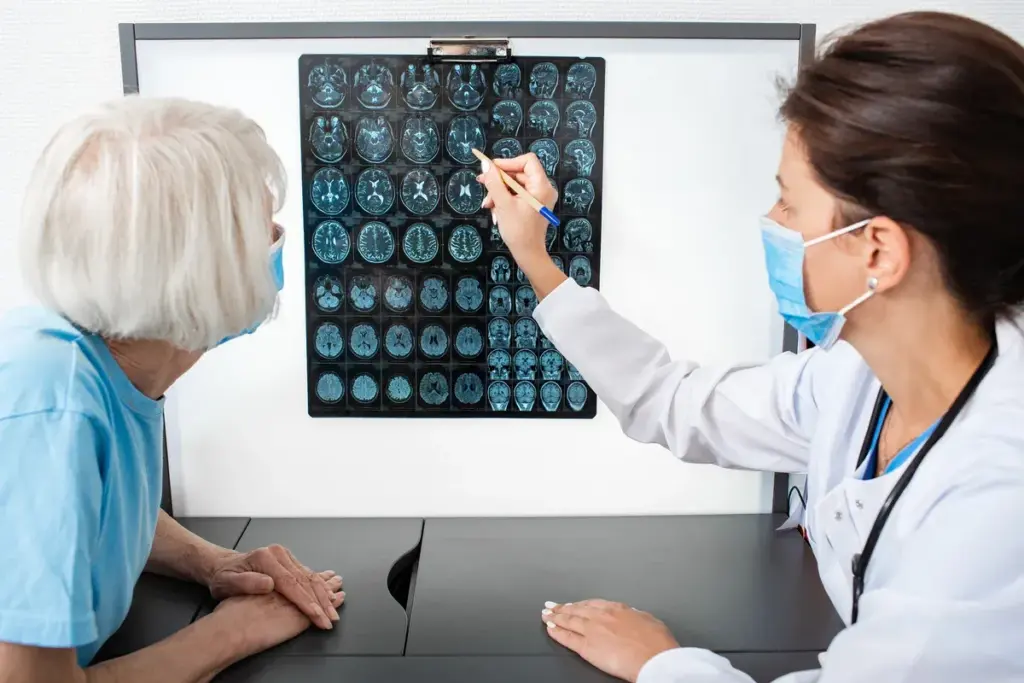
Dementia is not a normal part of aging. It’s a serious health condition that needs early diagnosis and treatment. It causes a decline in cognitive functions, like memory loss and trouble with communication and problem-solving.
What Dementia Means: Definition and How It Works
Dementia is a term for a decline in cognitive function. It affects memory, thinking, and behavior, making daily tasks hard. Understanding dementia means seeing how it impacts a person’s life and daily activities.
Recognizing Dementia Symptoms in Older Adults
Dementia symptoms vary but often include memory loss and confusion. Difficulty with daily tasks and mood changes are also common. It’s important to recognize these symptoms early to get medical help and slow the disease’s progress.
Some common symptoms include:
- Memory loss that affects daily life
- Confusion and disorientation
- Difficulty with communication and language
- Changes in mood, personality, or behavior
Which Type of Doctor Diagnoses and Treats Dementia
Diagnosing and treating dementia requires a team effort. Several doctors play a role in caring for dementia patients, including:
|
Doctor Type |
Role in Dementia Care |
|---|---|
|
Primary Care Physician |
Initial assessment and ongoing management |
|
Neurologist |
Specialized diagnosis and treatment of dementia |
|
Geriatrician |
Care for elderly patients, managing overall health |
Choosing the right doctor is key for an accurate diagnosis and treatment plan. A neurologist or geriatrician can offer specialized care. A primary care physician can provide ongoing support and management.
Can You Test for Dementia: A Detailed Diagnostic Approach
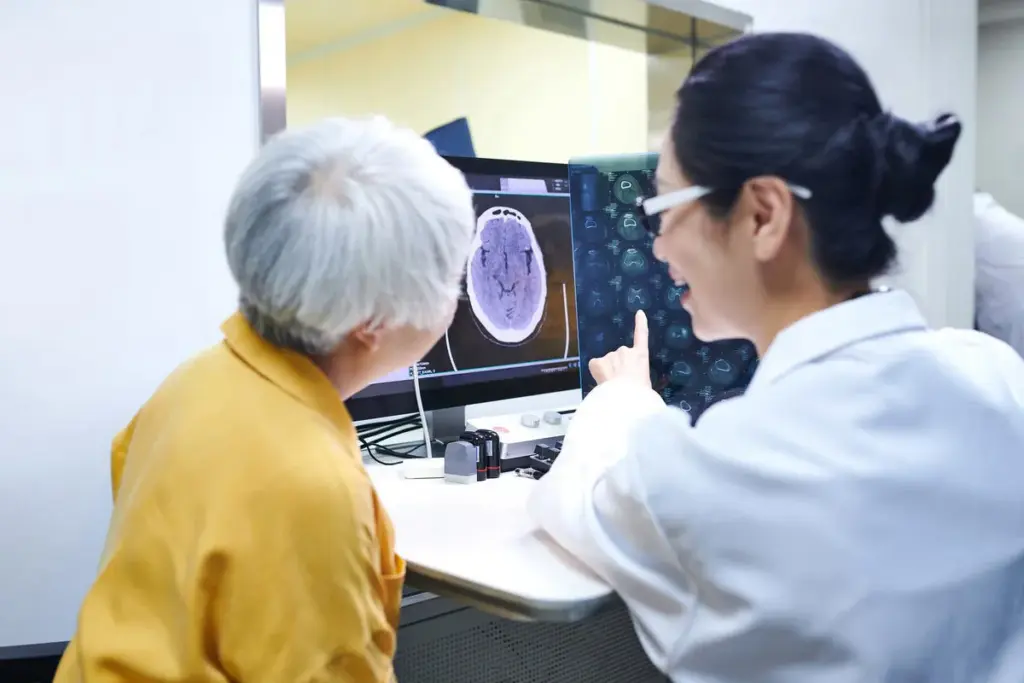
Diagnosing dementia is a complex process. It uses many medical tests and advanced tools. This detailed method is key to correctly identifying dementia and differentiating it from other conditions.
Initial Medical History and Neurological Examination
The first step is a detailed medical history and neurological check-up. Doctors collect information about the patient’s health history and family background. They also check cognitive functions like memory and problem-solving skills.
Key components of the initial assessment include:
- Review of medical and surgical history
- Assessment of cognitive function and neurological status
- Evaluation of functional abilities and daily living activities
Cognitive and Functional Assessment Tools
Cognitive and functional tests are essential for diagnosing dementia. These tools help doctors evaluate memory, attention, and other cognitive skills. The Mini-Mental State Examination (MMSE) and the Montreal Cognitive Assessment (MoCA) are commonly used.
|
Assessment Tool |
Description |
Key Features |
|---|---|---|
|
MMSE |
Evaluates cognitive function, including arithmetic, memory, and orientation |
Score range: 0-30; higher scores indicate better cognitive function |
|
MoCA |
Assesses various cognitive domains, including memory, language, and executive function |
Score range: 0-30; higher scores indicate better cognitive function |
Brain Imaging Techniques for Dementia Detection
Brain imaging is a critical part of diagnosing dementia. These methods help spot brain changes linked to dementia. MRI, CT scans, and PET scans are commonly used.
The choice of imaging modality depends on the clinical context and the specific diagnostic question being addressed.
Blood Tests and Laboratory Analysis
Blood tests and lab analysis help rule out other causes of cognitive decline. They check for vitamin deficiencies or thyroid disorders. Researchers are also looking for new biomarkers for early dementia detection.
Key laboratory tests include:
- Complete Blood Count (CBC)
- Blood chemistry tests
- Thyroid function tests
- Vitamin B12 levels
Conclusion
Dementia in elderly patients is a complex condition. It needs a detailed diagnostic approach. Understanding dementia in simple terms is key: it’s a decline in cognitive function. This includes memory loss, trouble with communication, and problem-solving.
Early diagnosis of dementia in older adults is vital. It allows for timely intervention, improving life quality for patients and caregivers. Recognizing symptoms early can help slow the condition’s progression.
Dementia can greatly affect daily life, impacting not just the person but their loved ones too. But, with the right diagnosis and care plan, managing it is possible.
Learning about dementia is the first step to taking control of your health. If you or a loved one shows symptoms, seek medical help. A timely diagnosis can greatly improve managing dementia and overall well-being.
FAQ
What is dementia, and how does it affect individuals?
Dementia is a condition that causes a decline in memory, thinking, and reasoning skills. It affects a person’s ability to perform daily activities and usually worsens over time.
What are the common symptoms of dementia in older adults?
Common symptoms in older adults include memory loss, confusion, difficulty communicating, mood changes, and trouble completing familiar tasks.
Which type of doctor diagnoses dementia?
Dementia is typically diagnosed by specialists such as neurologists, psychiatrists, or geriatricians, although a primary care doctor may first identify the symptoms.
How do doctors test for dementia?
Doctors diagnose dementia by reviewing medical history, performing physical exams, and conducting cognitive tests to assess memory, thinking, and behavior.
What is the role of cognitive and functional assessment tools in dementia diagnosis?
Cognitive and functional assessment tools help doctors evaluate memory, reasoning, and a person’s ability to carry out everyday activities.
How do brain imaging techniques help in detecting dementia?
Brain imaging techniques help identify changes in the brain, such as shrinkage or damage, that may be linked to dementia.
Can blood tests diagnose dementia?
Blood tests cannot diagnose dementia directly but can help rule out other conditions that may cause similar symptoms.
What is the importance of early diagnosis in dementia?
Early diagnosis is important because it allows better management of symptoms and helps individuals and families plan for future care.
How can understanding dementia and its diagnostic process empower individuals and their families?
Understanding dementia and the diagnostic process helps individuals and families recognize symptoms early and make informed healthcare decisions.
References
National Center for Biotechnology Information. Evidence-Based Medical Insight. Retrieved from https://pubmed.ncbi.nlm.nih.gov/21514250/



 Departments
 Related Videos
 Our Doctors
 News
News