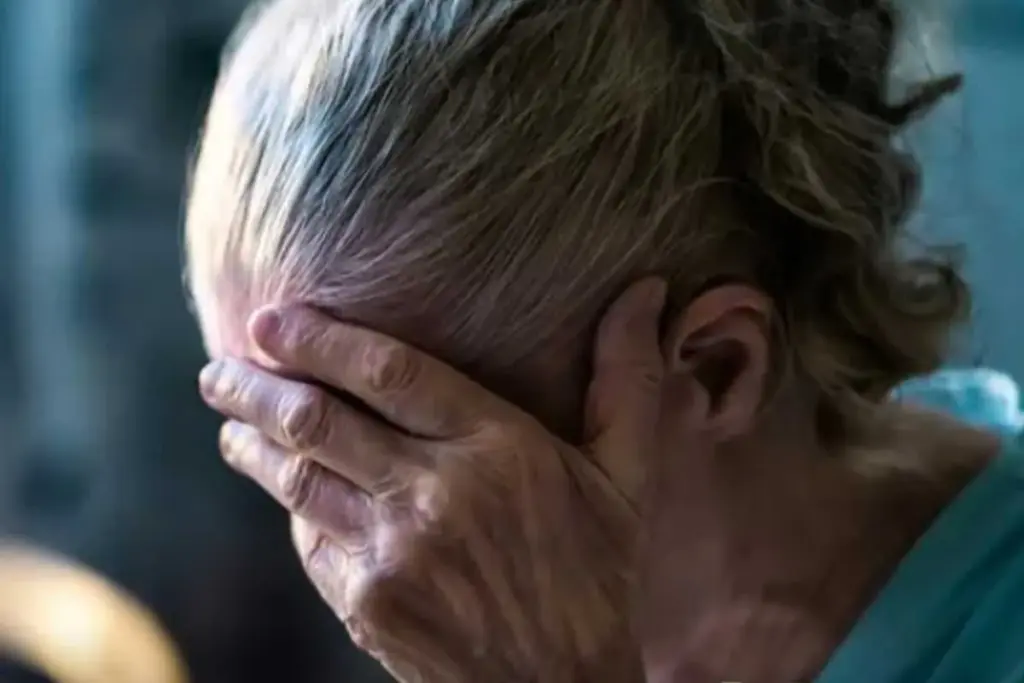
It’s important to know the difference between feeling sad and being depressed. Medical News Today says depression affects about 280 million people worldwide. Knowing the difference can help you start feeling better, like finding a radiant glow after darkness.
Many people wonder if they’re really depressed or just feeling sad. Liv Hospital says it’s all about understanding your feelings and how they affect your life. By knowing the difference, you can start on the path to better mental health.
Key Takeaways
- Depression is a medical condition affecting millions worldwide.
- Understanding the difference between sadness and depression is key.
- Accurate diagnosis needs looking at emotional feelings and daily life impact.
- Liv Hospital focuses on patient care.
- Knowing the difference is the first step to better mental health.
Understanding the Difference Between Sadness and Depression

The difference between sadness and depression can be hard to see. But knowing the difference is important for our mental health. Sadness is a normal feeling when life gets tough. Depression, though, is a serious condition that affects many Americans.
Sadness: A Normal Human Emotion
Sadness is a feeling we all have at some time. It’s a natural response to hard times, like losing someone or facing disappointment. It’s okay to feel sad. This feeling can help us deal with our emotions and move on.
Depression: A Persistent Mood Disorder
Depression is more than just feeling sad for a while. It’s a mood disorder that lasts. People with depression often feel hopeless, lose interest in things they used to enjoy, and have changes in their appetite or sleep. Depression can really hurt how we live our daily lives.
The Prevalence of Depression in America
Depression is more common than many think. In the last year, 21 million Americans aged 18 and above experienced at least one major depressive episode. This means 8.3% of all adults in the country have dealt with depression. This shows how big of a problem depression is for our health.
- Depression affects people of all ages and backgrounds.
- It’s a leading cause of disability in the United States.
- Effective treatments are available, including therapy and medication.
Knowing how common and serious depression is can help us fight the stigma around it. By understanding the difference between sadness and depression, we can start to heal and improve our mental health.
Key Signs That Distinguish Depression from Temporary Sadness
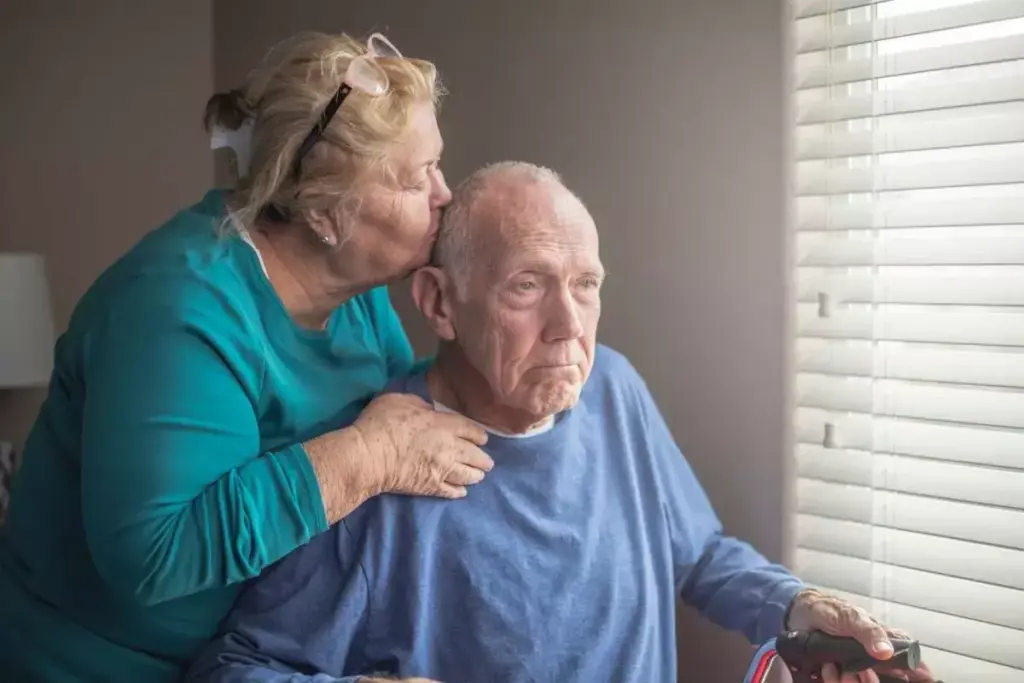
It’s important to know the difference between feeling sad for a short time and depression. Sadness is a normal feeling we all have sometimes. But depression is a serious condition that can really affect our daily lives.
Depression is more than just feeling sad. It’s a serious mental health issue that needs careful diagnosis and treatment. The main differences between temporary sadness and depression include how long symptoms last, how they affect daily life, and physical symptoms.
Duration: Two Weeks or Longer
One key sign of depression is how long symptoms last. If feelings of sadness or hopelessness last two weeks or longer, it might be depression. This long-lasting nature is a big difference between the two.
During this time, people may feel many emotional and physical symptoms. These can really lower their quality of life. It’s important to watch for these signs and get help if they don’t go away.
Functional Impairment in Daily Life
Depression can make it hard to do daily tasks. It can affect work, relationships, and even taking care of oneself. If someone finds it hard to do things they used to enjoy, it could be depression.
| Daily Activities | Impact of Depression |
| Work or School | Difficulty concentrating, making decisions, or completing tasks |
| Social Relationships | Withdrawal from social interactions, loss of interest in social activities |
| Personal Care | Neglect of personal hygiene, changes in appetite or sleep patterns |
Physical Symptoms Beyond Emotional Pain
Depression isn’t just about feeling sad. It can also show up physically. Symptoms like changes in appetite, sleep problems, fatigue, and physical pain are common. These symptoms can be as hard to deal with as the emotional ones.
Knowing these signs can help figure out if it’s just sadness or depression. If you or someone you know is dealing with ongoing symptoms, getting help from a mental health expert is key.
Am I Really Depressed? Critical Warning Signs
Wondering if you’re depressed? It’s key to know the warning signs that show it’s more than just sadness. Depression is complex and affects people in different ways. So, it’s important to spot the signs that might mean you need help.
Persistent Emptiness and Loss of Interest
Feeling empty or losing interest in things you used to love is a big sign of depression. It’s not just feeling a bit down. It’s a big change that can really impact your life. As the NIMH says, “When you’re depressed, you may feel sad, empty, or hopeless.”
- Loss of interest in hobbies or activities
- Feeling disconnected from friends and family
- Lack of enthusiasm for things that used to be enjoyable
Changes in Appetite and Energy Levels
Depression can also show up in how you feel physically. Some people might eat more and gain weight, while others might eat less and lose weight. It can also make you feel really tired or restless.
Thoughts of Hopelessness or Self-Harm
Thoughts of hopelessness or wanting to harm yourself are very serious signs. If you or someone you know is thinking these things, get help right away. The National Suicide Prevention Lifeline is available 24/7.
- Recognize the signs: persistent feelings of hopelessness or despair
- Seek professional help: consult a mental health professional
- Reach out for support: talk to a trusted friend or family member
Depression Rates Among Adolescents and Young Adults
Depression hits hard among teens and young adults. They face a lot of stress, like school pressure and social media. They’re also going through big changes as they grow up.
It’s important for parents, teachers, and doctors to know about these risks. They should offer support and help to young people dealing with depression.
Conclusion
Knowing if you’re feeling sad or depressed is key for your mental health. Depression is treatable and needs a full approach, including getting professional help.
If you’re wondering “am I sad” or “am I actually depressed,” think about your feelings and actions. Spotting depression’s signs is the first step to healing.
Looking for help shows strength, not weakness. Taking charge of your mental health is a luxury that boosts your well-being. Make self-care and mental health awareness a priority in your life.
Your journey to a brighter mental state begins now. By facing your emotions and seeking support, you’re moving towards a healthier mental view. Don’t wait to ask for help – your mental health is important.
FAQ
How do I know if I’m Depressed or just sad?
Depression involves persistent low mood, loss of interest, and impaired daily functioning, while sadness is usually temporary and linked to specific events.
What are the key signs that distinguish Depression from temporary sadness?
Key signs include lasting feelings of hopelessness, fatigue, changes in sleep or appetite, difficulty concentrating, and thoughts of self-harm.
I’m really sad, do I have Depression?
Feeling sad alone doesn’t mean depression; it is diagnosed when symptoms are persistent, severe, and affect daily life.
How do you know if you’re Depressed or just sad?
Evaluate if low mood lasts most of the day for two weeks or more and disrupts normal activities, which suggests depression rather than normal sadness.
Why do I feel so sad?
Sadness can be caused by stress, loss, health issues, or life changes, and sometimes it may signal depression if persistent and intense.
Think I have Depression, what do I do?
Reach out to a healthcare professional for evaluation and guidance on treatment, including therapy, lifestyle changes, or medication.
Am I actually Depressed or just sad?
Persistent, intense, and disabling low mood with other symptoms like fatigue and loss of interest indicates depression rather than typical sadness.
How do I know if I’m Depressed or just sad?
Look for duration, severity, and impact on daily life—temporary sadness resolves with time, whereas depression persists and interferes with functioning.
References
World Health Organization. Evidence-Based Medical Insight. Retrieved from https://www.who.int/news-room/fact-sheets/detail/dementia