

When cognitive impairment and heart conditions meet, it can greatly affect a patient’s future. Studies show that up to 75% of those with heart failure also face cognitive decline.
At Liv Hospital, we understand the challenges of treating patients with both issues. Our team works hard to give them the best care. We use our knowledge to help those dealing with dementia and heart failure improve their lives.
Key Takeaways
- Cognitive impairment is common in heart failure patients.
- Dementia and heart failure together make care harder.
- Good care is key to better patient results.
- Liv Hospital offers special care for tough cases.
- It’s important to know how dementia and heart failure are connected for better care.
The Connection Between Heart Failure and Dementia

Heart failure and dementia are becoming more linked, mainly in older adults. As we get older, the chance of getting both conditions goes up. It’s important to know how they relate to each other.
Prevalence in Elderly Populations
About 60% of heart patients over 75 show some cognitive issues. This shows how common dementia is in older heart patients. Older people are more likely to get both heart failure and dementia because of aging.
Cognitive impairment in heart failure patients can show up in many ways. It can affect memory, attention, and making decisions. Knowing how common dementia is in these patients helps in giving them the right care.
Risk of New-Onset Dementia in Heart Failure Patients
More than 1 in 10 heart failure patients get dementia. This is because heart failure can cause less blood to the brain and inflammation. It’s important to watch heart failure patients for dementia signs.
| Risk Factors | Description | Impact on Dementia Risk |
| Reduced Cerebral Blood Flow | Heart failure can lead to decreased blood flow to the brain. | Increased risk of cognitive decline. |
| Inflammation | Chronic inflammation is associated with heart failure and can affect the brain. | Higher risk of developing dementia. |
| Age | Elderly patients are more susceptible to both heart failure and dementia. | Increased vulnerability to cognitive impairment. |
Knowing these risk factors is key to managing heart failure and possibly lowering dementia risk. Healthcare providers can help patients more by addressing these factors.
Dementia and Heart Failure Life Expectancy: What the Research Shows
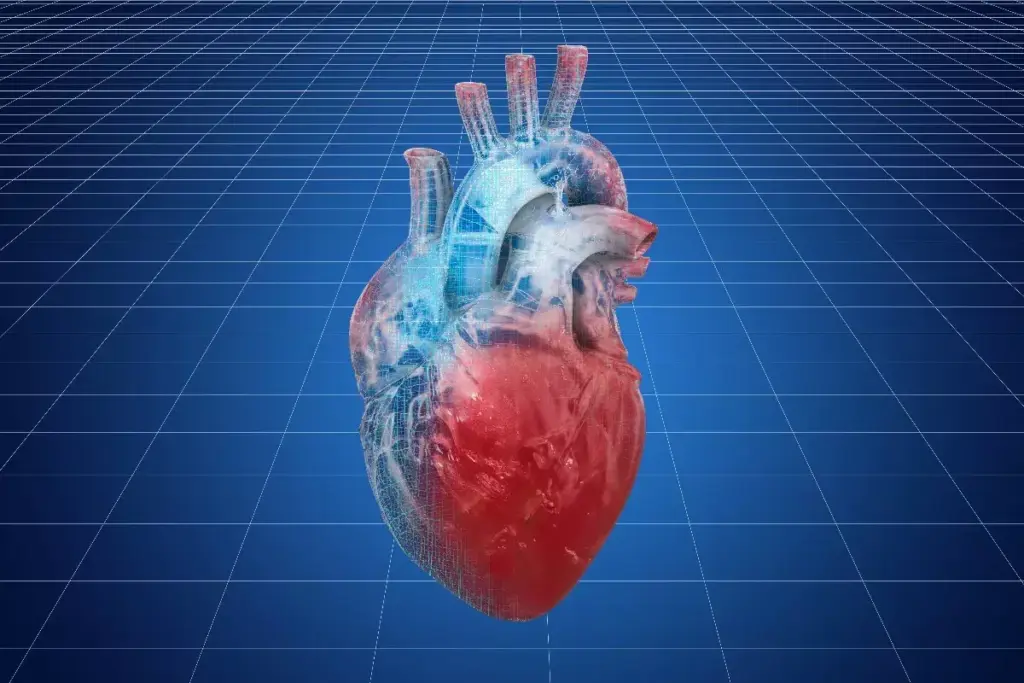
Research shows that having both dementia and heart failure greatly affects how long a patient can live. More and more people are being diagnosed with both conditions. This means we need to understand how they affect survival and quality of life.
Studies have looked into how long patients with both conditions live. They found that about 76% of these patients made it past one year. This shows how big of an impact having both conditions can have on a patient’s life.
Survival Rates for Patients with Both Conditions
Looking at survival rates helps us know what to expect for patients with dementia and heart failure. A study found that having dementia makes heart failure patients more likely to die. Having both conditions makes it harder to manage a patient’s care and shortens their life. We need to think about these things when planning care for these patients.
Impact on Quality of Life and Independence
Dementia and heart failure together not only shorten a patient’s life but also hurt their quality of life and independence. As these conditions get worse, patients often need more help from caregivers. We aim to improve these patients’ lives with better care plans.
Research shows we need to tackle the complex needs of patients with both conditions. By understanding how these conditions work together, we can make better care plans. This will help patients and their caregivers.
How Heart Failure Contributes to Cognitive Decline
The link between heart failure and cognitive decline is complex. It involves many physiological mechanisms. Heart failure can cause reduced blood flow to the brain, inflammation, and other factors that harm cognitive function.
Patients with heart failure often face cognitive symptoms. These range from mild memory loss to severe dementia. It’s important to understand these mechanisms to develop effective management strategies.
Mechanisms Behind Brain Damage
Several mechanisms contribute to brain damage in heart failure patients. These include:
- Reduced Cerebral Blood Flow: Heart failure can lead to decreased cardiac output. This results in reduced blood flow to the brain.
- Cerebral Hypoperfusion: Prolonged reduction in cerebral blood flow can cause cerebral hypoperfusion. This damages brain tissue.
- Inflammation: Systemic inflammation associated with heart failure can affect the brain. This contributes to cognitive decline.
- Neurohormonal Activation: Activation of neurohormonal pathways in heart failure can harm the brain.
Types of Dementia Most Common in Heart Failure Patients
Heart failure patients are at risk of developing various types of dementia. The most common include:
- Vascular Dementia: Caused by reduced blood flow to the brain, vascular dementia is a common complication in heart failure patients.
- Mixed Dementia: Many heart failure patients develop mixed dementia. This is a combination of vascular dementia and Alzheimer’s disease.
- Alzheimer’s Disease: While the exact link between heart failure and Alzheimer’s is under research, there is evidence that heart failure patients are at higher risk.
Understanding these mechanisms and types of dementia is key. It helps healthcare providers manage heart failure patients effectively. This improves their quality of life.
Conclusion
Our study shows a strong link between dementia and heart failure life expectancy. People with both conditions face a big risk of living shorter lives and having a lower quality of life.
Dementia is common in heart failure patients, making it harder to manage their heart condition. It’s important to understand how these two conditions are connected. This knowledge helps us find better ways to help patients.
We must keep studying the link between heart failure and dementia. By doing so, we can find new ways to care for these patients. This will help improve their lives and quality of care.
FAQ
How does dementia impact the life expectancy of patients with heart failure?
Dementia can shorten life expectancy in heart failure patients because it makes disease management more difficult. Patients may struggle with medications, appointments, and self-care.
What is the prevalence of dementia in elderly populations with heart failure?
Dementia is relatively common among older adults with heart failure. Studies suggest that a significant portion of elderly heart failure patients experience some level of cognitive impairment.
What are the risk factors that contribute to new-onset dementia in heart failure patients?
Common risk factors include advanced age, reduced blood flow to the brain, vascular disease, diabetes, and long-term heart complications.
How does heart failure contribute to cognitive decline?
Heart failure can reduce the amount of oxygen-rich blood reaching the brain. This reduced circulation may damage brain cells and lead to memory and thinking problems.
What types of dementia are most common in heart failure patients?
Vascular dementia and Alzheimer’s disease are the most common types seen in people with heart failure. Vascular dementia is especially linked to poor blood flow and cardiovascular issues.
What is the impact of dementia on the quality of life and independence of heart failure patients?
Dementia can reduce a patient’s ability to manage daily tasks, medications, and self-care. This often leads to greater dependence on caregivers and reduced independence.
How does the coexistence of dementia and heart failure affect patient outcomes?
When both conditions occur together, patients may experience more hospitalizations, faster health decline, and greater difficulty following treatment plans.
What are the challenges faced by caregivers and healthcare providers in managing patients with both dementia and heart failure?
Caregivers and providers often face challenges with medication management, monitoring symptoms, and ensuring patients follow treatment routines. Communication and safety can also become more difficult.
References
National Center for Biotechnology Information. Evidence-Based Medical Insight. Retrieved from https://pmc.ncbi.nlm.nih.gov/articles/PMC9982209/